Homemade Seasoned Salt? Chef’s Secret Blend!
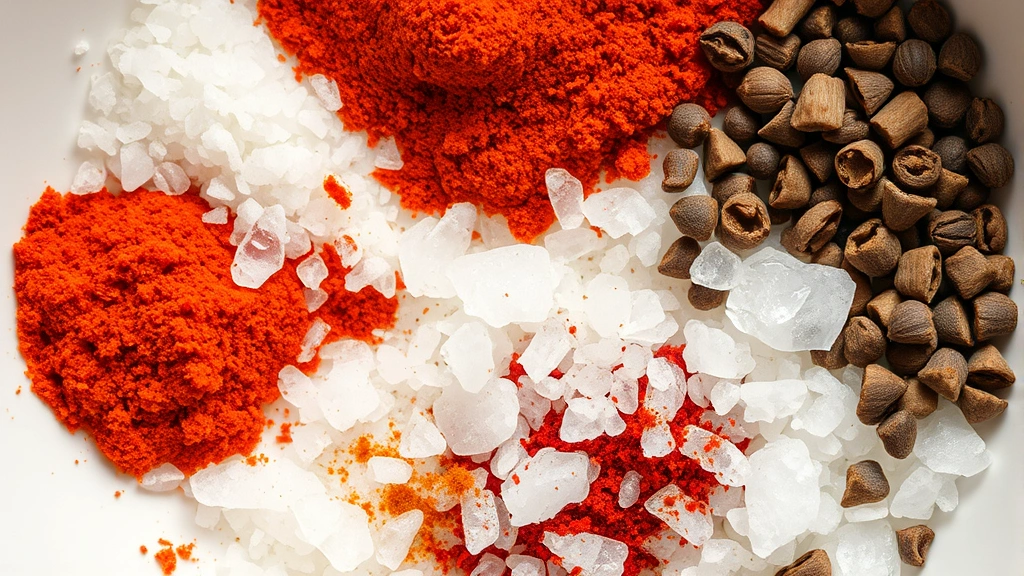
Seasoned salt is one of those pantry staples that transforms ordinary dishes into restaurant-quality creations. Whether you’re seasoning roasted vegetables, grilled meats, or even popcorn, a quality seasoned salt recipe becomes indispensable in your kitchen arsenal. The beauty of making your own blend lies in complete control over ingredients, sodium levels, and flavor intensity. Store-bought versions often contain anti-caking agents and fillers that dilute the authentic taste you’re seeking.
Professional chefs understand that seasoned salt isn’t just salt with a sprinkle of spices—it’s a carefully balanced combination where each ingredient plays a specific role. This comprehensive guide reveals the exact proportions, techniques, and insider tips that separate amateur home cooks from culinary professionals. By the end, you’ll have a versatile blend that enhances everything from breakfast proteins to dinner entrées.
Understanding Seasoned Salt Fundamentals
Seasoned salt differs fundamentally from table salt because it combines sodium chloride with complementary spices, herbs, and flavor enhancers. The salt serves as the binding agent and flavor carrier, while secondary ingredients provide complexity and depth. Professional kitchens maintain multiple seasoned salt blends for different applications—one for vegetables, another for meats, and specialized versions for seafood or poultry.
The science behind effective seasoning involves understanding how salt crystals interact with other dry ingredients. Finer salt granules distribute more evenly than coarse varieties, ensuring consistent flavor in every pinch. Additionally, the hygroscopic nature of salt means it absorbs moisture from the air, so proper storage becomes critical for maintaining the blend’s integrity and preventing clumping.
Many home cooks make the mistake of using pre-ground spices that have lost their potency. Fresh spices ground immediately before blending create exponentially more flavorful results. This is why professional chefs often grind their own spice components rather than relying on aged pantry staples.
Essential Ingredients Breakdown
Understanding each component’s purpose helps you customize blends confidently. Here’s what distinguishes a superior seasoned salt blend:
- Sea Salt or Kosher Salt (Base): Provides the foundation and comprises 70-80% of the blend. Sea salt offers subtle mineral notes, while kosher salt has a cleaner flavor profile. Avoid iodized table salt, which imparts metallic undertones.
- Garlic Powder: Delivers concentrated garlic flavor without moisture that would compromise shelf life. Use true garlic powder, not garlic salt which contains added sodium.
- Onion Powder: Contributes sweet, savory depth. High-quality onion powder should smell pungent and aromatic, indicating recent processing.
- Paprika: Adds color, subtle sweetness, and mild pepperiness. Spanish smoked paprika elevates the blend significantly compared to basic varieties.
- Black Pepper: Freshly ground pepper provides heat and complexity. Pre-ground pepper oxidizes quickly, losing volatile flavor compounds.
- Dried Herbs: Oregano, thyme, or marjoram contribute herbaceous notes. Crush dried herbs before mixing to release essential oils.
- Optional Flavor Enhancers: Celery salt, MSG (monosodium glutamate), or nutritional yeast amplify umami characteristics that make food taste more satisfying.
The ratio between these ingredients determines whether your blend tastes balanced or overpowering. Too much garlic powder creates an aggressive flavor that overwhelms delicate dishes, while insufficient seasoning spices result in bland, salty mixtures.
Classic Chef’s Blend Recipe
This foundational recipe serves as the baseline for most professional applications. It works beautifully on Hawaiian rolls, grilled proteins, and roasted vegetables.
Ingredients (Makes approximately 1 cup):
- ¾ cup sea salt or kosher salt
- 2 tablespoons garlic powder
- 2 tablespoons onion powder
- 1 tablespoon sweet paprika
- 1 tablespoon freshly ground black pepper
- 1 teaspoon dried oregano, crushed
- ½ teaspoon dried thyme, crushed
- ¼ teaspoon cayenne pepper (optional, for subtle heat)
This ratio creates a versatile blend that enhances proteins, vegetables, and even popcorn without overwhelming other ingredients. The proportions allow the salt to remain the dominant flavor while spices provide supporting notes.
Step-by-Step Preparation Method
Proper technique ensures even distribution and maximum flavor impact. Follow these steps precisely for professional results:
- Measure Ingredients Accurately: Use a kitchen scale for precision rather than volume measurements. Salt density varies between brands and types, so weight ensures consistency batch to batch.
- Prepare Fresh Spices: If using whole spices, grind them immediately before blending. Toast whole spices briefly in a dry skillet for 1-2 minutes to awaken their aromatic compounds, then grind using a spice grinder or mortar and pestle.
- Crush Dried Herbs: Place dried oregano and thyme between two pieces of parchment paper and crush with the bottom of a measuring cup or small skillet. This releases essential oils and breaks down larger pieces for even distribution.
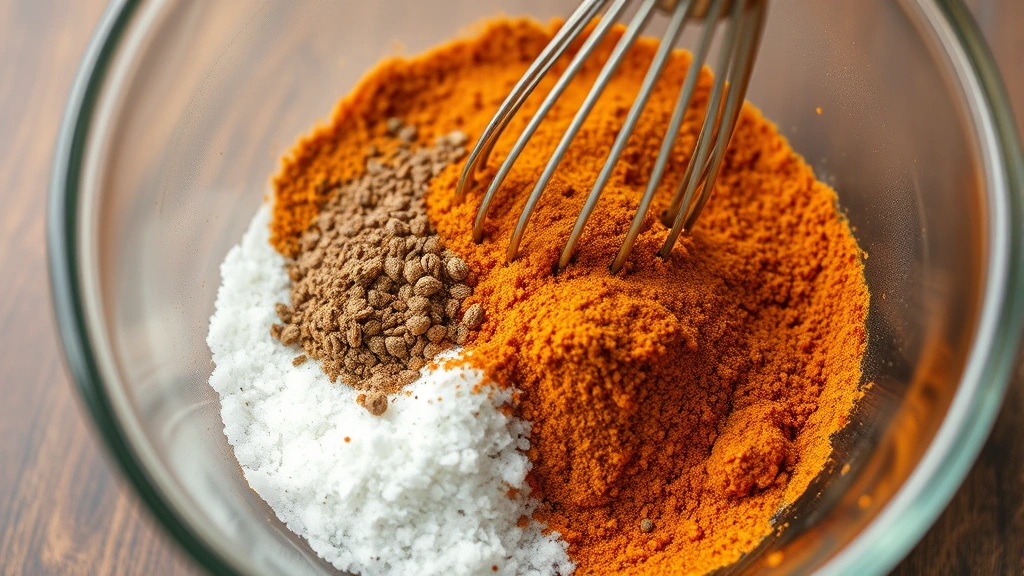
- Combine in Mixing Bowl: Pour salt into a medium mixing bowl first, creating a base. Add powdered spices and crushed herbs gradually, stirring thoroughly after each addition.
- Mix Thoroughly: Use a whisk or fork to break up any clumps and ensure even distribution. Spend at least 2-3 minutes mixing, paying special attention to corners where ingredients tend to accumulate.
- Final Sifting (Optional but Recommended): Pass the completed blend through a fine-mesh sieve to catch any remaining clumps and ensure the finest, most consistent texture. This extra step elevates your blend to professional quality.
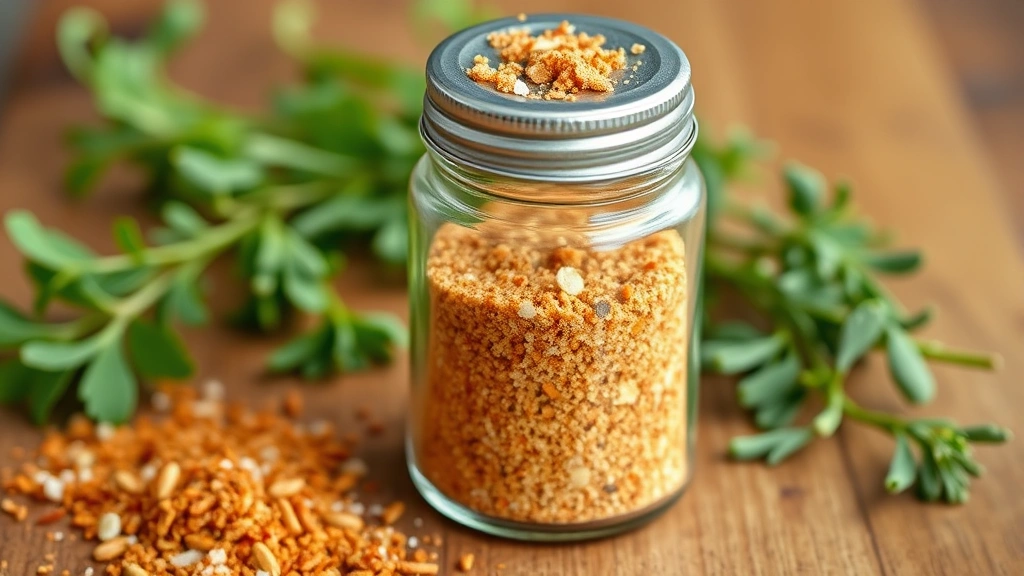
- Store Immediately: Transfer to an airtight glass container with a tight-fitting lid. Avoid plastic containers, which can absorb oil residues and odors from the spices.
Many cooks skip the sifting step, but this separation removes clumps that prevent even seasoning distribution. When you taste your finished blend, every pinch should taste identical, with no concentration of garlic powder or onion powder in isolated areas.
Storage and Shelf Life Guidelines
Proper storage preserves flavor intensity and prevents moisture absorption that creates clumping. Here’s how to maintain your blend:
- Container Selection: Glass jars with rubber-sealed lids provide superior protection compared to plastic or cardboard. Avoid containers that previously held strongly scented items, as seasoned salt absorbs odors easily.
- Storage Location: Keep blends in cool, dry cabinets away from direct sunlight, heat sources, and humidity. Never store above the stove or near windows where temperature fluctuations occur.
- Shelf Life: Homemade seasoned salt maintains peak flavor for 4-6 months when properly stored. The salt remains safe indefinitely, but spices gradually oxidize and lose potency. After six months, the blend becomes noticeably less vibrant.
- Moisture Prevention: Never use wet spoons to scoop from the container. Moisture introduces bacteria and causes clumping. Use dry utensils exclusively.
- Bulk Preparation: Make larger batches quarterly rather than annually. Fresh batches prepared every few months ensure you always use flavorful spices at their peak.
Some cooks add a few grains of uncooked rice to the container to absorb excess moisture. While this works, it requires careful scooping to avoid mixing rice into your seasoning. Better practice involves maintaining appropriate storage conditions that prevent moisture accumulation entirely.
Creative Variations and Flavor Profiles
Once you master the classic blend, experimentation opens countless possibilities. Professional chefs maintain specialized versions for specific applications:
Smoky BBQ Blend: Add 1 tablespoon smoked paprika, ½ tablespoon chili powder, and ½ tablespoon ground cumin. This variation excels on grilled meats and creates incredible popcorn seasoning.
Mediterranean Herb Blend: Increase dried oregano to 1½ teaspoons, add 1 teaspoon dried basil, and include ½ teaspoon dried rosemary, crushed. Perfect for vegetables and chicken dishes.
Cajun Spice Blend: Add 1 tablespoon cayenne pepper, 1 teaspoon garlic powder (increase total), and 1 teaspoon paprika. This bold variation works beautifully on seafood and rice dishes, complementing the flavor profile of protein-forward recipes.
Lemon Herb Blend: Add 1 tablespoon dried lemon peel (or zest from 3 lemons, dried overnight), ½ teaspoon dried dill, and ½ teaspoon dried chives. Excellent for fish and light vegetable preparations.
Umami Boost Blend: Add ½ teaspoon MSG (optional), ½ teaspoon garlic powder (increase total), and ¼ teaspoon dried mushroom powder. This creates deeply satisfying seasoning that enhances savory dishes significantly.
The beauty of homemade blends lies in customization. If you dislike black pepper’s heat, reduce it. If you prefer more garlic intensity, increase garlic powder. Document your ratios in a notebook so you can recreate successful batches consistently.
Best Uses and Application Tips
Understanding optimal applications ensures your blend enhances rather than overwhelms dishes:
Protein Applications: Seasoned salt performs exceptionally on grilled chicken, roasted beef, and pan-seared fish. Apply 15 minutes before cooking to allow salt to penetrate the surface, drawing out moisture that creates better browning during cooking. This technique applies whether you’re preparing breakfast proteins or dinner entrées.
Vegetable Preparations: Toss roasted vegetables with seasoned salt immediately after removing from the oven while they’re still hot. The residual heat helps salt crystals dissolve slightly, distributing flavor evenly. This works perfectly for roasted potatoes, broccoli, Brussels sprouts, and carrots.
Finishing Salt: Use seasoned salt as a final flourish on finished dishes. Sprinkle over soups, stews, and salads just before serving for textural contrast and concentrated flavor bursts. This application showcases individual spice components rather than blending them into the dish.
Popcorn and Snacks: Seasoned salt transforms plain popcorn into gourmet snacking. Toss freshly popped popcorn with melted butter, then sprinkle seasoned salt while the butter is still warm. The salt adheres better to warm fat than dry kernels.
Rim Seasoning: Create cocktail rims by mixing your blend with lime or lemon zest. This adds sophistication to margaritas and other drinks, making entertaining easier.
Bread and Baked Goods: Sprinkle seasoned salt on breadsticks, granola bars, and savory baked goods before baking. The heat helps flavors meld into the dough, creating more complex results than post-baking application.
Dosage matters significantly. Start with ¼ teaspoon per serving and adjust upward based on personal preference. Overseasoning is difficult to remedy, while underseasoning can always be corrected.
Professional resources like The Culinary Institute of America emphasize that seasoning mastery requires practice and taste-testing. Keep notes on how different applications respond to your blend, refining technique continuously.
Consider consulting Serious Eats for deeper dives into seasoning science and flavor pairing principles. Understanding the chemistry behind seasoning elevates your cooking significantly.
FAQ
Can I substitute table salt for sea salt in seasoned salt recipes?
While technically possible, table salt contains iodine and anti-caking agents that create metallic flavors and affect the blend’s texture. Sea salt or kosher salt provides superior results. If table salt is your only option, use 20% less due to its finer granules and higher density.
How do I prevent my seasoned salt from clumping?
Moisture causes clumping. Store in airtight glass containers in cool, dry locations away from humidity sources. Never use wet utensils when scooping, and avoid storing near stoves or dishwashers. Some cooks add a few grains of uncooked rice or dried beans to absorb excess moisture, though proper storage conditions eliminate this necessity.
Is MSG safe to include in seasoned salt?
MSG (monosodium glutamate) is a naturally occurring amino acid found in foods like tomatoes and Parmesan cheese. The FDA recognizes it as safe for consumption. Including ½ teaspoon per cup of seasoned salt creates umami depth without any health concerns for most people. Omit entirely if you prefer.
Can seasoned salt replace regular salt in recipes?
Partially. Since seasoned salt contains additional ingredients beyond salt, it’s less concentrated. Use approximately 1.5 times the volume of seasoned salt compared to regular salt. For baking, stick with regular salt unless the recipe specifically calls for seasoned varieties, as spices can affect texture and rise.
How long does homemade seasoned salt last?
Salt itself never spoils, but spices gradually oxidize and lose potency. Peak flavor lasts 4-6 months in proper storage. After six months, the blend becomes noticeably less vibrant. Making fresh batches quarterly ensures you always use flavorful ingredients.
Can I grind whole spices instead of using powdered versions?
Absolutely, and many professionals prefer this approach. Toast whole spices briefly in a dry skillet to awaken aromatic compounds, then grind using a spice grinder or mortar and pestle immediately before blending. Freshly ground spices deliver superior flavor compared to pre-ground varieties that have oxidized in storage.
What’s the difference between seasoned salt and seasoning salt?
These terms are used interchangeably in most contexts. Both refer to salt combined with spices and herbs. Some brands use “seasoning salt” to distinguish their products from pure salt, but the fundamental composition remains identical.
Can I use this seasoned salt recipe on sweet dishes?
Not ideally. The savory spice profile suits savory applications exclusively. For sweet-savory applications like caramel popcorn or roasted nuts with honey, create a separate blend using less garlic and onion powder, adding cinnamon and a touch of paprika instead.


