Shishito Pepper Recipe: A Chef’s Favorite Snack
Shishito peppers have become a beloved appetizer in restaurants and home kitchens alike, and for good reason. These small, thin-walled Japanese peppers offer a delightful combination of mild heat and sweet flavor that makes them incredibly versatile. Unlike their spicier cousins, most shishito peppers deliver a gentle, fruity taste with just a hint of smokiness when cooked properly. The beauty of this shishito pepper recipe lies in its simplicity—requiring minimal ingredients and preparation time while delivering maximum flavor and restaurant-quality results.
What makes shishito peppers truly special is their unique characteristic: approximately one in ten peppers carries significantly more heat than the others, creating an exciting element of surprise with each bite. This unpredictability has made them a favorite at dinner parties and casual gatherings. Whether you’re looking for a quick weeknight snack, an impressive appetizer for entertaining, or a healthy side dish to complement your meal, shishito peppers deliver on all fronts. Their versatility extends beyond simple pan-frying—you can grill them, roast them, stuff them, or incorporate them into various dishes. This guide will walk you through everything you need to know about preparing perfect shishito peppers at home.
What Are Shishito Peppers
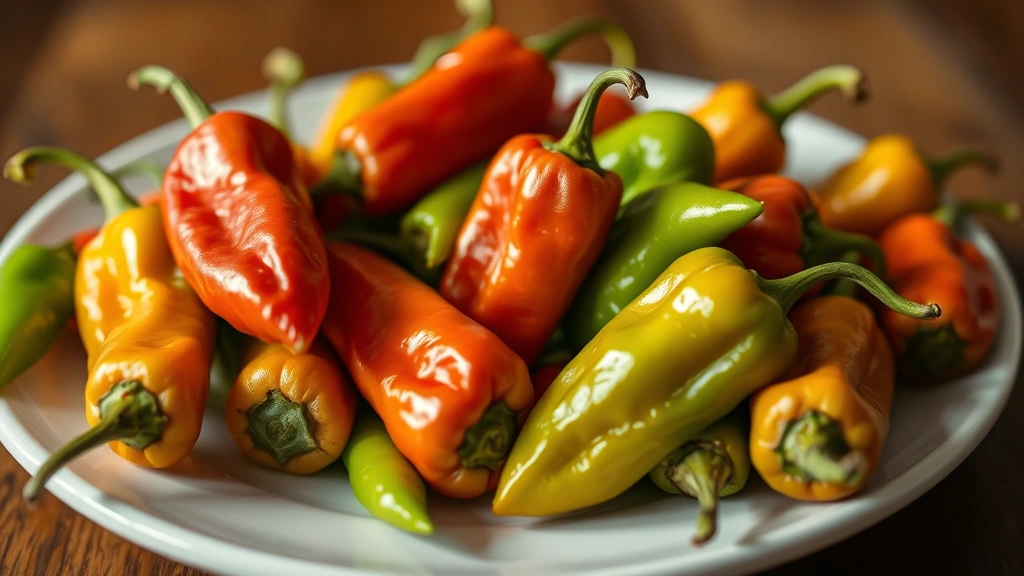
Shishito peppers, scientifically known as Capsicum annuum, originate from Japan and have been cultivated for centuries in the Shizuoka region. The name “shishito” translates to “lion head” in Japanese, referring to the wrinkled appearance of the pepper’s surface. These peppers are significantly smaller than bell peppers, typically measuring two to three inches in length, with thin walls that cook quickly and develop beautiful charred spots when exposed to high heat.
The flavor profile of shishito peppers is distinctly different from jalapeños or other common hot peppers. They offer a subtle sweetness with a grassy, herbaceous undertone and minimal heat in most cases. The thin skin becomes tender and slightly blistered when cooked, while the flesh remains crisp and juicy. This textural contrast, combined with their approachable heat level, makes them perfect for both adventurous eaters and those who prefer milder flavors. Their growing popularity in North America has made them increasingly available at farmers markets and specialty grocery stores year-round, though they’re most abundant during late summer and early fall.
Essential Ingredients and Equipment
The beauty of a classic shishito pepper recipe is that you need remarkably few ingredients to create something truly delicious. Here’s what you’ll need:
- Fresh shishito peppers: 1 pound (approximately 20-24 peppers). Select peppers that are firm with unblemished skin. Avoid any that feel soft or have dark spots.
- High-heat cooking oil: 2-3 tablespoons of avocado oil, vegetable oil, or peanut oil. These oils have high smoke points essential for proper searing.
- Sea salt: 1 teaspoon for seasoning, plus additional for finishing. Kosher salt works well as an alternative.
- Optional garnishes: Fresh lemon juice, fleur de sel, bonito flakes, or furikake seasoning for added complexity.
For equipment, you’ll want to have:
- A large cast-iron skillet or heavy-bottomed stainless steel pan (10-12 inches) for even heat distribution
- Tongs or a wooden spoon for turning peppers
- A cutting board for prep work
- A serving plate or bowl
- Optional: A grill or grill pan for alternative cooking methods
Many home cooks find that investing in quality cookware makes a significant difference when preparing this dish. A good heavy-bottomed pan ensures even cooking and proper charring without burning. If you’re interested in expanding your cooking repertoire, consider exploring best breakfast food recipes or other quick appetizers that employ similar cooking techniques.
Step-by-Step Cooking Instructions
Preparation Phase (5 minutes): Begin by rinsing your shishito peppers under cool running water and patting them completely dry with paper towels. Moisture on the surface will prevent proper charring and cause the oil to splatter. If any peppers have small stems attached, you can leave them on—they add visual appeal and are edible. However, if you prefer, you can trim them with a small knife. Arrange your dried peppers on a plate near your cooking station for easy access.
Heating Phase (3-5 minutes): Place your skillet over medium-high to high heat. Allow it to preheat for 2-3 minutes until it’s quite hot. You can test if it’s ready by holding your hand about 3 inches above the surface—you should feel significant heat. Add your oil and swirl it around the pan to coat the entire surface evenly. Let the oil heat for another minute until it shimmers and moves easily around the pan. This step is crucial for achieving proper charring and preventing sticking.
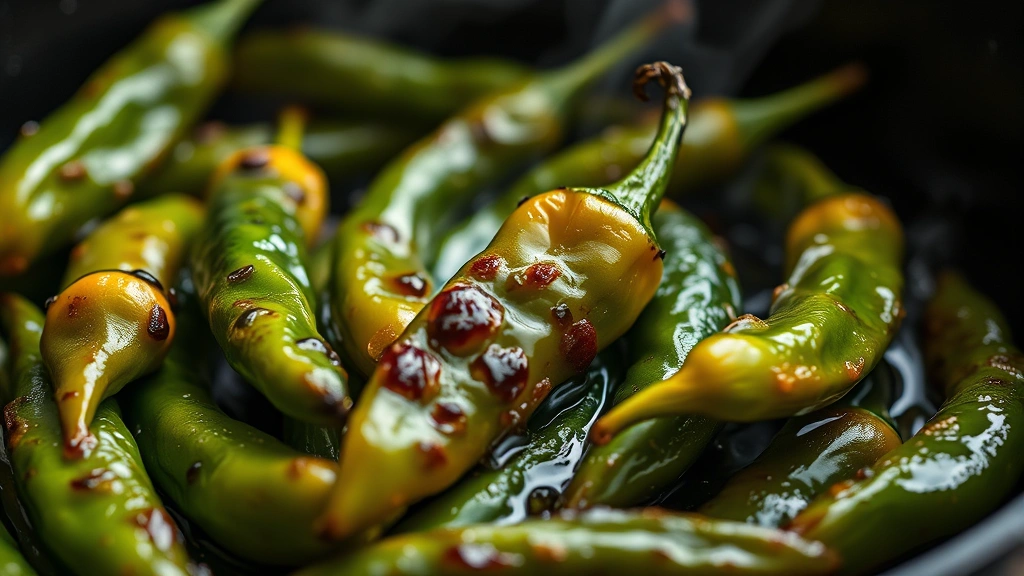
Cooking Phase (8-12 minutes): Carefully add the peppers to the hot pan in a single layer. You may need to work in batches if your pan is crowded—overcrowding reduces heat and prevents proper browning. Let the peppers sit undisturbed for 2-3 minutes. This allows the skin to char and blister beautifully. Using tongs, turn each pepper to expose a different side to the heat. Continue cooking for another 2-3 minutes until multiple sides have developed dark, charred spots. The peppers should be tender when pierced with a fork but still maintain their shape and slight firmness.
Seasoning Phase (1 minute): Once all peppers are cooked and have achieved a nice char, transfer them to a serving dish. Immediately sprinkle with sea salt while they’re still hot. The heat helps the salt adhere and allows the flavors to meld. Toss gently to distribute the salt evenly. Taste one pepper to check the seasoning level and adjust if needed.
The entire cooking process from start to finish takes approximately 15-20 minutes, making this an ideal recipe for busy weeknights. Professional chefs often emphasize that the key to perfect shishito peppers is maintaining high heat and resisting the urge to move them around constantly. This patience allows the skin to develop those desirable charred spots that add depth and complexity to the flavor.
Flavor Variations and Seasonings
While simple salt-seasoned shishito peppers are absolutely delicious, there are numerous ways to elevate this basic recipe with complementary flavors. Understanding how different seasonings interact with the peppers’ natural sweetness will help you create variations that suit your preferences and meal context.
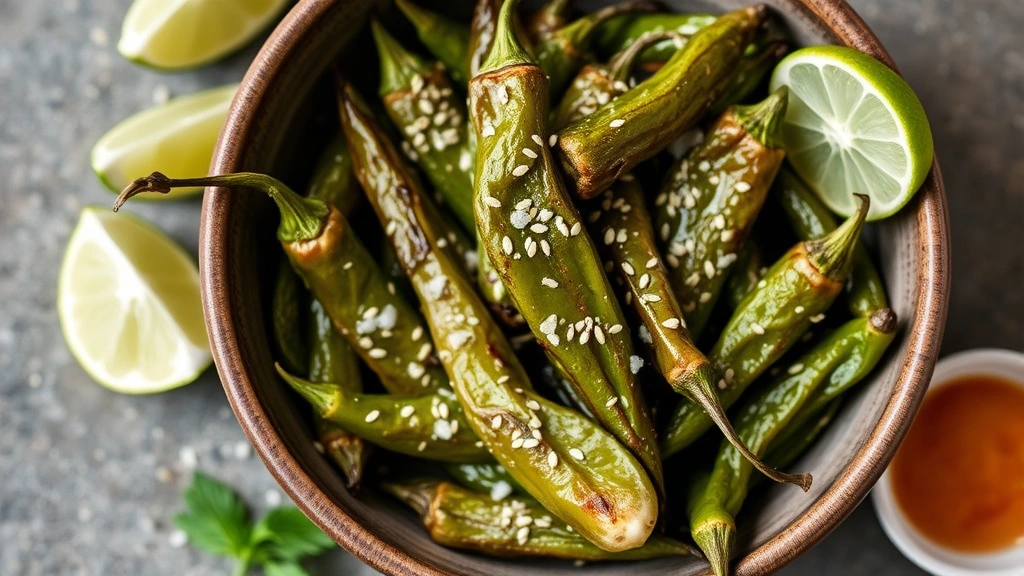
Asian-Inspired Variations: Finish your peppers with a light drizzle of soy sauce, a squeeze of fresh lime juice, and a sprinkle of sesame seeds. This creates a umami-rich profile that pairs beautifully with Asian cuisine. Alternatively, brush the cooked peppers with a mixture of miso paste thinned with a bit of water, then garnish with thinly sliced scallions and toasted sesame seeds. For a more adventurous approach, toss the peppers with a combination of soy sauce, rice vinegar, minced garlic, and a pinch of red pepper flakes.
Mediterranean Adaptations: Create a Mediterranean version by tossing hot peppers with crumbled feta cheese, fresh herbs like oregano and basil, and a drizzle of quality extra virgin olive oil. A squeeze of fresh lemon juice adds brightness that complements the pepper’s natural sweetness. This variation pairs exceptionally well with grilled proteins and pairs nicely with summer salad recipes for a complete light meal.
Spicy Enhancements: If you prefer more heat, toss the cooked peppers with a drizzle of sriracha, a touch of honey to balance the heat, and a sprinkle of toasted sesame seeds. Alternatively, create a simple hot sauce by combining mayonnaise with sriracha and a bit of lime juice, then serve it as a dipping sauce alongside the peppers. For a smoky variation, finish the peppers with smoked paprika, garlic powder, and a touch of cayenne pepper.
Garlic and Herb Approach: Infuse your cooking oil with minced garlic before adding the peppers, or add it after cooking and toss everything together. Fresh herbs like cilantro, parsley, or basil add brightness and freshness. A combination of minced garlic, fresh thyme, and a squeeze of lemon creates an elegant flavor profile suitable for entertaining.
Honey and Soy Glaze: Mix equal parts soy sauce and honey with a minced garlic clove and a teaspoon of sesame oil. Toss the cooked peppers in this mixture for a sweet and savory variation that’s particularly appealing as a side dish. The honey caramelizes slightly in the heat, creating a glossy coating.
Serving Suggestions and Pairings
Shishito peppers are remarkably versatile and work as appetizers, side dishes, or even main course components. Their ability to complement both light and hearty dishes makes them a valuable addition to your cooking repertoire.
As an Appetizer: Serve your shishito peppers warm or at room temperature as a passed appetizer at dinner parties. The interactive element of the “spicy pepper surprise” makes them a conversation starter. Provide small plates and napkins, as guests will likely want to enjoy multiple peppers. Pair them with cocktails, beer, or crisp white wine for a sophisticated appetizer experience.
As a Side Dish: These peppers complement grilled proteins beautifully. Serve alongside grilled chicken, fish, or beef for a restaurant-quality meal at home. They work particularly well with Asian-inspired mains, Mediterranean dishes, and even traditional American fare. Consider pairing them with chicken and biscuits recipe for an interesting textural contrast.
With Dipping Sauces: Create a dipping sauce station with multiple options. Classic choices include soy sauce mixed with rice vinegar, a spicy mayo made with sriracha and lime, or a simple yuzu-based dipping sauce. These sauces enhance the peppers while allowing guests to customize their experience.
In Grain and Salad Bowls: Chop cooked shishito peppers and incorporate them into grain bowls, salads, or rice dishes. They add a smoky sweetness that elevates simple meals. Their tender texture makes them easy to eat in mixed dishes while their flavor remains distinct and recognizable.
Vegetarian and Vegan Meals: These peppers are naturally plant-based and make an excellent protein-free main component of vegetarian meals. Serve a generous portion alongside roasted vegetables, grains, and legumes for a satisfying, nutritious meal.
Storage and Make-Ahead Tips
Understanding proper storage methods ensures you can enjoy shishito peppers throughout the week and make the most of your preparation time.
Fresh Pepper Storage: Uncooked shishito peppers keep well in the refrigerator for up to two weeks when stored properly. Place them in a paper bag or perforated plastic bag in the crisper drawer. The paper bag helps regulate moisture and prevents them from becoming overly humid. Avoid storing them in sealed plastic bags, which can trap moisture and promote spoilage.
Cooked Pepper Storage: Once cooked and seasoned, shishito peppers keep in an airtight container in the refrigerator for 3-4 days. They can be enjoyed cold directly from the refrigerator or reheated gently in a pan or microwave. When reheating, use low to medium heat to prevent further charring and maintain their tender texture.
Make-Ahead Strategy: You can prepare shishito peppers several hours in advance and serve them at room temperature, which actually allows the flavors to develop and meld beautifully. This makes them an ideal choice for entertaining. Simply cook them in the afternoon, season appropriately, and let them rest covered at room temperature until serving time. If making them more than a few hours ahead, refrigerate and bring to room temperature 15-20 minutes before serving.
Freezing Considerations: While you can freeze cooked shishito peppers, the texture changes significantly upon thawing—they become softer and lose some of their appealing firmness. For this reason, freezing is best reserved for peppers that will be incorporated into cooked dishes like soups, stews, or stir-fries rather than served as a standalone appetizer or side dish.
If you’re planning multiple recipes for a gathering, consider how shishito peppers might complement other dishes. They pair beautifully with healthy snack options for a well-rounded menu that balances fresh vegetables with other nutrients.
Frequently Asked Questions
Are shishito peppers actually spicy?
Most shishito peppers are quite mild, with a heat level around 50-200 Scoville units—significantly less than jalapeños (2,500-8,000 units). However, approximately one in ten peppers contains significantly more capsaicin, creating the characteristic spicy surprise. This unpredictability is part of their charm and makes them exciting to eat.
Can I prepare shishito peppers on a grill?
Absolutely! Grilling shishito peppers produces excellent results. Preheat your grill to medium-high heat, brush the grates with oil, and place peppers directly on the grill. Cook for 3-4 minutes per side until charred and tender. This method imparts a subtle smoky flavor that complements their natural sweetness beautifully.
What’s the best oil for cooking shishito peppers?
Use oils with high smoke points, such as avocado oil (520°F), vegetable oil (450°F), or peanut oil (450°F). These oils can handle the high heat required for proper charring without breaking down or imparting unwanted flavors. Avoid olive oil for the initial cooking, as its lower smoke point makes it unsuitable for high-heat cooking, though it works well as a finishing drizzle.
How do I know when shishito peppers are done cooking?
Shishito peppers are done when they have dark charred spots on multiple sides and feel tender when pierced with a fork. The skin should blister slightly but not be completely blackened. The entire cooking process typically takes 8-12 minutes depending on your heat level and pan size.
Can I stuff shishito peppers?
Yes! Their larger size compared to other peppers makes stuffing possible, though it requires more careful handling. You can create a small slit, remove the seeds, and stuff them with cheese, herbs, or cooked grains. Roast the stuffed peppers in a 400°F oven for 12-15 minutes until the filling is heated through and the pepper skin is tender.
What should I serve with shishito peppers?
These peppers pair beautifully with grilled proteins, grain bowls, salads, and rice dishes. They work equally well as a standalone appetizer or incorporated into larger meals. Consider the overall flavor profile of your meal when deciding on seasonings for the peppers. For weight-conscious preparations, explore foods to avoid for weight loss to balance your menu appropriately.
Where can I buy shishito peppers?
Shishito peppers are increasingly available at most grocery stores, farmers markets, and specialty produce shops. They’re most abundant during late summer and early fall but are available year-round in many regions. If you can’t find them locally, many online specialty food retailers ship fresh peppers directly to your home.
Can I make this recipe without oil?
While oil is essential for proper charring and flavor development, you could use a non-stick spray or cooking spray as a lower-fat alternative. However, this will produce different results—the peppers won’t char as dramatically and may steam rather than sear. For best results, use a small amount of high-quality oil as specified in the recipe.
For culinary inspiration and cooking technique guidance, visit Serious Eats for detailed food science explanations, or explore The International Kitchen for global cooking techniques. Additionally, Lodge Cast Iron offers excellent resources on cast iron cooking, which enhances shishito pepper preparation. For ingredient sourcing and quality information, consult The Spruce Eats, and consider watching top food documentaries to watch in 2025 for deeper culinary knowledge and inspiration.
Mastering this simple shishito pepper recipe opens doors to countless flavor variations and meal possibilities. The combination of minimal preparation time, impressive results, and versatile serving options makes this dish a valuable addition to any cook’s repertoire. Whether you’re preparing a quick weeknight snack or impressing guests at a dinner party, shishito peppers deliver consistent, delicious results that showcase the beauty of simple, quality ingredients prepared with proper technique.


