Best Shishito Peppers? Tried & True Method
Shishito peppers have become a beloved appetizer at restaurants and dinner tables alike, and for good reason. These small, wrinkled Japanese peppers deliver a mild, slightly sweet flavor with just enough heat to keep things interesting. What makes them truly special is their versatility—they’re equally at home as a simple bar snack or as part of an elaborate tapas spread. The beauty of shishito peppers lies in their accessibility and the fact that cooking them requires minimal ingredients and technical skill, making them perfect for both novice cooks and seasoned chefs.
If you’ve never tried shishito peppers before, you’re in for a treat. Most peppers are mild with a pleasant fruity undertone, though occasionally you’ll bite into one with genuine heat—it’s like a delicious surprise built into every batch. The key to unlocking their full potential is understanding the best cooking methods, selecting quality peppers, and knowing exactly how to season them to perfection. This guide will walk you through everything you need to know to create restaurant-quality shishito peppers at home.
What Are Shishito Peppers?
Shishito peppers, scientifically known as Capsicum annuum var. shishito, originate from Japan and have been cultivated there for centuries. The name “shishito” comes from the Japanese word “shishi,” meaning lion, which refers to the wrinkled, lion-like appearance of the pepper’s skin. These peppers are typically 2-4 inches long, with thin walls and a relatively mild heat level ranging from 50 to 200 Scoville Heat Units (SHU). To put this in perspective, a jalapeño measures around 2,500-8,000 SHU, making shishitos significantly milder.
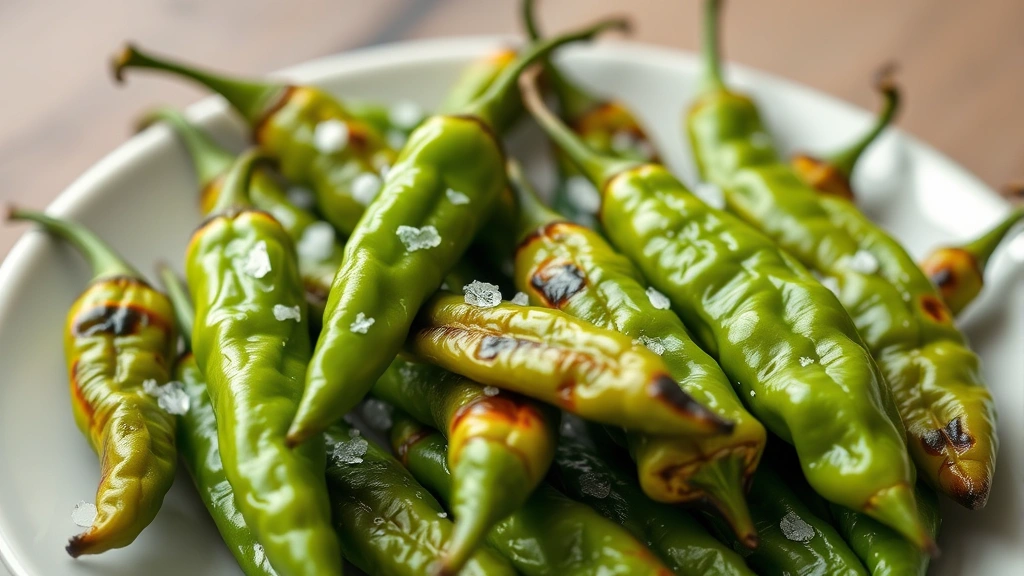
The flavor profile of shishito peppers is what sets them apart from other pepper varieties. They offer a delicate balance of sweetness and slight herbaceousness without overwhelming heat. When cooked properly, the skin becomes slightly charred and blistered, which intensifies the flavor and creates an appealing textural contrast. This cooking method has become so iconic that it’s now the standard preparation in Japanese izakayas and has been adopted by restaurants worldwide.
One fascinating aspect of shishito peppers is the natural variation in heat levels. Agricultural experts suggest that approximately 1 in 10 peppers will have noticeably more heat than the others—a phenomenon that adds an element of culinary roulette to eating them. This unpredictability has made them increasingly popular in social settings, where diners enjoy the interactive experience of discovering which pepper in their batch might pack extra punch.
Selecting and Preparing Your Peppers
The foundation of exceptional shishito pepper dishes begins with selecting the right peppers. When shopping, look for peppers that are firm to the touch with unblemished skin. The color should be a vibrant green, though some peppers may have slight reddish patches, which is completely normal and indicates ripeness. Avoid peppers that appear soft, wrinkled excessively, or have dark spots, as these indicate age or decay.
Fresh shishito peppers are best used within a few days of purchase, though they can be stored in the refrigerator’s crisper drawer for up to two weeks. Before cooking, rinse them under cool running water and pat them completely dry with paper towels. This step is crucial because excess moisture will create steam during cooking, preventing the desired charring and blistering effect. Some cooks prefer to use a clean kitchen towel for more thorough drying.
While not strictly necessary, some chefs like to trim the stem slightly or remove it entirely before cooking. However, leaving the stem intact creates an appealing presentation and makes the peppers easier to handle while eating. The stems are completely edible and won’t affect the flavor of your dish. If you do choose to remove them, use a sharp paring knife and make a clean cut just below the stem base.
The Best Cooking Methods
Several cooking methods can produce delicious shishito peppers, each offering slightly different results and flavor profiles. The most popular methods include pan-searing, grilling, and broiling. Each technique has its advocates, and the best choice depends on your kitchen setup, the number of peppers you’re preparing, and your preferred flavor intensity.
Pan-Searing remains the most accessible and consistent method for home cooks. This technique requires only a hot skillet and a small amount of oil, making it ideal for weeknight cooking. The high heat creates beautiful charring and blistering while keeping the peppers tender inside.
Grilling over direct heat produces peppers with deeper, smoky char marks and a more pronounced grilled flavor. This method works wonderfully when you’re already firing up the grill for other dishes. Grilled shishitos pair beautifully with grilled proteins and can elevate your summer entertaining.
Broiling offers a quick alternative that delivers excellent results. Place peppers on a baking sheet, brush lightly with oil, and broil on high for 5-8 minutes, stirring occasionally. This method is particularly useful when preparing larger quantities and requires less active monitoring than pan-searing.
Classic Pan-Searing Technique
The pan-searing method is the gold standard for cooking shishito peppers and is the technique used in most Japanese restaurants. Here’s the step-by-step process to achieve perfect results every single time.
Ingredients:
- 1 pound fresh shishito peppers
- 2 tablespoons high-heat cooking oil (vegetable, canola, or avocado oil)
- Sea salt to taste
- Optional: 1 tablespoon soy sauce, 1 teaspoon sesame oil, lime wedges
Instructions:
- Prepare your workspace. Ensure your peppers are completely dry and your cooking oil is within arm’s reach. Have a plate lined with paper towels ready for finished peppers.
- Heat your skillet. Use a large skillet (12-14 inches is ideal) and heat it over medium-high to high heat for 2-3 minutes. The skillet should be hot enough that a drop of water immediately sizzles and evaporates. This temperature is critical for achieving proper charring without cooking the peppers too quickly.
- Add oil to the hot skillet. Pour the cooking oil into the heated skillet. It should shimmer and move freely across the surface within seconds. Swirl to coat the entire cooking surface.
- Add peppers in a single layer. Carefully place the peppers in the skillet, arranging them in a single layer. Don’t overcrowd the pan—you want them to have direct contact with the hot surface. If necessary, cook in batches rather than steaming them in a crowded skillet.
- Cook without moving. Let the peppers sit undisturbed for 2-3 minutes. Resist the urge to stir or move them around. This stationary cooking time allows the skin to blister and char beautifully. You’ll hear them sizzle and smell a wonderful toasted aroma.
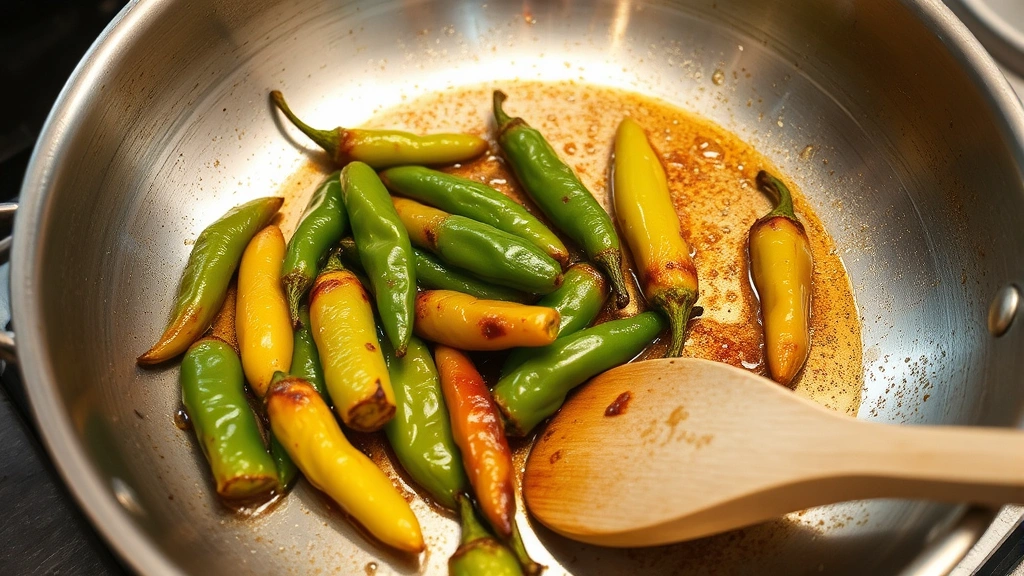
- Stir and continue cooking. Use a wooden spoon or spatula to stir the peppers, rotating them to expose different sides to the heat. Cook for another 2-3 minutes, stirring occasionally, until all sides have developed blistered, charred patches. The peppers should look slightly wrinkled and have dark spots across their surface.
- Season immediately. Transfer the peppers to your paper towel-lined plate and sprinkle generously with sea salt while they’re still hot. The heat will help the salt adhere better and distribute evenly.
- Optional finishing touches. For a more complex flavor, drizzle with a small amount of soy sauce and sesame oil. Fresh lime juice adds brightness and acidity that complements the peppers’ natural sweetness.
The entire cooking process should take 5-7 minutes from start to finish. Don’t be alarmed if the peppers look quite dark and blistered—this is exactly what you want. The charred exterior contrasts beautifully with the tender, slightly sweet interior.
Seasoning and Flavor Combinations
While simple sea salt is the traditional and often preferred seasoning for shishito peppers, creative cooks have developed numerous flavor variations that expand the culinary possibilities. Understanding how different seasonings interact with the peppers’ natural flavor helps you create combinations that suit your meal and preferences.
Classic Japanese-Style Seasoning: Combine sea salt with a light drizzle of soy sauce and a few drops of sesame oil. This combination honors the peppers’ Japanese heritage and adds umami depth. Some chefs add a pinch of shichimi togarashi (Japanese seven-spice blend) for subtle heat and complexity.
Mediterranean Approach: Toss warm peppers with good quality olive oil, minced garlic, fresh lemon juice, and oregano. This preparation transforms the peppers into a Mediterranean-inspired dish that pairs beautifully with grilled fish or as part of a mezze board alongside your favorite complementary appetizers.
Asian Fusion Blend: Create a glaze using equal parts soy sauce and honey with a splash of rice vinegar, minced ginger, and a touch of sriracha. Toss the hot peppers in this mixture for a sweet-spicy-savory combination that’s absolutely addictive.
Smoky Spanish Style: Season with smoked paprika, garlic powder, and a squeeze of fresh lime juice. This preparation evokes Spanish tapas traditions and pairs wonderfully with jamón ibérico or manchego cheese.
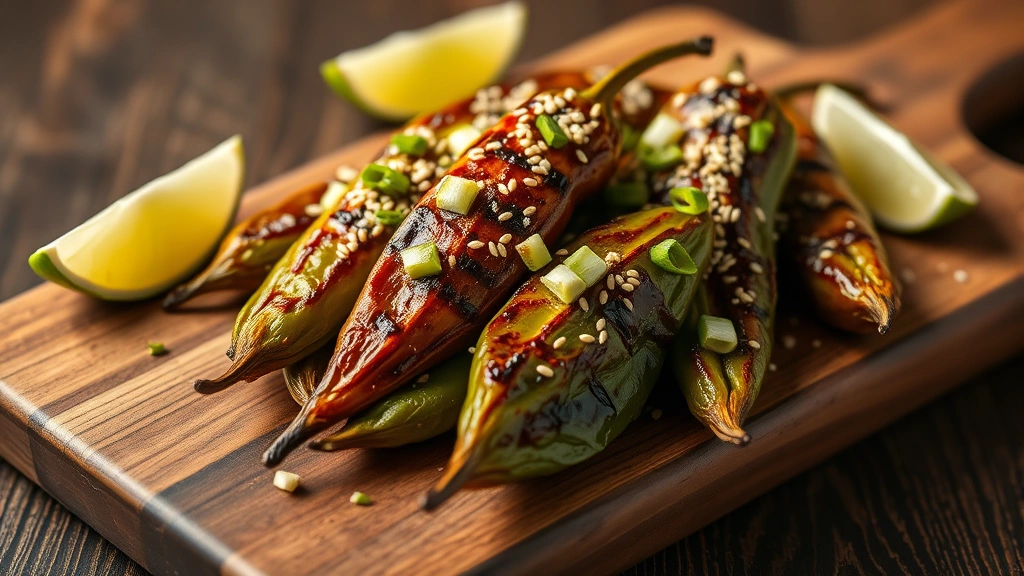
Spicy Korean-Inspired: Mix gochujang (Korean red chili paste) with honey and a little water to create a thin sauce. Toss the cooked peppers in this mixture and top with toasted sesame seeds and sliced green onions for a dish with serious depth and heat.
Herb Garden Fresh: While the peppers are still warm, toss them with minced fresh basil, mint, and cilantro along with a light coating of olive oil and a squeeze of lime. This preparation celebrates the peppers’ delicate flavor and creates a vibrant, refreshing appetizer.
The key to successful seasoning is adding flavoring while the peppers are still hot, as the heat helps flavors penetrate and distribute more evenly. Additionally, don’t oversalt initially—you can always add more, but you cannot remove excess salt once it’s been distributed.
Serving and Storage Tips
Shishito peppers are best served immediately after cooking, while they still retain their warmth and the skin maintains its optimal texture. However, they can be served at room temperature and are still delicious. This flexibility makes them perfect for entertaining, as you can prepare them ahead without sacrificing quality.
Serving Suggestions: Present shishito peppers as an appetizer with small bowls of dipping sauce such as ponzu, sriracha mayo, or a simple yogurt-based ranch. They work beautifully as part of a vegetable-forward appetizer platter alongside fresh vegetables, cheeses, and cured meats. For a more substantial application, add them to rice bowls, noodle dishes, or alongside grilled proteins as a vegetable component.
For entertaining, consider setting up a shishito pepper station where guests can select their preferred seasoning or sauce. This interactive approach adds an element of fun to your gathering. You might also pair them with complementary dishes like snack-style appetizers or serve them as part of an Asian-inspired tasting menu.
Storage Guidelines: Leftover cooked shishito peppers can be stored in an airtight container in the refrigerator for up to three days. They’ll lose some of their textural appeal as they sit, but the flavor remains excellent. You can enjoy them cold straight from the refrigerator or gently reheat them in a skillet over medium heat for a few minutes to restore some of the original texture.
For longer storage, cooked shishitos can be frozen for up to three months. However, note that freezing will significantly alter the texture, making them better suited for applications where texture is less critical, such as mixed into grain bowls or incorporated into cooked dishes. Raw peppers can be frozen whole and will keep for several months, though they’ll develop a softer texture when thawed and are best used in cooked applications rather than fresh preparations.
Make-Ahead Strategies: If you’re planning to serve shishito peppers at a gathering, cook them up to four hours ahead and store them at room temperature in a covered container. Just before serving, you can refresh them in a hot skillet for a minute or two to restore some warmth and texture, or serve them at room temperature with your chosen seasonings and sauces on the side.
For meal prep purposes, you can clean and dry your peppers the night before cooking, storing them in the refrigerator. This preparation step eliminates the biggest time commitment and allows you to cook the peppers quickly whenever you’re ready to eat.
FAQ
Are shishito peppers spicy?
Shishito peppers are generally mild, ranging from 50-200 Scoville Heat Units. Most peppers are quite gentle, though approximately 1 in 10 will have noticeably more heat. They’re much milder than jalapeños or serrano peppers, making them suitable for heat-sensitive diners.
Can I cook shishito peppers in the oven?
Yes, broiling is an excellent oven method. Toss peppers with oil, spread on a baking sheet, and broil on high for 5-8 minutes, stirring halfway through. You can also roast them at 450°F for 12-15 minutes, though this produces less dramatic charring than broiling or pan-searing.
What’s the best oil for cooking shishito peppers?
Use high-heat cooking oils like vegetable oil, canola oil, or avocado oil. These oils have high smoke points (400°F+) and won’t break down at the high temperatures required for proper charring. Avoid olive oil for the initial cooking, though it’s excellent for finishing drizzles.
How do I know when shishito peppers are done cooking?
Shishito peppers are done when they develop blistered, charred patches across their surface and are tender when pierced with a fork. The entire process typically takes 5-7 minutes. The skin should look wrinkled and have dark spots, but the pepper inside should still have some firmness.
Can I prepare shishito peppers in advance for a party?
Absolutely. Cook them up to four hours ahead and store at room temperature in a covered container. Add seasonings just before serving, or provide seasonings and sauces on the side for guests to customize. You can also briefly reheat them in a hot skillet just before serving.
What’s the difference between shishito and padron peppers?
While similar in size and appearance, padron peppers (from Spain) tend to be slightly smaller and have a more herbaceous flavor. Both are mild with occasional hot peppers, and both are cooked using similar methods. The main difference is culinary tradition—shishitos are Japanese while padrons are Spanish.
Do I need to remove the seeds from shishito peppers?
No, the seeds are edible and contribute to the overall flavor. Many people enjoy them as part of the eating experience. If you prefer to remove them, you can halve the peppers and scrape out the seeds with a small spoon, though this is more work than necessary for most applications.
How many shishito peppers should I prepare per person?
Plan for 4-6 peppers per person as an appetizer, or 8-10 peppers if they’re the main vegetable component of your meal. The exact amount depends on what else you’re serving and your guests’ appetites. It’s always better to prepare slightly more, as leftover cooked peppers are delicious and versatile.


