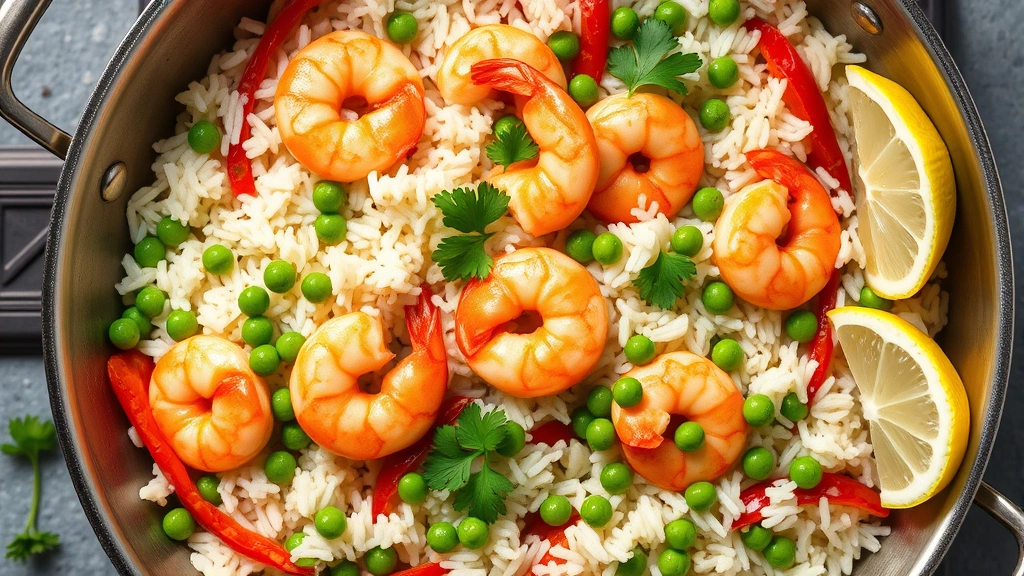
Easy Shrimp & Rice Dish: A Family Favorite Recipe That’s Simple & Delicious
Looking for shrimp recipes with rice that’ll impress your family without keeping you in the kitchen for hours? This easy shrimp and rice dish is exactly what you need. It combines tender, succulent shrimp with fluffy rice, fresh vegetables, and a savory sauce that brings everything together in about 30 minutes. Whether you’re a seasoned home cook or just starting your culinary journey, this recipe is forgiving, flexible, and absolutely foolproof.
The beauty of shrimp and rice dishes lies in their versatility. You can serve them as a weeknight dinner, impress guests at a casual gathering, or even pack leftovers for lunch the next day. This particular recipe has become a family favorite in countless households because it balances nutrition, flavor, and convenience perfectly. The shrimp cooks quickly, the rice absorbs all those delicious flavors, and you’ll have a restaurant-quality meal on your table faster than you can order takeout.
In this comprehensive guide, we’ll walk through everything you need to know about making this stunning dish, from selecting the best shrimp to mastering the cooking technique. You’ll also discover helpful tips, variations, and answers to common questions that will make you confident in the kitchen every single time.
Ingredients You’ll Need
For this easy shrimp and rice dish, you’ll want to gather quality ingredients. The good news is that most of these items are pantry staples or readily available at any grocery store. Here’s what you’ll need to create this family favorite:
- 1 pound large shrimp (peeled and deveined, fresh or thawed frozen)
- 2 cups long-grain white rice (jasmine or basmati work beautifully)
- 3 cups chicken or seafood broth (low-sodium preferred)
- 1 medium onion (diced finely)
- 3 cloves garlic (minced fresh)
- 1 red bell pepper (diced)
- 1 cup frozen peas (or fresh if available)
- 3 tablespoons butter (divided)
- 2 tablespoons olive oil
- 1 teaspoon paprika (smoked paprika adds depth)
- ½ teaspoon garlic powder
- ½ teaspoon red pepper flakes (optional, for heat)
- Salt and black pepper (to taste)
- 2 tablespoons fresh lemon juice
- Fresh parsley (chopped, for garnish)
When selecting your shrimp, look for firm, translucent flesh with no ammonia smell. Size matters too—larger shrimp are easier to cook evenly and look more impressive on the plate. If you’re buying frozen shrimp, thaw them overnight in the refrigerator for best results.
Preparation & Mise en Place
Proper preparation is the secret to stress-free cooking. The French culinary term “mise en place,” which means “everything in its place,” is absolutely essential when making shrimp and rice dishes. Here’s how to set yourself up for success:
- Prep your shrimp: Pat them dry with paper towels and place them in a bowl. Season with salt, pepper, and paprika. Let them sit at room temperature for 10 minutes—this helps them cook evenly.
- Dice your vegetables: Chop the onion, mince the garlic, dice the bell pepper, and measure out the peas. Place each in its own small bowl.
- Measure your liquids: Pour the broth into a measuring cup and have the lemon juice ready nearby.
- Prepare garnishes: Chop fresh parsley and set aside. You might also want to slice a lemon into wedges for serving.
- Gather all equipment: Have a large skillet or rice cooker ready, a wooden spoon for stirring, and a sharp knife for any last-minute chopping.
This preparation step typically takes about 10-15 minutes but saves you from scrambling during cooking. Professional chefs swear by mise en place, and once you adopt this practice, you’ll notice your cooking becomes faster and more enjoyable.
Step-by-Step Cooking Method
Now comes the fun part—actually making your delicious shrimp and rice dish. Follow these steps carefully, and you’ll have a gorgeous meal ready in under 30 minutes.
Step 1: Sauté the Aromatics
Heat 1 tablespoon of butter and 1 tablespoon of olive oil in a large skillet over medium heat. Once the butter foams, add your diced onion and cook for 3-4 minutes, stirring occasionally, until it becomes translucent and fragrant. Add the minced garlic and cook for another 30 seconds—you want it aromatic but not browned.
Step 2: Toast the Rice
Add your rice to the pan and stir constantly for 2-3 minutes. This toasting step is crucial because it helps each grain stay separate and adds a subtle nutty flavor. You’ll notice the rice becomes slightly opaque and smells wonderfully fragrant.
Step 3: Add Broth and Simmer
Pour in your broth carefully (it may bubble), and add the diced bell pepper. Stir well to combine. Bring the mixture to a boil, then reduce heat to low. Cover the skillet with a lid and let it simmer for 15-18 minutes, until the rice is tender and the liquid is absorbed. Don’t peek too often—this disrupts the cooking process.
Step 4: Cook the Shrimp
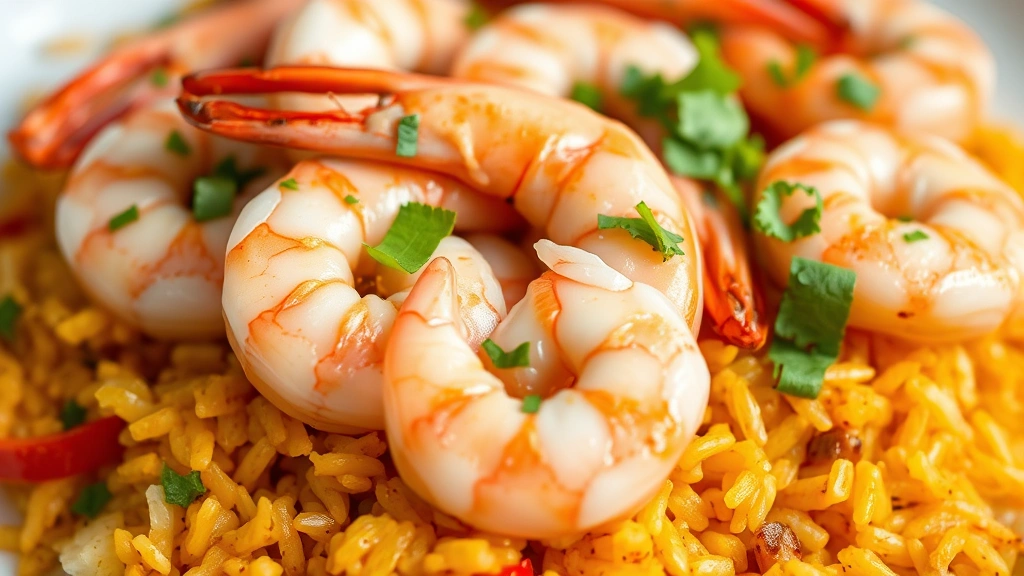
While the rice is cooking, heat the remaining 2 tablespoons of olive oil in a separate skillet over medium-high heat. Once it shimmers, carefully add your seasoned shrimp. Cook for 2-3 minutes per side until they turn pink and opaque. Don’t overcrowd the pan—work in batches if necessary. Season with additional salt and pepper to taste.
Step 5: Combine Everything
When the rice is done, remove it from heat and let it rest for 2 minutes. Add the cooked shrimp, frozen peas, and fresh lemon juice to the rice. Gently fold everything together with a fork, being careful not to break the shrimp. Taste and adjust seasonings as needed.
Step 6: Serve and Garnish
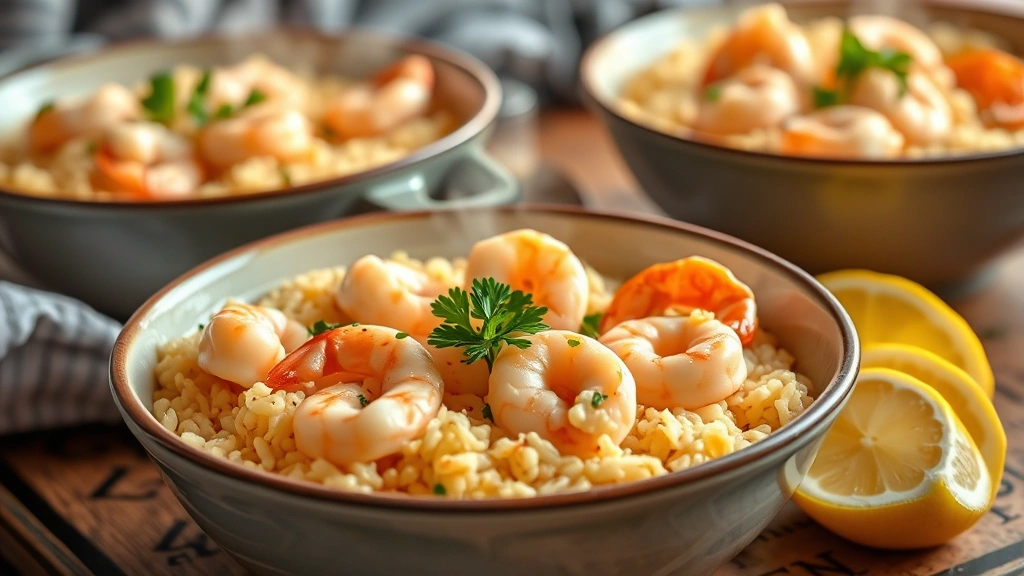
Transfer your shrimp and rice to serving bowls or a large platter. Garnish generously with fresh parsley and a squeeze of lemon juice. Serve immediately while everything is warm and the flavors are at their peak.
Pro Tips & Tricks
Even simple recipes benefit from insider knowledge. Here are professional tips that will elevate your shrimp and rice dish from good to absolutely spectacular:
- Don’t overcook the shrimp: Shrimp cook incredibly quickly—just 2-3 minutes per side. Overcooked shrimp becomes rubbery and unpleasant. They should be opaque and slightly firm to the touch.
- Use fresh garlic: Jarred minced garlic won’t give you the same depth of flavor. Fresh garlic takes just 30 seconds to mince and makes a noticeable difference.
- Choose the right rice: Long-grain varieties like jasmine or basmati work best because they stay fluffy rather than clumping together. Avoid short-grain rice for this dish.
- Toast your rice: This extra step prevents mushy rice and adds complexity to the flavor profile. It’s a technique used in traditional Spanish paella and pilaf dishes.
- Keep broth warm: Using warm broth instead of cold helps the rice cook more evenly and reduces overall cooking time.
- Pat shrimp dry: Moisture on the shrimp prevents proper browning. A quick pat with paper towels makes a significant difference.
- Don’t skip the lemon: Acid brightens all the flavors in the dish. Lemon juice is essential, not optional.
- Taste as you go: Season in layers throughout cooking rather than all at once at the end. This builds more complex, balanced flavors.
Delicious Variations
One of the best things about shrimp and rice dishes is how adaptable they are. Here are several variations you can try based on what you have on hand or what your family prefers:
Spicy Cajun Version
Add 1 teaspoon of Cajun seasoning, increase the red pepper flakes to 1 full teaspoon, and include diced andouille sausage. This transforms your dish into a Louisiana-inspired creation that’s perfect if you love bold, spicy flavors.
Asian-Inspired Variation
Replace the broth with a combination of low-sodium soy sauce and chicken broth. Add fresh ginger, substitute sesame oil for some of the olive oil, and include snap peas instead of regular peas. Garnish with sesame seeds and green onions for authentic Asian flavors.
Creamy Garlic Shrimp Rice
After the rice is cooked, stir in half a cup of heavy cream and an additional 2 tablespoons of butter. This creates a luxurious, restaurant-style dish that feels indulgent but requires minimal extra effort.
Mediterranean Style
Add sun-dried tomatoes, kalamata olives, and fresh basil. Use vegetable broth instead of chicken broth and include crumbled feta cheese on top. This version is lighter and perfect for summer entertaining.
Coconut Lime Variation
Replace half the broth with coconut milk and add lime juice instead of lemon. Include diced mango and fresh cilantro. This tropical version transports your taste buds to a beachside resort.
If you enjoy experimenting with different proteins and flavor combinations, you might also explore chicken carbonara recipe techniques or even high protein low calorie recipes for more culinary inspiration.
Nutritional Information
This easy shrimp and rice dish is not only delicious but also quite nutritious. Per serving (assuming 4 servings total), you’re looking at approximately:
- Calories: 420-450
- Protein: 28-32 grams (shrimp is an excellent lean protein source)
- Carbohydrates: 48-52 grams (primarily from rice)
- Fat: 10-12 grams (mostly from healthy oils and butter)
- Fiber: 3-4 grams (from vegetables)
- Sodium: 600-700mg (if using low-sodium broth)
Shrimp is particularly impressive nutritionally because it’s high in protein, low in calories, and contains beneficial omega-3 fatty acids. The vegetables add vitamins, minerals, and fiber, while the rice provides sustained energy through complex carbohydrates. This is a genuinely balanced meal that satisfies health-conscious eaters and those who simply want delicious food.
For those interested in similar nutritious options, check out healthy food recipes with chicken breast for more protein-packed meal ideas.
FAQ
Can I make this recipe ahead of time?
You can prepare all your ingredients (vegetables, seasonings, shrimp) several hours in advance. However, the dish is best served immediately after cooking. If you must make it ahead, store the rice and shrimp separately in airtight containers and reheat gently before combining. The rice can be reheated in the microwave with a splash of water, and the shrimp can be warmed in a skillet over low heat.
What if I don’t have fresh shrimp?
Frozen shrimp works beautifully for this recipe. Simply thaw them overnight in the refrigerator and pat dry before cooking. The quality difference between fresh and properly thawed frozen shrimp is minimal, and frozen shrimp is often more affordable and convenient.
Can I use brown rice instead of white rice?
Yes, but you’ll need to increase the cooking time to 35-40 minutes and use an additional quarter cup of broth. Brown rice has a nuttier flavor and more fiber, making it a healthier choice. The texture will be slightly chewier than white rice, which some people prefer.
How do I know when the shrimp is done?
Shrimp should turn from translucent gray to opaque pink when fully cooked. The internal flesh should be white throughout with no gray translucent areas remaining. Overcooked shrimp becomes tough and rubbery, so err on the side of slightly underdone rather than overdone. They’ll continue cooking slightly from residual heat after you remove them from the pan.
What’s the best way to store leftovers?
Store any leftovers in an airtight container in the refrigerator for up to 3 days. The shrimp and rice will keep separately or combined. Reheat gently in a skillet over low heat, adding a splash of water or broth to restore moisture. Avoid microwaving if possible, as this can make the shrimp tougher.
Can I double this recipe?
Absolutely! Simply double all the ingredients. If doubling, you may need to use two skillets or cook the shrimp in batches to avoid overcrowding. The cooking times remain approximately the same.
What sides pair well with this dish?
Since this is already a complete meal with protein, carbs, and vegetables, you might simply serve it with a crisp green salad, steamed broccoli, or crusty bread. A crisp white wine like Sauvignon Blanc or Pinot Grigio pairs beautifully with the shrimp and rice.
Is this dish suitable for meal prep?
Yes! You can meal prep the components separately. Cook the rice, cook the shrimp, and prepare the vegetables. Store each component in separate containers and assemble just before eating. This method works better than storing the combined dish because it maintains texture and prevents the rice from absorbing excess moisture.
Can I use a rice cooker for this recipe?
Definitely! You can use a rice cooker for the rice portion. Sauté your aromatics and toast the rice in a separate skillet, then transfer everything to a rice cooker with the broth. This is especially convenient if you’re cooking for a crowd. The rice cooker method is foolproof and frees up your stovetop.
What’s the difference between this and risotto?
While both are rice-based dishes, this shrimp and rice is much simpler than risotto. Risotto requires constant stirring and gradual broth addition, creating a creamy texture. This dish uses the simpler pilaf method—you add all the broth at once and let it cook undisturbed. The result is fluffier rice with distinct grains rather than the creamy consistency of risotto.
For other easy protein-based dishes with similar simplicity and family appeal, consider exploring feta pasta recipe or boursin pasta recipe options.
How can I make this dish more restaurant-quality?
Several techniques elevate this from home-cooked to restaurant-style: use higher-quality shrimp (look for wild-caught rather than farmed if possible), toast your rice properly, finish with fresh herbs and a squeeze of citrus, and plate it thoughtfully with the shrimp arranged on top and parsley sprinkled artfully. Warming your serving bowls before plating also makes a significant visual difference.
This easy shrimp and rice dish truly deserves its reputation as a family favorite. It’s quick enough for busy weeknights, impressive enough for entertaining, and flexible enough to adapt to your preferences and pantry contents. Master this recipe, and you’ll have a go-to meal that impresses everyone at your table. The combination of tender shrimp, fluffy rice, and vibrant vegetables creates a satisfying, nutritious meal that requires minimal effort but delivers maximum flavor. Start cooking today and discover why this dish has become beloved in kitchens everywhere.


