Smoked Meatloaf Recipe: The BBQ Expert’s Complete Guide
Smoking a meatloaf transforms this classic comfort food into something extraordinary. Unlike traditional oven-baked meatloaf, smoking infuses deep, complex flavors from wood smoke while keeping the meat incredibly tender and juicy. This technique bridges the gap between backyard barbecue and home-cooked meals, delivering restaurant-quality results that will impress your family and guests.
Whether you’re a seasoned pitmaster or picking up smoking for the first time, this comprehensive guide walks you through every step of creating the perfect smoked meatloaf. From selecting your meat blend to mastering temperature control, you’ll learn the secrets that transform an ordinary dinner into a memorable meal. The beauty of smoking meatloaf lies in its versatility—you can customize flavors, adjust heat levels, and experiment with different wood types to find your signature recipe.
This smoky take on meatloaf offers high-quality protein in a format that’s easier to portion and serve than whole briskets or ribs. Combined with your favorite sides, smoked meatloaf becomes the centerpiece of a complete barbecue feast that satisfies even the most dedicated carnivores.
Why Smoke a Meatloaf?
Smoking meatloaf offers distinct advantages over traditional cooking methods. The low-and-slow approach renders fat slowly, creating an incredibly moist final product that stays tender even when sliced. Traditional oven baking can sometimes dry out meatloaf, but smoke cooking maintains moisture throughout the entire loaf.
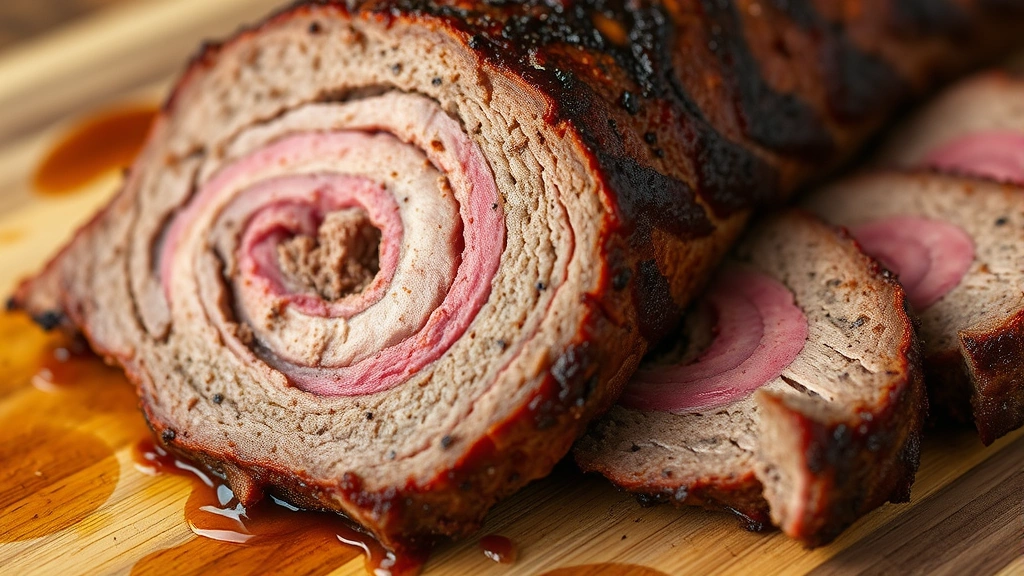
The smoke ring—that pink layer just below the surface—develops through chemical reactions between wood smoke compounds and meat proteins. This visual indicator of quality smoking also contributes unique flavors that you simply cannot achieve in an oven. When combined with a caramelized exterior and smoky bark, you get layers of flavor complexity that elevate meatloaf from weeknight dinner to special occasion fare.
Smoking also allows for better temperature precision. Using a reliable thermometer, you can cook meatloaf to exact doneness without guesswork. This consistency means perfectly cooked meatloaf every single time. Additionally, smoked meatloaf pairs beautifully with your favorite barbecue sides and sauces, creating a complete outdoor dining experience.
Essential Equipment and Setup
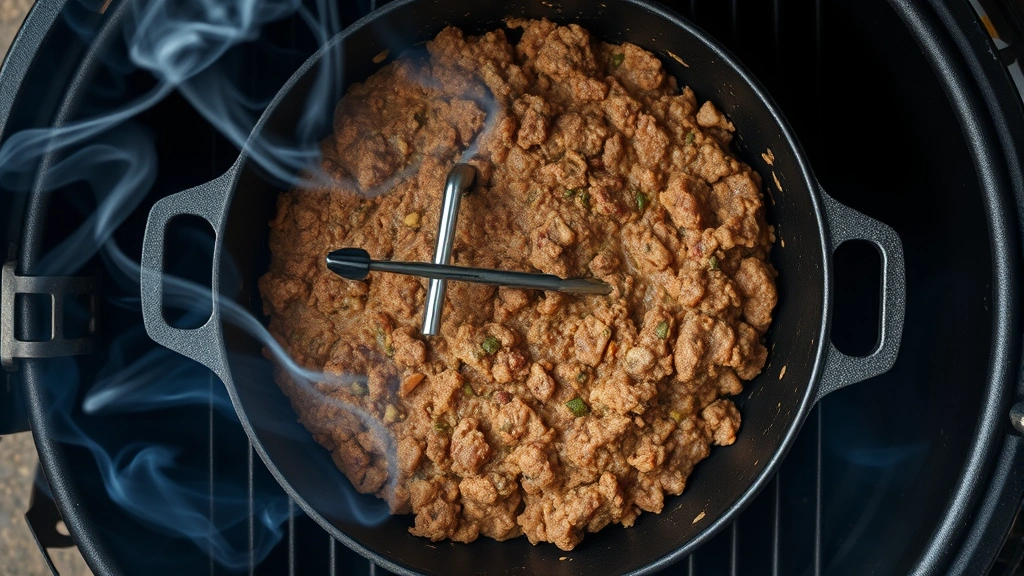
Your smoker is the foundation of success. Any smoker style works—offset barrel smokers, vertical drum smokers, or pellet smokers all produce excellent results. The key is maintaining consistent temperature and smoke production throughout the cook. If you’re new to smoking, consider starting with Amazing Ribs’ comprehensive smoker guides for equipment recommendations.
Temperature Control Equipment: Invest in a quality meat thermometer with dual probes—one for monitoring chamber temperature and one for tracking internal meat temperature. Digital wireless thermometers allow you to monitor progress without opening the smoker, which maintains consistent heat. Aim for maintaining 225-250°F throughout the cook for optimal results.
Smoking Surface: Use a loaf pan, cast iron skillet, or aluminum foil-lined tray to hold your meatloaf mixture. Many pitmasters prefer cast iron for even heat distribution and superior smoke absorption. If using aluminum, poke drainage holes to allow rendered fat to escape.
Wood Selection: Different woods impart different flavors. Hickory provides strong, bacon-like smoke. Oak offers milder, sweeter notes. Fruitwoods like apple and cherry add subtle sweetness without overpowering the meat. Avoid softwoods and treated wood, which create acrid smoke. Start with hickory or oak if you’re unsure—these classic choices work beautifully with beef-based meatloaf.
Additional Tools: Keep a water pan in your smoker to regulate temperature and add humidity. Have tongs, a meat fork, and a cutting board ready for handling your finished meatloaf. A spray bottle with apple juice or cider vinegar helps maintain moisture if the exterior begins drying excessively.
Ingredient Selection and Preparation
Quality ingredients directly impact your smoked meatloaf’s final flavor and texture. Begin with fresh, high-quality ground meat. Most traditional meatloaves use a beef and pork blend, though you can explore all-beef versions or add ground lamb for complexity.
Meat Selection: Choose ground beef with 15-20% fat content—too lean and your meatloaf becomes dry; too fatty and it becomes greasy. Ground pork adds juiciness and helps bind ingredients. A 2:1 beef-to-pork ratio creates excellent balance. If you’re focused on high protein recipes for weight loss, you can increase the beef ratio and reduce pork, though this requires adding binding ingredients like egg to maintain moisture.
Binders and Fillers: Breadcrumbs, crushed crackers, or panko absorb moisture and help hold the loaf together. Soak breadcrumbs in milk before mixing—this creates a paste that distributes evenly and keeps everything moist. Use about one cup of breadcrumbs per two pounds of meat. Eggs act as additional binders; two large eggs per two pounds of meat works well.
Aromatics and Seasonings: Finely mince onions and garlic, then sauté them briefly before mixing into the meat. This develops their flavors and prevents sharp, raw notes in your finished loaf. Consider using quality steak seasoning as your base, then customize with additional spices. Worcestershire sauce, soy sauce, and hot sauce add umami depth.
Preparing Your Ingredients: Keep all ingredients cold until mixing. Cold meat mixes more evenly and binds better. Don’t overmix—excessive handling develops gluten in the breadcrumbs and can make meatloaf tough. Mix just until ingredients are evenly distributed, then stop.
Building Your Perfect Meatloaf Mix
Creating the ideal meatloaf mixture requires balancing flavors and textures. Start with your base: two pounds ground beef and one pound ground pork provides excellent ratio for smoking.
Classic BBQ Meatloaf Recipe:
- Two pounds ground beef (80/20 blend)
- One pound ground pork
- One cup panko breadcrumbs
- One-half cup whole milk
- Two large eggs
- One medium onion, finely minced
- Four garlic cloves, minced
- Three tablespoons Worcestershire sauce
- Two tablespoons soy sauce
- One tablespoon smoked paprika
- One tablespoon brown sugar
- Two teaspoons black pepper
- Two teaspoons kosher salt
- One teaspoon cayenne pepper (optional)
- One-half teaspoon dry mustard powder
Mixing Instructions: Combine breadcrumbs and milk in a large bowl, letting them sit for five minutes until fully absorbed. Add eggs and whisk together. Pour in Worcestershire sauce and soy sauce, stirring to combine. Add all dry seasonings and mix thoroughly. Finally, add ground meats and fold gently until just combined. Avoid aggressive mixing that develops toughness.
Flavor Variations: For a sweeter profile, add one-half cup barbecue sauce to your mixture along with one tablespoon maple syrup. For spicier versions, increase cayenne to one teaspoon and add one-half teaspoon chipotle powder. Some pitmasters add one-half cup finely chopped bacon to their mix for additional smokiness and richness.
Once your mixture is ready, gently pack it into your prepared pan or mold. Don’t compress too firmly—leave some air pockets for smoke penetration. Shape it into a loaf about six inches wide and four inches tall for even cooking.
Smoking Techniques and Temperature Control
Proper smoking technique transforms your meatloaf from good to exceptional. Begin by preheating your smoker to 225°F. Maintain this temperature throughout the cook for optimal smoke ring development and even cooking.
Initial Setup: Place your meatloaf on the smoker grates, positioning it away from direct heat if your smoker has hot spots. Insert your meat thermometer probe into the thickest part of the loaf, aiming for the center. Avoid touching fat deposits, as these read higher than actual meat temperature.
Smoke Production: Add your chosen wood to create steady, thin blue smoke. Thick white smoke indicates incomplete combustion and creates acrid flavors—adjust your fire management to achieve thin, wispy smoke. If using a pellet smoker, set it to your desired temperature and let it maintain automatically.
Cooking Timeline: Expect your meatloaf to take two to three hours to reach target internal temperature of 160°F. Cooking time varies based on loaf size, smoker type, and ambient temperature. At approximately ninety minutes, you can apply a glaze or sauce to the top if desired. Bon Appétit’s cooking guides provide additional insights into temperature management.
The Stall: Around 145-150°F, you may experience a stall where temperature plateaus for thirty minutes or longer. This is normal—the meat is evaporating moisture, which cools it. Resist the urge to increase temperature. Either wait it out or wrap your meatloaf loosely in foil to push through the stall more quickly.
Moisture Management: If your meatloaf’s exterior begins drying excessively, spray it lightly with apple juice every thirty minutes. This adds moisture and helps develop bark. Don’t oversaturate—just a light misting prevents drying without creating soggy exterior.
Creating the Signature Bark
Bark is the flavorful, textured crust that develops on smoked meats. Creating excellent bark on meatloaf requires a combination of smoke exposure, proper seasoning, and surface treatment.
Bark Formation Process: The first hour establishes your smoke ring through chemical reactions between smoke compounds and meat proteins. Continue smoking without interruption during this crucial period. After one hour, you can begin applying glaze if desired. The sugars in barbecue sauce, brown sugar, or honey caramelize under heat, creating a dark, flavorful crust.
Glaze Application: Mix your favorite barbecue sauce with one tablespoon honey and one tablespoon butter, then brush lightly over the top of your meatloaf at the ninety-minute mark. Reapply every thirty minutes for the remaining cook time. This builds layers of glaze and creates impressive color and flavor.
Alternative Bark Treatments: Some pitmasters skip sauce entirely, instead creating bark through seasoning and smoke exposure alone. A dry rub of smoked paprika, brown sugar, garlic powder, and black pepper applied before smoking creates excellent bark without sauce. Others finish with a light brush of butter and fresh cracked pepper in the final thirty minutes.
Bark Characteristics: Ideal bark should be dark brown to nearly black, with a slightly crusty texture that contrasts with tender meat inside. It should pull away slightly from the meat when sliced, indicating proper development. If your bark is light colored, increase smoke exposure or extend cooking time slightly.
Slicing and Serving Your Masterpiece
Proper resting and slicing technique preserves all the moisture and flavor you’ve worked to develop. Remove your meatloaf from the smoker when internal temperature reaches 160°F. Place it on a cutting board and tent loosely with foil.
Resting Period: Allow your meatloaf to rest for ten to fifteen minutes before slicing. This allows juices to redistribute throughout the meat, preventing them from running out when you cut. Skipping this step results in dry slices regardless of cooking technique.
Slicing Technique: Use a sharp, thin-bladed knife, wiping it clean between cuts. Slice perpendicular to the loaf, creating uniform one-half to three-quarter inch thick slices. Thicker slices showcase your smoke ring and bark beautifully while maintaining moisture better than thin slices.
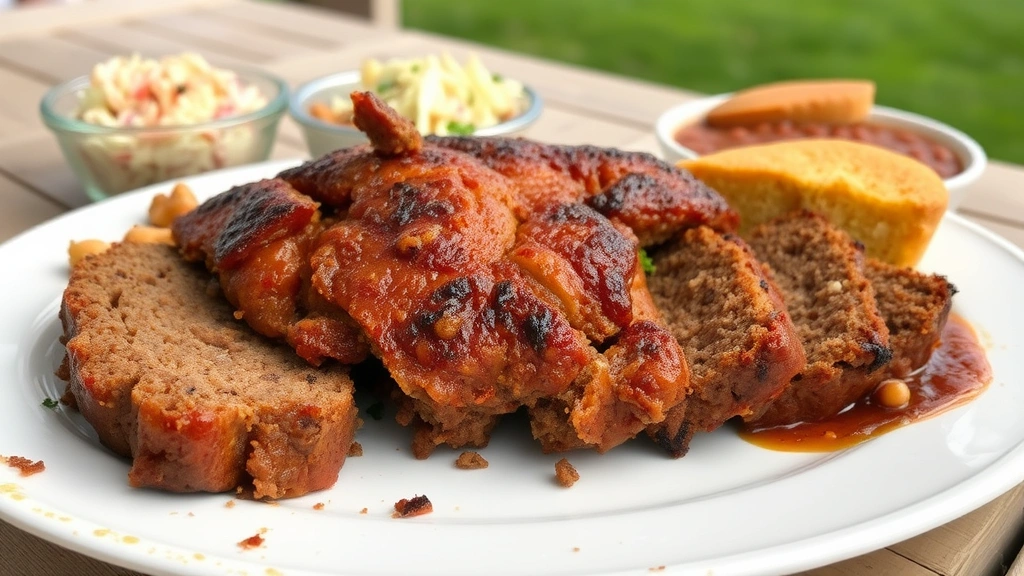
Plating and Presentation: Arrange slices slightly overlapping on a serving platter. Drizzle any pan juices over top. Serve alongside classic barbecue sides like coleslaw, baked beans, cornbread, and pickles. The contrast of cool, creamy sides complements the warm, smoky meatloaf perfectly.
Sauce Options: Serve additional barbecue sauce, spicy mustard, or a tangy vinegar-based sauce on the side. Some guests prefer their meatloaf plain to fully appreciate the smoke flavors, while others love sauce. Offering options accommodates all preferences.
Storage and Reheating Tips
Smoked meatloaf actually improves slightly as flavors meld overnight, making it excellent for meal prep. Store cooled meatloaf in an airtight container in the refrigerator for up to four days.
Refrigeration: Let your cooked meatloaf cool to room temperature before refrigerating—placing hot food directly in the refrigerator affects food safety and raises appliance temperature. Slice before storing for easier reheating and portioning.
Freezing: Smoked meatloaf freezes beautifully for up to three months. Wrap individual slices in plastic wrap, then place in freezer bags to prevent freezer burn. Label with date and contents. This creates convenient grab-and-reheat meals for busy weeknights.
Reheating Methods: For best results, reheat in your smoker at 225°F until warmed through, which takes about thirty minutes for refrigerated slices. This gently warms meat while preserving moisture. Alternatively, wrap slices in foil and heat in a 350°F oven for fifteen to twenty minutes. Microwave reheating works but can dry out meatloaf—use low power and short intervals if necessary.
Creative Repurposing: Leftover smoked meatloaf transforms into delicious sandwiches. Slice thickly, toast bread, and add your favorite toppings and condiments. Crumble cold meatloaf into salads or pasta dishes for added protein. You can also dice it and mix into instant pot recipes for quick, flavorful meals. Consider preparing smoked meatloaf specifically for fall gatherings by checking out seasonal fall recipes that incorporate smoked meats.
FAQ
What internal temperature should smoked meatloaf reach?
Ground meat must reach 160°F throughout to ensure food safety. Use an instant-read thermometer inserted into the thickest part of the loaf, avoiding fat deposits. Once it reaches 160°F, your meatloaf is safe to eat and properly cooked.
Can I smoke meatloaf in an electric smoker?
Yes, absolutely. Electric smokers maintain consistent temperature and are excellent for beginners. Follow the same basic process, adjusting smoking time slightly as needed. Electric smokers often cook slightly faster than offset smokers due to better insulation and heat management.
How do I prevent my meatloaf from drying out?
Use the proper meat blend with adequate fat content, incorporate milk-soaked breadcrumbs, and avoid overmixing. Additionally, don’t cook beyond 160°F—the carryover heat will bring temperature up slightly after removal. Resting is crucial; it allows juices to redistribute. Finally, avoid opening your smoker frequently, which causes temperature fluctuations.
What’s the best wood for smoking meatloaf?
Hickory and oak are excellent all-purpose choices that pair well with beef and pork. Hickory provides stronger bacon-like smoke, while oak is milder and slightly sweeter. Fruitwoods like apple add subtle sweetness. Avoid mesquite, which can overpower meatloaf’s delicate flavors. Many pitmasters blend two wood types for complexity.
Can I add vegetables to my meatloaf mixture?
Yes, finely minced vegetables like bell peppers, mushrooms, or zucchini work well. However, dice them very small and cook slightly before mixing to prevent excess moisture. Too much vegetable moisture can make your meatloaf fall apart. Keep vegetables to less than one cup per three pounds of meat.
Should I use a loaf pan or shape the meatloaf freeform?
Both methods work, but loaf pans keep your meatloaf compact and uniform, promoting even cooking and easier handling. Freeform meatloaves expose more surface area to smoke, potentially developing better bark. For beginners, pans are easier; experienced cooks often prefer freeform shapes for maximum smoke exposure.
How long does smoking meatloaf take compared to oven baking?
Smoking takes two to three hours at 225°F, while oven baking at 350°F takes about one hour. The slower smoking process allows deeper smoke penetration and more even cooking, but requires more time investment. The superior flavor justifies the extended cooking time for most pitmasters.


