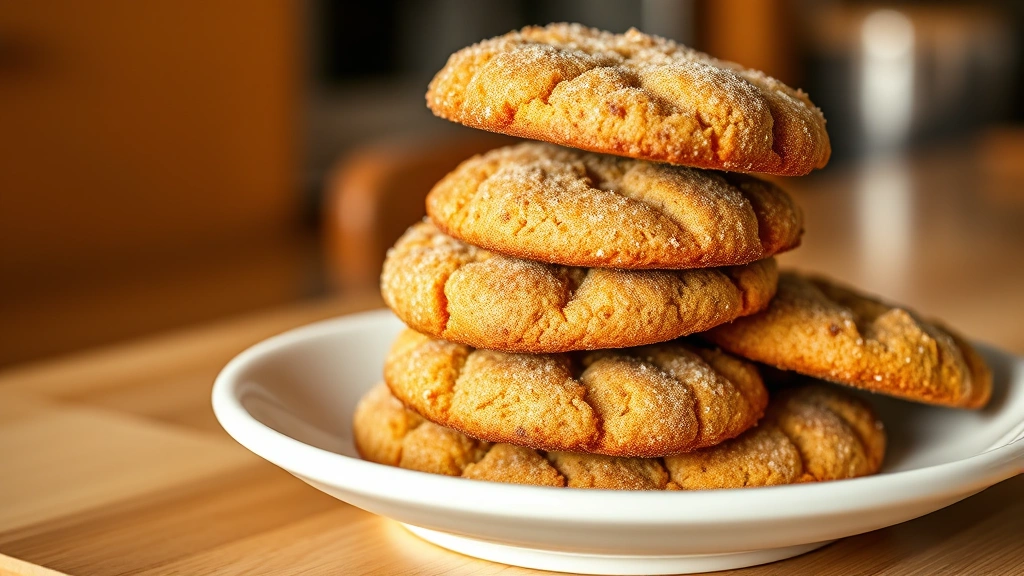
Snickerdoodle Delight? No Cream of Tartar Needed!
Snickerdoodles are a beloved classic cookie that many home bakers assume requires cream of tartar to achieve that signature tangy flavor and tender crumb. But here’s the delicious truth: you can make absolutely stunning snickerdoodles without cream of tartar! Whether you’ve run out of this ingredient, can’t find it at your local store, or simply prefer to work with pantry staples you already have on hand, this comprehensive guide will show you exactly how to create bakery-quality snickerdoodles using accessible substitutes.
The magic of snickerdoodles lies not in a single ingredient, but in understanding how different components work together to create texture, flavor, and that delightful cinnamon-sugar coating. By learning these fundamental baking principles, you’ll become confident enough to adapt recipes based on what you have available, making you a more flexible and creative baker.
Understanding Cream of Tartar’s Role
Before we jump into substitutes, let’s understand why cream of tartar appears in snickerdoodle recipes in the first place. Cream of tartar is an acidic powder derived from grapes during the winemaking process. In baking, it serves several important functions: it reacts with baking soda to create lift and rise, it stabilizes egg whites, and it adds a subtle tang to cookies.
In traditional snickerdoodle recipes, cream of tartar combines with baking soda to create carbon dioxide bubbles, which makes cookies lighter and airier. The acid also helps create a tender crumb structure by interfering with gluten development. Additionally, cream of tartar contributes a faint vinegary note that enhances the cinnamon-sugar flavor profile.
The good news? You can replicate these functions using ingredients already in your kitchen. The key is understanding that you need an acid to react with baking soda, and you need to maintain the right balance of leavening agents to achieve that perfect snickerdoodle texture.
Best Substitutes for Cream of Tartar
Lemon juice or lemon zest is perhaps the most accessible substitute for cream of tartar. The citric acid in fresh lemon juice creates the same chemical reaction with baking soda. Use one teaspoon of lemon juice for every half teaspoon of cream of tartar called for in your recipe. Alternatively, use about one-quarter teaspoon of lemon zest per half teaspoon of cream of tartar. The bonus? You’ll get an interesting flavor dimension that complements cinnamon beautifully.
Vinegar serves as an excellent acid substitute, though you’ll want to use white vinegar or apple cider vinegar rather than balsamic or red wine varieties. The acidity level is comparable to cream of tartar. Use one teaspoon of vinegar for every half teaspoon of cream of tartar. The vinegar will evaporate during baking, leaving behind the chemical benefits without an overpowering taste.
Buttermilk or yogurt can replace cream of tartar when you also adjust your recipe’s liquid content. These dairy products contain lactic acid, which reacts with baking soda similarly to cream of tartar. If your recipe calls for regular milk, simply substitute buttermilk in equal amounts. You may need to reduce other liquids slightly since buttermilk is slightly thicker.
Baking powder alone can work as a substitute, though the results differ slightly. Regular baking powder already contains both an acid (usually cream of tartar!) and a base, so you won’t need baking soda. However, you’ll lose some of the signature tangy flavor. If using this method, replace baking soda with triple the amount of baking powder.
Aluminum-free baking powder is gaining popularity among health-conscious bakers. This option provides excellent lift without the metallic aftertaste some people detect in conventional baking powder. It works particularly well for snickerdoodles because it creates a tender crumb.
Complete Recipe Variations
Classic Snickerdoodles Using Lemon Juice
This variation produces cookies with a subtle citrus undertone that enhances the cinnamon-sugar coating beautifully.
Ingredients:
- 2 ¾ cups all-purpose flour
- 1 teaspoon baking soda
- 1 teaspoon lemon juice (or ¼ teaspoon lemon zest)
- ½ teaspoon salt
- ½ cup (one stick) unsalted butter, softened
- ¾ cup granulated sugar
- 1 large egg
- 1 teaspoon vanilla extract
- 3 tablespoons granulated sugar mixed with 1 tablespoon ground cinnamon (for coating)
Instructions:
- Preheat your oven to 375°F (190°C). Line baking sheets with parchment paper for easy cleanup and even baking.
- In a small bowl, whisk together flour, baking soda, lemon juice, and salt. Set aside. The lemon juice will dry slightly as it sits, which is perfectly normal.
- In a large bowl, cream together softened butter and sugar until light and fluffy, approximately 2-3 minutes. This process incorporates air into your dough, creating lighter cookies.
- Beat in the egg and vanilla extract until fully combined and smooth.
- Gradually add the dry ingredients to the wet mixture, stirring until just combined. Avoid overmixing, which can develop gluten and create tough cookies.
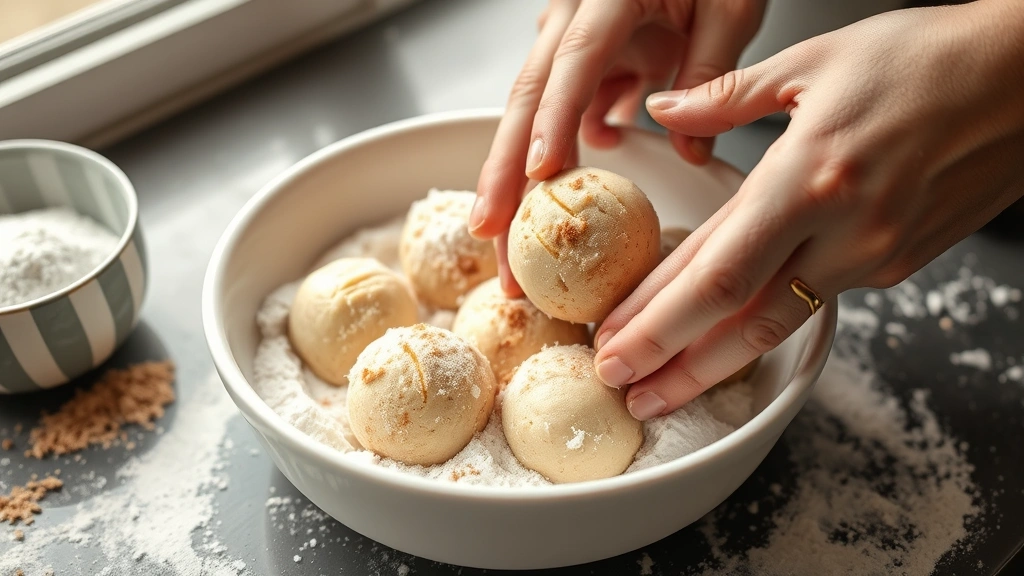
- Combine sugar and cinnamon in a shallow bowl.
- Roll dough into 1-inch balls and coat generously with cinnamon-sugar mixture.
- Place cookies 2 inches apart on prepared baking sheets.
- Bake for 10-12 minutes, until edges are set but centers remain slightly soft. This creates that perfect chewy-crispy texture.
- Cool on baking sheets for 5 minutes before transferring to a wire rack.
Snickerdoodles Using Vinegar Method
This approach delivers the most authentic snickerdoodle flavor profile. White vinegar is virtually undetectable in the final product.
Ingredients:
- 2 ¾ cups all-purpose flour
- 1 teaspoon baking soda
- 1 teaspoon white vinegar
- ½ teaspoon salt
- ½ cup unsalted butter, softened
- ¾ cup sugar
- 1 large egg
- 1 teaspoon vanilla extract
- Cinnamon-sugar coating (3 tablespoons sugar mixed with 1 tablespoon cinnamon)
Instructions:
- Preheat oven to 375°F (190°C) and prepare baking sheets with parchment paper.
- Combine vinegar with the dry ingredients (flour, baking soda, and salt). The vinegar will activate the baking soda slightly, so work quickly and don’t let the mixture sit.
- Cream butter and sugar together until pale and fluffy, about 3 minutes of beating.
- Add egg and vanilla, beating until incorporated.
- Fold in dry ingredients until just combined.
- Prepare cinnamon-sugar coating in a shallow dish.
- Roll dough into balls and coat thoroughly with cinnamon-sugar.
- Space 2 inches apart on baking sheets.
- Bake for 10-12 minutes until lightly golden.
- Let cool on baking sheets for 5 minutes, then transfer to cooling racks.
Consider exploring easy dinner recipes for beginners to expand your baking confidence across different categories.
Buttermilk Snickerdoodles
Buttermilk creates exceptionally tender cookies with a subtle tang.
Ingredients:
- 2 ¾ cups all-purpose flour
- 1 teaspoon baking soda
- ½ teaspoon salt
- ½ cup unsalted butter, softened
- ¾ cup granulated sugar
- 1 large egg
- ½ cup buttermilk
- 1 teaspoon vanilla extract
- Cinnamon-sugar coating
Instructions:
- Preheat oven to 375°F (190°C).
- Whisk together flour, baking soda, and salt in a medium bowl.
- Cream butter and sugar until fluffy.
- Beat in egg and vanilla.
- Alternate adding dry ingredients and buttermilk, beginning and ending with dry ingredients. This prevents overmixing.
- Roll into balls, coat with cinnamon-sugar, and place on prepared baking sheets.
- Bake for 10-12 minutes.
- Cool as directed above.
The Baking Science Behind Perfect Snickerdoodles
Understanding the science behind snickerdoodle construction makes you a better baker. When acid meets baking soda, it creates carbon dioxide gas immediately. This is why you should bake your cookies soon after mixing when using acidic ingredients like vinegar or lemon juice. Delaying baking allows some of the gas to escape, resulting in denser cookies.
The ratio of acid to baking soda matters significantly. One-half teaspoon of cream of tartar typically pairs with one teaspoon of baking soda. When substituting, maintain this approximate ratio. Too much acid creates overly spread cookies; too little produces heavy, cake-like results.
Temperature control during baking is crucial. An oven that’s too hot browns the outside before the inside sets, creating overly crispy cookies. Too cool, and cookies spread excessively and become dense. Use an oven thermometer from culinary experts to verify your oven’s actual temperature, as many home ovens run 25 degrees off their displayed temperature.
The butter temperature affects dough consistency and baking results. Softened butter incorporates air more effectively than cold butter, creating lighter cookies. However, melted butter creates denser, chewier cookies. Room temperature butter (around 68-72°F) provides the best results for traditional snickerdoodles.
Egg functionality extends beyond moisture. Eggs provide structure through their protein content, contribute to browning through their fat content, and add moisture. Using room-temperature eggs ensures they blend smoothly into the butter-sugar mixture, creating a homogeneous dough.
The resting period before baking matters more than many bakers realize. If time permits, refrigerate your dough for 30 minutes before shaping. This allows flour to fully hydrate and helps prevent excessive spreading during baking. Chilled dough also makes coating with cinnamon-sugar easier.
Troubleshooting Your Snickerdoodle Success
Cookies spreading too thin: Your oven may be too hot, or your dough may be too warm. Try chilling dough before baking and verify your oven temperature with a thermometer.
Cookies too cake-like: You may have too much flour. Measure flour by spooning into measuring cups and leveling off, rather than scooping directly from the bag. Also ensure you’re using the correct amount of leavening agent.
Edges browning too quickly: Lower your oven temperature by 25 degrees. Dark edges indicate the cookies are baking too fast, creating a hard exterior before the interior sets.
Cinnamon-sugar coating falling off: Ensure your dough balls are slightly moist before coating. If dough is too dry, lightly dampen your fingers and touch each ball before rolling in cinnamon-sugar.
Flat, dense cookies: Check your baking soda and acid pairing. Use a kitchen scale for precision—volume measurements can be inaccurate. Also verify that your baking soda hasn’t lost potency by testing it with vinegar; it should fizz vigorously.
Cookies too salty: You may have accidentally added extra salt or used salted butter. Always use unsalted butter in baking so you can control sodium levels precisely.
For more baking guidance, explore King Arthur Baking Company’s comprehensive baking resources, which offers detailed explanations of baking chemistry.
Storage and Freshness Tips
Room temperature storage works best for snickerdoodles. Place cooled cookies in an airtight container with parchment paper between layers. They’ll stay fresh for 5-7 days. Don’t refrigerate, as cold temperatures can accelerate staling.
For extended storage, freeze baked cookies for up to 3 months. Layer them with parchment paper in freezer-safe containers. Thaw at room temperature for about 30 minutes before serving.
You can also freeze unbaked dough balls. Prepare cookie dough, roll into balls, coat with cinnamon-sugar, and freeze on a baking sheet for 2 hours. Transfer to freezer bags and store for up to 2 months. Bake directly from frozen, adding 1-2 minutes to baking time.
Revive slightly stale cookies by baking them at 300°F for 5-10 minutes. This restores moisture and crispness. Store in an airtight container immediately after cooling.
Consider pairing your snickerdoodles with low-carb dinner recipes if you’re managing carbohydrate intake, and explore organic versus non-organic food choices when selecting your baking ingredients.
FAQ
Can I use baking powder instead of cream of tartar and baking soda?
Yes, you can substitute with baking powder alone. Use three times the amount of baking powder as you would baking soda. For example, if a recipe calls for one teaspoon of baking soda and cream of tartar, use three teaspoons of baking powder instead. However, you’ll lose some of the characteristic tangy flavor that makes snickerdoodles special.
What’s the difference between cream of tartar substitutes in terms of flavor?
Vinegar and lemon juice both contribute subtle acidic notes that enhance the cinnamon-sugar coating. Buttermilk adds a mild tang and creates slightly softer cookies. Baking powder alone won’t provide the same flavor complexity. Most home bakers can’t detect the difference between vinegar and lemon juice substitutes once the cookies are baked.
Does the type of vinegar matter?
White vinegar is ideal because it’s virtually flavorless. Apple cider vinegar works well but may impart a slight apple flavor. Avoid balsamic, red wine, and rice vinegars, which will create off-flavors in your cookies.
How do I know if my baking soda is still active?
Mix a small amount of baking soda with vinegar. If it fizzes vigorously, it’s still potent. If there’s minimal fizzing, replace it. Baking soda loses potency over time, so check the purchase date on your container.
Can I make snickerdoodles without any leavening agent?
Not really. Leavening agents are essential for creating the light, tender texture that defines snickerdoodles. Without them, you’ll get a dense, cake-like cookie. However, you have multiple options for achieving the chemical reaction needed, as outlined throughout this guide.
Are there any allergy considerations when substituting?
Yes. If you’re using buttermilk, ensure your guests can tolerate dairy. Vinegar and lemon juice are suitable for most dietary restrictions. If baking for someone with a severe egg allergy, you’ll need a separate egg substitute recipe, as eggs are essential to traditional snickerdoodles.
How can I make snickerdoodles without eggs?
This is challenging because eggs provide structure and moisture. You can try applesauce (¼ cup per egg) or flax eggs (1 tablespoon ground flaxseed mixed with 3 tablespoons water per egg), but results will differ. You may need to reduce other liquids and increase baking soda slightly.
What’s the best way to achieve that perfect chewy center?
Slightly underbake your cookies. Remove them from the oven when the centers still look slightly soft and underdone. They’ll continue cooking on the baking sheet and will firm up as they cool. Aim for an internal temperature of about 165-170°F rather than fully set cookies.


