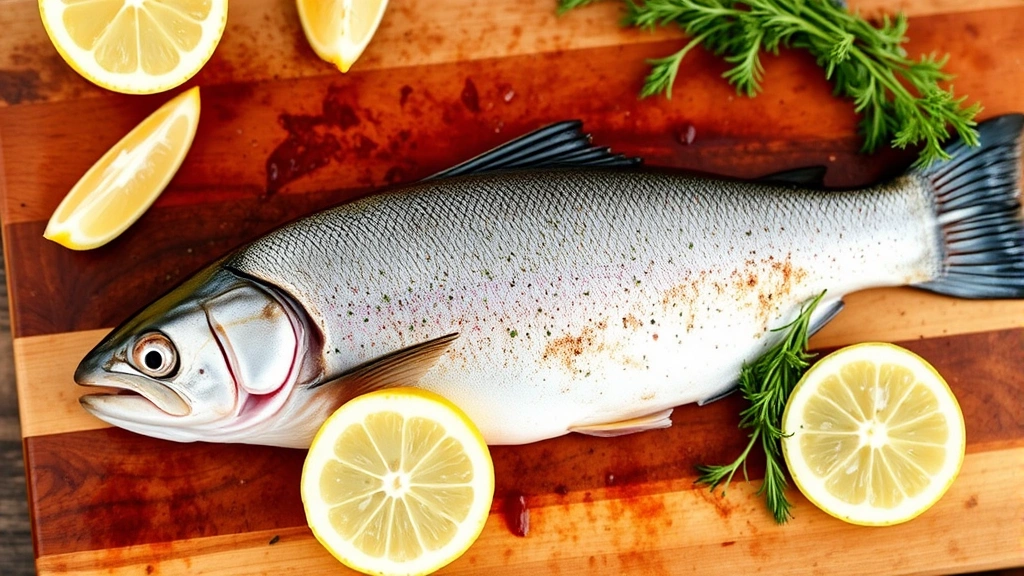
Grilled Steelhead Trout: Chef’s Favorite Method
Steelhead trout is one of the most versatile and delicious fish you can grill. With its rich, buttery flesh and delicate flavor, this anadromous fish deserves a cooking method that highlights its natural qualities without overwhelming them. Professional chefs have perfected grilling techniques that deliver perfectly cooked steelhead with crispy skin and moist, tender meat every single time.
Whether you’re hosting a dinner party or preparing a weeknight meal, mastering the art of grilling steelhead trout will elevate your seafood cooking skills dramatically. This comprehensive guide walks you through everything you need to know, from selecting the right fish to plating your finished dish with restaurant-quality presentation.
Selecting and Preparing Your Steelhead Trout
The foundation of any excellent grilled dish begins with quality ingredients. When shopping for steelhead trout, look for fish with bright, clear eyes, firm flesh that springs back when pressed, and a fresh ocean or clean water smell. Avoid any fish with dull eyes, soft spots, or a strong fishy odor—these indicate age and poor quality.
Whole fish versus fillets is an important decision. Whole steelhead (1.5 to 2.5 pounds) is ideal for grilling because the skin protects the delicate flesh and creates a beautiful presentation. Fillets work well too, but require slightly different handling to prevent sticking and drying out.
Preparation is straightforward but crucial. If using a whole fish, have your fishmonger remove the guts and gills, leaving the head on for presentation and flavor. At home, rinse the fish under cold water and pat completely dry with paper towels—moisture is the enemy of crispy skin. Remove any remaining scales by scraping gently with the back of a knife under running water. Use sharp kitchen shears to trim the fins if desired, though leaving them intact adds visual appeal.
For fillets, check for pin bones using your fingers or fish tweezers, removing any you find by pulling gently at a slight angle. Pat dry thoroughly and let the fish sit at room temperature for 15-20 minutes before grilling. This ensures even cooking throughout.
Essential Equipment and Setup
Your grilling success depends significantly on proper equipment and preparation. A gas or charcoal grill works equally well, though each offers distinct advantages. Gas grills provide precise temperature control, while charcoal grills impart subtle smoky notes that complement steelhead beautifully.
Invest in a quality fish grill basket or grill grates designed for delicate foods. These prevent sticking and allow for easy turning without damaging your fish. Alternatively, create a non-stick surface by oiling your standard grates thoroughly just before cooking. Keep a long-handled brush handy for applying oil and a spray bottle filled with water to control flare-ups.
Temperature control is non-negotiable. Preheat your grill to medium-high heat (around 400-450°F for gas grills, or until you can hold your hand 4 inches above the grates for only 4-5 seconds). A reliable instant-read thermometer becomes your secret weapon for achieving perfect doneness without guesswork.
Create distinct heat zones on your grill. Establish a hot zone for initial searing and a cooler zone for gentler cooking if needed. This flexibility allows you to adjust cooking speed mid-process if your fish is cooking too quickly or slowly.
Seasoning and Flavor Profiles
Steelhead trout’s delicate flavor profile means you want seasonings that complement rather than overpower. The simplest approach—kosher salt and freshly cracked black pepper applied just before cooking—allows the fish’s natural qualities to shine. This minimalist method is what most professional chefs prefer when working with premium fish.
For those seeking more complexity, consider these flavor-building techniques:
- Herb butter: Mix softened butter with fresh dill, tarragon, or parsley, then place a dollop inside the cavity of whole fish or atop fillets after cooking
- Citrus marinades: Combine lemon or lime juice, olive oil, minced garlic, and fresh herbs for 30-60 minutes before grilling
- Asian-inspired glazes: Blend soy sauce, mirin, ginger, and sesame oil for a sophisticated sweet-savory coating
- Mediterranean approach: Top finished fish with olive tapenade, sun-dried tomatoes, and capers
- Smoke infusion: Add soaked wood chips (cedar, alder, or oak) to your charcoal fire for subtle smoky undertones
When using marinades, limit soaking time to 60 minutes maximum—prolonged marinating can break down the delicate flesh texture. Always pat the fish dry before grilling, even after marinating, to achieve that desirable crispy exterior.
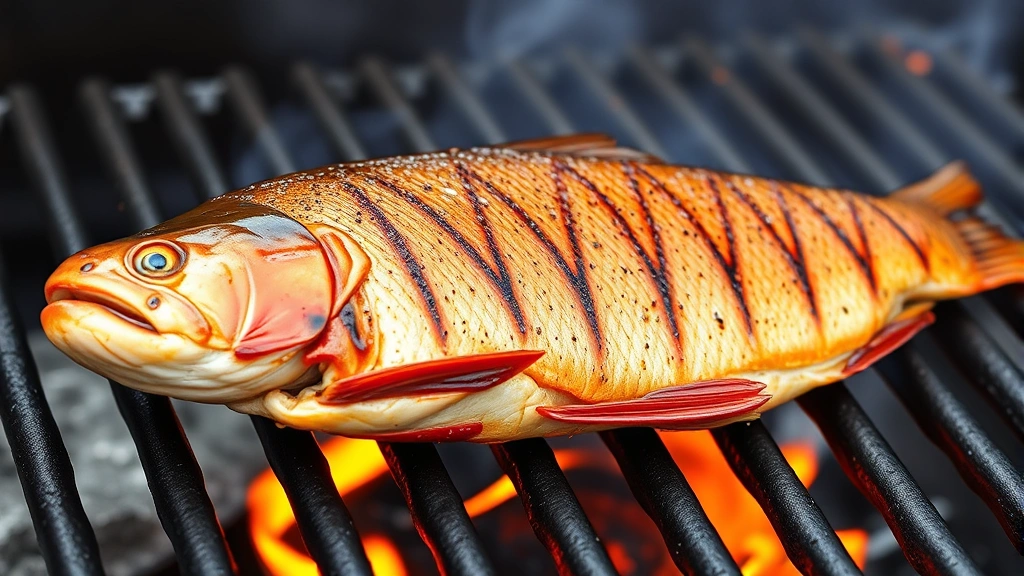
The Grilling Technique
This is where professional precision makes the difference between good and exceptional results. Follow these steps religiously:
- Oil your grates: Fold a paper towel, dip it in neutral oil, and use tongs to coat your grill grates thoroughly. This prevents sticking more effectively than any spray.
- Place fish skin-side down: For whole fish or skin-on fillets, start with skin facing the grates. The skin acts as insulation and creates a protective barrier.
- Resist the urge to move: Once your fish hits the grates, leave it undisturbed for 4-5 minutes. Constant prodding breaks the skin and causes sticking. You’ll know it’s ready to move when the skin releases naturally.
- Flip with confidence: Using a long metal spatula, slide it underneath the entire fish in one smooth motion, then flip decisively. If using a fish basket, flip the entire basket.
- Cook the second side: The flesh side requires less time—typically 3-4 minutes depending on thickness. Watch for the flesh to turn opaque and begin flaking slightly at the edges.
- Check for doneness: Insert an instant-read thermometer into the thickest part without touching bone. Steelhead is perfectly cooked at 120-125°F internal temperature.
For whole fish (1.5-2.5 pounds), total cooking time ranges from 12-18 minutes. Thick fillets need 10-14 minutes, while thinner fillets cook in 8-10 minutes. These times vary based on grill temperature and fish thickness, so use your thermometer as your primary guide rather than time alone.
A professional technique that separates excellent results from mediocre ones involves finishing. Once your fish reaches the correct internal temperature, move it to a cooler part of the grill, tent loosely with foil, and let it rest for 3-4 minutes. This allows carryover cooking to gently bring it to optimal temperature while keeping the flesh tender and juicy.
Doneness and Temperature Guide
Understanding the visual and textural signs of properly cooked steelhead prevents both undercooking and the common mistake of overcooking.
Undercooked (120°F or below): The flesh appears translucent near the center, and when flaked with a fork, it’s still slightly raw and glossy. The texture is mushy rather than firm. This is unsafe and should not be consumed.
Perfect (120-125°F): The flesh is opaque throughout with just a hint of translucence at the very center. It flakes easily but remains moist. The muscle fibers are set but retain maximum juiciness. This is the sweet spot that professional chefs target.
Well-done (130°F or above): The flesh is completely opaque with no translucence. While safe and pleasant, it begins losing moisture and becomes drier with each degree increase. Most chefs avoid this range for premium steelhead.
Use these visual cues alongside your thermometer: the thickest part of the fish should just begin showing opacity at the very center when you gently press it with a fork. The flesh should be firm enough to hold together but still yield slightly to pressure.
Serving Suggestions and Plating
Presentation matters as much as taste when serving grilled steelhead. Restaurant-quality plating elevates your dish from simple to sophisticated.
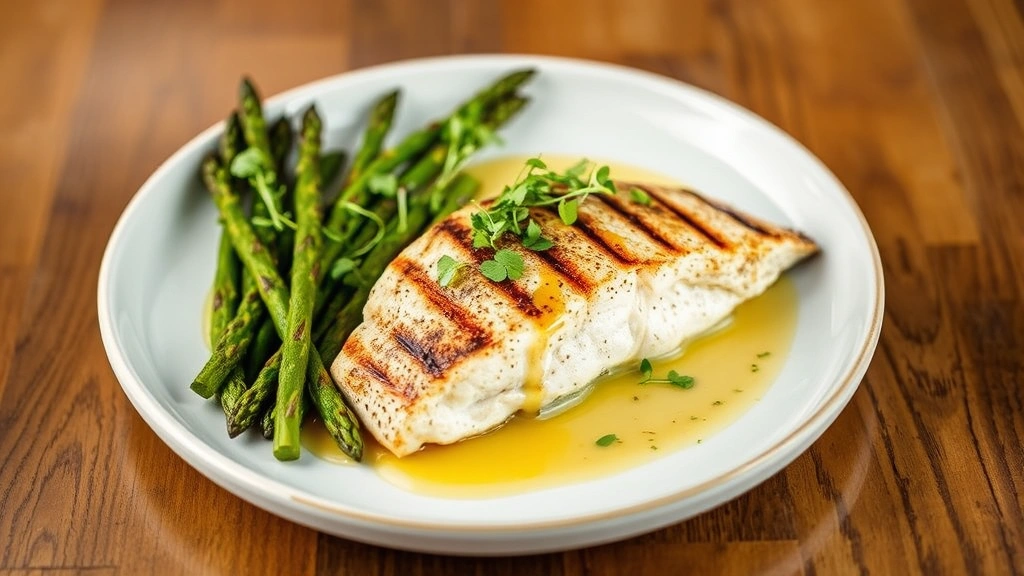
For whole fish, transfer carefully to a warmed serving platter. Garnish with fresh lemon wedges, microgreens, and a light drizzle of high-quality olive oil. A sprinkle of fleur de sel and cracked pepper adds professional finishing touches. For fillets, arrange on the plate skin-side up to showcase that beautiful golden crust.
Complement your steelhead with side dishes that don’t compete for attention. Grilled asparagus with garlic, roasted fingerling potatoes, or a simple arugula salad with lemon vinaigrette all pair beautifully. Consider your best breakfast food recipes if serving steelhead at brunch—it’s an excellent protein choice for morning entertaining.
For sauce options, create a quick beurre blanc by whisking cold butter into reduced white wine and lemon juice, or prepare a simple chimichurri with parsley, garlic, and sherry vinegar. Both complement steelhead’s delicate flavor without overwhelming it.
Wine pairing recommendations include crisp whites like Sauvignon Blanc, Pinot Grigio, or Albariño. If you prefer red wine, lighter options like Pinot Noir work surprisingly well with grilled steelhead, especially if you’ve added smoky flavors.
For dessert after your elegant steelhead dinner, consider making chocolate truffles or exploring healthy dessert recipes to maintain the refined tone of your meal.
FAQ
Can I grill frozen steelhead trout?
While possible, frozen steelhead should be thawed completely in the refrigerator before grilling. Cooking from frozen results in uneven doneness—the exterior overcooks while the center remains cold. Allow 24 hours for proper thawing. Never use room temperature thawing, which promotes bacterial growth.
What’s the difference between steelhead and regular trout?
Steelhead is the anadromous form of rainbow trout—meaning it migrates to the ocean before returning to freshwater to spawn. This ocean migration creates richer, fattier flesh with a more robust flavor compared to landlocked rainbow trout. The higher fat content makes steelhead more forgiving on the grill and less prone to drying out.
How do I prevent my fish from sticking to the grill?
Proper oiling of the grates immediately before cooking is the primary prevention method. Additionally, ensure your fish is completely dry before it touches the grill—moisture causes sticking. Finally, resist moving the fish during the initial 4-5 minutes of cooking. The skin will naturally release when it’s ready to flip.
Can I use this method for other fish species?
Absolutely. This grilling technique works excellently for salmon, arctic char, mackerel, and other medium to fatty fish. Adjust timing based on thickness—thinner fish like sole or flounder require shorter cooking times and might benefit from a fish basket for protection.
What if I don’t have a fish grill basket?
A well-oiled grate works fine with proper technique. Alternatively, place the fish on a large piece of heavy-duty aluminum foil, shiny side down, folded up slightly at the edges. This creates a makeshift vessel while still allowing some direct heat contact for flavor development. Poke small holes in the foil to allow steam to escape.
How far in advance can I prepare steelhead for grilling?
Prepare your fish up to 4 hours ahead by cleaning, patting dry, and refrigerating covered. Apply seasonings no more than 30 minutes before grilling—salt draws out moisture if applied too early. Marinades can be applied up to 60 minutes in advance but no longer.
Is there a difference between farm-raised and wild steelhead?
Wild steelhead has more intense flavor and leaner texture due to its migratory lifestyle and natural diet. Farm-raised steelhead is more buttery and forgiving for home cooks, with fewer variables in texture. Both grill beautifully—choose based on availability, budget, and personal preference.
What’s the best wood for smoking steelhead on the grill?
Alder wood is the traditional choice for Pacific Northwest salmon and steelhead, providing a mild, slightly sweet smoke. Cedar planks impart gentle flavor while adding aromatic interest. Oak and hickory are too strong for delicate steelhead. Soak wood chips for 30 minutes before adding to your charcoal fire.


