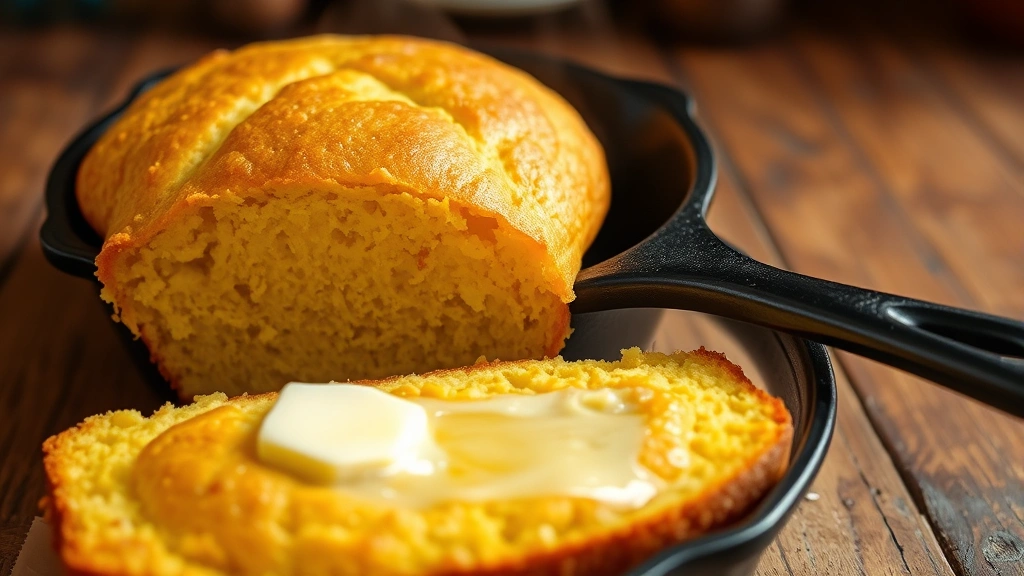
Sweet Cornbread Delight: Grandma’s Recipe for Perfect Golden Loaves
There’s something magical about the aroma of cornbread baking in the oven that instantly transports you back to simpler times. My grandmother’s sweet cornbread recipe has been a cherished family treasure for generations, passed down through countless Sunday dinners and holiday gatherings. This isn’t just any cornbread—it’s a perfectly balanced blend of sweetness and cornmeal texture that keeps everyone coming back for seconds. The secret lies in understanding the delicate interplay between ingredients and technique, something Grandma perfected over decades of baking.
Unlike traditional savory cornbread, this sweet cornbread recipe delivers a tender crumb with a subtle honey-like sweetness that pairs beautifully with both savory and sweet accompaniments. Whether you’re serving it alongside chili, pairing it with fried chicken, or enjoying it with a simple butter spread, this recipe consistently delivers exceptional results. The beauty of this sweet cornbread is its versatility—it works equally well for breakfast with your quick breakfast recipes or as a comforting side dish at dinner.
Essential Ingredients for Sweet Cornbread Success
The foundation of any exceptional sweet cornbread recipe begins with quality ingredients measured precisely. Grandma always insisted that baking is a science, and cornbread is no exception. Here’s what you’ll need to recreate this beloved classic:
- Cornmeal: 1 cup yellow cornmeal (preferably stone-ground for superior texture)
- All-purpose flour: 1 cup (provides structure without overpowering the corn flavor)
- Sugar: ½ cup granulated sugar (the key to that signature sweetness)
- Baking powder: 1½ teaspoons (ensures proper rise)
- Baking soda: ½ teaspoon (activates with buttermilk for optimal lift)
- Salt: ½ teaspoon (enhances all flavors)
- Eggs: 2 large eggs at room temperature (binds and enriches)
- Buttermilk: 1 cup (creates tender crumb and subtle tang)
- Butter: 4 tablespoons melted (adds richness and moisture)
- Honey: 2 tablespoons (optional but recommended for extra sweetness)
The quality of your cornmeal makes a tremendous difference in the final product. Stone-ground cornmeal contains more of the corn’s natural oils, providing superior flavor compared to degerminated varieties. If you’re using a cast iron skillet for baking—which Grandma always did—you’ll want to understand the fundamentals of how to cook with cast iron to ensure even browning and that coveted crispy exterior.
Step-by-Step Preparation Instructions
Proper preparation is crucial to achieving consistent results with this sweet cornbread recipe. Follow these detailed steps to ensure success:
- Preheat your oven to 400°F (200°C). If using a cast iron skillet, place it in the oven while preheating to ensure even heat distribution and that desirable golden crust.
- Combine dry ingredients in a large mixing bowl: cornmeal, flour, sugar, baking powder, baking soda, and salt. Whisk these together thoroughly to distribute the leavening agents evenly throughout.
- Prepare wet ingredients in a separate bowl: whisk together eggs, buttermilk, melted butter, and honey if using. Ensure the eggs are fully incorporated and the mixture is homogeneous.
- Create the batter by making a well in the center of the dry ingredients and pouring in the wet mixture. Stir gently until just combined—overmixing develops gluten and creates a tough, dense crumb.
- Prepare your pan by carefully removing the hot skillet from the oven and lightly coating the bottom with butter or oil. This prevents sticking and creates a beautiful golden crust.
- Pour the batter into the prepared pan, smoothing the top gently with a spatula.
The importance of not overmixing cannot be overstated. Once your wet and dry ingredients combine, stop mixing immediately. Small lumps in the batter are perfectly fine and will actually contribute to a more tender final product. This is one of Grandma’s golden rules that many home bakers overlook.
Mastering the Baking Technique
Baking is where the magic happens, and understanding the science behind it elevates your sweet cornbread recipe from good to unforgettable. The baking process involves several important transformations:
Temperature control is critical. At 400°F, the exterior begins setting immediately while the interior continues to rise, creating that ideal contrast between crispy outside and tender inside. The baking powder and baking soda react with the liquid ingredients, producing carbon dioxide bubbles that create the bread’s light, airy crumb structure.
Baking time typically ranges from 20-25 minutes, depending on your oven and pan size. The cornbread is done when a toothpick inserted into the center comes out clean or with just a few moist crumbs—not wet batter. The top should be golden brown and spring back when lightly touched.
Watch for the edges to pull slightly away from the pan sides, which indicates proper baking. If the top browns too quickly but the center isn’t set, tent with foil for the remaining baking time. Every oven has personality, so keep notes on your first attempt to fine-tune future batches.
Allow the cornbread to cool in the pan for 5-10 minutes before turning out onto a wire rack. This resting period allows the structure to set properly while still being warm enough to release cleanly from the pan.
Pro Tips and Tricks from Grandma’s Kitchen
Grandma’s decades of experience have yielded numerous insights that make the difference between adequate cornbread and extraordinary cornbread:
- Room temperature ingredients: Cold eggs and buttermilk don’t incorporate smoothly. Remove them from the refrigerator 30 minutes before baking.
- Don’t skip the sugar: While called “sweet” cornbread, the sugar amount isn’t excessive. It enhances corn flavor rather than making the bread taste like cake.
- Buttermilk matters: The acidity reacts with baking soda, creating lift and tender crumb. Regular milk won’t produce identical results.
- Cast iron advantage: A preheated cast iron skillet creates superior browning and heat distribution. The thermal mass maintains consistent temperature throughout baking.
- Honey boost: Adding honey provides subtle depth and keeps the cornbread moist longer, though it’s entirely optional.
- Fresh leavening agents: Baking powder and baking soda lose potency over time. Replace every 6 months for reliable rising.
- Avoid overmixing: This cannot be emphasized enough. Mix only until ingredients are barely combined for maximum tenderness.
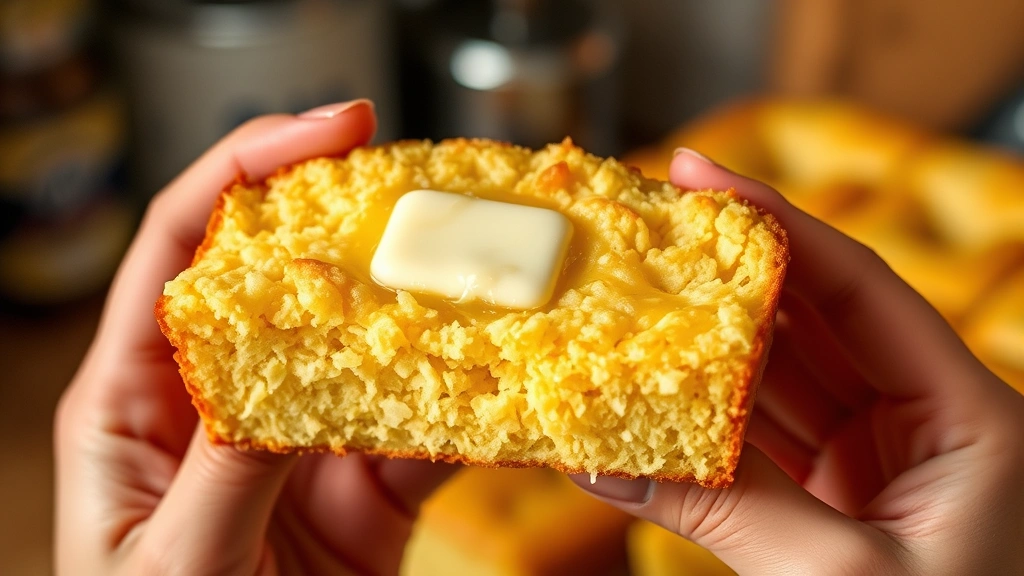
- Straight from the oven: Fresh cornbread tastes best served warm with butter melting into every crevice.
Grandma also taught me that understanding the science behind baking techniques helps you troubleshoot problems. For instance, if your cornbread is too dense, you likely overmixed the batter. If it’s dry, the oven temperature may have been too high or baking time too long.
Delicious Variations to Try
While the classic recipe is wonderful, this sweet cornbread recipe adapts beautifully to variations. Here are some creative additions that maintain the integrity of the original:
- Jalapeño corn: Add ½ cup diced jalapeños for a sweet-and-spicy twist that pairs beautifully with chili.
- Blueberry cornbread: Fold in 1 cup fresh or frozen blueberries for a breakfast-friendly variation.
- Cheddar cornbread: Mix in 1 cup shredded sharp cheddar cheese for a savory-sweet balance.
- Herb-infused: Add 2 tablespoons fresh thyme or rosemary for earthy complexity.
- Maple variation: Replace honey with pure maple syrup for autumn warmth.
- Cornbread muffins: Use a muffin tin instead of a skillet for individual portions with extra crispy exteriors.
These variations work equally well served alongside healthy chicken recipes or as standalone treats. The sweet cornbread recipe is forgiving enough to accommodate creative additions while maintaining its essential character.
If you’re planning a complete meal, consider how your cornbread variation complements the main dish. Jalapeño cornbread enhances spicy entrées, while blueberry cornbread pairs perfectly with breakfast or lighter lunches. Cheddar versions work beautifully with savory mains like recipes with shredded chicken.
Storage and Serving Suggestions
Proper storage extends the life of your sweet cornbread recipe, keeping it fresh and delicious for multiple days:
Room temperature storage: Wrapped tightly in foil or plastic wrap, cornbread keeps for 2-3 days on the counter. This is ideal for maintaining the most authentic texture and flavor.
Refrigerator storage: For longer preservation, wrap cooled cornbread and refrigerate for up to 5 days. Before serving, warm briefly in a 300°F oven to restore the texture.
Freezer storage: Wrap individual pieces or the entire loaf in plastic wrap, then foil, and freeze for up to 3 months. Thaw at room temperature or reheat directly from frozen at 350°F for about 15 minutes.
Serving suggestions: Serve warm with softened butter for the classic approach. Cornbread pairs beautifully with soups, stews, and bean dishes. It’s also wonderful with breakfast eggs or alongside chicken carbonara recipe for an unexpected twist.
Leftover cornbread can be repurposed into cornbread crumbles for salads, croutons for soups, or even breadcrumbs for coating fried chicken. This approach aligns with smart food waste reduction tips that make culinary sense.
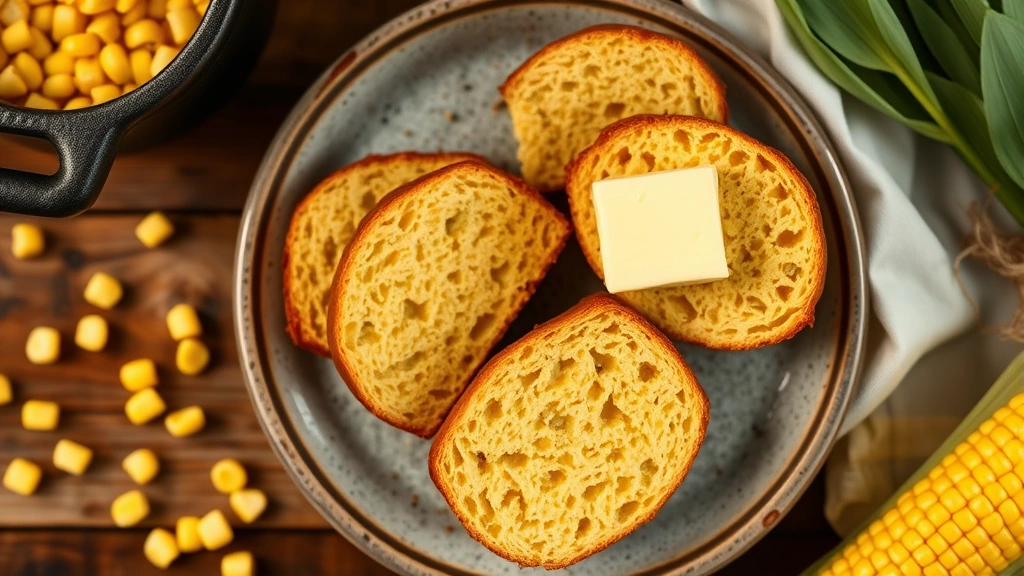
For the best results, slice cornbread while it’s still warm but has cooled enough to handle. The interior will be slightly steamy, and the butter will melt beautifully into the warm crumb. This moment—fresh cornbread with melting butter—is what Grandma cherished most about baking this recipe.
Frequently Asked Questions About Sweet Cornbread
Can I use regular milk instead of buttermilk?
While you can substitute regular milk, the results won’t be identical. Buttermilk’s acidity reacts with baking soda to create lift and tender crumb. If necessary, make “buttermilk” by adding 1 tablespoon lemon juice or vinegar to 1 cup regular milk and letting it sit 5 minutes before using.
Why is my cornbread too dry?
Dryness typically results from overbaking or using old leavening agents. Check your oven temperature with an oven thermometer—many ovens run hot. Also verify that your baking powder and soda are fresh. Finally, ensure you’re not overmixing, which develops gluten and creates a denser, drier crumb.
Can I make this cornbread gluten-free?
Yes, though results vary. Replace the all-purpose flour with a gluten-free blend designed for baking. You may need to add an extra tablespoon of liquid and possibly a binder like xanthan gum. The texture will be slightly different but still delicious.
What’s the difference between sweet and savory cornbread?
Sweet cornbread includes sugar and often honey, creating a subtly sweet flavor profile. Savory versions omit sugar and may include cheese, herbs, or jalapeños. This recipe is distinctly sweet but balanced enough to pair with savory dishes.
How do I know when cornbread is perfectly baked?
The toothpick test is reliable: insert a toothpick into the center, and it should come out clean or with just a few moist crumbs. The top should be golden brown, and the edges should pull slightly from the pan. Overbaked cornbread becomes dry, while underbaked versions are gummy.
Can I double this recipe?
Absolutely. Double all ingredients and use two skillets or a larger baking pan. Baking time may increase slightly depending on the pan’s dimensions. Check for doneness starting at 25 minutes, as larger batches require longer baking.
Is cornmeal the same as corn flour?
No, they’re different. Cornmeal is coarser with visible corn particles, creating texture in cornbread. Corn flour is finely ground and would create a denser, cake-like result. For this recipe, use cornmeal specifically.


