Authentic Tacos Al Pastor: Traditional Recipe & Cooking Technique
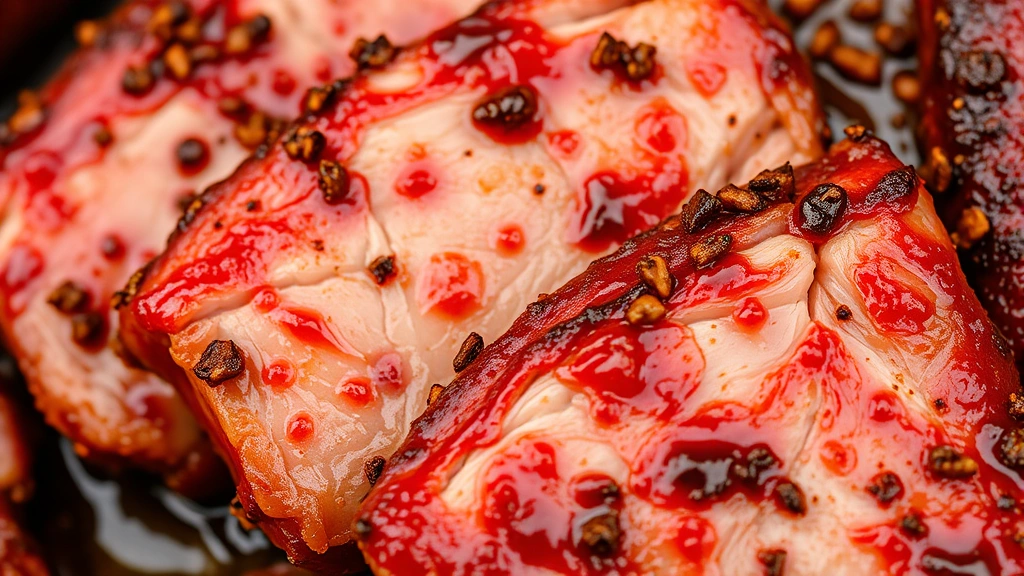
Tacos al pastor represent one of Mexico’s most beloved street food innovations, born from the marriage of Lebanese and Mexican culinary traditions. This iconic dish features succulent marinated pork cooked on a vertical spit called a trompo, then shaved off and served on warm tortillas with fresh pineapple, onions, and cilantro. The complexity of flavors—smoky, spicy, sweet, and acidic—makes tacos al pastor a masterclass in balanced seasoning and cooking technique.
Creating authentic tacos al pastor at home requires patience, proper ingredients, and understanding the traditional cooking methods that have made this dish legendary across Mexico City and beyond. While a vertical spit isn’t practical for most home cooks, we’ll explore authentic techniques adapted for your kitchen, ensuring you achieve the characteristic caramelized exterior and tender, flavorful interior that define exceptional al pastor tacos.
History and Cultural Origins
Tacos al pastor emerged in Mexico City during the 1960s and 1970s, created by Lebanese immigrants who adapted their traditional shawarma cooking technique to Mexican ingredients and flavors. This culinary fusion became wildly popular because it combined the beloved vertical spit-roasting method with indigenous Mexican spices, creating something entirely new yet respectful to both cultures.
The name “al pastor” literally means “in the style of the pastor,” referring to the Middle Eastern shepherd’s cooking tradition. However, the dish is distinctly Mexican, featuring local chiles, vinegar, and the signature addition of fresh pineapple that caramelizes during cooking. Understanding this history helps appreciate why tacos al pastor taste the way they do—each element serves a purpose rooted in culinary tradition.
Street vendors in Mexico City continue to perfect this technique, with many operating the same trompo for decades. The skill of shaving the meat at exactly the right moment, when the exterior is perfectly caramelized but the interior remains tender, separates mediocre al pastor from exceptional versions. This culinary technique guide explains the science behind vertical spit-roasting.
Essential Ingredients and Marinade
The marinade is the soul of tacos al pastor. Unlike simple seasoning, this complex mixture contains dried chiles, vinegar, spices, and aromatics that work together to create depth and complexity. Here are the essential components:
- Dried Chiles: Use 4-5 guajillo chiles and 2-3 ancho chiles. These provide the base flavor—slightly sweet, moderately spicy, and deeply complex. Remove seeds and stems before toasting.
- Vinegar: White vinegar or apple cider vinegar adds acidity that both tenderizes the meat and brightens flavors. Use ½ cup for proper balance.
- Spices: Cumin, oregano (Mexican oregano preferred), cinnamon, and cloves create warmth and aromatic complexity. Toast whole spices before grinding for maximum flavor.
- Aromatics: Fresh garlic, white onion, and fresh ginger provide sharp, clean flavors that cut through the richness of pork.
- Pork: Use bone-in pork shoulder (also called pork butt), which contains enough fat to stay moist during cooking. Plan for 4-5 pounds for substantial tacos.
- Pineapple: Fresh pineapple isn’t just garnish—it’s integral to the dish. The enzymes in pineapple help tenderize meat while adding sweetness that caramelizes beautifully.
For a complete healthy recipe approach, you can trim excess fat from the pork shoulder before marinating, reducing overall calories while maintaining flavor.
Preparation and Marinating Process
Step 1: Toast and Prepare Dried Chiles
Begin by toasting 4-5 dried guajillo chiles and 2-3 ancho chiles in a dry skillet over medium heat for 2-3 minutes per side until fragrant. This step amplifies their flavor compounds. Remove from heat, let cool slightly, then remove stems and seeds. Soak the cleaned chiles in hot water for 15 minutes until softened.
Step 2: Create the Chile Base
Transfer soaked chiles to a blender with ½ cup of the soaking water. Add 4-5 dried guajillo or chipotle chiles for smokiness, ½ cup white vinegar, and 3 tablespoons apple cider vinegar. Blend until completely smooth, about 2-3 minutes. Strain through a fine-mesh sieve to remove any fibrous particles, creating a silky marinade base.
Step 3: Toast Whole Spices
In your dry skillet, toast 1 tablespoon cumin seeds, 1 tablespoon Mexican oregano, 3-4 whole cloves, ½ teaspoon black peppercorns, and one 2-inch cinnamon stick for 2-3 minutes until aromatic. Grind these toasted spices in a spice grinder or molcajete to release maximum flavor. This step differentiates authentic al pastor from versions using pre-ground spices.
Step 4: Combine Complete Marinade
In a large bowl, combine your chile paste with the ground spices, 8-10 minced garlic cloves, ½ cup diced white onion, 2 tablespoons fresh ginger, 2 tablespoons kosher salt, and 1 tablespoon sugar. Mix thoroughly until you have a thick, fragrant paste. This marinade should coat the back of a spoon.
Step 5: Prepare and Marinate the Pork
Cut your pork shoulder into thick slabs (about 2-3 inches), leaving some fat intact for moisture. Rub each piece thoroughly with the marinade, ensuring all surfaces are well coated. Layer the marinated pork in a large container or plastic bags, pressing gently to create good contact between meat and marinade. Cover and refrigerate for at least 24 hours, though 36-48 hours yields even deeper flavor development.
Traditional and Home Cooking Methods
Vertical Spit Method (Traditional Trompo)
Professional trompo cooking involves stacking marinated pork slices on a vertical rotating spit, layering thin pineapple slices between meat layers. As the spit rotates near a heat source, the exterior caramelizes while the interior stays tender. A skilled taquero shaves meat from the outside with a sharp knife or blade, catching the perfectly cooked pieces on a tortilla below.
Home Oven Method
For home cooking, arrange marinated pork slices on a large baking sheet lined with foil. Lay thin pineapple slices across the top of the meat pile. Roast at 350°F for 45-60 minutes, stirring occasionally, until the meat is tender and the edges begin to caramelize. Increase heat to 450°F for the final 10-15 minutes to develop more color and char on the exterior.
Cast Iron Skillet Method
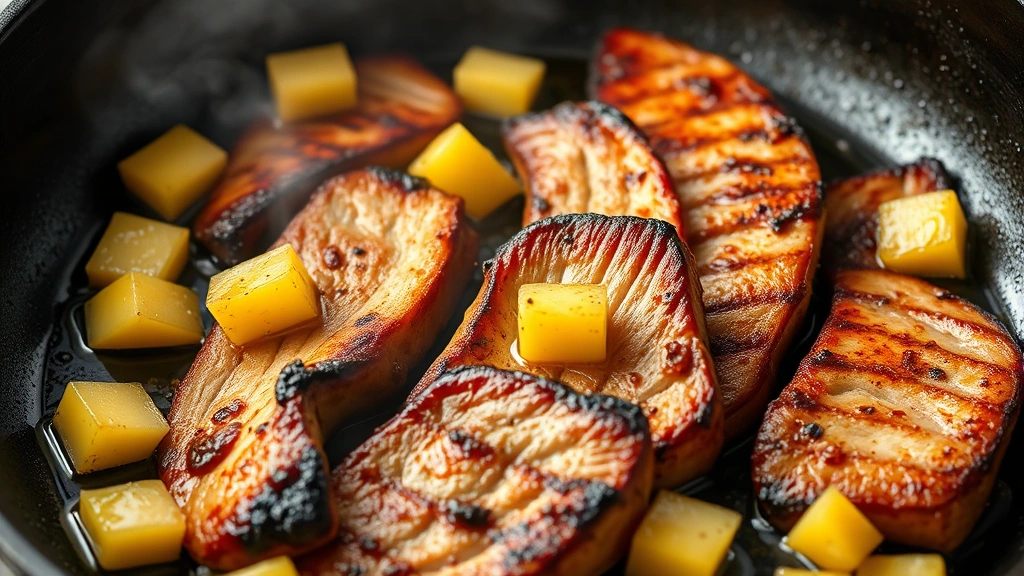
Heat a large cast iron skillet over medium-high heat until smoking. Working in batches, sear marinated pork slices for 3-4 minutes per side until deeply browned. Transfer browned meat to a Dutch oven or heavy pot, then deglaze the skillet with ½ cup water or broth, scraping up flavorful browned bits. Pour this liquid over the pork, add pineapple chunks, cover, and braise in a 325°F oven for 2-3 hours until fork-tender.
Slow Cooker Method
Layer marinated pork in a slow cooker with pineapple chunks, setting to low for 6-8 hours. While this method yields tender meat, you’ll miss the caramelized exterior. To compensate, transfer the cooked meat to a hot skillet before serving to develop color and char.
Each method has advantages. The oven approach balances caramelization with tenderness. The skillet method produces the most authentic char. Regardless of your chosen method, the key is ensuring the exterior develops color while the interior remains moist and flavorful.
Assembly and Serving Techniques
Preparing Tortillas
Use fresh corn tortillas, either homemade or from a local tortilleria. Warm them on an open flame or in a dry skillet just before serving. Traditional preparation involves holding the tortilla directly over a gas flame for a few seconds per side, creating light char spots that add flavor. If using an electric stove, warm tortillas in a dry skillet over medium-high heat for 20-30 seconds per side.
Shredding and Plating the Meat
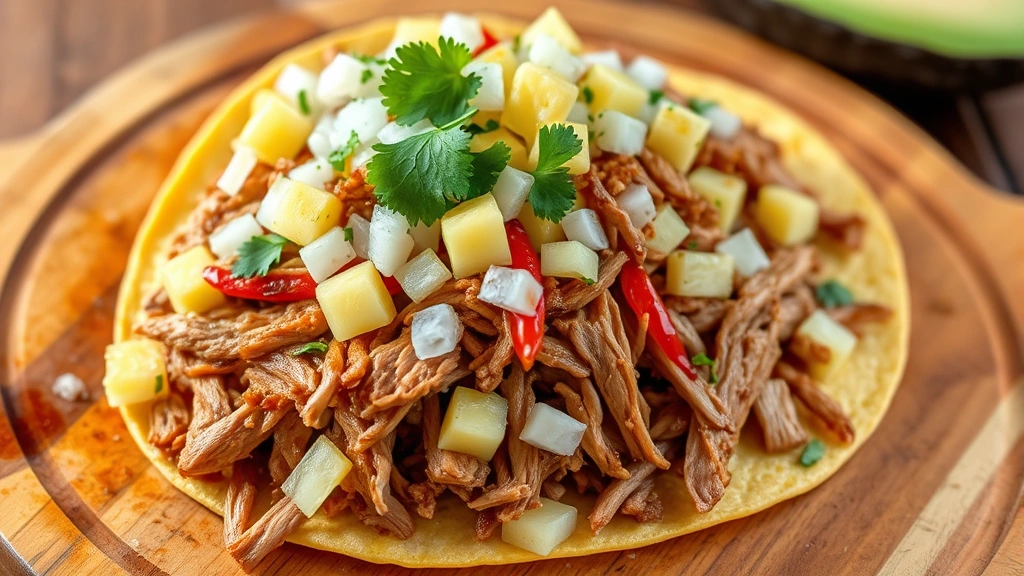
Once cooked, shred the pork into bite-sized pieces using two forks or your hands. If you’ve developed a flavorful crust, break this into smaller pieces and distribute throughout—these crispy bits are prized by taco enthusiasts. Warm the shredded meat gently before serving to maintain temperature.
Classic Toppings
Traditional tacos al pastor include:
- Fresh Pineapple: Dice fresh pineapple into small pieces. Some cooks caramelize pineapple in a hot skillet before serving, creating sweet, slightly charred pieces.
- White Onion: Finely dice white onion and toss with fresh lime juice and salt. This bright, acidic component balances the rich pork.
- Fresh Cilantro: Roughly chop fresh cilantro, adding herbaceous freshness. Use generous amounts—cilantro is essential, not optional.
- Lime Wedges: Serve with fresh lime for squeezing over finished tacos.
- Salsa: A simple pico de gallo or red salsa complements the flavors beautifully.
Serving Style
Traditionally, tacos al pastor are served with warm tortillas and all toppings on the side, allowing diners to customize each taco. This bowl-style serving approach works well for gatherings where you want flexibility in portion control.
Variations and Pro Tips
Chicken Al Pastor
While pork is traditional, chicken thighs offer a leaner alternative. Use the same marinade and reduce cooking time to 30-40 minutes in the oven. Chicken absorbs marinades quickly, so marinate for 12-24 hours rather than 48.
Beef Al Pastor
Beef short ribs or chuck roast work beautifully with the al pastor marinade. The robust flavor of beef stands up to the complex spice profile. Extend cooking time to 3-4 hours for proper tenderness.
Vegetarian Adaptation
Marinate thick slices of portobello mushrooms or cauliflower steaks using the same marinade. Roast until caramelized, creating umami-rich alternatives that satisfy vegetarian diners. This approach integrates well with healthy food recipes that emphasize vegetable-forward cooking.
Pro Tips for Success
- Toast Your Spices: Never skip toasting whole spices. This single step dramatically improves flavor complexity and authenticity.
- Use Quality Vinegar: Good vinegar makes a noticeable difference. Avoid distilled vinegar; use white wine or apple cider vinegar for better flavor.
- Don’t Rush the Marinade: Minimum 24 hours is acceptable, but 36-48 hours allows flavors to fully penetrate the meat and develop depth.
- Render the Fat: If your pork has a thick fat cap, sear it skin-side down in a hot skillet first to render fat, creating a flavorful crust.
- Save the Braising Liquid: The liquid remaining after cooking contains concentrated flavor. Reduce it in a saucepan until it coats the back of a spoon, then drizzle over finished tacos.
- Fresh Pineapple Matters: Canned or frozen pineapple won’t provide the enzymatic action that helps tenderize meat. Always use fresh.
- Char Your Tortillas: The slight char from direct heat adds depth that steamed tortillas cannot match.
For preserving fresh herbs used in al pastor preparation, store cilantro stems-down in a water-filled glass covered with plastic wrap in the refrigerator for up to two weeks.
These tacos pair beautifully with Mexican street corn, black beans, or rice. For meal planning ideas, explore fresh summer salad recipes that complement the rich, spiced flavors of al pastor.
FAQ
Can I make tacos al pastor without a vertical spit?
Absolutely. The oven, skillet, or slow cooker methods detailed above produce excellent results. While you won’t achieve the exact same caramelization pattern as a trompo, proper technique in any method yields delicious, authentic-tasting tacos al pastor.
How long can I marinate the pork?
Safely, up to 72 hours in the refrigerator. Beyond this, the acid in the vinegar begins breaking down the meat’s structure excessively, creating a mushy texture. The 36-48 hour window represents the sweet spot for flavor development and texture.
What if I can’t find guajillo or ancho chiles?
Use any dried red chiles available—New Mexico chiles, California chiles, or even dried chipotles work. Each will impart slightly different flavor characteristics, but the marinade will still be delicious and authentic in spirit.
Is pineapple essential to tacos al pastor?
Culturally and traditionally, yes. Pineapple isn’t merely a topping—it’s an integral ingredient that contributes enzymes for tenderizing, sweetness for balance, and textural contrast. Omitting it changes the dish significantly.
Can I prepare the marinade ahead of time?
Yes. Store the prepared marinade in an airtight container in the refrigerator for up to one week. This makes it convenient to marinate pork whenever you’re ready to cook, streamlining your preparation process.
What’s the best way to reheat leftover al pastor?
Place shredded pork in a covered skillet over medium heat with a splash of water or the reserved braising liquid. Heat for 5-7 minutes, stirring occasionally, until warmed through. This method maintains moisture better than microwaving.
Can I freeze marinated pork?
Yes. Place marinated pork in freezer bags, removing excess air, and freeze for up to three months. Thaw in the refrigerator overnight before cooking. The marinade’s acid and salt actually help preserve the meat during freezing.
How many tacos does this recipe yield?
A 4-5 pound pork shoulder yields approximately 12-16 tacos depending on portion size. Plan for 2-3 tacos per person for a main course serving.


