Authentic Tom Yum Soup: A Thai Chef’s Complete Guide
Tom yum soup stands as one of Thailand’s most iconic dishes, celebrated worldwide for its bold, aromatic profile that perfectly balances spicy, sour, salty, and slightly sweet flavors. This legendary soup represents the heart of Thai culinary tradition, where every ingredient serves a purpose and every technique matters. Whether you’re dining in a Bangkok street stall or preparing it in your own kitchen, authentic tom yum delivers an unforgettable experience that captures the essence of Southeast Asian cooking.
The name “tom yum” itself tells the story of this dish—”tom” means to boil or simmer, while “yum” refers to the spicy and sour flavor profile that defines Thai cuisine. Creating an authentic tom yum soup requires understanding not just the ingredients, but the philosophy behind Thai cooking: balance, harmony, and respect for fresh, quality components. This guide walks you through everything a chef needs to know to master this beloved soup.
History and Origins of Tom Yum
Tom yum soup emerged from the central plains of Thailand, particularly around Bangkok and surrounding provinces, where access to abundant fresh herbs, aromatic ingredients, and seafood made this dish a natural evolution of Thai cooking. The soup’s popularity exploded during the 1960s and 1970s when Thailand’s tourism industry flourished, introducing international visitors to this remarkable culinary creation. Today, tom yum represents Thailand’s soft power in global cuisine, instantly recognizable and beloved across continents.
The soup’s development reflects Thailand’s geographic position along crucial trade routes. Access to galangal, lemongrass, and lime—ingredients that define tom yum—shaped the soup’s character. Local fishermen contributed shrimp and fish, while nearby farms provided fresh chilies and herbs. This combination of geography, trade, and local agriculture created the perfect conditions for tom yum’s birth. Understanding this history helps you appreciate why certain ingredients remain non-negotiable in authentic preparations.
Traditional tom yum recipes were passed down through families and refined in restaurant kitchens over generations. Master Thai chefs guard their techniques carefully, knowing that subtle differences in ingredient quality, cooking time, and technique create vastly different results. This guide draws from authentic Thai culinary traditions to help you achieve restaurant-quality results at home.
Essential Ingredients for Authentic Tom Yum
Creating authentic tom yum begins with sourcing the right ingredients. While some substitutions are possible, the core components define the soup’s character and should never be compromised if you want genuine results.
Fresh Herbs and Aromatics
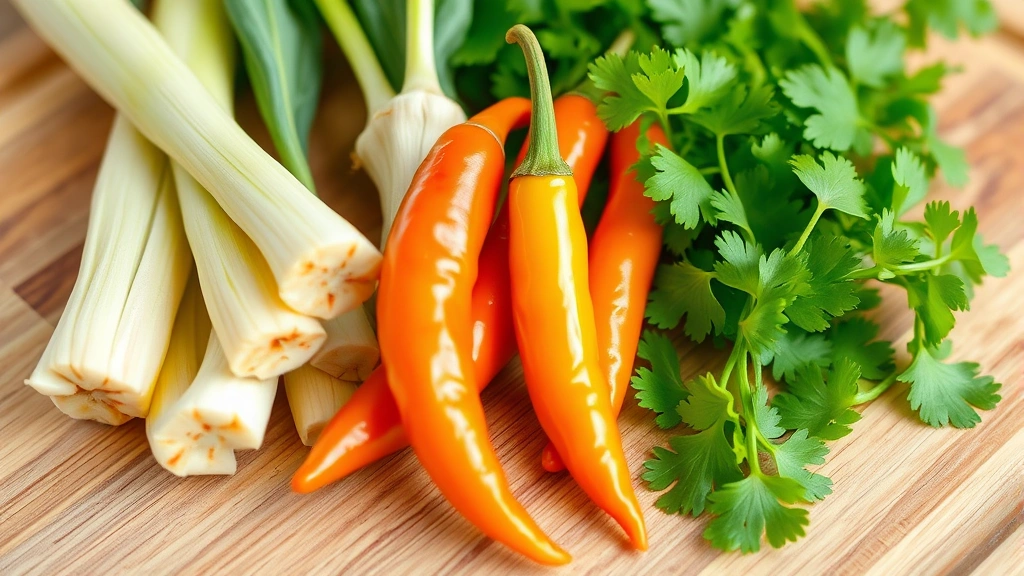
Lemongrass forms the aromatic foundation of tom yum soup. Use only the white and light green portions of fresh stalks, bruising them gently to release essential oils. Fresh lemongrass is non-negotiable—dried versions lack the vibrant citrus quality that defines authentic tom yum. Purchase stalks that feel firm and smell strongly of lemon and grass.
Galangal (kha in Thai) provides a peppery, slightly medicinal warmth distinct from ginger. This rhizome’s unique flavor cannot be replicated by ginger alone. Slice galangal thinly with the skin intact, as the skin contains important flavor compounds. Fresh galangal stores well in the freezer for several months.
Fresh cilantro and Thai basil add finishing brightness and herbaceous complexity. These herbs should be added near the end of cooking to preserve their delicate aromatics. Regular basil works in a pinch, but Thai basil’s peppery notes are distinctly superior.
Chilies and Heat
Thai bird’s eye chilies deliver the characteristic heat and fruity undertones of authentic tom yum. These small, potent chilies pack significant punch—start conservatively and adjust to your preference. Fresh red or green chilies work best, though you may crush dried chilies if fresh ones are unavailable. The heat should be present but balanced by other flavors, never overwhelming.
Protein Options
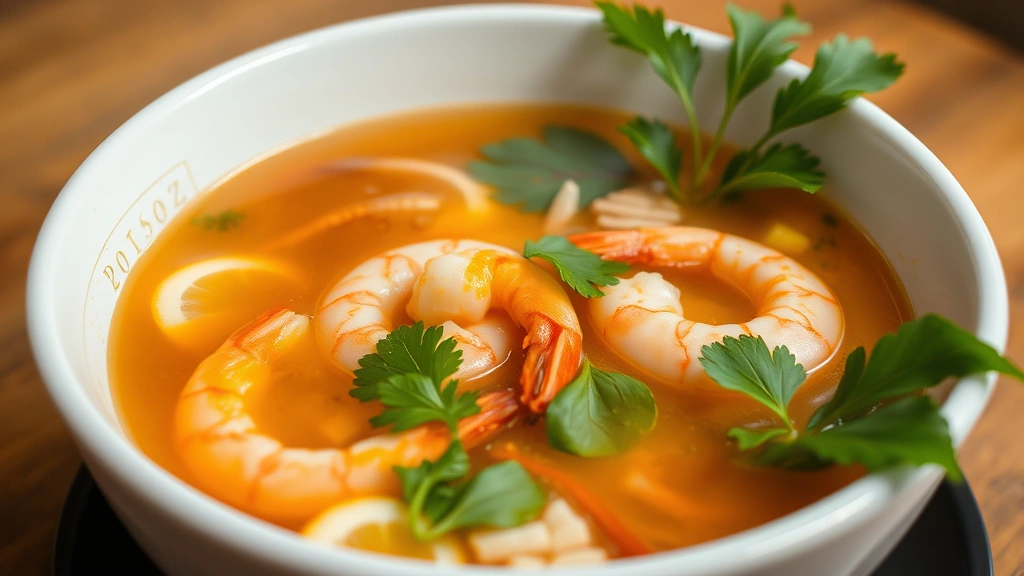
Traditional tom yum typically features shrimp (tom yum goong) or chicken (tom yum gai). Shrimp remains the most authentic choice, offering natural sweetness that complements the soup’s spicy-sour profile. Use large, fresh shrimp if possible, adding them only in the final minutes to prevent overcooking. Chicken breast or thigh can substitute, though cooking times differ—chicken requires longer simmering to develop flavor and tenderness.
Broth Foundation
Authentic tom yum relies on quality broth. Chicken or shrimp stock works best, though vegetable broth suits vegetarian versions. Homemade stock is superior to commercial varieties, as it lacks the heavy sodium and artificial flavors that can mask tom yum’s delicate aromatics. If using store-bought broth, select low-sodium options and taste as you go.
Acidic Components
Fresh lime juice provides the signature sour element that balances tom yum’s heat and richness. Add lime juice at the very end of cooking—heat degrades its fresh citrus quality. Thai limes offer slightly different flavor than Persian limes, but either works well. Some chefs add a small amount of tamarind paste for additional depth.
Additional Aromatics
Fish sauce (nam pla) contributes umami depth and salty backbone. Quality fish sauce smells strong but adds subtle savory notes that round out flavors. Add gradually and taste as you go. Shallots, garlic, and ginger provide supporting aromatic layers that enhance overall complexity.
Understanding the Five Flavor Components
Thai cuisine balances five fundamental flavors, and tom yum exemplifies this philosophy perfectly. Mastering these components ensures your soup achieves authentic balance rather than tasting one-dimensional.
Spicy (Hot): Thai chilies provide this element, creating warming heat that builds gradually. The spice should enhance other flavors rather than numb the palate. Professional chefs adjust heat levels based on ingredient quality and personal preference, never assuming one universal standard.
Sour (Acidic): Lime juice and sometimes tamarind deliver brightness and acidity that cuts through the soup’s richness. This component prevents tom yum from tasting heavy or one-note. Sourness should be pronounced but not lip-puckering—think balanced rather than aggressive.
Salty (Umami): Fish sauce and quality broth contribute savory depth and umami satisfaction. Salt heightens perception of other flavors, making them more vibrant and complex. Use salt judiciously, remembering that fish sauce is already quite salty.
Sweet (Balance): Subtle sweetness comes from the broth’s natural flavors, shrimp’s inherent sweetness, and sometimes a small amount of palm sugar. This sweetness should be barely perceptible, creating balance rather than making the soup taste dessert-like.
Aromatic (Fragrance): Lemongrass, galangal, cilantro, and basil provide the distinctive aromatic character that makes tom yum instantly recognizable. These ingredients should dominate the sensory experience, with their fresh, herbal qualities remaining prominent throughout.
Step-by-Step Preparation Method
Follow this detailed process to create authentic tom yum soup that rivals professional Thai restaurants.
Preparation Phase
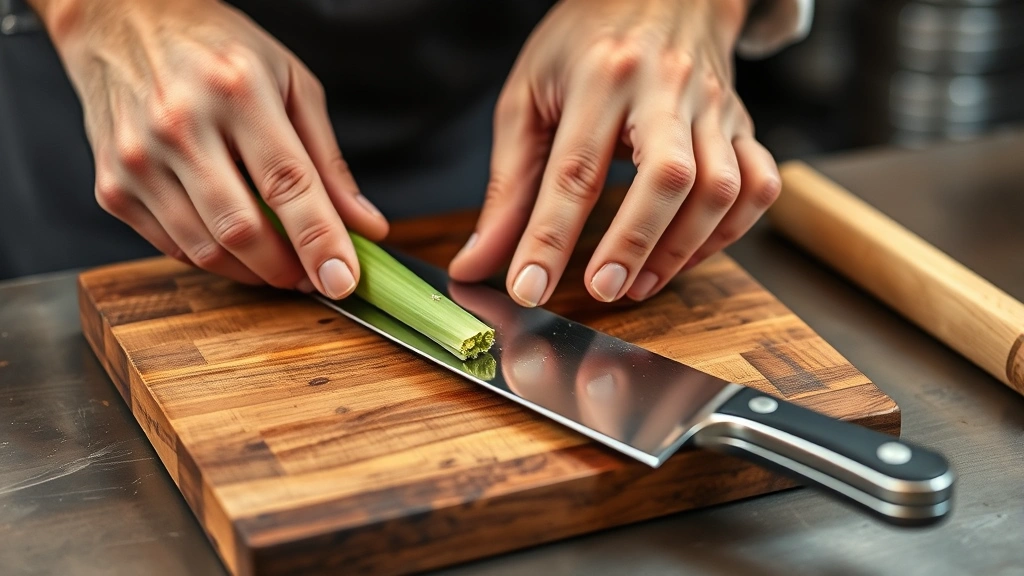
Begin by preparing all ingredients before heating any liquid. Slice lemongrass stalks into 2-3 inch pieces, bruising them gently with the side of your knife to release essential oils. This step is crucial—proper bruising exponentially increases flavor extraction. Slice galangal into thin rounds, keeping the skin intact. Crush garlic cloves lightly, leaving them whole or halving them. Slice shallots into thin rings. Deseed Thai chilies or leave them whole depending on your desired heat level. Fresh chilies add more vibrant flavor than dried, so prioritize these when possible.
Building the Broth Base
Pour your prepared broth into a large pot and bring it to a gentle boil over medium-high heat. Add lemongrass, galangal, garlic, and shallots simultaneously. These aromatics need time to infuse their flavors into the broth, requiring 5-7 minutes of gentle simmering. The broth should smell distinctly fragrant at this point, with lemongrass and galangal dominating the aroma. Avoid aggressive boiling, which can make the soup taste harsh or muddy the delicate herb flavors.
Adding Chilies and Fish Sauce
After the broth has infused for several minutes, add your Thai chilies and fish sauce. Stir well to distribute fish sauce evenly throughout the broth. Add fish sauce gradually—you can always add more, but you cannot remove it. Taste and adjust, aiming for a savory, slightly salty base that makes your mouth water. The broth should taste slightly too salty at this stage, as lime juice and fresh herbs will balance this in the final steps.
Cooking Protein
Add your chosen protein now. For shrimp, add them only in the final 2-3 minutes to prevent toughness—shrimp cooks very quickly and becomes rubbery if overcooked. For chicken, add it now and simmer for 12-15 minutes depending on piece size until fully cooked through. Mushrooms, if using, should be added 5 minutes before finishing to allow them to absorb broth flavors while maintaining their texture.
Final Seasoning and Herbs
Just before serving, remove the pot from heat and add fresh lime juice. Start with 2-3 tablespoons and taste, adjusting as needed. The soup should taste bright and balanced, with lime juice cutting through the rich, aromatic broth without making it taste aggressively sour. Immediately before serving, add fresh cilantro and Thai basil. These delicate herbs should not be cooked—their fresh aromatic qualities are essential to the finished dish.
Serving
Ladle tom yum soup into bowls, ensuring each serving contains several pieces of lemongrass, galangal, and protein. Serve immediately while the soup is hot and herbs are still fragrant. Provide lime wedges on the side, allowing diners to add additional citrus if desired. Some traditional presentations include a small bowl of fish sauce mixed with lime juice and chilies for individual seasoning adjustments.
Regional Variations and Styles
Thailand’s diverse regions have developed distinct tom yum styles, each reflecting local ingredients and preferences. Understanding these variations helps you appreciate tom yum’s flexibility while maintaining authenticity.
Tom Yum Goong (Shrimp)
This most popular version uses large shrimp and often includes additional seafood like squid or fish. The broth remains clear and light, allowing shrimp’s natural sweetness to shine. This style is most common in coastal regions and Bangkok restaurants. Tom yum goong pairs beautifully with jasmine rice and easy dinner recipes for a complete meal.
Tom Yum Gai (Chicken)
Using chicken instead of shrimp creates a heartier, more filling soup. Chicken requires longer cooking than shrimp, developing deeper broth flavors over time. This version is equally authentic and popular throughout Thailand, particularly in northern regions. The soup’s character remains consistent—spicy, sour, aromatic, and balanced.
Tom Yum Vegetarian
Modern Thai chefs have adapted tom yum for vegetarian diets, replacing shrimp with mushrooms, tofu, or vegetables while maintaining the signature flavor profile. Mushrooms (particularly shiitake or oyster varieties) absorb broth flavors beautifully and provide satisfying texture. This version is increasingly popular in health-conscious kitchens and best healthy food recipes collections.
Tom Yum with Coconut Milk
Some regions add coconut milk to tom yum, creating a creamier, richer version closer to tom yum gaeng (curry). This style, popular in southern Thailand, offers more body and richness. The coconut milk should be added after the broth has fully infused with aromatics, stirred in gently to create an even, creamy consistency. This variation works particularly well with shrimp or fish.
Professional Chef Tips and Techniques
Master chefs employ specific techniques to elevate tom yum beyond home cook versions. These professional approaches make tangible differences in the final dish.
Ingredient Quality and Sourcing
Visit Asian markets to source the best ingredients. Fresh lemongrass, galangal, and Thai chilies from specialty shops vastly surpass supermarket alternatives in flavor and potency. Build relationships with vendors who understand tom yum’s requirements and can recommend optimal choices. Quality ingredients reduce the need for excessive seasoning and create naturally balanced soup.
Bruising Technique
Proper bruising of lemongrass and galangal cannot be overstated. Use the flat side of your knife blade, applying firm pressure along the length of lemongrass stalks. This breaks cell walls and releases essential oils without destroying the aromatics. Over-bruising (like pounding) can make the soup taste harsh or bitter.
Temperature Control
Maintain gentle simmering throughout cooking, never aggressive boiling. High heat can make the broth taste harsh and muddy delicate herb flavors. Medium heat allows aromatics to infuse gradually, creating a refined, balanced broth. Professional kitchens use precise temperature control to ensure consistency across batches.
Timing of Ingredient Addition
Each ingredient has an optimal addition point. Aromatics need extended simmering, proteins need brief cooking to stay tender, and fresh herbs need minimal heat to preserve their character. Understanding these timing differences separates authentic tom yum from rushed versions that taste one-dimensional.
Taste Adjustment Strategy
Taste tom yum multiple times during cooking, adjusting one component at a time. If the soup tastes flat, add fish sauce. If it lacks brightness, add lime juice. If it needs heat, add chilies. This systematic approach prevents over-correction and maintains balance. Never over-season early in cooking—you can always add more, but you cannot remove excess.
Fresh Herb Presentation
Add cilantro and basil immediately before serving, never during cooking. Some chefs reserve a portion of fresh herbs to garnish individual bowls, creating a restaurant-quality presentation. This technique preserves the herbs’ delicate aromatics and visual appeal.
Common Mistakes to Avoid
Learning from common errors helps you achieve authentic results more quickly.
Using Dried Herbs Instead of Fresh: Dried lemongrass, galangal, and basil lack the vibrant qualities that define tom yum. While dried herbs are better than nothing, they cannot replicate fresh ingredients’ character. Always prioritize fresh components when possible.
Over-Boiling the Broth: Aggressive boiling makes tom yum taste harsh and muddy. Gentle simmering allows aromatics to infuse gradually, creating refined, balanced flavors. Maintain low-to-medium heat throughout cooking.
Adding Lime Juice Too Early: Heat degrades lime juice’s fresh citrus quality. Add lime juice only at the very end, after removing the pot from heat. This preserves its brightness and prevents the soup from tasting dull.
Skipping Fish Sauce or Using Too Little: Fish sauce provides essential umami depth and savory balance. While it smells strong, it doesn’t make the soup taste fishy when used appropriately. Add it gradually and taste as you go, but don’t eliminate it entirely.
Overcooking Shrimp: Shrimp transforms from tender to rubbery in seconds. Add shrimp in the final 2-3 minutes of cooking, removing the pot from heat as soon as they turn pink. Overcooked shrimp ruins even perfectly balanced broth.
Not Tasting Throughout Cooking: Tom yum requires constant adjustment and tasting. Different batches of ingredients vary slightly in intensity, requiring personalized seasoning. Professional chefs taste multiple times, adjusting one component at a time until perfect balance is achieved.
Using Poor-Quality Broth: Homemade broth vastly surpasses store-bought alternatives. If using commercial broth, select low-sodium versions and taste carefully before adding additional salt. Quality broth creates a refined foundation that enhances rather than masks tom yum’s aromatics.
Substituting Key Aromatics: Ginger cannot replace galangal, and regular basil cannot fully replace Thai basil. While these substitutions are possible in a pinch, they create noticeably different results. Seek out authentic ingredients for the most authentic experience.
Adding Coconut Milk Without Intention: Coconut milk changes tom yum’s character significantly, creating a richer, more curry-like dish. Add coconut milk only if deliberately creating this variation, not as an accidental addition.
Frequently Asked Questions
Can I Make Tom Yum Ahead of Time?
Tom yum soup is best served immediately after cooking, while fresh herbs retain their aromatic qualities and flavors remain bright. However, you can prepare the broth base (lemongrass, galangal, aromatics infused in broth) several hours ahead, refrigerating it until ready to serve. Add protein and fresh herbs only when serving. This approach maintains flavor quality while reducing last-minute preparation.
How Long Does Tom Yum Last in the Refrigerator?
Properly stored tom yum keeps for 3-4 days in the refrigerator in airtight containers. The broth actually develops deeper flavors after a day or two, though fresh herbs should be added only when reheating. Reheat gently over medium heat, never boiling aggressively. Freeze tom yum soup (without fresh herbs) for up to three months in freezer-safe containers.
What’s the Best Ratio of Ingredients?
For a standard pot of tom yum (4-6 servings), use approximately 6 cups broth, 3-4 stalks lemongrass, 2-3 slices galangal, 3-4 Thai chilies, 2-3 tablespoons fish sauce, and 2-3 tablespoons lime juice. These proportions create balanced soup, though adjustments depend on ingredient intensity and personal preference. Start with these amounts and taste, adjusting as needed.
Can I Use Bottled Lime Juice?
Fresh lime juice is vastly superior to bottled versions, which taste flat and artificial. If fresh limes are unavailable, bottled juice is acceptable but requires careful use—start with less, as the flavor profile differs from fresh. Always prioritize fresh limes when possible, as they are widely available year-round.
Should I Remove Lemongrass and Galangal Before Serving?
Traditional tom yum is served with lemongrass and galangal pieces still in the bowl. Diners eat around these pieces, extracting flavor as they sip the broth. Some modern restaurants strain these pieces out for a cleaner presentation. Either approach is acceptable—choose based on your preference and presentation goals.
What’s the Difference Between Tom Yum and Tom Yum Goong?
Tom yum is the general soup category, while tom yum goong specifically indicates shrimp-based tom yum. Other variations include tom yum gai (chicken), tom yum pla (fish), and vegetarian versions. The cooking method and flavor profile remain consistent across variations—only the protein differs.
How Can I Make Tom Yum Less Spicy?
Reduce the number of Thai chilies or remove their seeds before adding them to the broth. Use milder chilies if available. Remember that heat builds gradually as the soup simmers, so start conservatively and taste as you go. Adding more lime juice and broth can also dilute heat while maintaining other flavors.
Is Tom Yum Considered Healthy?
Tom yum soup offers significant nutritional benefits, featuring foods rich in antioxidants from fresh herbs and spices. The broth-based preparation is naturally low in calories while providing protein from shrimp or chicken. Herbs like cilantro and lemongrass offer anti-inflammatory properties. Tom yum makes an excellent choice for health-conscious dining without sacrificing authentic flavor.
Can I Make Tom Yum in a Slow Cooker?
Slow cookers are not ideal for tom yum, as the extended cooking time can make aromatics taste harsh and muddy. Fresh herbs lose their character during prolonged heat exposure. However, you can prepare the broth base in a slow cooker on low for 4-6 hours, then finish with protein and fresh herbs on the stovetop for optimal results.
What Are Good Side Dishes for Tom Yum?
Jasmine rice is the classic accompaniment, allowing diners to enjoy soup while sipping rice. Sticky rice works well in northern Thai cuisine. Some restaurants serve tom yum with rice noodles or fresh rice paper wraps. Consider best breakfast food recipes or other light dishes when serving tom yum as part of a larger meal.
Where Can I Learn More About Thai Cooking Techniques?
Several authoritative resources offer in-depth Thai cooking education. The Thai Culinary Arts Institute provides comprehensive courses on authentic Thai techniques. Serious Eats’ Thai cooking section offers detailed technique guides and recipes developed by culinary professionals. The Woks of Life features authentic recipes with cultural context and professional cooking guidance.
Can I Substitute Ingredients for Dietary Restrictions?
Tom yum’s core flavor profile remains consistent despite ingredient substitutions. Use vegetable broth instead of seafood broth for vegetarian versions. Replace fish sauce with soy sauce or tamari for those avoiding fermented fish products (though the flavor changes). Skip coconut milk if making a dairy-free version. The soup maintains its essential character—spicy, sour, aromatic, and balanced—across most reasonable substitutions. Consider organic vs non-organic food choices when selecting ingredients for dietary-specific versions.
What’s the Proper Way to Serve Tom Yum in a Restaurant Setting?
Professional presentation involves serving tom yum in heated bowls to maintain temperature. Include lime wedges on the side, allowing diners to adjust citrus levels. Some restaurants provide additional fish sauce mixed with lime juice and chilies for individual seasoning. Garnish with fresh cilantro and Thai basil immediately before serving, creating an aromatic, visually appealing presentation. Serve with jasmine rice on the side, allowing diners to create their ideal rice-to-soup ratio.


