Creamy Tomato Bisque: Chef-Approved Recipe for Restaurant-Quality Soup
There’s something undeniably comforting about a bowl of creamy tomato bisque—the velvety texture, the bright tomato flavor balanced with rich cream, and that subtle sweetness that makes you crave another spoonful. This classic French-inspired soup has graced fine dining tables for generations, and for good reason. It’s elegant enough to serve at dinner parties yet simple enough for weeknight meals.
Creating an authentic tomato bisque at home might seem intimidating, but with the right technique and quality ingredients, you can achieve restaurant-quality results in your own kitchen. This guide walks you through every step, from selecting the perfect tomatoes to mastering the creamy consistency that defines a true bisque.
Understanding Tomato Bisque Basics
A bisque is fundamentally different from regular soup. Traditionally, bisques are French soups made with shellfish, but modern interpretations include vegetable-based versions like tomato bisque. The key characteristics that define a true bisque are its silky, creamy texture and refined preparation method.
The foundation of an exceptional tomato bisque begins with understanding what makes it special. Unlike simple tomato soup, a bisque uses a technique called a roux—a mixture of equal parts fat and flour—to create a thickened base. This is combined with aromatic vegetables, quality tomatoes, and finished with cream to achieve that signature velvety consistency.
The beauty of tomato bisque lies in how it balances acidity with richness. Fresh tomatoes provide natural acidity and brightness, while cream and butter add luxurious depth. When these elements are properly balanced, the result is a soup that feels indulgent without being heavy.
Essential Ingredients and Their Roles
Creating the perfect bisque requires attention to ingredient quality and understanding how each component contributes to the final dish.
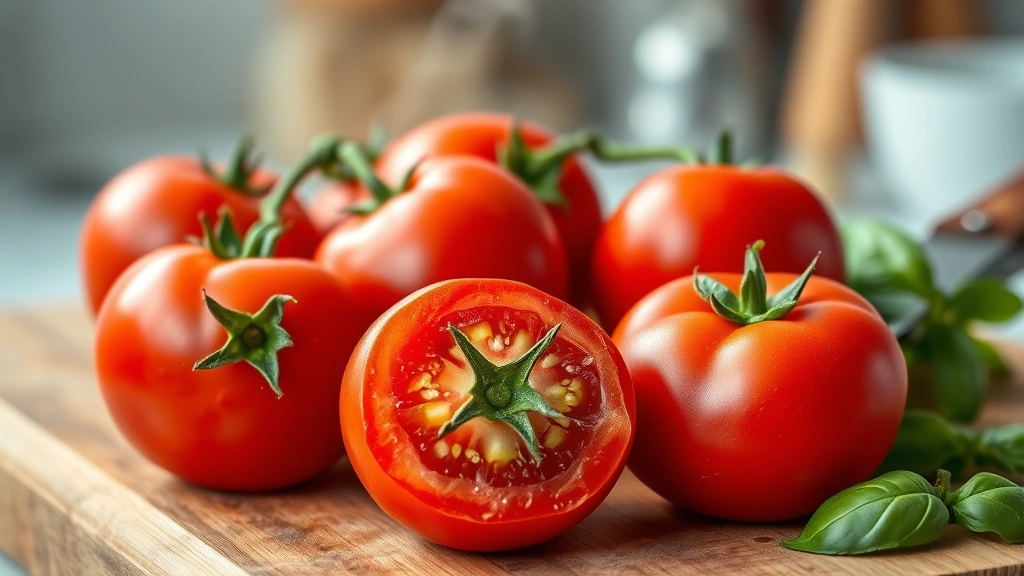
Tomatoes: Use ripe, flavorful tomatoes—either fresh San Marzano varieties or high-quality canned tomatoes. Fresh tomatoes work best during peak season (summer through early fall), while canned tomatoes provide consistent results year-round. Avoid using watery varieties; opt for paste or Roma tomatoes if using fresh.
Aromatics: Yellow onions, celery, and carrots form the classic mirepoix base. These vegetables are sautéed to develop deep flavors through caramelization. The natural sweetness of these vegetables balances the tomato’s acidity beautifully.
Butter and Roux: Unsalted butter creates the roux base, providing richness and helping develop a silky texture. The roux serves as a thickening agent, transforming the soup from watery to luxuriously creamy without relying solely on cream.
Cream: Heavy cream is added near the end of cooking to finish the bisque. It adds richness and mellows any harsh flavors while creating that signature smooth mouthfeel.
Stock: Vegetable or chicken stock provides depth and body. Vegetable stock keeps the soup purely vegetarian, while chicken stock adds subtle savory notes.
Seasonings: Salt, white pepper, sugar, and fresh basil are crucial for balancing flavors. A pinch of sugar counters acidity, while basil adds herbaceous complexity.
Step-by-Step Cooking Instructions
Ingredients (Serves 6):
- 3 tablespoons unsalted butter
- 1 large yellow onion, diced
- 2 celery stalks, diced
- 2 medium carrots, diced
- 3 tablespoons all-purpose flour
- 2 cans (28 ounces each) San Marzano tomatoes or 3 pounds fresh tomatoes, chopped
- 4 cups vegetable or chicken stock
- 1 bay leaf
- 1 teaspoon sugar
- ½ cup heavy cream
- 2 tablespoons fresh basil, chopped
- Salt and white pepper to taste
- Optional: crème fraîche or sour cream for serving
Step 1: Prepare Your Vegetables
Begin by dicing your onion, celery, and carrots into uniform, small pieces—roughly ¼ inch. Uniform sizing ensures even cooking and helps develop consistent flavors throughout the soup. If using fresh tomatoes, blanch them first by scoring the bottom with an X, dropping them into boiling water for 30 seconds, then transferring to ice water. This makes peeling easier and helps you achieve that smooth texture.
Step 2: Create the Roux Base
Heat butter in a large, heavy-bottomed pot or Dutch oven over medium heat. Once melted and foaming, add your diced onion, celery, and carrot. Cook, stirring occasionally, for 8-10 minutes until the vegetables are softened and the onions become translucent. This caramelization develops the foundation of your bisque’s flavor profile.
Sprinkle the flour over the vegetables and stir constantly for 2-3 minutes. This cooking time is crucial—it removes the raw flour taste while the fat coats the flour particles, creating a proper roux. You should see the mixture become slightly darker and smell nutty and toasted.
Step 3: Deglaze and Build Flavor
Gradually pour in your stock while stirring constantly with a wooden spoon or whisk. This prevents lumps from forming. Add the tomatoes (with their juice if using canned), bay leaf, and sugar. Stir well to combine, breaking up any remaining flour lumps.
Step 4: Simmer and Develop
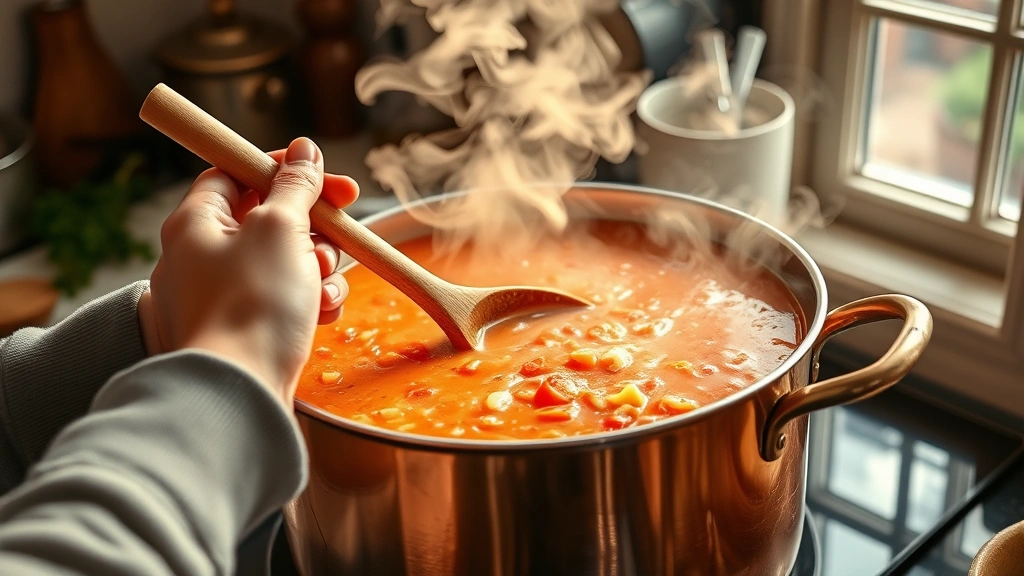
Bring the mixture to a gentle simmer over medium heat. Once simmering, reduce heat to low and cook uncovered for 20-25 minutes. This simmering time allows flavors to meld and deepen. The longer you simmer, the more developed your tomato flavor becomes, but avoid boiling vigorously as this can break down the tomato’s natural brightness.
Step 5: Blend for Smoothness
After simmering, remove the pot from heat and let cool for 5 minutes. This prevents splashing and steam burns. Using an immersion blender, carefully blend the soup until completely smooth. Work in batches if necessary, filling your blender only halfway to avoid overflow. For the silkiest texture, pass the blended soup through a fine-mesh strainer, pressing gently with the back of a spoon to extract all the flavorful liquid while leaving solids behind.
Step 6: Finish with Cream and Seasoning
Return the soup to medium-low heat. Stir in the heavy cream and fresh basil. Heat through gently—do not boil, as high heat can cause cream to separate. Taste and adjust seasonings with salt and white pepper. White pepper is preferred over black because it dissolves seamlessly and doesn’t create visible specks in the creamy soup.
Perfecting Your Technique
Achieving restaurant-quality results requires attention to technique details that many home cooks overlook.
Temperature Control: Maintain gentle heat throughout cooking. High heat can cause the cream to break, resulting in a grainy texture rather than silky smoothness. If you notice the soup breaking, remove it from heat immediately and whisk vigorously. Adding a splash of cold stock can also help restore the emulsion.
Texture Mastery: The blending step is where amateurs diverge from professionals. A true bisque should be completely smooth with no visible tomato particles. If using an immersion blender, blend longer than you think necessary—at least 2-3 minutes of continuous blending ensures complete incorporation. For ultra-refined results, strain through cheesecloth rather than a standard strainer.
Flavor Balance: Tomato bisque relies on balancing four taste elements: acidity (tomatoes), sweetness (onions, carrots, sugar), richness (butter, cream), and umami (stock, salt). Taste constantly as you cook and adjust each element. If the soup tastes too acidic, add a pinch more sugar or a splash of cream. If it lacks depth, add more stock and simmer longer.
Consistency Adjustment: If your bisque is too thick, thin with additional warm stock or cream. If too thin, make a small beurre manié (equal parts softened butter and flour mixed into a paste) and whisk it in slowly over medium heat. This adjusts consistency without diluting flavors.
Cream Integration: Rather than pouring cream directly into hot soup, try tempering it first. Add a ladle of hot soup to the cream, whisk together, then pour this mixture back into the pot. This gradual temperature adjustment prevents the cream from breaking.
Serving and Pairing Suggestions
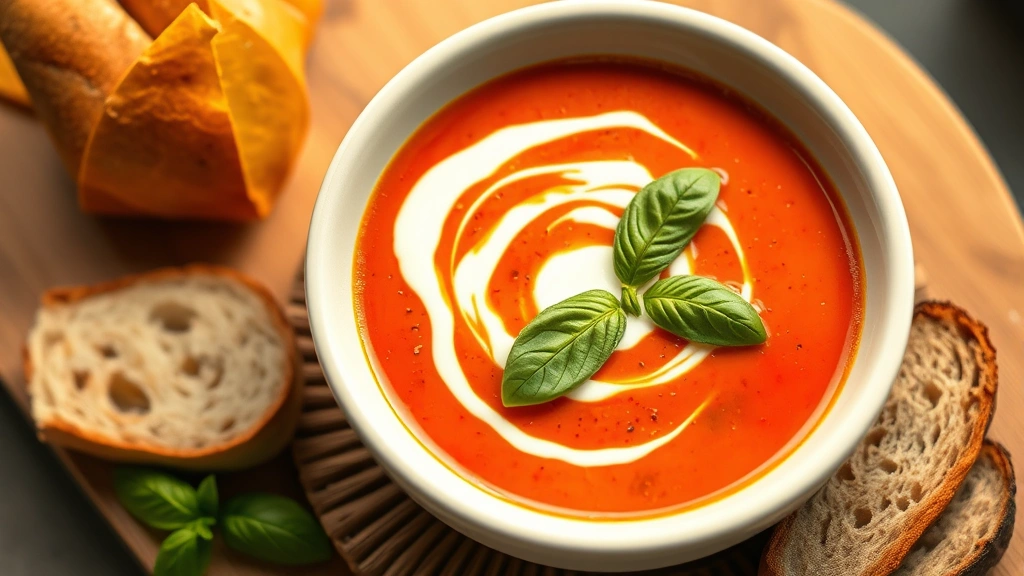
Presentation elevates your bisque from simple to elegant. Pour the soup into warmed bowls—cold bowls will cool your soup quickly. A drizzle of crème fraîche or sour cream in the center adds visual appeal and a tangy contrast. Fresh basil leaves, crispy croutons, or a grind of white pepper provide texture and interest.
This bisque pairs beautifully with grilled cheese sandwiches for casual meals or alongside salads for lighter dinners. For entertaining, serve in small cups as a first course before a main protein dish.
Consider how homemade sauces techniques can inspire garnish options. A basil oil drizzled artfully or a roasted red pepper coulis adds professional touches. Pair with crusty bread for dipping—focaccia or ciabatta work wonderfully.
Wine pairing suggestions include crisp white wines like Sauvignon Blanc or Pinot Grigio, which complement the soup’s acidity and richness without overwhelming it. For non-alcoholic options, herbal teas like chamomile provide a soothing complement.
Storage and Make-Ahead Tips
One advantage of tomato bisque is its excellent storage properties. Refrigerator: Store in airtight containers for up to 4 days. The flavors actually develop and deepen as the soup sits, making day-two servings often superior to day-one.
Freezer: Bisque freezes beautifully for up to 3 months. Cool completely before transferring to freezer-safe containers, leaving ½ inch headspace for expansion. When reheating, thaw overnight in the refrigerator, then warm gently on the stovetop over medium-low heat, stirring occasionally. Add a splash of cream if the soup seems too thick after thawing.
Make-Ahead Strategy: Prepare the soup through step 5 (after blending and straining) up to 2 days ahead. Store without the cream. When ready to serve, reheat gently and add fresh cream and basil. This approach ensures the cream’s optimal texture and the basil’s vibrant flavor.
Understanding food waste reduction tips can help you use every part of your ingredients. Save vegetable scraps in the freezer to make your own stock, and use overripe tomatoes for bisque rather than discarding them.
For those interested in organic versus non-organic ingredients, tomatoes are among the produce items where organic selection makes a noticeable flavor difference. Organic tomatoes often have more developed flavor compounds.
FAQ
What’s the difference between tomato soup and tomato bisque?
Tomato soup is typically brothier and less creamy, while bisque is defined by its creamy, velvety texture achieved through roux thickening and cream finishing. Bisque also traditionally uses more refined techniques and higher-quality ingredients.
Can I make tomato bisque without cream?
Yes, though it won’t be traditional bisque. Use crème fraîche, Greek yogurt, or coconut milk as alternatives. You’ll sacrifice some richness but maintain a creamy texture. Some chefs use a potato-based thickener or additional roux to achieve creaminess without dairy.
Why does my bisque taste bitter?
Bitterness typically comes from over-cooking or burnt vegetables. Ensure your heat is medium, not high, and stir occasionally to prevent sticking. Also, avoid cooking the roux too long—2-3 minutes is sufficient.
Can I use fresh tomatoes year-round?
While possible, canned San Marzano tomatoes during off-season provide more consistent, flavorful results than pale, watery fresh tomatoes. Peak tomato season (June through September) is when fresh tomatoes truly shine in this recipe.
How do I fix a bisque that’s too acidic?
Add a pinch of sugar (¼ teaspoon at a time), a splash of cream, or a teaspoon of butter. Each of these ingredients neutralizes acidity. Taste after each addition to avoid over-correcting.
What stock should I use?
Vegetable stock keeps the soup purely vegetarian and lets tomato flavors shine. Chicken stock adds subtle savory depth. Avoid beef stock, which overpowers the delicate tomato flavor.
Can I add other vegetables or proteins?
Absolutely. Roasted red peppers add sweetness, fresh corn provides texture, or crispy bacon adds smokiness. For proteins, shrimp or crab can transform this into a more luxurious shellfish bisque.
Why is my bisque grainy?
Graininess typically indicates the cream has broken due to high heat or temperature shock. Prevent this by keeping heat at medium-low and tempering the cream before adding it to the pot. If it happens, remove from heat and whisk vigorously, or add a splash of cold stock and whisk to re-emulsify.


