
Crafting Weakness Potion: Expert Guide to Creating the Perfect Weakening Cocktail
The term “weakness potion” might sound mystical, but in the culinary and mixology world, it refers to a carefully crafted cocktail designed to deliver smooth, seductive flavors that make you lose your guard. Whether you’re a home bartender or professional mixologist, mastering the art of creating a weakness potion—a drink so delicious it weakens your resistance—requires understanding flavor balance, ingredient quality, and presentation technique. This comprehensive guide walks you through everything you need to know about creating this captivating beverage.
A true weakness potion combines elements of sweetness, strength, and sophistication. It’s the kind of drink that sneaks up on you with its delightful complexity and leaves you wanting more. The key to success lies in selecting premium ingredients, understanding how flavors interact, and executing proper technique. Whether you prefer spirit-forward cocktails, creamy concoctions, or fruity refreshers, the principles remain consistent: balance, precision, and presentation matter.
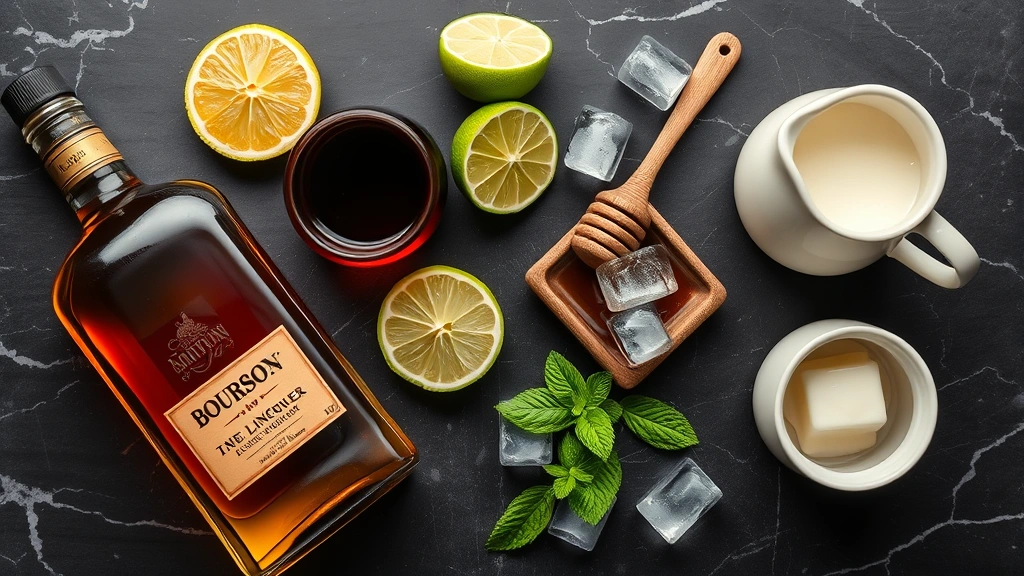
Understanding Weakness Potion Fundamentals
A weakness potion is fundamentally a cocktail engineered to be irresistibly smooth and memorable. Unlike casual mixed drinks, a weakness potion requires strategic planning. The concept centers on creating a beverage where no single element overpowers; instead, each component supports and enhances the others, resulting in a drink that’s greater than the sum of its parts.
The foundation of any weakness potion rests on three pillars: the spirit base, the modifier, and the dilution element. The spirit provides alcohol content and flavor character. The modifier—whether vermouth, liqueur, or juice—adds complexity and smoothness. Dilution through ice, citrus, or cream creates texture and mouthfeel that makes the drink feel less harsh and more approachable, even when alcohol content is substantial.
Understanding your audience matters significantly. Are you crafting weakness potions for seasoned cocktail enthusiasts or those new to mixed drinks? This determines your spirit selection, sweetness level, and overall intensity. A weakness potion for experienced drinkers might feature high-proof whiskey or aged rum, while one for broader appeal might rely on lighter spirits and more accessible flavor profiles.

Essential Ingredients and Their Roles
Creating authentic weakness potions demands familiarity with core ingredients and their specific functions in your final beverage.
Spirits as Your Foundation: The primary spirit—whether whiskey, rum, vodka, gin, or tequila—determines your potion’s character. Dark spirits like bourbon or aged rum create rich, warming potions perfect for evening enjoyment. Light spirits like vodka or white rum provide neutral canvases for other flavors. Choose spirits with depth and complexity; premium quality directly impacts your final product’s sophistication.
Liqueurs for Smoothness: Liqueurs transform harsh spirits into something seductive. Amaretto adds almond notes and silky sweetness. Coffee liqueurs like Kahlúa create depth and richness. Crème liqueurs provide luxurious texture. Fruit liqueurs add brightness and complexity. A quality weakness potion typically includes at least one liqueur that rounds out the spirit’s edges.
Citrus Elements: Fresh lemon and lime juice provide essential acidity that balances sweetness and prevents cloying flavors. Never use bottled citrus juice; the difference in freshness is dramatic. Citrus also cuts through alcohol’s burn, making drinks feel smoother and more refined. Fresh citrus juice should be incorporated within 15 minutes of juicing for optimal flavor.
Sweetening Agents: Simple syrup, honey syrup, or rich demerara syrup add sweetness and body. Some weakness potions use liqueurs as their primary sweetener, reducing or eliminating additional syrup. The sweetness level should complement your spirit choice—darker spirits pair well with deeper syrups, while lighter spirits work better with delicate sweetening.
Cream and Dairy: Heavy cream, coconut cream, or Irish cream add luxurious mouthfeel and make spirits feel less aggressive. These ingredients create silky potions that slide down smoothly. When using dairy, ensure proper technique to prevent curdling; always pour spirits into mixers, never reverse.
Bitters and Aromatics: A few dashes of quality bitters—Angostura, chocolate, or aromatic varieties—add complexity and tie flavors together. Bitters are potent; use sparingly but intentionally. Fresh herbs like mint or basil, when muddled properly, provide aromatic elements that enhance perception of smoothness.
Classic Weakness Potion Recipes
These time-tested recipes demonstrate fundamental weakness potion principles. Try the Whiskey Sour Recipe as your starting point—it perfectly illustrates balance between spirit, citrus, and sweetness.
The Velvet Hammer: This weakness potion combines 1.5 ounces bourbon, 0.75 ounces dark crème de cacao, 0.5 ounces fresh lemon juice, and 0.5 ounces rich simple syrup. Shake vigorously with ice for 12-15 seconds until properly chilled and diluted. Strain into a coupe glass and garnish with a lemon twist. The dark chocolate notes from crème de cacao merge with bourbon’s warmth, while lemon provides brightness. The result feels luxurious yet approachable.
Tropical Temptation: Blend 1.5 ounces white rum, 1 ounce coconut cream, 0.75 ounces fresh lime juice, 0.5 ounces pineapple juice, and a small pinch of sea salt. This weakness potion echoes the Virgin Pina Colada Recipe structure but with spirit sophistication. The salt amplifies tropical flavors and prevents excessive sweetness. Serve over crushed ice in a tiki glass with pineapple frond garnish.
Smoky Seduction: Combine 1.5 ounces mezcal, 0.75 ounces amaro, 0.5 ounces fresh grapefruit juice, and 0.25 ounces honey syrup. Stir with ice until properly diluted, then strain into a rocks glass over a large ice cube. Mezcal’s smoke pairs beautifully with amaro’s herbal complexity, while grapefruit adds subtle citrus notes. This weakness potion appeals to adventurous palates seeking something distinctive.
Silky Indulgence: Mix 1.5 ounces Irish whiskey, 0.5 ounces Irish cream liqueur, 0.5 ounces crème de menthe, and 0.75 ounces heavy cream. Shake briefly with ice and strain into a chilled coupe. This weakness potion tastes like an elevated dessert drink—smooth, creamy, and dangerously drinkable. The mint provides freshness preventing the drink from feeling heavy.
Advanced Mixing Techniques
Technique separates amateur drinks from professional-quality weakness potions. Proper execution ensures correct dilution, temperature, and texture.
Shaking Mastery: When shaking, use vigorous, purposeful motions for 12-15 seconds. The goal is achieving proper dilution—typically 20-25% additional volume from melting ice—without over-aerating. Shaking works best for drinks containing citrus, cream, eggs, or lighter spirits. Hold your shaker firmly, with one hand on the tin and one on the mixing glass. Shake away from your body at approximately 45-degree angles, creating rhythmic motion.
Stirring Precision: Spirit-forward weakness potions benefit from stirring rather than shaking. Use a bar spoon with a long handle, stirring continuously for 30-40 seconds in a mixing glass filled with ice. Stirring achieves dilution more gently, preserving the drink’s silky texture while achieving proper temperature (around 28°F). This technique works beautifully for Frozen Margarita Recipe variations and spirit-heavy cocktails.
Layering for Visual Impact: Some weakness potions benefit from careful layering, where denser ingredients settle below lighter ones. Using the back of a bar spoon, pour ingredients slowly over ice, allowing each layer to settle. This creates beautiful visual presentations and sometimes distinct flavor experiences as you sip through layers.
Proper Straining: Use a Hawthorne strainer for shaken drinks and a julep strainer for stirred cocktails. Strain smoothly into your serving glass, leaving ice behind in the mixing vessel. This prevents over-dilution and ensures your weakness potion maintains proper balance and temperature.
Flavor Balance and Layering
The magic of weakness potions lies in flavor balance—no single element dominates, yet each contributes meaningfully.
The Sweet-Tart Balance: Sweetness and acidity must complement rather than compete. A good ratio uses equal parts sweet and sour elements (0.5 ounces each) against 1.5 ounces spirit. However, when using liqueurs providing significant sweetness, reduce additional syrup accordingly. Taste as you develop recipes; your palate is the ultimate guide.
Spirit-to-Modifier Ratios: Traditional weakness potions typically use 2:1 spirit to modifier ratios. However, this varies based on spirit intensity. A high-proof bourbon might pair well with 3:1 ratios, while delicate vodka might work better at 1.5:1. Balance ensures the spirit shines without overwhelming other components.
Aromatic Layering: Beyond taste, consider aroma—the first element drinkers experience. Citrus peels express essential oils over the drink’s surface, creating immediate aromatic impact. Bitters add complexity. Fresh herbs release aromatics when gently slapped. These elements create multi-sensory weakness potions that engage before the first sip.
Temperature Considerations: Proper chilling dramatically impacts smoothness perception. Weakness potions served ice-cold feel silkier than those served at higher temperatures. Ensure all ingredients are pre-chilled, use fresh ice, and chill your serving glass before pouring. This attention to detail transforms good potions into exceptional ones.
Presentation and Garnish Mastery
Presentation significantly impacts the weakness potion experience. A beautifully presented drink tastes better—this isn’t psychology but rather how presentation engages multiple senses.
Glassware Selection: Different glasses serve functional and aesthetic purposes. Coupe glasses suit elegant, spirit-forward potions. Rocks glasses work for stirred, spirit-heavy drinks. Tiki glasses enhance tropical potions. Hurricane glasses showcase layered presentations. Match your glassware to your potion’s character.
Garnish Techniques: Citrus twists express oils over the drink’s surface, adding aroma and subtle flavor. Cut twists from thick-skinned citrus, removing pith to prevent bitterness. Herb sprigs should be fresh and fragrant—slap gently before adding to release aromatics. Edible flowers add visual sophistication. Always ensure garnishes are food-safe and pesticide-free.
Ice Considerations: Large, single ice cubes melt slowly, preventing excessive dilution in sipped drinks. Crushed ice suits tropical potions where faster dilution creates desired texture evolution. Clear ice looks more refined than cloudy ice. If making ice at home, use filtered water and freeze slowly for clarity.
Serving Temperature: Weakness potions should be served cold but not so cold that flavors become muted. 28-32°F is ideal. Pre-chill glasses by filling with ice water while preparing your potion, discarding water just before pouring. This small detail ensures your carefully crafted drink maintains its intended temperature throughout.
Common Mistakes to Avoid
Even experienced mixologists make errors that diminish weakness potion quality. Learning these mistakes prevents disappointing results.
Under-Dilution: Many home bartenders under-shake or under-stir, resulting in drinks that feel harsh and unbalanced. Proper dilution is essential—it’s not watering down but rather integrating ice into your potion to achieve smoothness. Aim for 20-25% additional volume from melting ice.
Bottled Juice Shortcuts: Using bottled citrus juice instead of fresh fundamentally compromises your weakness potion. The flavor difference is dramatic and immediately noticeable. Fresh juice takes minimal effort—squeeze before serving and your potion improves exponentially.
Incorrect Proportions: Following recipes precisely matters initially, but understanding why proportions exist helps you adapt successfully. If your weakness potion tastes too sweet, reduce sweetener by 0.25 ounces and increase citrus proportionally. If too tart, add sweetness in 0.25-ounce increments.
Poor Quality Spirits: You cannot create an excellent weakness potion from mediocre spirits. Invest in mid-to-premium brands—not necessarily the most expensive, but quality bottles with good reputations. The spirit comprises 50% of your drink’s volume; this is where to allocate budget.
Neglecting Temperature Control: Warm ingredients, warm glasses, and warm mixing vessels all contribute to weak potions. Pre-chill everything. Use fresh, cold ice. Shake or stir properly. These habits ensure your weakness potion achieves the silky smoothness that makes it irresistible.
Muddy Flavor Profiles: Adding too many ingredients creates confused, muddy flavors. Excellent weakness potions typically contain 4-5 components maximum. Each ingredient should serve a clear purpose. If you can’t articulate why something’s included, remove it.
Explore Comfort Food Recipes for food pairings that complement your weakness potions beautifully. Consider Easy Homemade Bread Recipes for appetizers, or browse Fall Recipes for seasonal potion inspirations.
For deeper mixology knowledge, consult Cocktail Safety and Technique Resources for professional standards. The Imbibe Magazine offers cutting-edge cocktail trends and recipes. Liquor.com provides spirit education and pairing suggestions. For ingredient sourcing, explore The Spice House for specialty items, and consult Jeffrey Morgenthaler’s cocktail blog for expert techniques and innovative recipes.
FAQ
What Makes a Weakness Potion Different from Regular Cocktails?
Weakness potions are specifically engineered to be irresistibly smooth and dangerous—they taste so good you lose track of alcohol consumption. They prioritize silky mouthfeel, balanced flavors, and creeping alcohol warmth over bold, obvious tastes. The goal is creating something that weakens your resistance through sheer deliciousness.
Can I Prepare Weakness Potions in Advance?
Some components can be prepared ahead—syrups, infusions, and pre-made cocktail batches. However, individual weakness potions should be prepared to order. Shaking or stirring immediately before serving ensures proper temperature, dilution, and carbonation (if applicable). Prepare components, not finished drinks, for optimal results.
Which Spirit Works Best for Weakness Potions?
Different spirits create different weakness potions. Bourbon offers warmth and vanilla notes. Rum provides sweetness and tropical character. Whiskey delivers complexity. Vodka serves as a neutral base. Gin adds botanical sophistication. Choose based on your desired flavor profile and target audience preferences.
How Do I Know If My Weakness Potion Is Properly Diluted?
Properly diluted weakness potions taste smooth, balanced, and slightly chilled without tasting watery. If your potion tastes harsh or alcohol-forward, it needs more dilution. If it tastes weak or thin, you’ve over-diluted. The sweet spot typically involves 20-25% additional volume from melted ice. Taste and adjust accordingly.
What’s the Best Way to Store Homemade Syrups for Weakness Potions?
Store syrups in sealed glass bottles in the refrigerator for up to three weeks. Basic simple syrup (equal parts sugar and water) lasts longest. Herbal or fruit-infused syrups spoil faster; use within 10-14 days. Always use clean bottles and utensils to prevent contamination. Label bottles with contents and preparation dates.
Can Non-Drinkers Enjoy Weakness Potions?
Absolutely. Many weakness potion recipes can be adapted by substituting spirits with complementary non-alcoholic ingredients. Use additional fruit juices, syrups, or non-alcoholic bitters to maintain flavor complexity. The principles of balance, quality ingredients, and proper technique apply equally to virgin versions.


