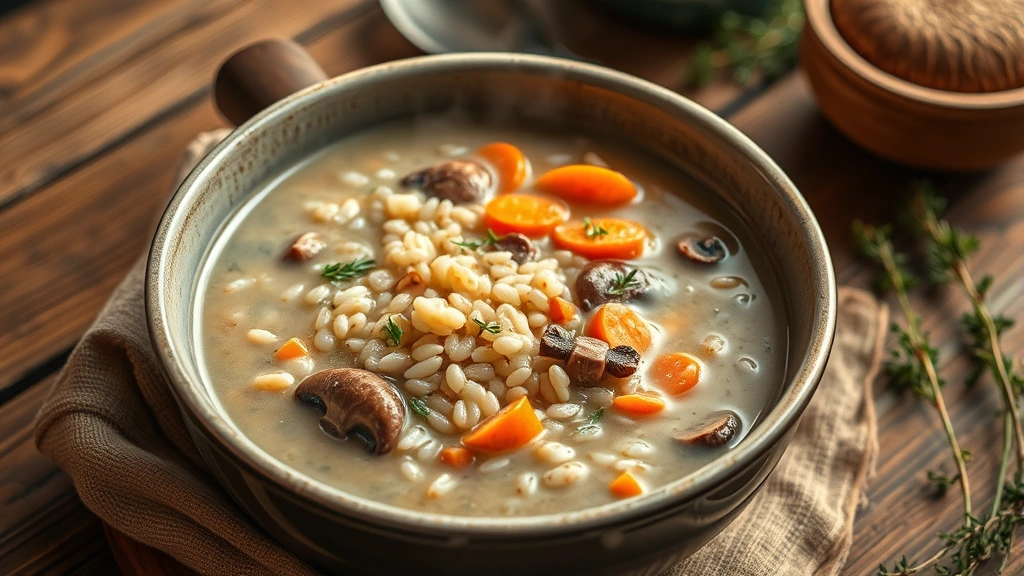
Wild Rice Soup: A Comforting Family Favorite Recipe
Wild rice soup is the ultimate comfort food that brings families together around the dinner table. This hearty, warming dish combines nutty wild rice with tender vegetables, creamy broth, and savory seasonings to create a meal that’s both satisfying and deeply nourishing. Whether you’re looking for a cozy weeknight dinner or a dish to impress guests, this wild rice soup recipe delivers warmth and flavor in every spoonful.
What makes wild rice soup so special is its versatility and heartiness. Unlike regular white rice, wild rice has a chewy texture and distinctive earthy flavor that elevates any soup. This recipe has been passed down through generations, adapted and perfected by home cooks who understand that the best meals are those made with love and quality ingredients. The combination of vegetables, herbs, and creamy elements creates a rich, satisfying broth that keeps everyone coming back for seconds.
What is Wild Rice and Why It’s Perfect for Soup
Wild rice is not actually rice at all, but rather the seed of an aquatic grass native to North America. This ancient grain has been harvested for centuries and remains a staple in many cuisines, particularly in Midwestern cooking. Unlike cultivated white or brown rice, wild rice has a distinctly nutty flavor and chewy texture that adds complexity and depth to soups.
The nutritional profile of wild rice makes it an excellent choice for health-conscious cooks. It’s higher in protein than regular rice, contains essential amino acids, and is rich in fiber and B vitamins. When you combine wild rice with vegetables and broth, you’re creating a naturally wholesome dish that nourishes the body while satisfying the soul. The grain’s ability to absorb flavors while maintaining its structure makes it ideal for long-simmered soups where all ingredients meld together beautifully.
Wild rice also has a longer cooking time than regular rice, which works perfectly for soup-making. This extended cooking time allows the rice to fully hydrate, becoming tender while still maintaining a slight chew. The starches released during cooking help create a naturally creamy broth without requiring excessive cream, though many traditional recipes do include cream for extra richness.
Essential Ingredients for Wild Rice Soup
Creating an authentic wild rice soup requires quality ingredients and proper proportions. Here’s what you’ll need to make this family favorite:
- Wild rice – 1 cup raw (about 3 cups cooked). Look for high-quality, hand-harvested varieties for best flavor
- Butter – 3 tablespoons for sautéing aromatics
- Onion – 1 large yellow onion, diced finely
- Celery – 2 stalks, diced
- Carrots – 2 medium carrots, diced into small pieces
- Mushrooms – 8 ounces, sliced (cremini or button mushrooms work well)
- Chicken or vegetable broth – 8 cups, preferably homemade or low-sodium
- Heavy cream – 1 cup (or half-and-half for lighter version)
- All-purpose flour – 3 tablespoons for roux
- Salt and pepper – to taste
- Dried thyme – 1 teaspoon
- Bay leaf – 1 whole
- Chicken stock base – 1 tablespoon (optional but recommended)
The beauty of this recipe lies in the quality of your base ingredients. Fresh vegetables, good broth, and properly stored wild rice will make a noticeable difference in the final product. Many cooks prefer making their own vegetable or chicken broth, which adds layers of flavor that store-bought versions sometimes lack.
Step-by-Step Cooking Instructions
Step 1: Prepare and Rinse the Wild Rice
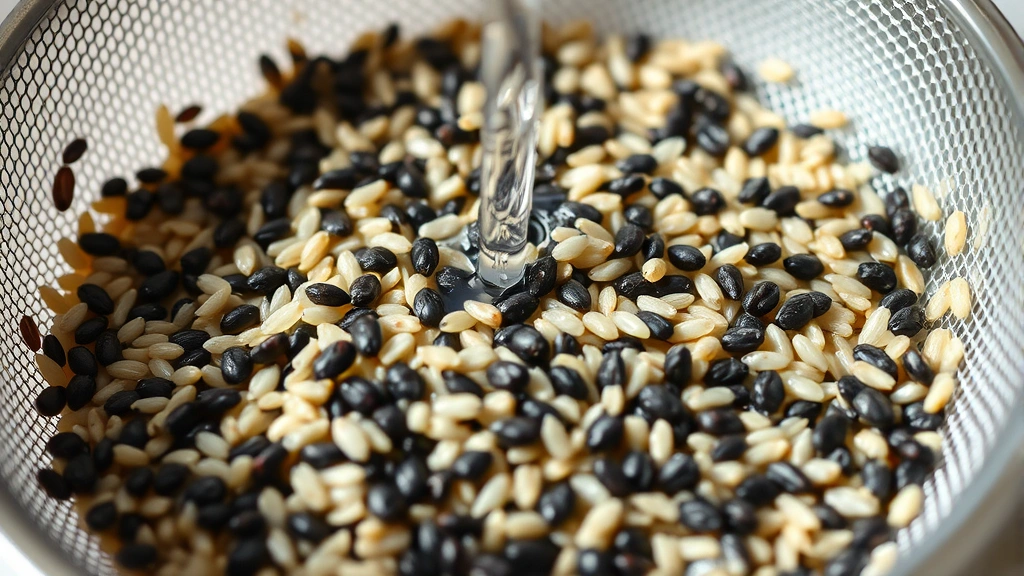
Start by rinsing your wild rice under cool running water. Place the rice in a fine-mesh strainer and rinse thoroughly for about one minute. This removes any debris or dust that may be present. Some cooks prefer to toast their wild rice in a dry skillet for a few minutes before cooking, which intensifies the nutty flavor. If you choose to do this, toast over medium heat for about 3-4 minutes, stirring frequently, until fragrant.
Step 2: Create Your Aromatics Base
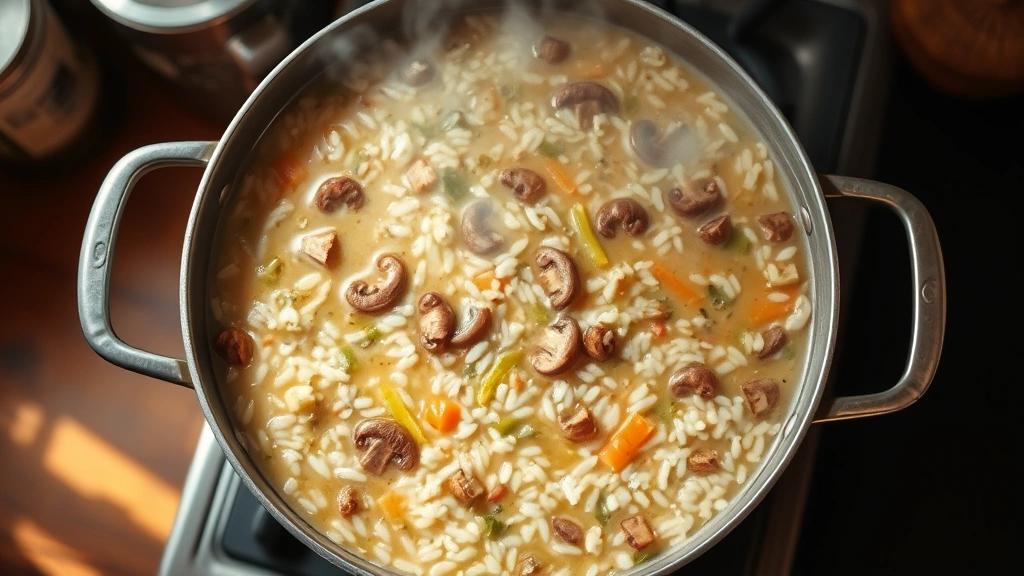
Heat 3 tablespoons of butter in a large soup pot or Dutch oven over medium heat. Once the butter is foaming, add your diced onion and cook for about 5 minutes, stirring occasionally, until the onion becomes translucent and fragrant. This process, called sweating the onions, develops a sweet, mellow flavor that forms the foundation of your soup. Add the diced celery and carrots, continuing to cook for another 3-4 minutes. These vegetables should soften slightly but still retain some texture.
Step 3: Add the Mushrooms
Add your sliced mushrooms to the pot with the other vegetables. Mushrooms add an umami depth that elevates the entire dish. Cook the mushroom mixture for about 5-6 minutes, stirring occasionally, until the mushrooms release their moisture and begin to brown slightly. This browning process, called the Maillard reaction, creates complex flavors through the interaction of proteins and sugars.
Step 4: Make a Roux
Sprinkle the all-purpose flour over the vegetable mixture and stir well, coating all vegetables evenly. Cook this flour-vegetable mixture for about 1-2 minutes, stirring constantly. This roux will thicken your soup and create a silky mouthfeel. The cooking time is important—you want to cook out the raw flour taste without allowing the mixture to brown significantly.
Step 5: Add Broth and Rice
Slowly pour in your chicken or vegetable broth, stirring constantly to prevent lumps from forming. Add the rinsed wild rice, bay leaf, dried thyme, and chicken stock base if using. Bring the mixture to a boil, then reduce heat to a gentle simmer. This is a critical point in the cooking process—you want a gentle, rolling simmer rather than a vigorous boil, which can cause the rice to break down and make the broth cloudy.
Step 6: Simmer Until Rice is Tender
Allow the soup to simmer uncovered for about 45-60 minutes. The exact time depends on your wild rice variety and how finely you prefer the texture. Stir occasionally to ensure even cooking and prevent sticking on the bottom of the pot. The wild rice is done when the kernels have opened slightly and the interior is tender but still has a slight chew. You should be able to easily bite through a grain without resistance.
Step 7: Finish with Cream
Once the rice is tender and the broth is flavorful, reduce heat to low. Slowly stir in the heavy cream, ensuring it incorporates smoothly throughout the soup. If you’re making healthy crock pot recipes, you might use half-and-half instead for a lighter version. Taste the soup and adjust seasoning with salt and pepper as needed. Remember that the chicken stock base already contains salt, so taste before adding additional salt.
Step 8: Rest and Serve
Let the finished soup rest for 5-10 minutes off heat before serving. This resting period allows the flavors to meld and the soup to reach an ideal serving temperature. Ladle into bowls and serve with crusty bread or oyster crackers. A dollop of sour cream or fresh parsley makes an excellent garnish.
Tips for Perfect Wild Rice Soup Every Time
Don’t Rush the Cooking Process
Wild rice soup is not a quick meal, and that’s part of its charm. The slow cooking process allows all ingredients to develop flavor and create a harmonious whole. Attempting to speed up the process by using high heat or pre-cooked wild rice often results in a less flavorful, less satisfying soup. Patience is essential when making this family favorite recipe.
Use Quality Broth
The broth is the backbone of your soup, so invest in quality. Homemade broth is ideal, but if using store-bought, choose low-sodium options so you can control the salt level. Avoid broths with excessive additives or flavoring agents that might overpower the delicate wild rice flavor.
Toast Your Wild Rice
While optional, toasting wild rice before cooking intensifies its nutty flavor. Simply place the rinsed rice in a dry skillet over medium heat and stir frequently for 3-4 minutes until fragrant. This extra step takes just a few minutes but noticeably improves the final result.
Don’t Overcook the Rice
Wild rice should be tender but still have a slight chew. Overcooking results in mushy rice that falls apart and makes the broth cloudy. Start checking the rice at the 45-minute mark and taste frequently. Different varieties cook at different rates, so cooking time can vary.
Adjust Consistency to Your Preference
Some people prefer a brothier soup, while others like it thick and hearty. If your finished soup seems too thick, add additional broth or cream. If too thin, you can make a beurre manié (equal parts butter and flour mixed into a paste) and whisk it in gradually while simmering. This thickens the soup without adding flour taste.
Make It Ahead
Wild rice soup actually improves when made a day or two ahead. The flavors continue to develop and marry together during storage. Cool the soup completely before refrigerating, and reheat gently over low heat, adding additional broth if needed since the rice continues to absorb liquid during storage.
Flavor Variations and Customizations
Protein Additions
While this soup is delicious on its own, adding protein makes it a complete meal. Shredded rotisserie chicken is the most traditional addition—stir in about 2 cups of cooked chicken during the final 5 minutes of cooking. For a different twist, try diced ham, turkey, or even crispy bacon crumbled on top as a garnish.
Vegetable Variations
Feel free to customize vegetables based on what you have available or your preferences. Diced bell peppers add sweetness and color. Fresh spinach or kale can be stirred in at the end for added nutrition. Some cooks add diced zucchini or green beans for variety. The key is maintaining the proper ratio of vegetables to rice and broth.
Herb and Spice Adjustments
While thyme is traditional, you can experiment with other herbs. Sage pairs beautifully with wild rice. Fresh parsley added at the end brightens the flavor. A pinch of nutmeg or white pepper adds subtle complexity. Some cooks add a small amount of smoked paprika for a hint of smokiness that complements the nutty rice.
Creamier or Lighter Versions
For a richer soup, use all heavy cream. For a lighter version, substitute half-and-half or even whole milk, though the soup won’t be quite as luxurious. For a dairy-free version, use coconut milk or a quality plant-based cream alternative. The soup will taste different but still be delicious.
Serving Suggestions and Pairings
Wild rice soup is hearty enough to serve as a main course, but it also works well as a starter course for a larger meal. Serve it with complementary sides and accompaniments:
Bread and Crackers
Crusty sourdough bread, warm dinner rolls, or buttered toast are perfect for soaking up the creamy broth. Oyster crackers provide a traditional crunch, while breadsticks offer a more elegant presentation. For a lighter option, serve with whole grain crackers.
Salad Pairings
A crisp green salad with vinaigrette provides a nice contrast to the rich, creamy soup. A simple arugula salad with lemon dressing or a mixed greens salad with balsamic vinaigrette works beautifully. The acidity cuts through the richness and refreshes the palate between spoonfuls.
Sauce Accompaniments
While not traditional, you could serve this soup alongside remoulade sauce recipe or cocktail sauce recipe options if serving seafood sides. For vegetarian meals, a bang bang sauce recipe drizzled on vegetables creates an interesting flavor combination.
Beverage Pairings
A crisp white wine like Sauvignon Blanc or Pinot Grigio pairs nicely with wild rice soup. For non-alcoholic options, apple cider, herbal tea, or even a simple sparkling water with lemon complements the meal well.
Meal Planning Integration
Wild rice soup fits perfectly into a weekly meal plan. Make a large batch on Sunday and enjoy leftovers throughout the week. It pairs well with quick breakfast recipes for meal prep, or serve alongside baked halibut recipes for an elegant dinner. The soup’s hearty nature makes it suitable for lunch or dinner, and it reheats beautifully.
FAQ
How long does wild rice soup keep in the refrigerator?
Properly stored wild rice soup will keep in the refrigerator for 3-4 days in an airtight container. The soup continues to thicken as the rice absorbs liquid during storage, so you may need to add additional broth when reheating. Always reheat gently over low to medium heat rather than high heat, which can cause the cream to separate or scorch.
Can I freeze wild rice soup?
Yes, wild rice soup freezes well for up to 3 months. Cool the soup completely before transferring to freezer-safe containers or bags. For best results, slightly undercook the rice before freezing, as it will continue to soften during thawing and reheating. Thaw overnight in the refrigerator before reheating on the stovetop.
What if my wild rice is still hard after cooking?
Different varieties of wild rice have different cooking times. If your rice isn’t tender after 60 minutes, continue simmering and check every 10 minutes. Some varieties may take up to 90 minutes. Ensure your heat is at a gentle simmer—too much heat can prevent the rice from hydrating properly. If the broth is absorbed before the rice is tender, add additional warm broth gradually.
Can I make this soup without cream?
Absolutely. You can omit the cream entirely or replace it with a non-dairy alternative. The soup will be brothier and lighter, but still delicious. Some cooks create a creamier texture by blending a portion of the cooked soup and stirring it back in, which creates body without added cream.
Is wild rice soup naturally gluten-free?
Wild rice itself is gluten-free, but the roux made with all-purpose flour contains gluten. To make gluten-free wild rice soup, replace the all-purpose flour with rice flour, cornstarch, or a gluten-free flour blend. Use the same amount and prepare the roux the same way. Always verify that your broth is certified gluten-free.
What’s the difference between wild rice and regular rice for soup?
Wild rice has a distinctly nutty flavor, chewy texture, and takes longer to cook (45-60 minutes versus 15-20 minutes for regular rice). It contains more protein and fiber and holds its shape better during cooking, creating a more interesting texture in the finished soup. Regular rice would create a mushier, less interesting soup.
Can I use a slow cooker to make wild rice soup?
Yes, wild rice soup adapts well to slow cooker cooking. Brown your vegetables in a skillet first, then transfer everything to the slow cooker with broth and rice. Cook on low for 6-8 hours or high for 3-4 hours. Add cream during the last 30 minutes of cooking. Slow cooking creates very tender rice and well-developed flavors, though the soup will be thicker than stovetop versions.
What’s the best wild rice brand to use?
Look for hand-harvested Minnesota wild rice for the best flavor and texture. Brands like Cohasset, White Earth, and local Native American producers offer excellent quality. Avoid pre-cooked or quick-cooking varieties, which lack the distinctive texture and flavor that make wild rice soup special. Purchase from reputable sources and store in an airtight container away from heat and light.


