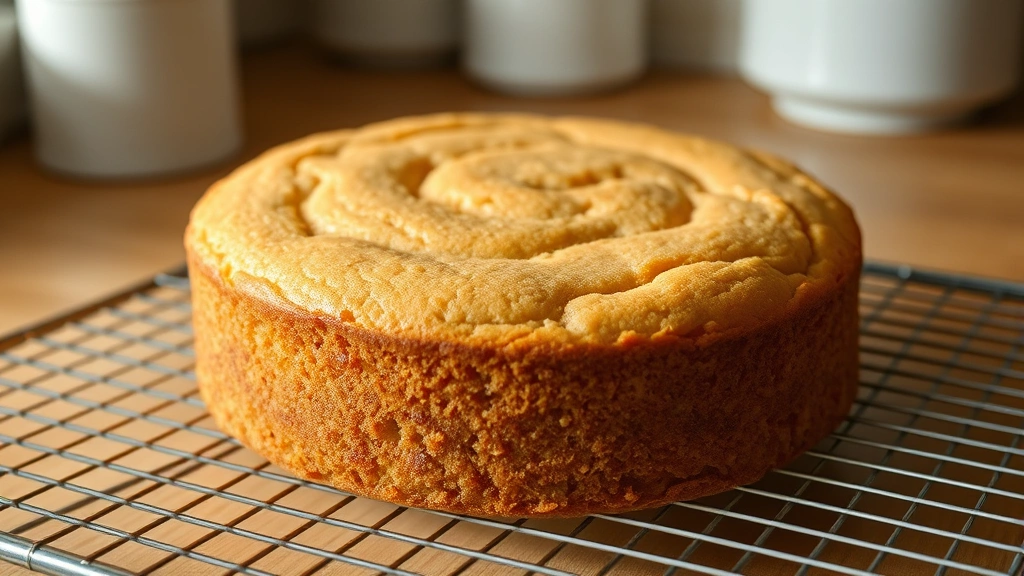
Ultimate 7 Up Cake Recipe: Grandma’s Favorite Lemon-Lime Dessert
There’s something magical about a 7 Up cake recipe that brings back memories of simpler times and grandmother’s kitchen. This classic dessert has been a beloved staple in American households for decades, and for good reason. The combination of tangy citrus flavor from the lemon-lime soda with moist, tender cake creates a dessert that’s both nostalgic and irresistibly delicious. Whether you’re baking for a family gathering, church potluck, or simply want to recreate those cherished childhood memories, this ultimate 7 Up cake recipe will not disappoint.
What makes this cake truly special is how the 7 Up soda works its magic during baking. The carbonation creates an incredibly light and fluffy crumb structure, while the citrus notes add a subtle sweetness and depth of flavor that regular vanilla cake simply cannot achieve. Paired with a buttery frosting and optional lemon glaze, this cake becomes the star of any dessert table. The beauty of this recipe lies in its simplicity—it requires basic ingredients you likely already have in your pantry, yet delivers impressive results that taste like they came from a professional bakery.
This comprehensive guide will walk you through everything you need to know about making the perfect 7 Up cake, from ingredient selection to frosting techniques. Whether you’re a seasoned baker or someone who rarely steps foot in the kitchen, you’ll find the instructions clear, manageable, and foolproof. Let’s dive into this timeless recipe that has earned its place as a family favorite across generations.
Ingredients You’ll Need for the Perfect 7 Up Cake
The ingredient list for this classic 7 Up cake recipe is refreshingly straightforward, which is part of its enduring appeal. You won’t need to hunt down obscure specialty items or make multiple trips to the grocery store. Let’s break down exactly what you’ll need to create this delightful dessert.
For the cake itself, you’ll need 3 cups all-purpose flour, which serves as the structural foundation of your baked good. ½ teaspoon salt enhances the other flavors and prevents the cake from tasting flat. ½ teaspoon baking soda works in conjunction with the acidic elements to provide lift and create that desirable tender crumb. 1 cup (2 sticks) unsalted butter, softened to room temperature, creates richness and helps incorporate air when creamed with sugar. 3 cups granulated sugar sweetens the cake and contributes to the moist texture. 4 large eggs, also at room temperature, bind ingredients together and add structure.
The star ingredient is one 12-ounce bottle of 7 Up or Sprite (or similar lemon-lime soda), which replaces traditional milk or buttermilk and adds that signature citrus flavor and carbonation. You’ll also need 1 tablespoon fresh lemon juice to intensify the citrus notes, though this is optional if you prefer a more subtle flavor. Some bakers add 1 teaspoon lemon extract for additional depth, though this is also customizable based on your preference.
For frosting, prepare 1 cup (2 sticks) unsalted butter, 4-5 cups powdered sugar, 2-3 tablespoons fresh lemon juice or milk, and ½ teaspoon vanilla extract. If you want to make a glaze instead of traditional frosting, you’ll need 2 cups powdered sugar, 3-4 tablespoons fresh lemon juice, and 1 tablespoon butter melted.
Step-by-Step Instructions for Baking Success
Preheat your oven to 325°F and position the rack in the center. This lower temperature compared to standard cake baking (usually 350°F) helps prevent the outside from browning too quickly while the inside bakes through. Grease and flour two 9-inch round cake pans, or you can line them with parchment paper for even easier removal. Some bakers prefer bundt pans for a more dramatic presentation.
In a medium mixing bowl, whisk together the flour, salt, and baking soda. Set this dry mixture aside. In a large mixing bowl, cream together the softened butter and sugar using an electric mixer on medium speed. Beat for approximately 3-4 minutes until the mixture becomes light, fluffy, and pale in color. This step is crucial because it incorporates air into the batter, which contributes to the cake’s light texture.
Add the eggs to the butter mixture one at a time, beating well after each addition. This gradual incorporation ensures even mixing and prevents the batter from becoming too thin or separated. After all eggs are incorporated, add the lemon juice and lemon extract if using, and beat until combined.
Now for the critical part: alternately add the dry ingredients and 7 Up to the wet mixture, beginning and ending with the dry ingredients. A typical pattern would be: dry mixture, 7 Up, dry mixture, 7 Up, dry mixture. Mix on low speed after each addition, just until combined. Do not overmix at this stage, as this can develop gluten and result in a tougher, denser cake. The batter should look slightly lumpy—this is exactly what you want.
Divide the batter evenly between your prepared pans. Use an ice cream scoop or measuring cup for even distribution, which ensures both cakes bake at the same rate. Bake for 35-40 minutes, or until a toothpick inserted in the center comes out clean or with just a few moist crumbs. The cake should be golden brown and spring back when lightly touched.
Remove the cakes from the oven and cool in the pans for 15 minutes, then turn out onto wire cooling racks. Allow the cakes to cool completely to room temperature before frosting—this typically takes 1-2 hours. Frosting a warm cake will cause the frosting to melt and slide off, so patience is important here.
Once cooled, you can level the cake tops with a serrated knife if they’ve domed during baking. Place one cake layer on your serving plate and spread a generous layer of frosting on top. Add the second cake layer and frost the top and sides. If desired, add a drizzle of lemon glaze over the finished cake for extra shine and tartness.
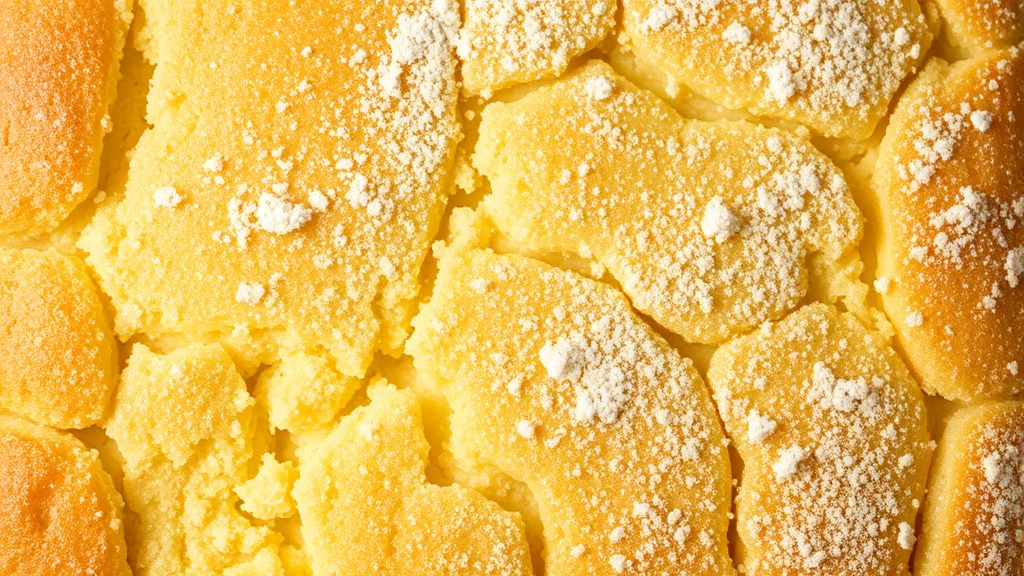
” alt=”Freshly baked golden 7 Up cake layer with light crumb structure, showing the characteristic moist tender texture”>
Expert Baking Tips for Guaranteed Success
Understanding the science behind this cake helps you troubleshoot and achieve perfect results every time. The 7 Up cake recipe relies on several key principles that differentiate it from standard yellow cakes.
Temperature control is paramount. Ensure all ingredients, especially butter and eggs, are at room temperature before mixing. Cold ingredients don’t incorporate as smoothly, resulting in a less uniform crumb. You can remove eggs from the refrigerator 30 minutes before baking, or place them in warm (not hot) water for 5 minutes to quickly bring them to room temperature.
The carbonation in 7 Up is significant. Don’t open the soda bottle until you’re ready to use it, as the carbonation will gradually escape once opened. If you must open it ahead of time, use it within 30 minutes. Some bakers even chill the soda before using it to preserve maximum carbonation. This carbonation creates tiny air bubbles throughout the batter, contributing to the cake’s signature light and airy texture.
Don’t skip the creaming step. When you cream butter and sugar together, you’re incorporating air that will expand during baking. Under-creaming results in a denser cake, while over-creaming can actually cause the mixture to break down. Three to four minutes of beating on medium speed is ideal for most home mixers.
When alternating wet and dry ingredients, the sequence matters. Always begin and end with dry ingredients to prevent the batter from becoming too thin or separating. The dry ingredients act as a buffer, helping emulsify the batter and prevent curdling.
Use an oven thermometer to verify your oven temperature. Many home ovens run hot or cold, which can significantly affect baking times and results. A cake baked at 350°F instead of 325°F could bake 5-10 minutes faster and potentially overbake.
For perfectly level cakes, use cake strips or wrap wet towels around your cake pans before baking. This slows heat transfer to the edges, allowing the cake to bake more evenly and reducing doming. Alternatively, fill pans to the same height—about two-thirds full—which helps cakes rise evenly.
Consider making this cake a day ahead. Cakes actually taste better the next day because the flavors have time to meld and the crumb becomes slightly more moist. Wrap unfrosted cake layers tightly in plastic wrap and store at room temperature or in the refrigerator for up to three days.
Frosting and Glaze Options
The frosting you choose can dramatically impact the final presentation and flavor profile of your cake. Here are several approaches that work beautifully with the 7 Up cake recipe.
Classic American Buttercream Frosting is the traditional choice for this cake. Beat softened butter until creamy, then gradually add powdered sugar while mixing on low speed. Once all sugar is incorporated, increase speed to medium-high and beat for 2-3 minutes until light and fluffy. Add lemon juice and vanilla extract, adjusting the consistency with additional milk if needed. This frosting is smooth, spreadable, and holds its shape beautifully.
For a Cream Cheese Frosting variation, blend 8 ounces softened cream cheese with ½ cup softened butter, then add 3-4 cups powdered sugar and 1 tablespoon lemon juice. This creates a tangier frosting that complements the citrus cake wonderfully. The slight tartness of cream cheese enhances the 7 Up flavor profile. This frosting is slightly softer than traditional buttercream, so keep the frosted cake in a cool location.
A Simple Lemon Glaze offers a lighter alternative to thick frosting. Whisk together 2 cups powdered sugar, 3-4 tablespoons fresh lemon juice, and 1 tablespoon melted butter until smooth. The consistency should be pourable but still coat the back of a spoon. Drizzle this glaze over the cooled cake, allowing it to run down the sides naturally for a rustic presentation. This glaze sets to a semi-firm consistency and looks elegant.
For those seeking an Easy Frosting Recipe, consider checking out our easy frosting recipe which provides multiple quick options perfect for busy bakers. You can also explore variations on this theme by researching King Arthur Baking Company’s frosting techniques, which offers professional-level guidance.
A Whipped Cream Frosting made with 2 cups heavy cream, 3 tablespoons powdered sugar, and ½ teaspoon vanilla extract whipped to stiff peaks creates an ultra-light frosting. This works best for cakes served immediately and kept chilled, as whipped cream frosting doesn’t have the stability of buttercream.
Consider the occasion when choosing your frosting. For summer gatherings, lighter glazes or whipped cream frostings feel fresh and appropriate. For formal occasions, classic buttercream provides an elegant presentation. For casual family dinners, any frosting works perfectly.
Storage and Make-Ahead Guide
Understanding proper storage techniques ensures your 7 Up cake stays fresh and delicious for several days.
Unfrosted cake layers can be wrapped tightly in plastic wrap and stored at room temperature for up to two days. For longer storage, refrigerate for up to four days or freeze for up to three months. When freezing, wrap layers individually, then place them in a freezer bag or airtight container. Thaw at room temperature before frosting.
Frosted cakes should be stored covered at room temperature for up to two days if made with buttercream frosting. If your kitchen is warm or if you’ve used cream cheese frosting, refrigerate the finished cake and bring it to room temperature for 30 minutes before serving for optimal flavor and texture. Buttercream-frosted cakes can be frozen for up to one month; thaw in the refrigerator overnight.
For glazed cakes, store under a cake dome or loose plastic wrap at room temperature for up to three days. The glaze will soften slightly over time, which many people prefer.
Transport a frosted cake safely by placing it on a non-slip surface in your car. A cake carrier or sturdy box works well. For layer cakes, you can transport unfrosted layers separately and assemble at your destination, which prevents frosting damage during transit.
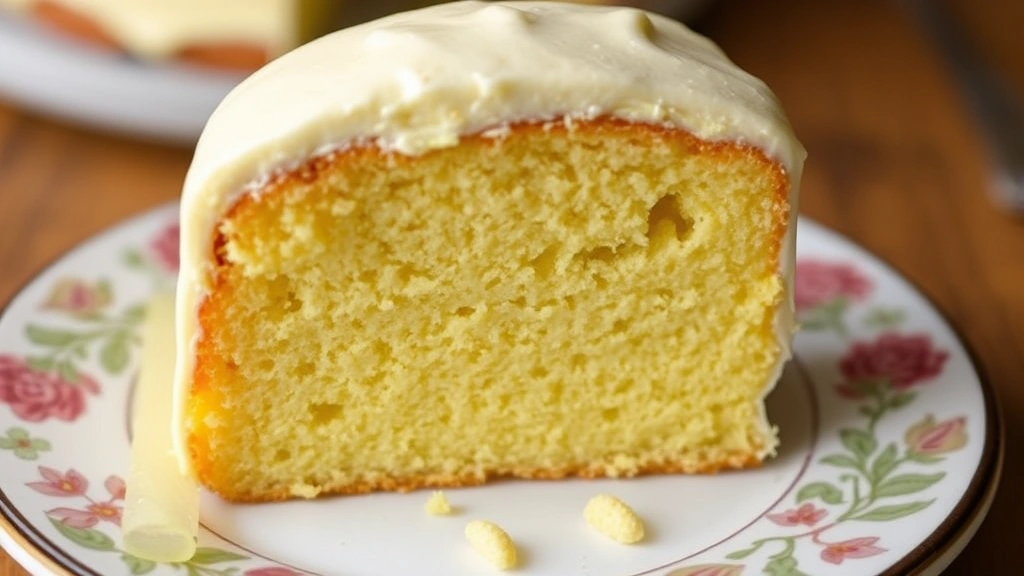
” alt=”Slice of finished 7 Up cake showing moist crumb structure with golden color and creamy frosting on decorative plate”>
Frequently Asked Questions
Can I use diet or zero-sugar 7 Up in this recipe?
While diet versions of 7 Up contain carbonation, they lack the sugar that contributes to moisture and browning. The cake may be slightly less moist and won’t brown as nicely. For best results, stick with regular 7 Up. However, if you’re concerned about sugar content, you could reduce the granulated sugar in the recipe by ¼ cup to compensate for the soda’s sweetness, though this will affect texture slightly.
What if I don’t have fresh lemon juice?
Fresh lemon juice is preferable for bright flavor, but bottled lemon juice works in a pinch. Use the same amount as the recipe calls for. Avoid lemon juice from concentrate if possible, as it has a slightly different flavor profile. If you have neither, you can omit the lemon juice entirely—the 7 Up still provides citrus flavor, though it will be more subtle.
Can I make this cake in a bundt pan instead of round pans?
Absolutely! A bundt pan creates a more impressive presentation. Grease and flour the bundt pan thoroughly, paying special attention to the center tube and decorative ridges. Pour all batter into the single pan and bake for 50-55 minutes at 325°F, checking doneness with a toothpick. The baking time will be longer because of the increased volume in one pan. Cool in the pan for 20 minutes before turning out onto a wire rack.
How can I prevent my cake from doming?
Use cake strips or wet towels wrapped around the outside of your pans to regulate heat distribution. Alternatively, fill pans to exactly the same level, typically about two-thirds full. Ensure your oven temperature is accurate using an oven thermometer. Some bakers place a shallow pan of water on the lowest oven rack, which creates steam and helps cakes bake more evenly.
Can I add other flavors to this basic recipe?
Yes! This recipe is quite versatile. Add ½ teaspoon almond extract along with the lemon extract for a different flavor dimension. A teaspoon of vanilla extract alone (without lemon extract) creates a subtle citrus-vanilla combination. Some bakers add a tablespoon of poppy seeds to the dry mixture for texture. You could also substitute orange juice for some of the 7 Up for an orange-citrus variation.
What’s the difference between this and regular yellow cake?
The key difference is the use of 7 Up instead of milk or buttermilk. The carbonation creates a lighter, airier crumb, while the soda’s citrus notes add flavor complexity. Regular yellow cakes are typically denser and more neutral in flavor. The 7 Up cake is often described as more elegant and sophisticated, despite being simpler to make.
How do I know when the cake is fully baked?
Insert a toothpick into the center of each cake layer. It should come out clean or with just a few moist crumbs clinging to it. If wet batter coats the toothpick, the cake needs more time. Also check that the cake springs back when lightly touched with your finger and the edges have pulled slightly away from the pan sides. The top should be golden brown.
Can I make cupcakes instead of a layer cake?
Absolutely! Fill cupcake liners about two-thirds full and bake at 325°F for 18-22 minutes. The reduced baking time means you’ll need to check for doneness starting around 15 minutes. Cupcakes are perfect for portion control and are easier to transport and serve. You can frost each cupcake individually with buttercream or dip the tops in glaze.
Is there a gluten-free version of this recipe?
Yes! Substitute the all-purpose flour with a quality gluten-free flour blend that includes xanthan gum. Use the same amount called for in the recipe. The results may be slightly different in texture—gluten-free cakes are often more tender but can be crumbly. You might want to explore gluten-free baking techniques to understand how to adapt recipes successfully. For additional guidance, consult Bob’s Red Mill’s gluten-free baking resources.
How far in advance can I bake this cake for an event?
Bake unfrosted cake layers up to three days ahead and store them wrapped in plastic wrap. Frost the cake no more than 24 hours before serving for best appearance and texture. If you must frost earlier, store the finished cake in the refrigerator and bring to room temperature before serving. The flavors actually improve slightly with time as the cake continues to absorb the frosting.
For additional inspiration on classic recipes, explore our collection of best breakfast food recipes which includes other beloved family favorites. If you’re interested in learning more about baking science and techniques, visit Serious Eats’ baking section for in-depth culinary education.
Final Thoughts on This Timeless Classic
The 7 Up cake recipe deserves its place in the pantheon of classic American desserts. It’s a cake that tastes like love, like grandmother’s kitchen, like celebrations and family gatherings. The beauty of this recipe lies not just in its delicious results, but in its accessibility—anyone can make it, and everyone can feel proud serving it.
Whether you’re making this for a special occasion or simply because you’re craving a nostalgic treat, follow these instructions and tips for guaranteed success. The combination of moist cake, bright citrus flavor, and creamy frosting creates a dessert that never goes out of style. Each slice delivers comfort, familiarity, and pure joy.
Share this cake with people you love. Watch their faces light up when they taste it. Create new memories while honoring the traditions of those who came before. This is what the ultimate 7 Up cake recipe is all about—bringing people together through the simple pleasure of excellent homemade cake.


