Broccoli Rabe Delight: Chef-Approved Recipe for Perfectly Bitter & Savory Greens
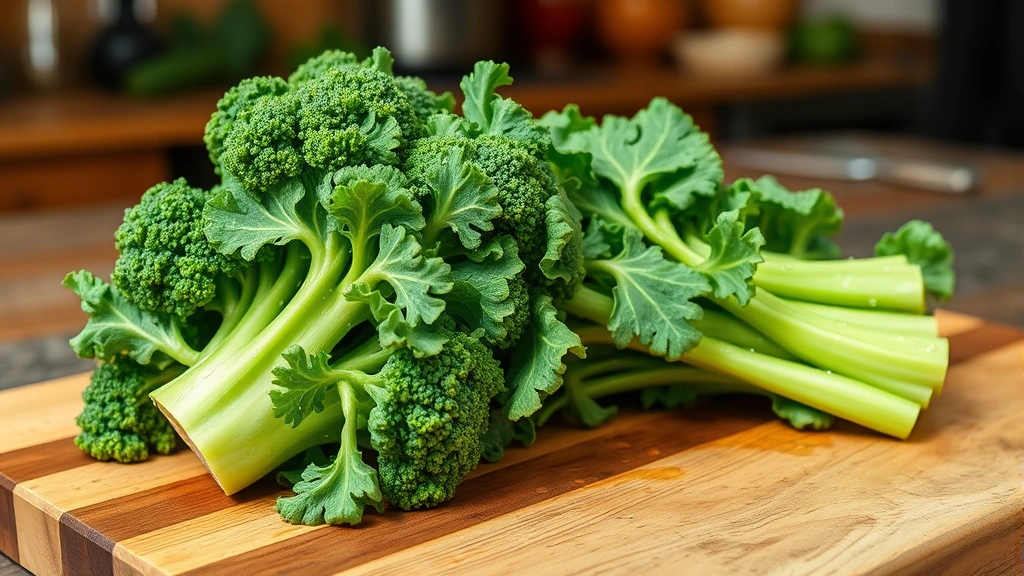
Broccoli rabe, also known as rapini, is an Italian cruciferous vegetable that delivers a distinctive bitter-sweet flavor profile loved by chefs worldwide. This leafy green powerhouse combines tender florets with long, slender stems and vibrant leaves, making it a stunning addition to any dinner table. Whether you’re preparing a weeknight side dish or impressing guests at a dinner party, mastering this chef-approved broccoli rabe recipe will elevate your cooking repertoire and introduce your family to authentic Italian cuisine.
The beauty of broccoli rabe lies in its versatility and nutritional density. Packed with vitamins A, C, and K, along with calcium and iron, this vegetable serves as both a delicious complement to main courses and a standalone celebration of simple, elegant cooking. The slight bitterness that characterizes broccoli rabe pairs exceptionally well with garlic, olive oil, and red pepper flakes—the holy trinity of Italian vegetable preparation. This recipe walks you through every step, from selecting the freshest bunch at your market to plating a restaurant-quality dish in under 20 minutes.
What Makes Broccoli Rabe Special
Unlike its cousin regular broccoli, broccoli rabe features a more delicate texture and complex flavor profile. The entire plant is edible—florets, stems, and leaves—which means minimal waste and maximum nutritional benefit. Chefs appreciate broccoli rabe because its bitter compounds, primarily glucosinolates, become more pronounced when cooked, creating a sophisticated taste that complements rich proteins like pork, beef, and seafood.
The vegetable thrives in cooler months, making it a fall and winter favorite in Italian kitchens. Its nutrient density rivals that of kale and spinach, yet it requires minimal preparation compared to other leafy greens. When properly prepared using the blanch-and-sauté method detailed in this recipe, broccoli rabe transforms into a silky, flavorful side dish that restaurant diners pay premium prices to enjoy.
Understanding broccoli rabe’s botanical structure helps you prepare it correctly. The main head resembles broccoli but remains smaller and more tender. The secondary shoots and leaves provide additional textural interest and flavor complexity. This structure means you’ll want to trim the woody bottom portions while preserving the tender upper sections, a technique we’ll cover in detail below.
Essential Ingredients & Substitutions
This chef-approved broccoli rabe recipe requires just seven core ingredients, making it accessible for home cooks while maintaining professional-level flavor. The simplicity allows each component to shine, which is the hallmark of Italian cooking philosophy.
Core Ingredients (Serves 4):
- 1.5 pounds fresh broccoli rabe (approximately one large bunch)
- 6 cloves garlic, thinly sliced
- 1/4 cup extra-virgin olive oil
- 1/2 teaspoon red pepper flakes (adjust to preference)
- 1/2 teaspoon kosher salt
- 1/4 teaspoon freshly ground black pepper
- 2 tablespoons water or vegetable broth
Optional Flavor Enhancers:
- Juice from 1/2 lemon for brightness
- 1/4 teaspoon nutmeg for subtle warmth
- 2 tablespoons toasted pine nuts for crunch
- 1 tablespoon freshly grated Parmigiano-Reggiano
- 1 anchovy fillet, minced (traditional Italian preparation)
For ingredient substitutions, if broccoli rabe proves unavailable at your market, you can prepare broccoli casserole using broccoli florets as an alternative, though the flavor profile will differ. Spinach or kale can replace broccoli rabe in a pinch, though you’ll need to adjust cooking times—spinach requires only 2-3 minutes of cooking, while kale may need 8-10 minutes. The garlic quantity can be reduced to 3-4 cloves if you prefer a milder flavor, or increased to 8 cloves for garlic lovers. Quality extra-virgin olive oil makes a significant difference; choose one with a fruity or peppery finish to complement the broccoli rabe’s natural bitterness.
Step-by-Step Preparation Guide
Step 1: Select and Inspect Your Broccoli Rabe
Choose bunches with vibrant green coloring and firm stems without yellowing or wilting. Avoid any bunches with visible soft spots or strong sulfurous odors. The florets should be tightly clustered and the leaves crisp. One pound of broccoli rabe typically yields three servings as a side dish, so purchase accordingly based on your dinner party size.
Step 2: Trim and Clean Thoroughly
Rinse the entire bunch under cold running water, gently rubbing the florets and leaves to remove any soil particles. Hold the bunch upright and bend the stems gently—they’ll naturally snap at the point where tender meets woody. Most chefs remove approximately 2-3 inches from the bottom, though this varies based on bunch thickness. Discard the woody portions (though some use them for vegetable stock). Pat the broccoli rabe dry with clean kitchen towels or paper towels, ensuring no excess water remains, as this promotes even cooking and prevents steaming.
Step 3: Slice Garlic to Perfection
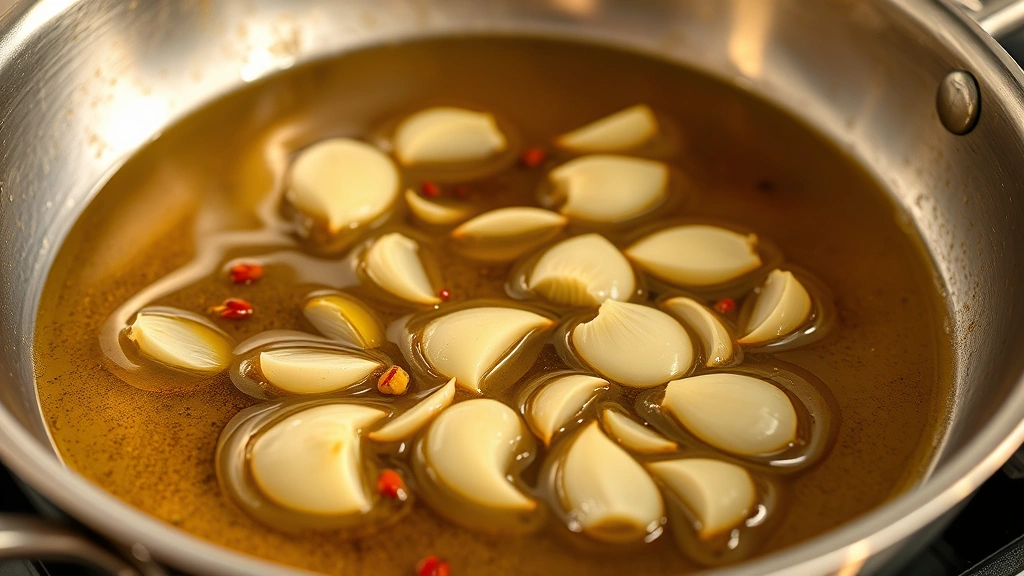
Using a sharp chef’s knife, slice garlic cloves lengthwise into thin, consistent pieces approximately 1/8-inch thick. Uniform thickness ensures even cooking—thin slices will cook through in seconds, preventing burning while allowing the garlic flavor to infuse the olive oil. Professional culinary techniques emphasize consistent knife work for this exact reason. If you prefer minced garlic, use a microplane zester, which creates finer pieces that distribute throughout the dish more evenly.
Step 4: Prepare Your Cooking Mise en Place
Arrange all ingredients within arm’s reach of your stovetop before beginning to cook. This French culinary practice, called mise en place (meaning “everything in its place”), prevents scrambling for ingredients mid-cooking and allows you to focus on technique. Measure out the red pepper flakes, salt, pepper, and water into separate small bowls. This preparation method is particularly important for this recipe because the cooking happens rapidly once the pan heats.
Cooking Techniques Chefs Use
Professional chefs employ a two-stage cooking method for broccoli rabe: blanching followed by sautéing. This technique, rooted in classical French and Italian culinary traditions, offers several advantages. Blanching (brief boiling) removes excess bitterness while ensuring the vegetable cooks evenly, preserving the vibrant green color. Sautéing then develops flavor through caramelization and allows the garlic-infused oil to coat each piece.
Stage One: Blanching (The Secret Professional Step)
Fill a large pot with 4 quarts of water and bring to a rolling boil. Add 2 tablespoons of kosher salt—the water should taste like seawater. This salted water seasons the broccoli rabe from the inside out while cooking. Carefully place the trimmed broccoli rabe into the boiling water and stir gently to submerge all pieces. Cook for 3-4 minutes, watching for the color to become a deeper, more vibrant green. The florets should become tender enough to pierce with a fork, but the stems should still offer slight resistance. Food science research shows blanching inactivates enzymes that cause color degradation, preserving the vegetable’s nutritional value and visual appeal.
Prepare an ice bath while the broccoli rabe blanches: fill a large bowl with ice and cold water. When the cooking time completes, remove the broccoli rabe with a slotted spoon and immediately plunge it into the ice bath. This stops the cooking process instantly, preventing mushiness. The ice bath is non-negotiable in professional kitchens; it’s what separates restaurant-quality vegetables from overcooked home-prepared versions. Let the broccoli rabe chill for 1-2 minutes, then drain thoroughly in a colander, pressing gently to remove excess water.
Stage Two: Sautéing with Garlic Oil (Where Flavor Happens)
Heat the extra-virgin olive oil in a large skillet over medium heat. Once the oil shimmers (reaches approximately 300°F), add the sliced garlic and red pepper flakes. This is the critical moment: keep the heat at medium to prevent the garlic from browning too quickly. Stir constantly for 30-45 seconds until the garlic becomes fragrant and turns pale golden. The aroma should fill your kitchen—this indicates the garlic’s sulfur compounds have transformed into sweet, savory flavors. Food chemistry research shows heat transforms garlic’s pungent compounds into sweeter, more complex flavors through the Maillard reaction.
Immediately add the blanched, drained broccoli rabe to the skillet, stirring constantly to coat every piece with the garlic oil. This coating is essential—it’s what makes this dish taste like restaurant-prepared food rather than plain boiled vegetables. Add the 2 tablespoons of water or broth, which creates steam that gently finishes cooking the vegetables while allowing the flavors to meld. Cook for 2-3 minutes, stirring occasionally, until the water evaporates and the broccoli rabe becomes glossy and tender.
Season with kosher salt and freshly ground black pepper, tasting as you go. Add lemon juice if desired for brightness—the acid cuts through the richness of the olive oil and enhances the broccoli rabe’s natural flavors. If using optional Parmigiano-Reggiano, add it in the final 30 seconds off heat, allowing the residual warmth to meld the cheese throughout without cooking it.
Serving Suggestions & Pairings
This broccoli rabe recipe serves as the perfect complement to numerous main courses. Pair it with rich proteins like the Cracker Barrel meatloaf recipe for a satisfying, comforting meal. The broccoli rabe’s bitterness cuts through the meatloaf’s richness, creating excellent flavor balance. For seafood enthusiasts, serve alongside pan-seared salmon or halibut—the garlic and red pepper flavors enhance rather than overwhelm delicate fish.
Traditionally, Italians serve broccoli rabe with sausage, creating a beloved Northern Italian combination. The spiced meat’s savory notes play beautifully against the vegetable’s bitter-sweet profile. You might also serve it alongside smothered chicken recipe for a lighter option, or prepare it as part of an Italian antipasto spread alongside cured meats and cheeses.
For vegetarian meals, pair broccoli rabe with white rice recipe and a simple tomato sauce, or serve over creamy polenta. The vegetable’s complex flavors work wonderfully in pasta dishes—toss with extra-virgin olive oil, garlic, and pasta water to create a simple yet elegant sauce. Some chefs incorporate it into grain bowls with farro or quinoa, adding toasted nuts for textural contrast.
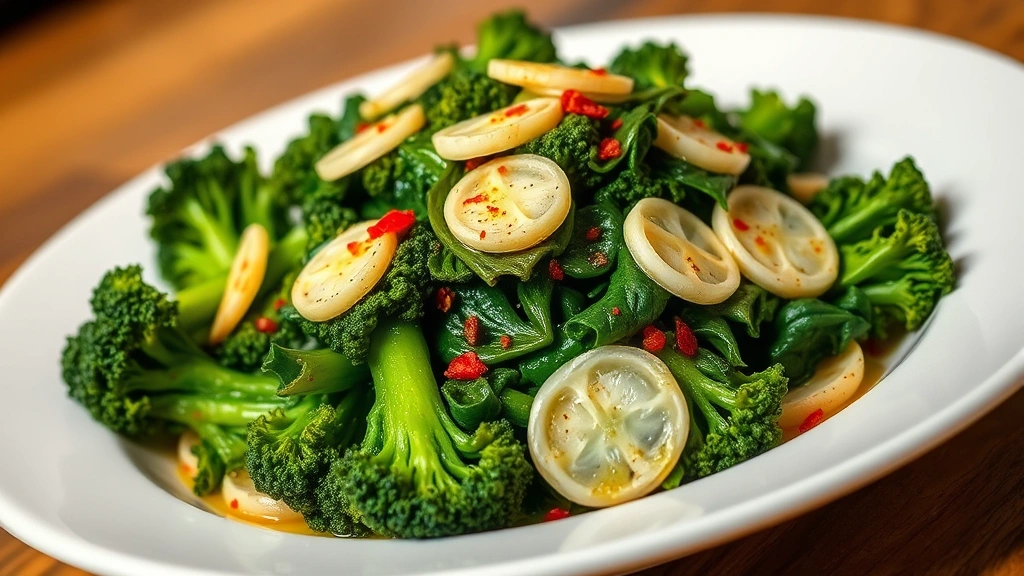
Plating matters for presentation. Arrange the broccoli rabe in a loose nest on the plate, allowing the garlic slices and red pepper flakes to remain visible. The vibrant green color contrasts beautifully with white plates or warm ceramic dishes. A final drizzle of quality olive oil and perhaps a pinch of fleur de sel (finishing salt) elevates the dish visually and flavor-wise.
Storage & Make-Ahead Tips
Broccoli rabe is best enjoyed immediately after cooking, when the garlic oil is fragrant and the vegetable’s texture remains ideal. However, leftovers keep well for 3-4 days when stored properly. Allow the cooked broccoli rabe to cool to room temperature before transferring to an airtight container. Store in the refrigerator away from strong-smelling foods, as the garlic aroma is quite potent.
To reheat, transfer the broccoli rabe to a skillet over medium heat with a small splash of olive oil or water, stirring occasionally for 2-3 minutes until warmed through. Alternatively, enjoy it at room temperature as a salad component—toss with additional olive oil, lemon juice, and shaved Parmigiano-Reggiano for a refreshing dish.
For make-ahead preparation, you can blanch the broccoli rabe up to 8 hours in advance, storing it in an airtight container in the refrigerator. Complete the sautéing step just before serving for optimal flavor and texture. This approach works wonderfully for dinner parties, allowing you to focus on main course preparation while keeping the vegetable component ready to finish quickly.
Some home cooks freeze blanched broccoli rabe for longer storage (up to 3 months), though the texture becomes softer upon thawing. This frozen version works best in soups, stews, or pasta dishes rather than as a standalone side. For freezing, blanch as directed, chill in the ice bath, drain thoroughly, and spread on a baking sheet to freeze individually before transferring to freezer bags.
FAQ
What’s the difference between broccoli rabe and regular broccoli?
Broccoli rabe features a more delicate, bitter flavor and includes edible leaves and thinner stems, while regular broccoli has larger florets and a milder, sweeter taste. Broccoli rabe requires shorter cooking times and benefits from the blanch-sauté method described in this recipe. Regular broccoli works better for roasting or steaming as a standalone preparation.
Can I skip the blanching step?
While possible, blanching is strongly recommended for optimal results. It removes excess bitterness, ensures even cooking, and preserves the vibrant green color. Skipping it may result in overly bitter vegetables or uneven texture. If time is extremely limited, increase the sautéing time to 6-8 minutes, stirring frequently, though the results won’t match the two-stage method.
How do I know when broccoli rabe is properly cooked?
The florets should be tender enough to cut with a fork, while the stems should offer slight resistance when pierced. The color should be a vibrant, deep green. Overcooked broccoli rabe becomes mushy and develops a sulfurous odor. Undercooked versions remain tough and excessively bitter. The blanching stage produces that perfect tender-crisp texture chefs prize.
Is broccoli rabe safe for people with thyroid conditions?
Broccoli rabe contains compounds called goitrogens that may affect thyroid function in people with existing thyroid conditions when consumed in very large quantities raw. However, cooking (as in this recipe) significantly reduces these compounds. People with thyroid concerns should consult their healthcare provider about appropriate vegetable portions.
What wines pair well with broccoli rabe dishes?
The bitter, garlicky profile pairs beautifully with Italian white wines like Pinot Grigio, Vermentino, or Greco di Tufo. For red wine lovers, light reds like Bardolino or Valpolicella work well. The key is choosing wines with good acidity to complement the broccoli rabe’s flavor complexity without overwhelming it.
Can I prepare this recipe with frozen broccoli rabe?
Fresh broccoli rabe is preferable, but frozen versions work adequately. Most frozen broccoli rabe arrives pre-blanched, so skip the blanching step and proceed directly to the sautéing stage. Thaw frozen broccoli rabe before cooking, then drain thoroughly to remove excess water. The texture will be softer than fresh, but the garlic oil preparation still yields delicious results.
How much broccoli rabe should I prepare per person?
Plan for 4-6 ounces of raw broccoli rabe per person as a side dish, or 8-10 ounces if serving as a vegetable-forward main course component. This recipe’s 1.5 pounds serves 4 people as a generous side dish. For smaller appetites or as part of a multi-course meal, reduce quantities proportionally.


