Why Discard Recipes? Expert Insight into Using Every Last Ingredient
In professional kitchens and home cooking alike, the concept of discard recipes has become increasingly important for both sustainability and culinary creativity. Whether you’re maintaining a sourdough starter, fermenting vegetables, or managing leftover ingredients from specialty cooking projects, understanding how to repurpose these often-overlooked components transforms waste into opportunity. Expert chefs and food scientists recognize that what many home cooks throw away represents untapped flavor potential and valuable nutrition.
The philosophy behind discard recipes extends far beyond simple waste reduction. It encompasses ingredient innovation, flavor development, and the practical reality that professional bakers and fermentation enthusiasts generate significant byproducts during their cooking processes. By learning strategic ways to incorporate these discards into new dishes, you’ll expand your culinary repertoire while reducing your environmental footprint. This comprehensive guide explores the science, techniques, and practical applications that make discard recipes an essential skill for modern home cooks.
Understanding Discard Recipes and Their Purpose
Discard recipes represent a fundamental shift in how professional and home cooks approach ingredient management. These recipes specifically utilize byproducts, excess materials, or components that would traditionally be discarded during cooking processes. The term originated in the baking community, particularly among sourdough enthusiasts who regularly remove portions of their starter to maintain proper fermentation balance.
The purpose of these recipes extends across multiple dimensions. Economically, they reduce ingredient waste and lower overall food costs. Environmentally, they minimize the volume of organic matter entering landfills where it generates methane, a potent greenhouse gas. From a culinary perspective, they encourage creative problem-solving and experimentation with flavor combinations. Food scientists at institutions like the Culinary Institute of America have documented how discard recipes enhance kitchen efficiency and sustainability practices.
Understanding when and why to use discard recipes requires recognizing the difference between true waste and valuable byproducts. True waste includes spoiled ingredients, contaminated materials, or items that pose food safety risks. Valuable byproducts, conversely, possess nutritional value, flavor compounds, or structural properties that serve functional purposes in new dishes. This distinction guides every decision about whether a discard warrants culinary repurposing.
The science behind successful discard recipes involves understanding ingredient composition and transformation during cooking. When you maintain a sourdough starter, the discard contains active yeast and bacterial cultures that contribute leavening power and tangy flavor to new recipes. When you ferment vegetables, the liquid byproduct contains beneficial probiotics and flavor-enhancing compounds. By recognizing these properties, you create recipes that leverage these characteristics intentionally rather than by accident.
Sourdough Starter Discards: From Waste to Culinary Gold
Sourdough starter maintenance generates regular discards that home bakers often discard thoughtlessly. However, these discards represent some of the most versatile and flavorful byproducts in the baking world. A healthy sourdough starter contains billions of yeast and lactic acid bacteria cells, along with partially fermented flour and water. When you remove discard portions to maintain starter consistency, you’re removing living cultures capable of leavening and flavoring new recipes.
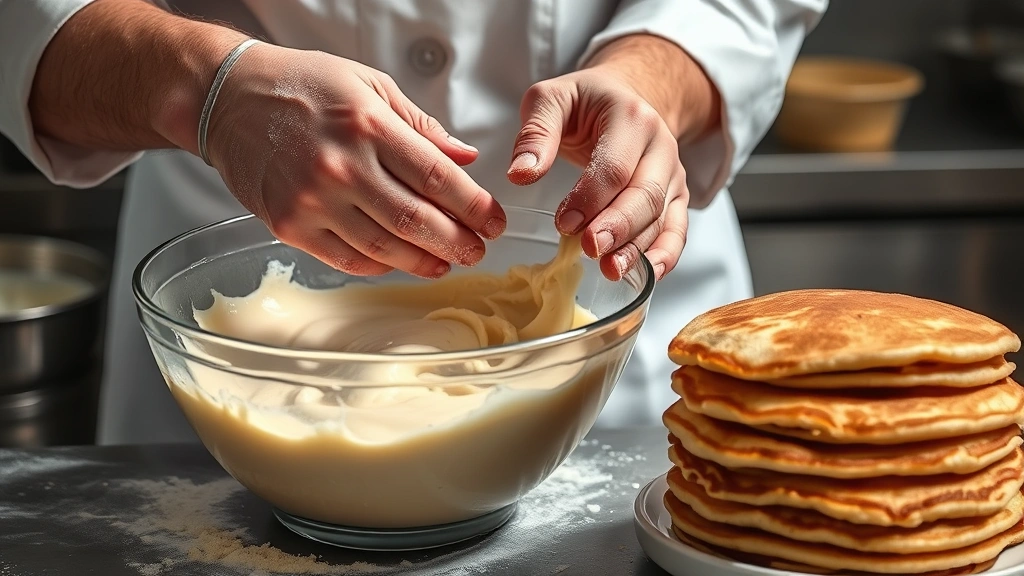
The most straightforward application for sourdough discard involves creating quick breads and pancakes. Sourdough discard pancakes require minimal additional ingredients beyond eggs, flour, and fat. The starter provides leavening through its active yeast population, creating fluffy pancakes with subtle tangy notes that distinguish them from standard recipes. Similarly, sourdough discard muffins, biscuits, and scones leverage the starter’s fermentation to develop complex flavors while reducing reliance on commercial leavening agents.
Beyond breakfast applications, experienced bakers use sourdough discard in cake recipes, cookie doughs, and even savory applications like crackers and flatbreads. The acidity in mature starter affects gluten development and moisture retention in batters, requiring slight adjustments to liquid ratios compared to traditional recipes. Professional bakers understand these interactions intuitively, while home cooks benefit from detailed recipe guidance that accounts for starter strength and hydration levels.
One advanced technique involves creating a “discard jar” where you accumulate starter discards over several weeks in the refrigerator. This concentrated collection develops increasingly complex flavors through continued fermentation, creating an ingredient with heightened tang and depth. Some bakers use these concentrated discards specifically for enriched breads, where the intensified flavor profile complements butter, eggs, and sugar.
The nutritional benefits of sourdough discard recipes warrant attention as well. The fermentation process reduces phytic acid in grains, improving mineral bioavailability. The lactic acid bacteria produce B vitamins and other compounds that enhance nutritional value compared to standard baked goods. Understanding these benefits helps justify the effort required to develop and execute quality discard recipes consistently.
Fermentation Byproducts and Creative Uses
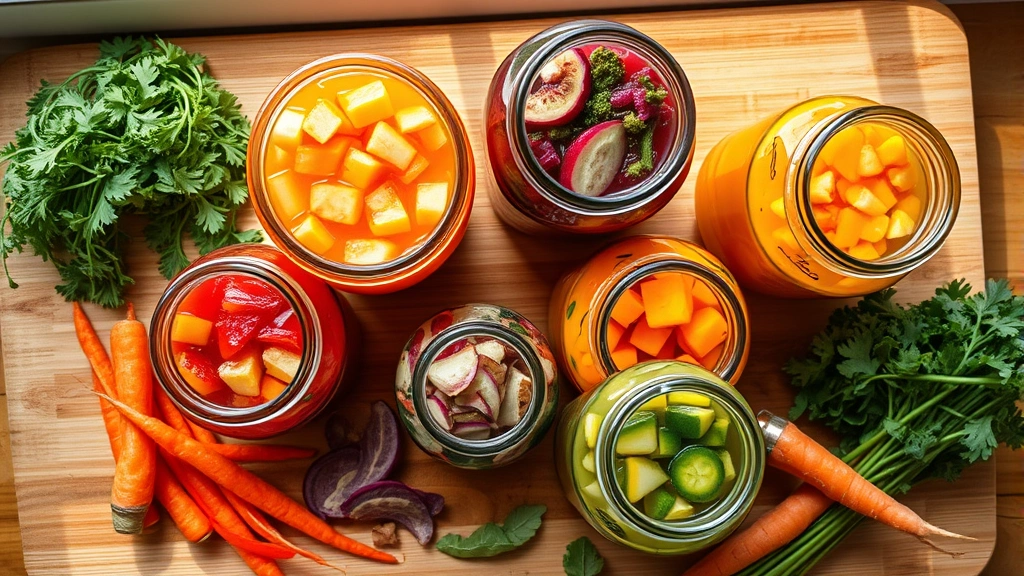
Beyond sourdough, fermentation processes throughout the kitchen generate valuable byproducts worth preserving. When you ferment vegetables to create sauerkraut, kimchi, or other pickled preparations, the resulting brine contains salt, beneficial bacteria, and flavor compounds extracted from the vegetables. This fermentation liquid deserves consideration in salad dressings, marinades, and cooking liquids where its complexity enhances dishes substantially.
Kombucha brewing, another popular fermentation practice, generates a mother culture and starter liquid that many home brewers discard. However, these components serve essential functions in new batches and can also be incorporated into homemade sauces and dressings where their acidity and probiotic content add nutritional value. The spent tea leaves from brewing can be dried and reused as a flavoring agent in baking or reconstituted for secondary brewing.
Cheese making, whether at home or in small-scale operations, produces whey as a byproduct when curds separate from liquid. This whey contains lactose, protein, and minerals that serve functional purposes in baking, cooking, and even as a culture medium for additional fermentation projects. Professional cheesemakers use whey in ricotta production, while creative home cooks incorporate it into breads, soups, and grain cooking liquids to enhance nutrition and flavor.
Miso and other fermented paste production generates brine and excess cultures that home fermenters can preserve and repurpose. These concentrated flavor sources contribute umami depth to soups, sauces, and dressings. Understanding fermentation chemistry helps cooks recognize that these byproducts aren’t waste at all—they’re intentional products of controlled microbial activity worthy of strategic culinary application.
The probiotic benefits of fermentation byproducts have gained significant attention from nutritionists and food scientists studying gut health. Resources like Nutrition Stripped provide detailed information about incorporating fermented foods and their byproducts into balanced diets. These health considerations provide additional motivation for developing reliable discard recipes from fermentation projects.
Vegetable and Produce Scraps Reimagined
Vegetable preparation generates significant discard volume in most kitchens. Carrot tops, beet greens, broccoli stems, cauliflower leaves, and countless other components traditionally end up in compost or trash bins. However, these scraps possess nutritional density and flavor potential that warrant preservation and creative application.
Carrot top pesto represents one of the most accessible vegetable discard applications. The leafy greens contain more nutrients than the roots themselves, with high concentrations of vitamin K, calcium, and antioxidants. Processing carrot tops with garlic, nuts, oil, and cheese creates a vibrant sauce suitable for pasta, vegetables, and proteins. Similarly, beet green applications range from simple sautéed side dishes to sophisticated salads and grain bowls.
Broccoli and cauliflower stem recipes leverage the tender interior tissues often hidden beneath tough exterior skin. Once peeled, these stems provide crisp texture and subtle flavor that works beautifully in stir-fries, roasted vegetable medleys, and even raw preparations with dips. The nutritional profile rivals that of florets, with concentrated fiber and micronutrients.
Creating vegetable stock from scraps represents another fundamental discard application. Rather than purchasing commercial stock, home cooks can accumulate onion skins, carrot ends, celery leaves, and herb stems in a freezer bag. Once sufficient volume accumulates, these scraps become the foundation for rich, flavorful stock that costs pennies compared to store-bought alternatives. This practice aligns with food waste reduction tips that professional chefs and sustainability experts consistently recommend.
Watermelon rind, citrus peels, and other produce components that might seem inedible offer surprising culinary potential. Watermelon rind pickle recipes have appeared in cuisines worldwide for centuries, transforming the crisp white flesh into tangy, complex condiments. Candied citrus peels provide both flavor and texture to desserts and savory dishes alike. These applications demonstrate that “discard” often simply means “unconventional application requiring recipe innovation.”
Root vegetable tops deserve special attention in sustainable cooking. Turnip greens, radish greens, and kohlrabi leaves all provide exceptional nutrition and distinctive flavors. Rather than treating these as byproducts, progressive cooks approach them as primary ingredients deserving thoughtful preparation. This mindset shift transforms kitchen efficiency and ingredient utilization significantly.
Protein and Meat Discard Applications
Protein preparation generates byproducts that professional kitchens carefully manage and repurpose. Chicken bones, fish skeletons, beef trimmings, and other components become the foundation for stocks, broths, and gelatin-rich cooking liquids that enhance countless dishes. Understanding how to leverage these components elevates home cooking to professional standards.
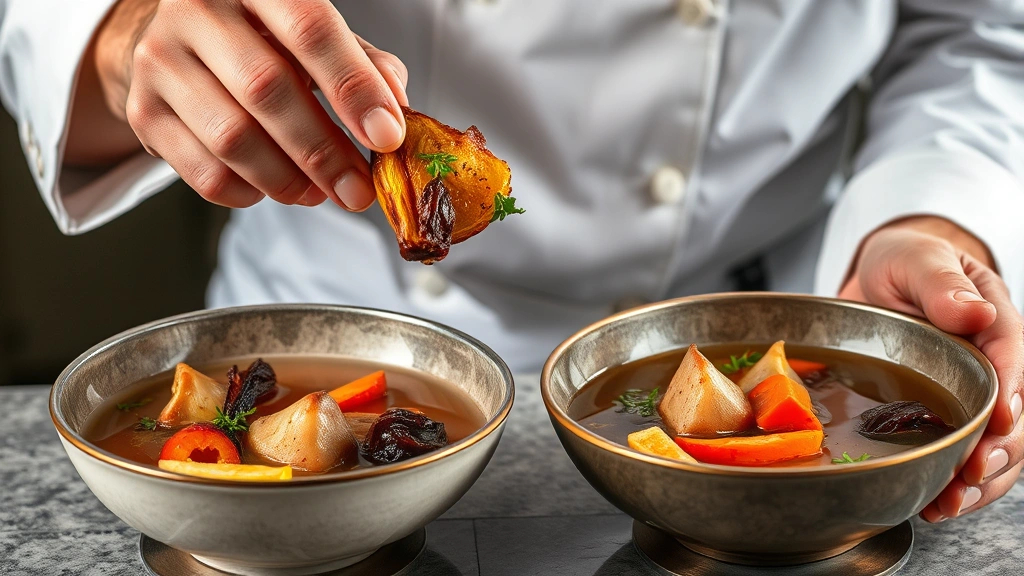
Bone broth production represents the most comprehensive approach to protein byproduct utilization. By simmering bones, connective tissue, and aromatics for extended periods, home cooks extract collagen, minerals, and flavor compounds that create deeply nourishing cooking liquids. The resulting gelatin provides body and mouthfeel to sauces and soups while delivering nutritional benefits that commercial stocks cannot replicate.
Fish and seafood discards warrant particular attention due to their intense flavor and nutritional density. Fish collars, heads, and frames produce extraordinarily flavorful stocks that transform Asian soups and seafood preparations. The roe and liver components, rather than being discarded, feature prominently in cuisines that prioritize whole-ingredient utilization. Healthy chicken recipes similarly benefit from stock made from bones and carcasses, creating a complete cooking system where virtually nothing goes unused.
Ground meat trimmings and scraps can be collected and refrozen to create stocks and sauces. Rather than viewing these as waste, professional cooks recognize them as building blocks for demi-glace, pan sauces, and braising liquids. The fat content contributes richness while the collagen creates texture and mouthfeel impossible to achieve with commercial products.
Cured meat discards, including the liquid rendered from bacon and the fat trimmed from prosciutto, provide concentrated flavor for cooking applications. Bacon fat becomes a prized cooking medium for vegetables and grains, while prosciutto trimmings create the foundation for Italian pasta sauces. These applications demonstrate how cultural traditions have long recognized the value in components modern cooks often discard.
Baking and Pastry Discards Worth Keeping
Professional bakers generate significant discard volume during production and recipe development. Pie dough scraps, cookie trimmings, cake layers with imperfect surfaces, and other components present opportunities for creative repurposing rather than waste.
Pie dough scraps combine beautifully into rustic galettes, hand pies, or decorative applications for other baked goods. Rather than discarding imperfect scraps, bakers layer them into new doughs, creating the laminated texture prized in croissants and Danish pastries. This technique requires understanding gluten development and dough manipulation, but delivers exceptional results.
Stale bread and cake represent perhaps the most versatile baking discards. Bread pudding transforms day-old bread into luxurious desserts while bread crumbs, panko, and breadcrumbs provide coating and binding applications throughout the kitchen. Stale cake becomes the foundation for cake pops, trifles, and crumb toppings. These applications have existed for centuries, representing traditional approaches to ingredient conservation.
Egg white and yolk discards from recipes using only one component create opportunities for complementary applications. Recipes using egg whites can be paired with recipes using yolks, creating a complete utilization system. This requires advance planning and recipe selection, but dramatically reduces waste in baking-focused kitchens.
Nut and seed byproducts from grinding and processing deserve attention as well. Spent almond pulp from milk production, walnut skins from nut butter preparation, and similar components add nutritional value and texture to baked goods when incorporated thoughtfully. Understanding particle size, moisture content, and flavor intensity guides successful application.
Pantry Organization for Discard Success
Successfully implementing discard recipes requires systematic pantry organization and planning. Without dedicated systems, discards often spoil before cooks remember to use them, defeating the sustainability purpose entirely.
Creating dedicated freezer containers for specific discard types prevents waste and enables batch processing. Separate containers for vegetable scraps, meat bones, bread remnants, and baking trimmings allow cooks to accumulate sufficient volume for efficient stock-making or recipe production. Clear labeling with collection dates prevents uncertainty about ingredient age and freshness.
Refrigerator organization should include designated shelves for active fermentation projects and their byproducts. Sourdough discard jars, fermentation brine containers, and whey storage require visibility and accessibility to prevent forgotten spoilage. How to cook with cast iron guides often include storage recommendations that apply equally to discard ingredients requiring careful handling.
Recipe planning and meal preparation benefit significantly from discard-focused thinking. When planning weekly menus, consider which recipes will generate usable byproducts and which existing discards can be incorporated into upcoming dishes. This integrated approach transforms discard utilization from an afterthought into a central planning strategy.
Maintaining a written or digital inventory of frozen discards prevents duplication and enables strategic usage. Noting freeze dates, quantities, and discard types allows cooks to use oldest items first while ensuring sufficient accumulation for efficient batch projects. This simple system prevents waste more effectively than relying on memory.
Communication with household members about discard collection ensures everyone contributes appropriately. When family members understand the purpose and process, they’re more likely to save components rather than automatically discarding them. This cultural shift within the household amplifies sustainability impact significantly.
Learning resources dedicated to ingredient preservation enhance discard success substantially. Serious Eats provides extensive guidance on stock-making, fermentation, and creative ingredient applications that align with discard recipe philosophy. Their science-based approach helps home cooks understand the chemistry underlying successful byproduct utilization.
Implementing these organizational systems requires initial effort but quickly becomes habitual. Once established, discard-focused cooking reduces both grocery expenses and environmental impact while expanding culinary creativity. The combination of economic, environmental, and culinary benefits justifies the organizational investment required.
FAQ
What exactly is a discard recipe?
A discard recipe specifically utilizes ingredients or byproducts that would traditionally be thrown away. These recipes transform components like sourdough starter discards, vegetable scraps, fermentation byproducts, and meat bones into delicious, intentional dishes rather than waste. The key distinction is that discard recipes treat these components as primary ingredients with valuable culinary properties rather than as waste requiring disposal.
Are sourdough discard recipes safe to eat?
Absolutely. Sourdough starter discard is entirely safe when the starter itself is healthy and properly maintained. The active yeast and bacteria cultures in the starter contribute to leavening and flavor development in discard recipes. As long as your starter shows no signs of contamination (unusual colors, off-putting odors, or fuzzy growth), discard from it poses no food safety concerns. In fact, the fermentation process naturally inhibits harmful pathogens.
Can I use vegetable scraps immediately or should I freeze them?
Both approaches work depending on your timeline and storage space. If you plan to make stock within a few days, fresh scraps work wonderfully. For longer-term accumulation, freezing prevents spoilage and allows you to gather sufficient volume for efficient batch cooking. Frozen scraps actually release their flavors more readily due to ice crystal formation breaking down cell walls. Most home cooks find freezing more practical for consistent discard recipe implementation.
How long can I keep fermentation byproducts like brine?
Fermentation brine remains stable for extended periods due to its high salt content and acidic environment, which inhibit harmful bacterial growth. Refrigerated brine typically remains usable for several months, though flavor may intensify over time. The high salt and acid content naturally preserve the brine, making it one of the longest-keeping discard byproducts. Always verify that your fermentation vessel shows no signs of contamination before using the brine.
What’s the difference between stock made from discard bones versus commercial stock?
Homemade stock from bones and scraps contains significantly higher gelatin and collagen content than most commercial products, creating superior mouthfeel and body in soups and sauces. The flavor profile reflects actual bones and aromatics rather than processed ingredients or artificial flavoring. Additionally, you control sodium content entirely, creating a final product tailored to your health preferences. The investment in homemade stock production returns dividends through superior cooking results.
Can I incorporate discard recipes into vintage grandma recipes successfully?
Many traditional recipes were actually developed specifically to utilize discards and byproducts before food waste became culturally acceptable. Bread pudding, meat pie fillings, and vegetable preparations all emerged from practical necessity to use every available ingredient. Incorporating modern discard recipes into traditional cooking honors these culinary roots while enhancing both sustainability and flavor complexity in familiar dishes.
How do I know if a discard is truly safe to use?
Assess safety through sensory evaluation and proper storage practices. Safe discards should show no unusual colors, off-putting odors, or visible mold growth. Frozen discards should remain solidly frozen with no signs of thawing or freezer burn affecting the interior. For fermented items, look for the expected color and smell consistent with successful fermentation. When in doubt, discard the component rather than risk foodborne illness. Trust your instincts—if something seems questionable, it’s not worth the risk.


