Master Filet Mignon? Chef-Approved Guide to Perfect Steaks Every Time
Filet mignon represents the pinnacle of beef excellence—tender, buttery, and luxuriously lean. Yet many home cooks approach this premium cut with unnecessary anxiety, believing that mastering filet mignon requires professional training or expensive equipment. The truth? With proper technique and understanding, you can achieve restaurant-quality results in your own kitchen. This comprehensive guide breaks down everything from selection and preparation to cooking methods and finishing touches that transform a simple steak into an unforgettable meal.
Whether you’re planning an intimate dinner for two or impressing guests at a special occasion, filet mignon delivers elegance with minimal fuss. The key lies in respecting the meat itself—understanding its characteristics, avoiding common pitfalls, and applying straightforward techniques that chefs have perfected over decades. By the end of this guide, you’ll possess the knowledge and confidence to cook filet mignon that rivals your favorite steakhouse.
Understanding Filet Mignon: The Cut Explained
Filet mignon comes from the tenderloin, the most tender muscle on the entire animal. This muscle does minimal work, resulting in fine grain structure and remarkable tenderness. Unlike fattier cuts such as ribeye or New York strip, filet mignon contains less marbling—the intramuscular fat that adds flavor. This characteristic makes filet mignon leaner but requires different cooking approaches than heavily marbled steaks.
The tenderloin runs along the spine of the cow, and filet mignon specifically refers to the thick, center-cut steaks sliced from this muscle. The muscle tapers at both ends, creating steaks of varying sizes. Understanding this anatomy helps you make informed purchasing decisions and adjust cooking times accordingly. A 6-ounce filet from the center will cook differently than an 8-ounce steak from the wider section.
Chefs prize filet mignon for its versatility. Its neutral, elegant flavor profile accepts various seasonings and preparations—from simple salt and pepper to complex pan sauces. The tenderness means you can cook it using methods that would toughen other cuts. This flexibility makes filet mignon an excellent canvas for culinary creativity, whether you’re preparing quick weeknight dinners or elaborate special occasion meals.
Selecting Quality Filet Mignon
Quality selection determines your final result more than any cooking technique. When shopping for filet mignon, examine color, marbling, and freshness. Premium beef displays a deep red color (not bright red, which indicates recent cutting) with fine white marbling throughout. The surface should feel slightly moist but never wet or slimy.
Purchase from reputable sources—quality butchers, specialty meat markets, or premium grocery stores with dedicated meat departments. Ask your butcher about the beef source and aging process. Dry-aged beef offers concentrated flavor and superior texture, though it commands higher prices. Wet-aged beef (vacuum-sealed) remains excellent and more affordable.
Consider thickness when selecting steaks. Aim for 1.5 to 2 inches thick—this thickness allows proper crust development while maintaining a tender, medium-rare interior. Thinner steaks cook too quickly, making temperature control challenging. Thicker steaks provide a wider window for achieving perfect doneness.
Purchase steaks close to cooking time—ideally within 24 hours. If buying ahead, store filet mignon on the coldest shelf of your refrigerator, away from other foods. Pat the surface dry before cooking, as excess moisture prevents proper browning.
Preparation Techniques for Success
Proper preparation separates amateur cooks from confident chefs. Begin by removing filet mignon from the refrigerator 30-45 minutes before cooking. Room temperature meat cooks more evenly, developing a beautiful crust while maintaining a tender interior. Cold meat from the refrigerator creates temperature gradients that lead to overcooked outer layers and undercooked centers.
Pat the steaks completely dry using paper towels. Moisture on the surface creates steam, preventing the Maillard reaction—the chemical process that produces the flavorful brown crust. Don’t skip this step; it dramatically impacts the final result. Season generously with kosher salt and freshly ground black pepper just before cooking. Salt draws moisture to the surface initially, but after 40+ minutes, it dissolves and seasons the meat throughout. For immediate cooking, this timing isn’t critical, but don’t season more than 15 minutes ahead unless you plan to wait 40+ minutes.
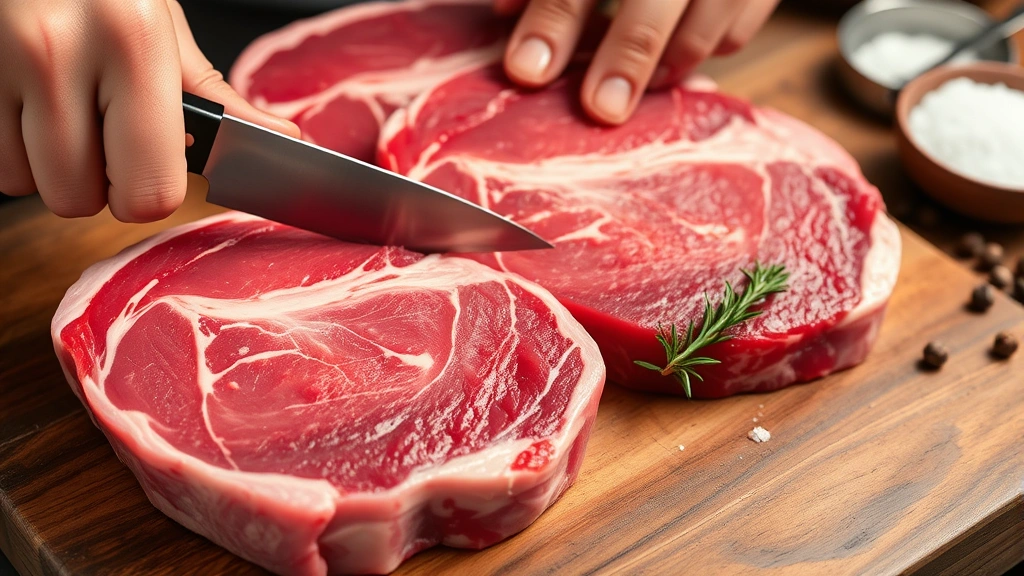
Trim excess surface fat, leaving a thin protective layer. Remove any silvery connective tissue (silverskin) as it shrinks during cooking and can cause the steak to curl. Use a sharp knife held at a slight angle, sliding between the meat and silvering tissue.
Consider dry-brining for enhanced flavor and texture. This involves salting the steaks generously, refrigerating uncovered for 12-24 hours, then patting dry before cooking. The extended salt contact allows deep seasoning penetration and improves moisture retention during cooking.
Cooking Methods: Sear, Roast, and Reverse Sear
The Traditional Sear Method
The classic approach begins with a screaming hot cast iron skillet or stainless steel pan. Heat your pan over medium-high heat for 5 minutes until it’s extremely hot—you should see wisps of smoke. Add a high-smoke-point oil (avocado, vegetable, or refined coconut oil) to the pan, then immediately place the filet mignon in the center. Resist the urge to move it. Let it sear undisturbed for 2-3 minutes, developing a golden-brown crust. Flip once and sear the other side for another 2-3 minutes.
Reduce heat to medium and add a tablespoon of butter, along with crushed garlic cloves and fresh thyme sprigs. Tilt the pan, spooning the foaming butter over the steak repeatedly for 3-5 minutes. This basting step adds richness and flavor. Use a meat thermometer to monitor internal temperature—remove the steak when it reaches 5 degrees below your target temperature, as carryover cooking will continue raising it.
The Reverse Sear Method
Professional chefs increasingly favor reverse searing for superior results, especially with thicker steaks. This method involves slow, low-temperature cooking followed by a quick high-heat sear. Preheat your oven to 225°F. Place the filet mignon on a wire rack set over a baking sheet and insert a meat thermometer into the thickest part. Roast until the internal temperature reaches 120°F for rare or 130°F for medium-rare—approximately 15-30 minutes depending on thickness and steak size.
Remove the steak from the oven and let it rest for 5 minutes. Heat a cast iron skillet over high heat until it just begins smoking. Pat the steak dry (moisture will have accumulated during roasting), sear for 45-60 seconds per side, then rest for 5 minutes before serving. This method delivers incredibly even cooking with a perfectly developed crust—the best of both worlds.
Sous Vide Precision
For ultimate precision, vacuum-seal filet mignon with seasonings and herbs, then cook in a 130°F water bath for 1-2 hours. The steak cooks to exact doneness throughout. Remove from the bag, pat dry thoroughly, then sear in a blazing hot pan for 30-45 seconds per side. Sous vide requires special equipment but delivers unmatched consistency.
Internal Temperature Guide and Doneness
A reliable meat thermometer is essential. Insert it horizontally into the thickest part of the steak, avoiding bone or fat pockets. Remember that carryover cooking raises the temperature 5 degrees after removal from heat—factor this into your target temperature.
Doneness Levels:
- Rare: 120-125°F internal temperature. Deep red center, cool to touch. Tender and juicy.
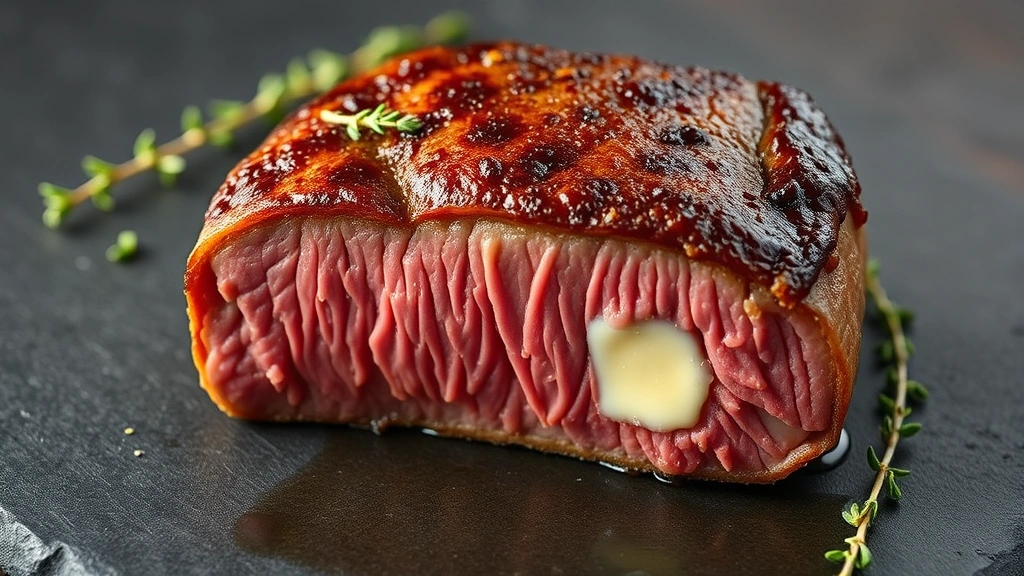
- Medium-Rare: 130-135°F internal temperature. Warm red center with pink edges. The recommended preparation for filet mignon.
- Medium: 140-145°F internal temperature. Warm pink center. Still tender but beginning to firm.
- Medium-Well: 150-155°F internal temperature. Slight pink center. Approaches dryness on filet mignon’s lean meat.
- Well-Done: 160°F+ internal temperature. No pink. Not recommended for filet mignon; the lean meat becomes tough and dry.
Most chefs recommend medium-rare for filet mignon. This temperature allows the meat’s natural tenderness to shine while maintaining juiciness. The slight pink center indicates proper cooking without excessive heat damage.
Flavor Profiles: Seasonings and Marinades
Filet mignon’s delicate flavor requires thoughtful seasoning. Salt and pepper alone create an elegant preparation that lets the meat’s quality shine. However, complementary flavors elevate the experience. Consider these approaches:
Classic Preparations: Kosher salt, freshly cracked black pepper, and fresh thyme or rosemary during cooking create timeless elegance. The herbs infuse subtle earthiness without overwhelming the delicate beef flavor.
Herb Crusts: Combine fresh herbs (parsley, thyme, chives), minced garlic, Dijon mustard, and soft butter to create a compound butter. Spread this mixture on the cooked steak just before serving, allowing it to melt into a rich, flavorful coating. This technique adds visual appeal and sophisticated flavor without requiring marinating time.
Marinades: Unlike tougher cuts requiring extended marinating, filet mignon needs only 30-60 minutes in a marinade. Combine olive oil, balsamic vinegar, soy sauce, minced garlic, and fresh herbs. The acidic components begin breaking down surface proteins, tenderizing an already tender cut and infusing flavor. Avoid over-marinating, which can make the exterior mushy.
Spice Rubs: Create depth with spice combinations. Mix smoked paprika, garlic powder, onion powder, cumin, and a pinch of cayenne for southwestern flair. Apply the rub 15 minutes before cooking for surface seasoning that creates a flavorful crust.
Finishing Touches: Sauces and Compounds
Sauces transform filet mignon into restaurant-worthy dishes. Pan sauces made from the steak’s drippings offer restaurant authenticity achievable at home. After removing the steak from the pan, pour off excess fat, leaving about a tablespoon. Deglaze with red wine or beef broth, scraping the browned bits (fond) from the pan bottom. These caramelized bits contain intense flavor. Simmer until the liquid reduces by half, then finish with a knob of cold butter whisked in off heat. This sauce captures the steak’s essence.
Compound Butter: Mix softened butter with minced fresh herbs (parsley, chives, tarragon), minced garlic, and a squeeze of lemon juice. Form into a log, wrap in plastic wrap, and refrigerate. Slice a portion onto the hot steak just before serving, allowing it to melt into a rich sauce. This technique adds elegance with minimal effort.
Béarnaise Sauce: This classic French sauce pairs beautifully with filet mignon. While seemingly complex, béarnaise is simply an emulsion of egg yolks and clarified butter flavored with tarragon, shallots, and white wine vinegar. Proper technique ensures smooth, silky results. The rich, tangy sauce complements the lean meat perfectly.
Red Wine Reduction: Simmer red wine with beef stock, shallots, and thyme until concentrated and glossy. Strain and finish with butter for a sophisticated sauce that echoes fine dining.
Plating and Presentation
Visual presentation elevates the dining experience. Place the filet mignon slightly off-center on a warm plate, leaning it against a vegetable or grain component. Spoon sauce artfully around the steak rather than covering it—this showcases both the beautiful crust and the sauce’s color.
Accompany filet mignon with complementary sides. Creamed spinach, truffle mashed potatoes, or roasted asparagus provide textural contrast and traditional elegance. A simple green salad with vinaigrette offers brightness. Consider reducing food waste by using vegetable trimmings for stock-making.
Garnish with fleur de sel (finishing salt) and fresh cracked pepper applied just before serving. A microgreen sprig or fresh herb leaf adds color and suggests restaurant-quality attention to detail.
Allow rested steaks to rest 5-10 minutes after cooking before plating. This allows juices to redistribute throughout the meat, ensuring a tender, juicy bite. Cutting into the steak immediately after cooking causes juices to escape onto the plate.
FAQ
How thick should filet mignon steaks be?
Aim for 1.5 to 2 inches thick. This thickness allows proper crust development while maintaining a tender, evenly cooked interior. Thinner steaks cook too quickly, making temperature control difficult, while thicker steaks may develop an overcooked exterior before the center reaches the desired temperature.
Can I cook filet mignon from frozen?
While possible, it’s not ideal. Frozen steaks require significantly longer cooking time and develop uneven texture. Thaw filet mignon in the refrigerator overnight before cooking for best results. If you must cook from frozen, use the reverse sear method with a low oven temperature to minimize the temperature gradient between exterior and interior.
What’s the difference between filet mignon and tenderloin?
Filet mignon refers to thick steaks cut from the center of the tenderloin. The entire tenderloin muscle can be roasted whole (called a beef tenderloin roast), while filet mignon specifically refers to individual steaks. They’re the same cut, just different presentations.
How long should filet mignon rest after cooking?
Rest for 5-10 minutes. This allows muscle fibers to relax and reabsorb juices, resulting in more tender, juicy meat. Cutting immediately after cooking causes juices to escape, leaving the meat dry. Tent loosely with foil to maintain warmth during resting.
Is filet mignon worth the premium price?
For special occasions and when you appreciate exceptional tenderness and delicate flavor, absolutely. However, other cuts like ribeye or New York strip offer more marbling and robust flavor at lower prices. Choose based on your preferences and budget.
Can I marinate filet mignon overnight?
Extended marinating (12+ hours) can make the surface mushy due to enzymatic breakdown. Limit marinading to 30-60 minutes for filet mignon. If marinating longer, use a simple oil-based marinade without acidic components.
What oil should I use for searing?
Choose high-smoke-point oils: avocado oil (520°F), refined vegetable oil (450°F), or refined coconut oil (450°F). Avoid olive oil and butter for initial searing, as they burn at high temperatures. Butter can be added after the initial sear for flavor.
Why is my filet mignon tough?
Overcooking is the primary cause. Filet mignon’s lean meat becomes tough and dry when cooked past medium. Use a meat thermometer to monitor temperature precisely. Additionally, ensure proper resting time before cutting—this prevents juice loss that makes meat seem tough.


