Gluten-Free Desserts? Chef’s Top Picks
Gluten-free baking has transformed from a restrictive necessity into a genuinely exciting culinary frontier. Gone are the days when avoiding gluten meant settling for dense, crumbly disappointments. Today’s gluten-free dessert recipes rival their traditional counterparts in texture, flavor, and overall satisfaction. Whether you’re managing celiac disease, non-celiac gluten sensitivity, or simply exploring new baking techniques, these chef-approved recipes will elevate your dessert game to professional standards.
The secret to exceptional gluten-free desserts lies in understanding flour substitutions, moisture management, and binding techniques. Professional pastry chefs have cracked the code, and we’re sharing their most reliable approaches. From silky chocolate cakes to delicate macarons, these recipes prove that gluten-free baking doesn’t require compromise—only knowledge and precision.
Understanding Gluten-Free Flour Blends
The foundation of successful gluten-free baking starts with selecting the right flour blend. Unlike all-purpose wheat flour, which provides structure through gluten networks, gluten-free flours require strategic blending to achieve comparable results. Professional bakers use combinations of starches, protein-rich flours, and specialty ingredients to replicate what gluten naturally provides.
Rice flour serves as an excellent base due to its neutral flavor and fine texture. Brown rice flour adds nutritional value and nuttiness, while white rice flour provides lightness. Tapioca starch creates elasticity and chewiness—essential for cookies and breads. Potato starch contributes moisture and tender crumb structure. Cornstarch lightens dense batters and improves browning.
For desserts specifically, many chefs prefer commercial blends like Bob’s Red Mill 1-to-1 or King Arthur Baking Company’s gluten-free blend, which already contain xanthan gum or psyllium husk. These pre-mixed formulations eliminate guesswork and ensure consistency. However, understanding individual components allows you to create custom blends tailored to specific recipes.
When creating your own blend, consider the ratio carefully: 40% rice flour, 30% tapioca starch, 20% potato starch, and 10% cornstarch creates a versatile base. Add almond flour or coconut flour for depth and nutrition. These additions contribute protein and healthy fats, improving both flavor and moisture retention.
Pro tip: Always measure flour by weight rather than volume. A cup of flour can vary by 30 grams depending on how densely it’s packed. Digital scales ensure precision and reproducibility—critical for gluten-free baking where ratios matter significantly more than with wheat flour.
The Science Behind Binding Agents
Without gluten’s natural binding properties, gluten-free desserts require strategic additions to create proper structure. This is where binding agents become absolutely essential. Understanding their individual properties allows you to select the right one for your specific application.
Xanthan gum is the workhorse of gluten-free baking. Derived from corn, this polysaccharide creates viscosity and elasticity similar to gluten. Use 1/4 teaspoon per cup of flour in most baked goods. However, too much creates a gummy texture, so precision matters. For delicate cakes, reduce to 1/8 teaspoon per cup.
Psyllium husk offers a gentler alternative with impressive binding power. It absorbs moisture and creates chewy texture without the gumminess some people detect in xanthan gum. Use 1 tablespoon per cup of flour, adding extra liquid since psyllium absorbs significantly more water than xanthan gum.
Agar-agar works beautifully in custards, puddings, and mousses. This seaweed-derived ingredient sets without refrigeration and creates silky texture. Dissolve 1 teaspoon per cup of liquid, bring to a boil for one minute, then cool slightly before incorporating into your dessert.
Eggs and egg whites provide natural binding and leavening. The proteins in eggs denature during baking, creating structure. For dense desserts like brownies, two eggs per cup of flour usually suffices. For lighter cakes, increase to three eggs per cup. Room-temperature eggs incorporate more air, improving volume.
Gelatin creates luxurious texture in mousses, panna cottas, and chiffon desserts. Use 1 teaspoon (or one packet) per cup of liquid. Bloom gelatin in cold water for five minutes before dissolving in warm liquid. This prevents lumps and ensures smooth incorporation.
Many professional chefs combine binding agents strategically. For example, a chocolate cake might use xanthan gum for structure plus eggs for additional binding and leavening. This layered approach creates superior texture and prevents the “gummy” or “sandy” textures that plague inferior gluten-free baking.
Chocolate Flourless Cake Perfection
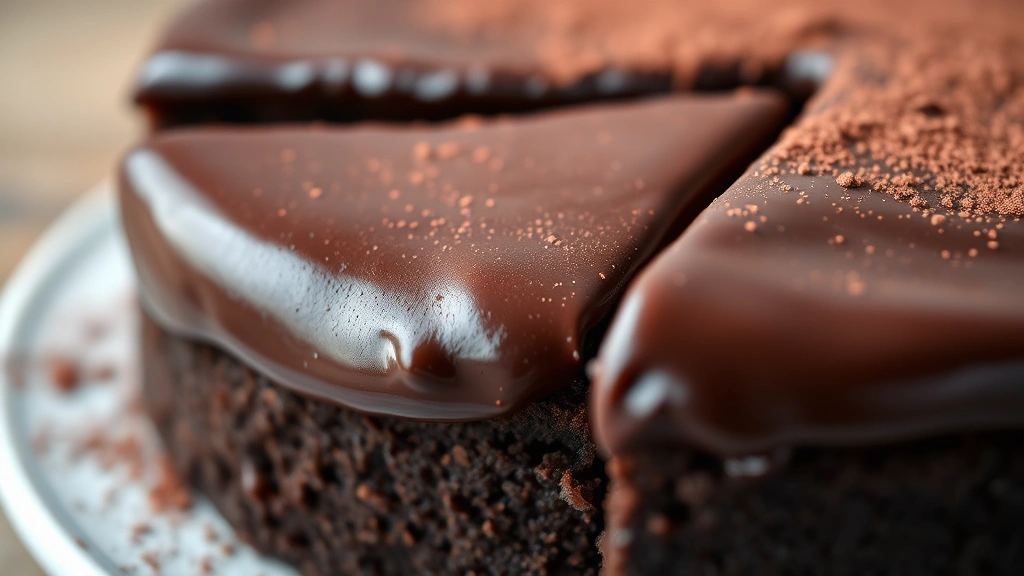
Flourless chocolate cake represents the holy grail of gluten-free desserts because it’s naturally gluten-free and absolutely luxurious. The absence of flour forces bakers to focus on technique, creating intensely chocolatey, fudgy results that impress even seasoned pastry chefs.
Ingredients for 8-inch cake (serves 8-10):
- 8 ounces dark chocolate (70% cacao), chopped
- 1/2 cup unsalted butter
- 3/4 cup granulated sugar
- 3 large eggs, separated
- 1 tablespoon unsweetened cocoa powder
- 1/4 teaspoon sea salt
- 1/4 teaspoon cream of tartar
Method: Preheat oven to 350°F (175°C). Line an 8-inch round cake pan with parchment paper, then butter the sides generously. Melt chocolate and butter together using a double boiler, stirring constantly until completely smooth. Remove from heat and let cool for three minutes.
Whisk egg yolks with 1/2 cup sugar until pale and ribbony—approximately three minutes. This incorporates air and lightens the batter. Fold the chocolate mixture into egg yolks gently, using a silicone spatula and working from the bottom of the bowl upward. Avoid overmixing, which deflates air pockets.
In a separate bowl, beat egg whites with cream of tartar until foamy. Gradually add remaining 1/4 cup sugar while beating continuously. Continue until stiff peaks form—the mixture should be glossy and hold its shape completely. This meringue provides leavening and creates the characteristic light, mousse-like crumb.
Fold meringue into chocolate mixture in three additions. After adding the first third, the mixture becomes more forgiving, allowing you to incorporate remaining meringue more vigorously. Sift cocoa powder and salt over the top, then fold gently until just combined. A few streaks of cocoa are acceptable—overmixing deflates your beautiful meringue.
Pour into prepared pan and bake for 25-30 minutes. The cake should jiggle slightly in the center when gently shaken—this indicates fudgy texture. A completely firm cake will be dry. Cool in the pan for 15 minutes, then invert onto a wire rack.
This dessert pairs beautifully with homemade fruit preserves for a sophisticated presentation.
Almond-Based Desserts and Macarons
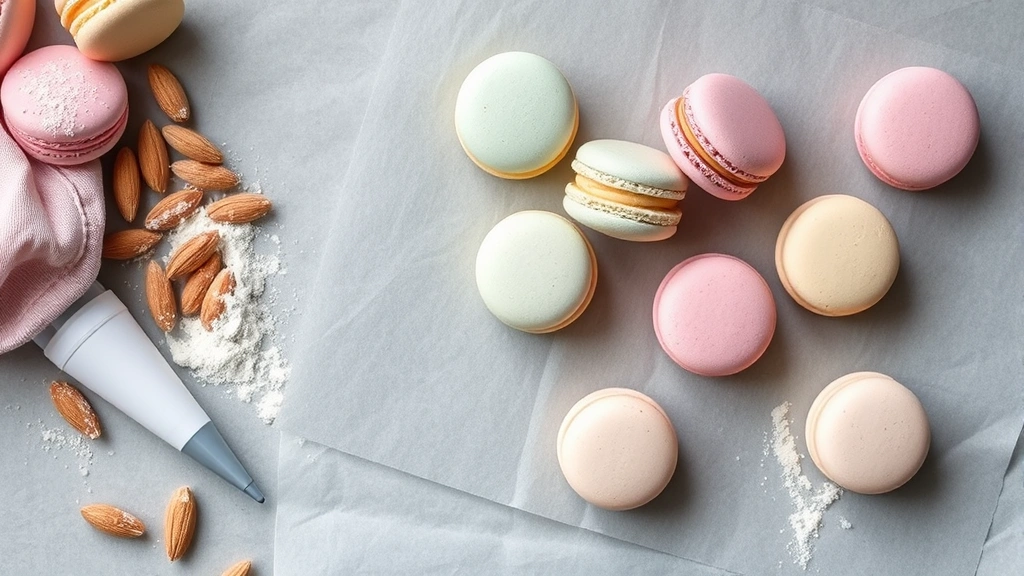
Almond flour deserves special attention in gluten-free baking. Unlike wheat flour, almond flour contains substantial fat and protein, creating rich, tender crumbs with minimal additional binding. This makes it ideal for numerous dessert applications, from simple cookies to elaborate French macarons.
Almond flour characteristics: Contains approximately 50% fat, 20% protein, and 25% carbohydrates (primarily fiber). This composition creates naturally moist desserts that stay fresh longer than wheat-based alternatives. The fat content also improves browning and creates satisfying mouthfeel.
French Macaron Recipe (makes 24 macarons):
This classic French dessert is naturally gluten-free and showcases almond flour’s exceptional properties.
- 100 grams almond flour (finely ground, blanched)
- 100 grams powdered sugar
- 75 grams egg whites (approximately 2-3 eggs)
- 1/8 teaspoon cream of tartar
- 15 grams granulated sugar
- Food coloring (optional)
Macaron assembly method: Sift almond flour and powdered sugar together four times. This removes clumps and creates the fine texture essential for proper macaron structure. Each pass through the sifter matters—don’t skip steps.
Beat egg whites with cream of tartar until foamy. Gradually add granulated sugar while beating continuously until stiff peaks form. Add food coloring if desired. The meringue should be glossy, thick, and hold peaks completely.
Fold almond flour mixture into meringue in three additions using a silicone spatula. Use a gentle J-motion: cut down the center, sweep along the bottom, and fold up the sides. After each fold, rotate the bowl slightly. This technique prevents deflation while ensuring thorough mixing. The final batter should flow like lava—thick but with movement.
Pipe onto parchment-lined baking sheets using a macaron piping tip (0.5-inch diameter). Leave 1.5 inches between macarons. Tap the baking sheet firmly on the counter five times to release air bubbles. Rest macarons at room temperature for 30-60 minutes until a thin skin forms on the surface.
Bake at 325°F (160°C) for 12-15 minutes. Macarons should develop feet (the characteristic ruffled bases) and remain slightly soft in the center. Cool completely before removing from parchment. Sandwich with ganache, buttercream, or jam.
Almond Flour Shortbread: Combine 1 cup almond flour, 3/4 cup butter (softened), 1/4 cup powdered sugar, 1/4 teaspoon salt, and 1/2 teaspoon vanilla extract. Mix until a dough forms. Press into an 8×8-inch pan, prick with a fork, and bake at 350°F for 12-15 minutes until golden. Cool, then cut into squares. This buttery, tender cookie requires no binders and stays fresh for five days.
Fruit-Forward Gluten-Free Options
Fruit-based desserts naturally lend themselves to gluten-free baking. The moisture and pectin in fruit reduce dependence on flour for structure, while natural sweetness allows reduced sugar content. These recipes showcase fruit as the star ingredient.
Gluten-Free Berry Pavlova: This elegant dessert requires only four ingredients: egg whites, sugar, cornstarch, and vinegar. Whip 4 egg whites with 1/4 teaspoon cream of tartar until foamy. Gradually add 1 cup superfine sugar while beating continuously. Mix 1 tablespoon cornstarch and 1 tablespoon vinegar, then fold gently into meringue. The cornstarch stabilizes the meringue, while vinegar prevents graininess and adds subtle tang.
Pipe meringue onto parchment in nest shapes or spread into a single large disk. Bake at 250°F for 90 minutes, then cool in the oven completely. The result should be crispy outside with a marshmallow-like interior. Top with whipped cream and fresh berries just before serving. This dessert pairs beautifully with nutritious, health-conscious dessert approaches.
Flourless Strawberry Shortcake: Layer fluffy almond-based sponge cake with whipped cream and fresh strawberries. For the sponge, whisk 6 egg yolks with 1/2 cup sugar until pale. Fold in 3/4 cup finely ground almond flour. Beat 6 egg whites with cream of tartar until stiff peaks form, then fold into almond mixture gently. Divide between two 8-inch pans and bake at 350°F for 20-25 minutes. The result is light, tender, and naturally gluten-free.
Poached Pear and Chocolate Tart: Create a gluten-free crust using 1.5 cups almond flour, 1/3 cup coconut flour, 1/2 cup butter, 1/4 cup sugar, and 1 egg. Mix ingredients, press into a 9-inch tart pan, and blind-bake at 350°F for 12 minutes. Fill with dark chocolate ganache, top with poached pears, and finish with a glossy apricot glaze. This sophisticated dessert impresses dinner guests and showcases fruit’s natural beauty.
Gluten-Free Fruit Crumble: Layer fresh fruit (apples, berries, stone fruits) in a baking dish. Create topping by combining 1 cup gluten-free oats, 1/2 cup almond flour, 1/3 cup brown sugar, 1/4 cup melted butter, and 1/4 teaspoon salt. Sprinkle over fruit and bake at 375°F for 30-35 minutes until golden and bubbly. This comforting dessert requires no specialized binders and delivers satisfying texture.
Cookies and Bars That Stay Fresh
Gluten-free cookies often suffer from greasiness or excessive drying. Understanding moisture management prevents these common pitfalls. Professional bakers use specific techniques to create cookies that maintain texture for days.
Gluten-Free Chocolate Chip Cookies:
- 1 cup (2 sticks) unsalted butter, softened
- 3/4 cup granulated sugar
- 3/4 cup brown sugar, packed
- 2 large eggs
- 2 teaspoons vanilla extract
- 1.5 cups gluten-free flour blend (with xanthan gum)
- 1 teaspoon baking soda
- 1/4 teaspoon sea salt
- 2 cups chocolate chips (semi-sweet or dark)
Cream butter with both sugars for 3-4 minutes until light and fluffy. This incorporates air, creating lift. Add eggs one at a time, beating well after each addition. Scrape bowl sides frequently to ensure even mixing. Add vanilla extract and beat briefly.
Combine flour blend, baking soda, and salt in a separate bowl. Fold into wet ingredients gently until just combined. Overmixing develops gluten-free flour networks, creating tough cookies. Fold in chocolate chips. Chill dough for at least 30 minutes—this prevents excessive spreading during baking.
Scoop dough using a 1.5-tablespoon cookie scoop (about 20 grams each). Space cookies 2 inches apart on parchment-lined baking sheets. Bake at 350°F for 11-13 minutes until edges are golden but centers appear slightly underbaked. This prevents overbaking, which dries cookies. Cool on baking sheet for five minutes, then transfer to a wire rack. Cookies continue cooking slightly from residual heat.
Gluten-Free Lemon Bars:
- Crust: 1 cup gluten-free flour blend, 1/4 cup powdered sugar, 1/2 cup softened butter, 1/4 teaspoon salt
- Filling: 3 large eggs, 1 cup granulated sugar, 3 tablespoons lemon juice, 1 tablespoon lemon zest, 2 tablespoons gluten-free flour blend, 1/4 teaspoon baking powder
For crust, mix flour blend, powdered sugar, and salt. Cut in softened butter until mixture resembles breadcrumbs. Press firmly into an 8×8-inch parchment-lined pan. Bake at 350°F for 12 minutes until light golden.
For filling, whisk eggs with sugar until pale. Add lemon juice and zest, then fold in flour blend and baking powder. Pour over hot crust and bake for 20-25 minutes until set but slightly jiggly in the very center. Cool completely, then refrigerate for at least two hours. Cut into squares and dust with powdered sugar. These bars stay fresh for five days when stored in an airtight container.
Gluten-Free Brownies: Brownies are naturally suited to gluten-free baking since dense, fudgy texture doesn’t require gluten development. Simply replace wheat flour with a gluten-free blend in your favorite recipe, using a 1:1 ratio. Add an extra egg yolk for richness and fudginess. Reduce xanthan gum to 1/8 teaspoon per cup of flour to prevent greasiness.
Professional Baking Tips and Tricks
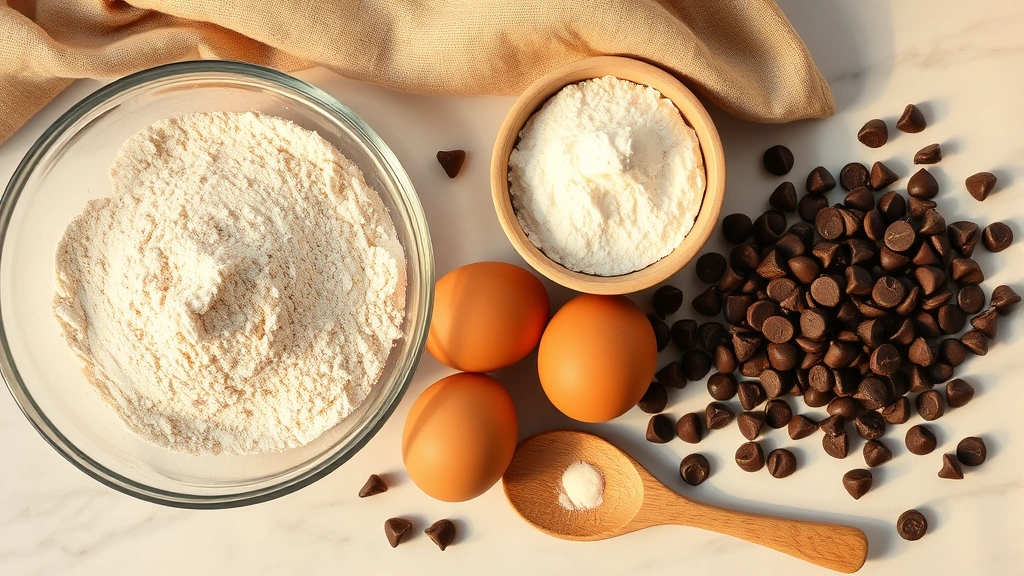
Professional pastry chefs employ specific techniques that dramatically improve gluten-free dessert results. These methods separate exceptional desserts from mediocre attempts.
Temperature Control: Gluten-free batters are more sensitive to temperature fluctuations. Use room-temperature ingredients—they incorporate more evenly and create better emulsions. Cold eggs and butter create lumpy batters that bake unevenly. Conversely, warm ingredients can cause premature leavening.
Hydration Management: Gluten-free flours absorb moisture differently than wheat flour. Start with slightly less liquid than traditional recipes, then add gradually if needed. The batter should be slightly thicker than wheat-based equivalents. Excess moisture creates gummy, dense crumbs.
Resting Periods: Allow gluten-free batters to rest for 10-15 minutes before baking. This hydration period allows starches to fully absorb liquid, creating more stable batters that brown evenly. This simple step prevents dense, undercooked centers.
Oven Calibration: Invest in an oven thermometer. Gluten-free desserts are more sensitive to temperature variations. If your oven runs hot, reduce temperature by 25°F. If it runs cool, increase by 25°F. Consistent baking temperature ensures reliable results.
Cooling Techniques: Allow gluten-free desserts to cool in their pans longer than wheat-based equivalents. The extended cooling period allows structure to set completely. Turning out too early causes crumbling and breakage. Most gluten-free cakes benefit from 20-30 minutes in-pan cooling.
Storage Methods: Gluten-free desserts dry out faster than wheat-based alternatives due to reduced gluten networks that typically trap moisture. Store in airtight containers with parchment paper between layers. Add a slice of bread to the container—it absorbs excess moisture while keeping desserts from drying. Replace bread daily.
Flavor Enhancement: Without gluten’s subtle flavor, gluten-free desserts benefit from bold flavoring. Use vanilla extract, citrus zest, spices, and high-quality chocolate generously. Almond extract, coconut extract, or other specialty extracts add complexity that compensates for flour’s absent contribution.
Texture Improvement: Layer different flours and starches rather than relying on single flour. Combine almond flour (fat), tapioca starch (chewiness), and rice flour (structure) for superior texture. This approach prevents the “gritty” or “sandy” textures that plague single-flour recipes.
Testing for Doneness: The toothpick test works differently for gluten-free baking. Insert a toothpick into the center—it should come out with a few moist crumbs, not completely clean. Gluten-free cakes continue cooking as they cool, so slight underbaking prevents dryness.
Professional bakers also emphasize mastering fundamental cooking techniques, as these principles apply across all baking. Understanding how ingredients interact creates intuition that improves all dessert recipes.
FAQ
Can I use regular flour in gluten-free recipes?
No. Regular wheat flour contains gluten, which would defeat the purpose of gluten-free baking. Dedicated gluten-free flour blends are specifically formulated to replicate wheat flour’s properties without gluten. Using regular flour creates entirely different results and makes desserts unsuitable for gluten-sensitive individuals.
Why are my gluten-free cookies spreading too much?
Excessive spreading indicates insufficient structure or too much fat. Reduce butter slightly (try 10% less), ensure adequate baking soda or powder, and chill dough longer (at least 30 minutes). Also verify your oven temperature with a thermometer—ovens running hot cause excessive spreading. Finally, ensure your gluten-free flour blend contains xanthan gum or another binder.
How do I prevent gummy texture in gluten-free desserts?
Gumminess usually results from excess xanthan gum (use no more than 1/4 teaspoon per cup flour), insufficient baking time, or too much moisture. Reduce xanthan gum by half and add five minutes to baking time. Also ensure you’re measuring flour correctly by weight. Finally, use a reliable oven thermometer to verify accurate baking temperature.
Do I need to adjust leavening agents in gluten-free recipes?
Yes, slightly. Gluten-free batters rise more quickly and dramatically than wheat-based batters. Reduce baking soda by 10-20% and reduce baking powder by 5-10%. This prevents over-rising and subsequent collapse. If using yeast-based recipes, reduce rising time by 25%.
What’s the best gluten-free flour blend for baking?
Commercial blends like King Arthur Baking Company’s gluten-free blend or Bob’s Red Mill 1-to-1 are excellent starting points. For cakes and delicate desserts, King Arthur’s blend excels. For heartier baked goods, Bob’s Red Mill works better. However, creating custom blends tailored to specific recipes yields superior results once you understand individual flour properties.
Can I freeze gluten-free desserts?
Yes, most gluten-free desserts freeze beautifully for up to three months. Wrap cooled desserts tightly in plastic wrap, then aluminum foil to prevent freezer burn. Thaw at room temperature for 2-3 hours before serving. Frosted cakes freeze best—the frosting protects exposed surfaces from drying.
Why is my gluten-free cake dense and heavy?
Dense crumb usually indicates overmixing, insufficient leavening, or incorrect flour-to-liquid ratio. Mix gluten-free batters gently—fold rather than beat vigorously. Ensure adequate baking soda or powder (slightly more than wheat recipes). Finally, verify flour measurement by weight; too much flour creates density.
How long do gluten-free desserts stay fresh?
Most gluten-free desserts stay fresh for 2-4 days at room temperature in airtight containers. Cookies last longest (5-7 days), while cakes dry out faster. Add parchment paper between layers to prevent moisture transfer. Store in cool locations away from sunlight. Refrigeration extends shelf life but can accelerate drying—use only when necessary.
Are gluten-free desserts healthier?
Not inherently. Gluten-free desserts contain similar sugar and fat as traditional desserts. However, many gluten-free recipes incorporate almond flour, coconut flour, or whole grains, which add fiber and nutrients. The healthfulness depends on specific ingredients rather than gluten absence alone.
Can I substitute xanthan gum with something else?
Yes. Psyllium husk, ground flaxseed, ground chia seeds, or gelatin all work as xanthan gum substitutes. However, each requires different proportions and produces slightly different results. Psyllium husk uses roughly the same ratio as xanthan gum, while ground flaxseed requires double the amount. Experiment to find your preferred binder.
Professional pastry chefs continue discovering innovative approaches to gluten-free baking. By understanding fundamental principles—flour properties, binding mechanisms, moisture management—you’ll create exceptional desserts that delight everyone at your table. These chef-approved recipes and techniques represent years of culinary refinement, now accessible to home bakers everywhere.
For deeper understanding of baking science, consult resources like King Arthur Baking Company’s educational content and America’s Test Kitchen’s baking methodology. These institutions provide evidence-based approaches that inform professional practice. Additionally, Serious Eats offers detailed food science explanations that illuminate why specific techniques produce superior results.
Explore our collection of breakfast recipes for gluten-free morning options, and discover nutritious meal solutions that complement your gluten-free lifestyle. Your dessert journey has just begun—embrace experimentation, trust the science, and enjoy creating desserts that nourish both body and soul.


