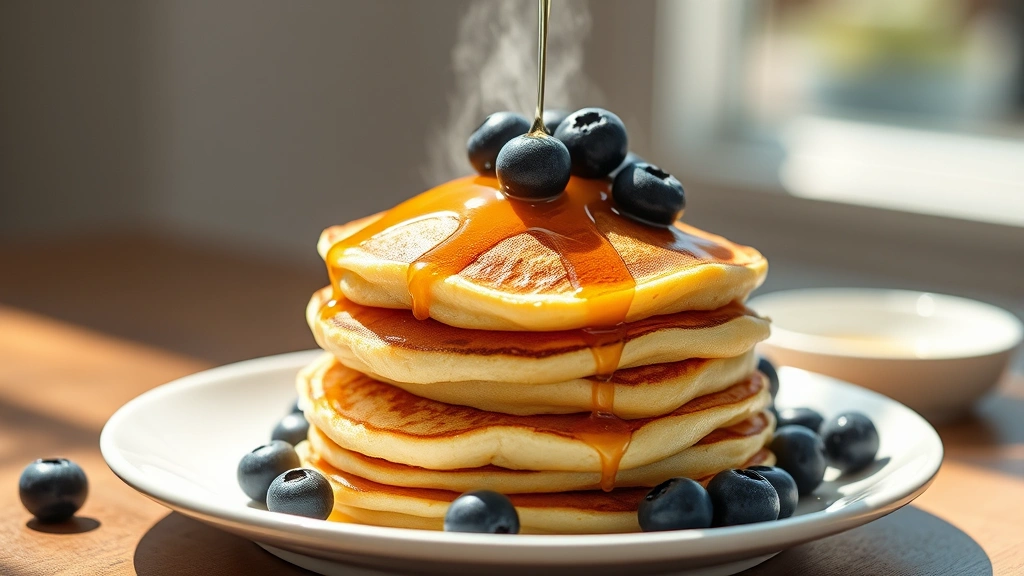
Greek Yogurt Pancakes: Nutritionist Approved Recipe for Protein-Packed Breakfasts
Greek yogurt pancakes have revolutionized the way health-conscious home cooks approach breakfast. Unlike traditional pancakes loaded with refined flour and sugar, these fluffy delights combine creamy Greek yogurt with simple ingredients to create a nutrient-dense meal that satisfies both taste buds and nutritional goals. Whether you’re building muscle, managing weight, or simply seeking a more wholesome morning, Greek yogurt pancakes deliver impressive protein content without sacrificing flavor or texture.
The magic of Greek yogurt in pancake batter lies in its thickness, tanginess, and exceptional macronutrient profile. This ingredient transforms ordinary pancakes into a breakfast powerhouse that keeps you full longer and stabilizes blood sugar levels throughout your morning. Nutritionists consistently recommend Greek yogurt recipes because they provide probiotics, calcium, and sustained energy—making them ideal for active individuals and anyone pursuing balanced nutrition.
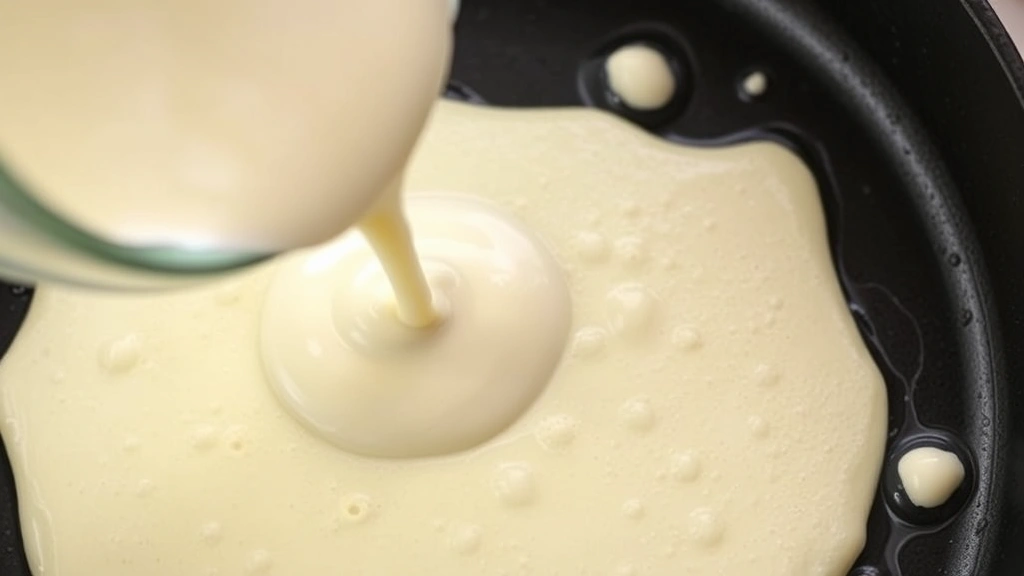
Why Greek Yogurt Transforms Pancakes
Greek yogurt serves as a revolutionary ingredient in pancake recipes because it fundamentally changes the nutritional composition while enhancing texture. Traditional pancakes rely on buttermilk and eggs for moisture and structure, but Greek yogurt amplifies both while adding 15-20 grams of protein per serving. This protein content rivals that of savory breakfast dishes, making Greek yogurt pancakes genuinely satiating.
The thick consistency of Greek yogurt creates an exceptionally tender crumb structure. When combined with eggs and minimal flour, it produces pancakes that are simultaneously fluffy and substantial. The slight tartness of Greek yogurt also balances sweetness naturally, allowing you to reduce added sugars without compromising taste. This is why nutrition experts consistently feature Greek yogurt recipes in their breakfast recommendations.
Beyond protein and texture, Greek yogurt contributes probiotics—beneficial bacteria that support digestive health. These live cultures survive the cooking process in sufficient quantities to offer genuine health benefits. Additionally, Greek yogurt provides calcium for bone health and contains vitamins B12 and B2, essential for energy metabolism. This makes Greek yogurt pancakes nutritionally superior to conventional breakfast options.
Basic Greek Yogurt Pancake Recipe
Ingredients (Makes 8-10 pancakes):
- 1 cup plain Greek yogurt (full-fat or 2%)
- 2 large eggs
- 1/4 cup all-purpose or whole wheat flour
- 2 tablespoons honey or maple syrup
- 1 teaspoon vanilla extract
- 1/2 teaspoon baking powder
- 1/4 teaspoon baking soda
- Pinch of sea salt
- Butter or coconut oil for cooking
Step-by-Step Instructions:
- Combine wet ingredients: In a medium bowl, whisk together Greek yogurt, eggs, honey, and vanilla extract until smooth. The mixture should resemble thick pancake batter, though it will be creamier than traditional batter.
- Mix dry ingredients: In a separate bowl, whisk together flour, baking powder, baking soda, and salt. This prevents lumps and distributes leavening agents evenly throughout your batter.
- Fold together gently: Pour dry ingredients into wet ingredients, folding with a spatula until just combined. Do not overmix—small lumps are acceptable and actually desirable, as they prevent tough pancakes. Overmixing develops gluten, resulting in dense, chewy pancakes.
- Let batter rest: Allow the batter to rest for 5 minutes. This permits the baking powder and baking soda to activate, creating additional lift and fluffiness during cooking.
- Heat griddle or skillet: Place a non-stick griddle or cast-iron skillet over medium heat. Allow it to heat for 2-3 minutes until a drop of water sizzles on contact. Proper temperature is crucial—too hot and pancakes burn outside while remaining raw inside; too cool and they spread thin and lack golden color.
- Grease cooking surface: Lightly butter or oil the hot griddle. Use just enough to coat—excess fat creates greasy pancakes.
- Pour batter: Using a 1/4-cup measure, pour batter onto the griddle, spacing pancakes 2 inches apart to prevent sticking together. Greek yogurt batter is thicker than traditional batter, so pancakes will be slightly smaller and thicker.
- Watch for bubbles: Cook for 2-3 minutes until bubbles form on the surface and edges appear set. This indicates the bottom is cooked through and ready to flip.
- Flip carefully: Using a thin spatula, flip pancakes in one smooth motion. Cook the second side for 1-2 minutes until golden brown and cooked through.
- Transfer and serve: Place finished pancakes on a warm plate. Serve immediately with your choice of toppings.
This straightforward recipe requires minimal ingredients and produces consistently delicious results. The simplicity makes it perfect for weekday mornings while remaining impressive enough for weekend brunch entertaining.
Nutrition Breakdown and Benefits
Each serving of Greek yogurt pancakes (typically 2 pancakes) contains approximately 150-180 calories, 12-15 grams of protein, 15-18 grams of carbohydrates, and 4-6 grams of fat. This macronutrient ratio makes them exceptional for multiple dietary goals. The high protein-to-calorie ratio supports muscle recovery and satiety, while moderate carbohydrates provide sustained energy.
For individuals managing blood sugar, Greek yogurt pancakes offer distinct advantages. The protein and fat content slow carbohydrate absorption, preventing rapid glucose spikes. This creates more stable energy levels and reduces mid-morning hunger crashes. Diabetics and those with insulin sensitivity find these pancakes considerably more appropriate than traditional wheat flour pancakes.
Greek yogurt pancakes also support weight management goals. The protein content triggers greater satiety than carbohydrate-focused breakfasts, meaning you naturally eat less throughout the day. Research from the Academy of Nutrition and Dietetics confirms that protein-rich breakfasts reduce overall daily calorie consumption by 15-20 percent compared to carbohydrate-heavy alternatives.
The probiotics in Greek yogurt support gut health and immune function. A healthy microbiome improves nutrient absorption, reduces inflammation, and contributes to mental health through the gut-brain axis. While heat reduces probiotic populations somewhat, research shows sufficient viable cultures remain in cooked yogurt to provide measurable benefits.
Delicious Flavor Variations
Berry Blast Greek Yogurt Pancakes: Fold 1/2 cup fresh or frozen blueberries, raspberries, or strawberries into the batter just before cooking. Berries add antioxidants, fiber, and natural sweetness without additional sugar. If using frozen berries, do not thaw—this prevents them from bleeding color into the batter.
Chocolate Protein Pancakes: Add 2 tablespoons unsweetened cocoa powder to the dry ingredients and increase honey to 3 tablespoons. These pancakes satisfy chocolate cravings while maintaining nutritional integrity. Serve with fresh raspberries and a drizzle of almond butter for complementary flavors.
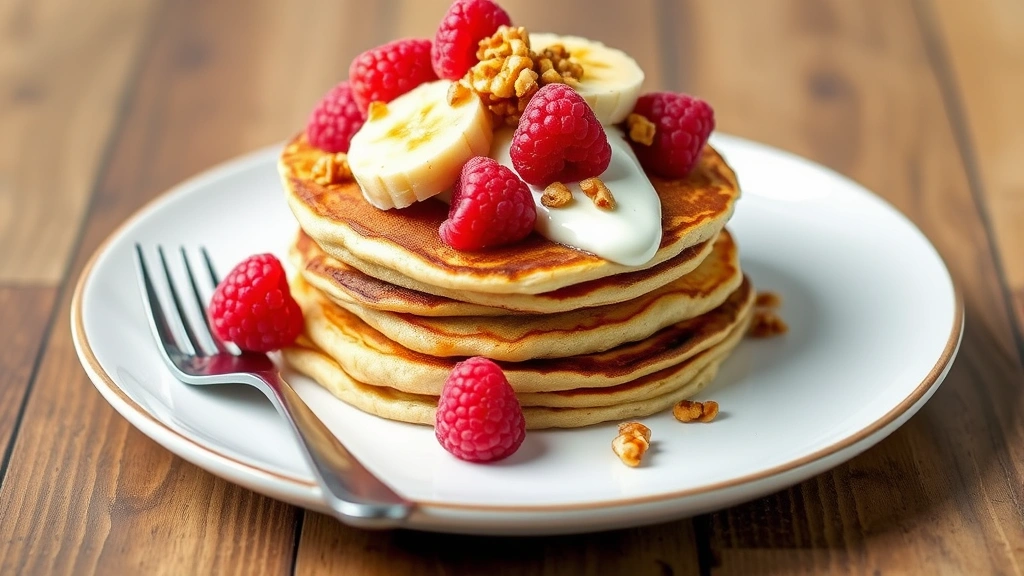
Banana Walnut Variation: Mash 1 ripe banana into the wet ingredients and fold 1/4 cup chopped walnuts into the batter. The banana provides natural sweetness and potassium, while walnuts contribute omega-3 fatty acids and additional crunch. This variation works beautifully with cinnamon—add 1/2 teaspoon to the dry ingredients.
Pumpkin Spice Greek Yogurt Pancakes: Incorporate 1/4 cup pumpkin puree into wet ingredients and add 1 teaspoon pumpkin pie spice (or combine 1/2 teaspoon cinnamon, 1/4 teaspoon ginger, 1/8 teaspoon nutmeg, and pinch of clove) to dry ingredients. Reduce honey to 1 tablespoon since pumpkin contributes natural sweetness.
Lemon Poppy Seed Pancakes: Add 1 tablespoon fresh lemon zest and 1 tablespoon poppy seeds to the batter, plus 1 tablespoon fresh lemon juice to wet ingredients. These bright pancakes pair perfectly with Greek yogurt topped with honey for a simple, elegant breakfast.
For those following specific diets, Greek yogurt pancakes adapt easily. Use almond flour or oat flour instead of all-purpose flour for lower-carb versions. Substitute maple syrup with monk fruit sweetener for zero-calorie sweetness. The foundational recipe remains flexible while maintaining nutritional excellence.
Expert Cooking Tips and Techniques
Temperature Control: The most common mistake involves cooking at incorrect temperature. Medium heat is ideal—high heat creates burnt exteriors and raw centers, while low heat produces pale, dense pancakes. If you lack a temperature gauge, test the griddle by sprinkling water on it. Droplets should sizzle immediately and evaporate within 2-3 seconds.
Batter Consistency: Greek yogurt batter is naturally thicker than traditional pancake batter, which is correct. Do not thin it with milk or additional liquid—this compromises the protein-to-carb ratio and creates inferior texture. If batter seems too thick, a tablespoon of water is acceptable, but restraint is crucial.
Resting Period Importance: The 5-minute rest allows flour to fully hydrate and leavening agents to activate. This step is non-negotiable for maximum fluffiness. During this time, prepare your toppings and heat your serving plates to keep pancakes warm.
Flip Technique: Use a thin, flexible spatula rather than a thick turner. Thin spatulas slide under pancakes more easily, reducing the chance of tearing or folding. Flip with confidence in one smooth motion—hesitant, slow flips cause pancakes to fold or break.
Cooking Surface Selection: Cast-iron skillets or non-stick griddles work equally well. Cast iron requires more careful greasing but distributes heat beautifully once properly seasoned. Non-stick surfaces require less maintenance and are more forgiving for beginners. Whichever you choose, ensure it’s properly heated before cooking.
Batch Cooking Strategy: If serving a crowd, keep finished pancakes warm in a 200°F oven on a baking sheet lined with parchment paper. This prevents them from drying out while you finish cooking remaining batches. Avoid stacking pancakes directly on each other, as steam creates sogginess.
Meal Prep and Storage Solutions
Greek yogurt pancakes freeze remarkably well, making them ideal for meal preparation. After cooking and cooling completely on a wire rack, layer pancakes between parchment paper sheets and store in a freezer-safe container for up to three months. This preparation method maintains texture and nutritional quality.
To reheat frozen pancakes, place them directly on a toaster oven rack at 350°F for 5-7 minutes, or use your regular toaster on a medium setting. Avoid microwaving, which creates uneven heating and soggy texture. The reheating process restores the fluffy interior and slightly crispy exterior of freshly cooked pancakes.
Unbaked batter can be refrigerated in an airtight container for up to 24 hours, though cooking immediately after preparation yields superior results. The batter will thicken slightly as it sits—add a tablespoon of water if necessary before cooking.
For the busiest mornings, prepare a dry ingredient mix in advance. Combine flour, baking powder, baking soda, and salt in a jar. When ready to cook, simply mix with Greek yogurt, eggs, honey, and vanilla. This strategy reduces morning preparation time to five minutes while maintaining nutritional excellence.
Pairing Greek yogurt pancakes with complementary breakfast components creates balanced, satisfying meals. Consider serving alongside homemade salad dressings made with Greek yogurt for a creamy, protein-rich accompaniment. Hard-boiled eggs provide additional protein, while fresh fruit adds fiber and micronutrients.
FAQ
Can I use flavored Greek yogurt?
Plain Greek yogurt is strongly recommended because flavored varieties contain added sugars and artificial ingredients that compromise nutritional benefits. However, if you only have flavored yogurt available, reduce the honey in the recipe by half. Vanilla Greek yogurt works best if you must substitute, as its flavor complements the pancakes naturally.
What if my pancakes turn out dense?
Density typically results from overmixing the batter, using old baking powder or baking soda (check expiration dates), or cooking at insufficient temperature. Ensure you fold ingredients gently, use fresh leavening agents, and verify your griddle is properly heated before cooking. Additionally, avoid adding extra flour—the batter should be thick but not paste-like.
Are Greek yogurt pancakes suitable for children?
Absolutely. Greek yogurt pancakes are nutritionally superior to conventional pancakes and appeal to children. Reduce added sweeteners if your children are young, and consider adding mashed banana for natural sweetness. The high protein content supports growth and development, making them an excellent choice for children’s breakfasts.
Can I make these pancakes dairy-free?
Traditional Greek yogurt pancakes require dairy, but you can substitute with dairy-free yogurt alternatives made from coconut, almond, or soy. Soy-based yogurts provide the most comparable protein content. However, texture and nutritional profiles differ slightly from dairy versions, so expect minor adjustments in cooking time and pancake consistency.
How do Greek yogurt pancakes compare to protein powder pancakes?
Greek yogurt provides whole-food protein with additional nutrients like probiotics and calcium, while protein powder offers more concentrated protein in smaller volumes. Greek yogurt pancakes taste more like traditional pancakes, whereas protein powder pancakes sometimes have a slightly chalky flavor. For whole-food nutrition and superior taste, Greek yogurt is the preferred choice.
What toppings pair best with Greek yogurt pancakes?
Fresh berries, sliced bananas, and Greek yogurt-based toppings complement Greek yogurt pancakes beautifully. Nuts like almonds and walnuts add crunch and healthy fats. Honey, pure maple syrup, or almond butter provide delicious, nutritious finishing touches. Avoid heavy syrups and whipped cream, which diminish the nutritional advantages of your base pancakes. Consider making homemade toppings for complete control over ingredients and added sugars.
Can I adjust the protein content further?
Yes. Use 2% or full-fat Greek yogurt for maximum protein and creaminess—full-fat varieties contain approximately 20 grams of protein per cup. Additionally, you can add 2 tablespoons of vanilla protein powder to the dry ingredients without compromising texture. This pushes protein content to 18-20 grams per serving while maintaining the pancakes’ delicious flavor and fluffy structure.


