Table of Contents
Introduction
Picture this: you’re standing in front of your fridge, staring at a beautiful bowl of fresh greens, and you realize your salad is about to get seriously exciting. Why? Because you’re about to drizzle it with a dressing you made yourself—from scratch, with ingredients you actually recognize. There’s something magical about homemade salad dressings that transforms even the simplest salad into something special. Whether you’re someone who burns water (we’ve all been there) or you’ve got some serious kitchen skills, making your own dressings is one of those game-changing habits that’s way easier than you think.
Let’s be real for a second. Have you ever flipped over a bottle of store-bought dressing and tried to pronounce half the ingredients? Yeah, me too. Many commercial dressings are packed with preservatives, sneaky sugars, and oils that aren’t doing your body any favors. But here’s the thing—when you make your own, you’re the boss of every single ingredient that goes in. Want to use that gorgeous olive oil you splurged on? Go for it. Prefer your dressing a little less sweet? You got it. Need something that fits your keto lifestyle? Easy. It’s like having a personal chef, except the personal chef is you.
Once you get into the rhythm of making your own dressings, you’ll notice something cool happens. Your meal planning gets more creative. Suddenly, you’re excited about that grain bowl because you know exactly which dressing will make it sing. The secret sauce (pun intended) is understanding how oils and acids play together—it’s not rocket science, just basic kitchen chemistry that anyone can master. With a few pantry staples, you can whip up everything from classic vinaigrettes to creamy, dreamy dressings that’ll make your taste buds do a happy dance. And if you’re looking to expand your sauce-making skills beyond dressings, there are some fantastic tips on how to make homemade sauces that’ll take your cooking to the next level.
Now, let’s talk about the health side of things. (Don’t worry, I’m not going to lecture you!) Homemade dressings aren’t just about better flavor—they’re about better nutrition too. When you choose quality oils like olive or avocado oil, you’re not just adding taste; you’re adding heart-healthy fats that your body actually needs. Fresh herbs? They’re little nutritional powerhouses. Natural sweeteners like honey? They add just the right touch without the artificial stuff. Plus, there’s something satisfying about using up those herbs before they go bad instead of letting them become expensive compost. If you’re curious about boosting the nutritional value of your meals even more, check out this guide on foods rich in antioxidants to see how the right ingredients can turn your salads into serious nutrition bombs.
What You’ll Learn in This Guide
Alright, let’s get down to business. I’m going to walk you through everything you need to know to become a dressing-making machine. Here’s what we’re covering:
- Understanding the Basics: We’ll break down the essential players—oils, acids, herbs, and seasonings—and why using good stuff actually matters for both taste and your wallet.
- Step-by-Step Preparation: No more guessing games. I’ll show you exactly how to mix and blend dressings so they turn out smooth and perfectly balanced every single time.
- Storage and Safety: Learn the tricks to keep your dressings fresh and delicious for days (or even weeks), so you’re not starting from scratch every time you want a salad.
- Creative Recipes and Customization: We’ll start with some tried-and-true recipes, then I’ll show you how to make them your own—more tangy, sweeter, spicier, whatever makes your heart happy.
Master these basics, and you’ll feel like a kitchen wizard. Seriously. Whether you’re throwing together a quick lunch or trying to impress your dinner guests, homemade dressings are your secret weapon for turning ordinary into extraordinary.
We’ll also dig into choosing the right oils and acids—because not all vinegars are created equal, and the oil you pick can make or break your dressing. Ever wondered whether you should whisk by hand or break out the blender? I’ve got you covered there too. The texture you want determines the method, and I’ll help you figure out which is which. For even more inspiration, take a look at these healthy salad dressing recipes that prove simple ingredients can create absolutely incredible flavors.
By the time you finish reading this, you won’t just have a handful of recipes (though you’ll definitely have those). You’ll understand how ingredients work together, how to adjust flavors on the fly, and how to create dressings that make any salad—or grain bowl, or roasted vegetables, or whatever you’re in the mood for—taste amazing. Ready to transform your salad game forever? Let’s do this.
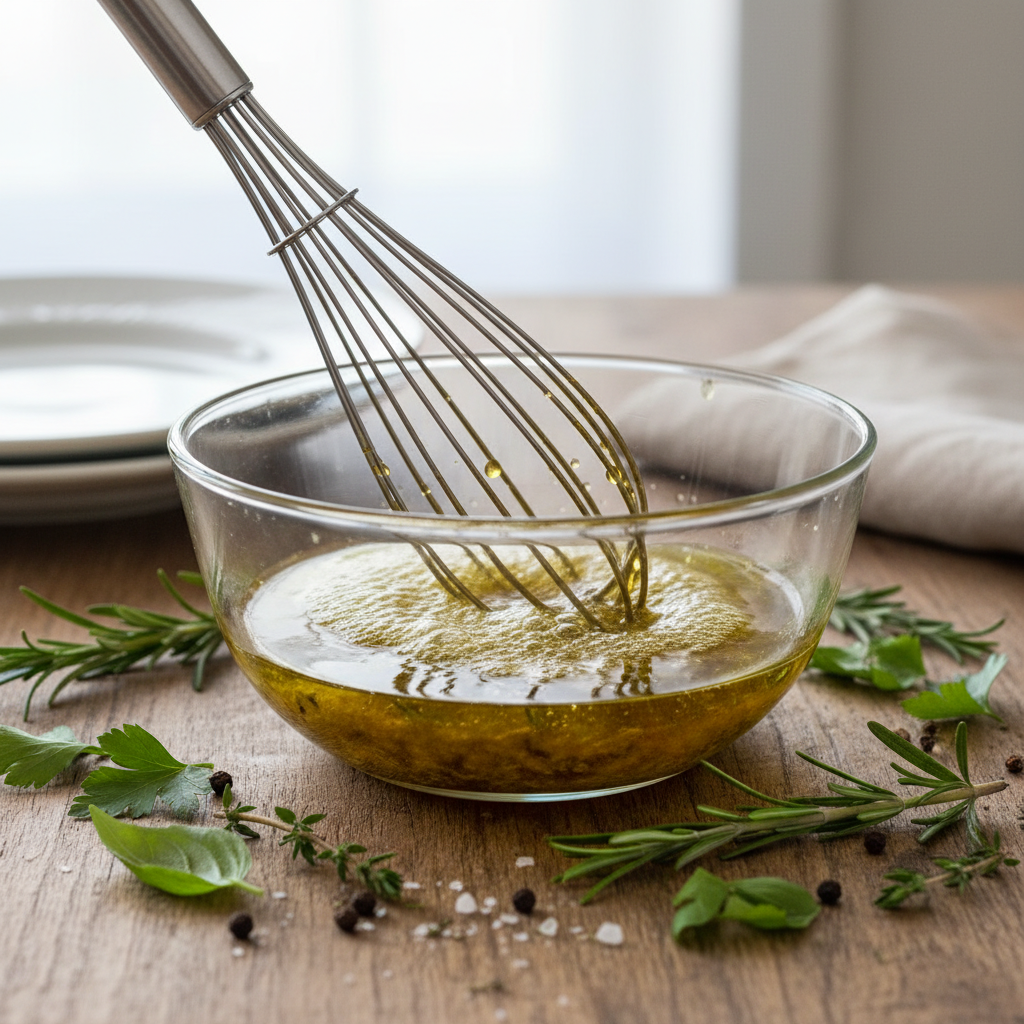
Here’s something that’ll change your salad game forever: making your own dressings at home. Trust me on this one. When you control what goes into that bottle, you’re not just avoiding the mystery ingredients and sugar bombs lurking in store-bought versions—you’re opening up a whole world of flavors that actually taste like real food. Want ranch that doesn’t taste like chemicals? Done. Craving a vinaigrette that makes your taste buds dance? You’ve got this. The best part? You can tweak everything to match exactly what you love, whether you’re watching your sodium, avoiding certain ingredients, or just want something that tastes incredible.
Essential Ingredients and Techniques for Homemade Salad Dressings
Let’s talk about the building blocks that make dressings magical. First up: your oils. Think of olive oil as the dependable friend—rich, flavorful, and always there for you. Avocado oil? That’s your smooth operator, mild and buttery without stealing the show. These aren’t just for taste either; they’re packed with heart-healthy fats that your body actually craves. Now here’s where things get interesting—acids are your secret weapon. Balsamic vinegar brings that sweet-tangy complexity, while fresh lemon juice hits you with pure sunshine. Apple cider vinegar? It’s got attitude and depth that can transform the most boring salad into something special.
But wait, there’s more to this story. Quality matters—a lot. When you invest in good oils and fresh acids, you’re not just improving flavor (though wow, what a difference). You’re also getting way more nutritional bang for your buck. Store these beauties in airtight containers in your fridge, and they’ll stay fresh for weeks. And here’s a little secret: while everyone talks about the classic 3:1 oil-to-acid ratio, don’t be afraid to play around. Your palate is the boss here. For some solid inspiration on ingredient combinations that actually work, check out our guide on healthy salad dressing recipes—it’s perfect for getting your feet wet with flavor profiles that make sense together. Oh, and if you’re serious about keeping those fresh herbs at their peak, our article on how to preserve herbs has some game-changing tips that’ll save you money and boost your dressing game.
Key Components for Preparing Salad Dressings
Before you start mixing (and trust me, you’ll want to after this), here’s what you need to know:
- Oils: Go for the good stuff—extra virgin olive oil gives you that fruity, peppery kick that makes everything better. Avocado oil is your neutral player when you want the other flavors to shine. Both pack essential fatty acids that’ll make your skin glow.
- Acids: This is where personality lives. Balsamic brings sweetness and complexity, apple cider vinegar adds a subtle funk, and red wine vinegar keeps things classic. Fresh lemon juice? Pure liquid sunshine that brightens everything it touches.
- Flavor Enhancers: Here’s your playground—mustard for bite, honey for sweetness, garlic for soul, fresh herbs for that “how did they make this so good?” factor. Start small and taste as you go.
- Mixing Methods: Whisking by hand gives you control and a rustic feel. Blending creates that restaurant-smooth texture. Mason jar shaking? Sometimes the simple ways are the best ways.
See how this all comes together? Once you’ve got these basics down, you’ll wonder why you ever bought dressing in the first place. The real magic happens when you start experimenting—a little more garlic here, a touch of honey there. Next up, we’re diving into the techniques that’ll turn your ingredients into liquid gold.
Mastering Mixing Techniques and Storage for Perfect Dressings
Now for the fun part—bringing it all together. Hand whisking isn’t just old school; it’s therapeutic. You feel the emulsion happening, watch the oil and acid become friends, and end up with that perfect slightly chunky texture that coats every leaf just right. Want something silky smooth? Break out the blender or food processor. The whirring action creates this incredible creamy consistency that’ll make you forget about store-bought forever. Each method gives you a completely different experience, so why not try both? For step-by-step guidance and recipes that actually work, our detailed insights on healthy salad dressing recipes will spark ideas you never knew you had.
Here’s something most people mess up: storage. (Don’t worry, we’ve all been there.) Glass containers are your best friends here—they won’t absorb flavors or leach weird chemicals into your beautiful creation. Pop those babies in the fridge right after making them, and you’re looking at fresh, delicious dressing for one to two weeks. Pro tip: some dressings freeze beautifully in ice cube trays. Just thaw what you need, and boom—instant flavor upgrade for any meal. Getting smart about storage isn’t just about keeping things fresh; it’s about making your life easier and your wallet happier. Speaking of which, our guide on food waste reduction tips has strategies that’ll help you squeeze every drop of value from your ingredients.
Key Techniques for Mixing and Storing
Here’s your quick reference for nailing it every time:
- Whisking vs Blending: Whisking gives you that artisanal, slightly separated look that screams “homemade goodness.” Blending creates restaurant-quality smoothness that impresses everyone. Pick your vibe.
- User-Friendly Equipment: Mason jars are genius for this—measure, mix, shake, store, all in one container. Plus, they look pretty on your counter and make you feel like you’ve got your life together.
- Storage Containers: Glass all the way. It doesn’t hold onto flavors from last month’s experiment, won’t react with acidic ingredients, and you can actually see what you’ve got. Clear winners.
- Refrigeration and Shelf Life: Cold storage is non-negotiable—bacteria don’t take vacations. Use within 1-2 weeks, and trust your nose. If something smells off, it probably is. Better safe than sorry.
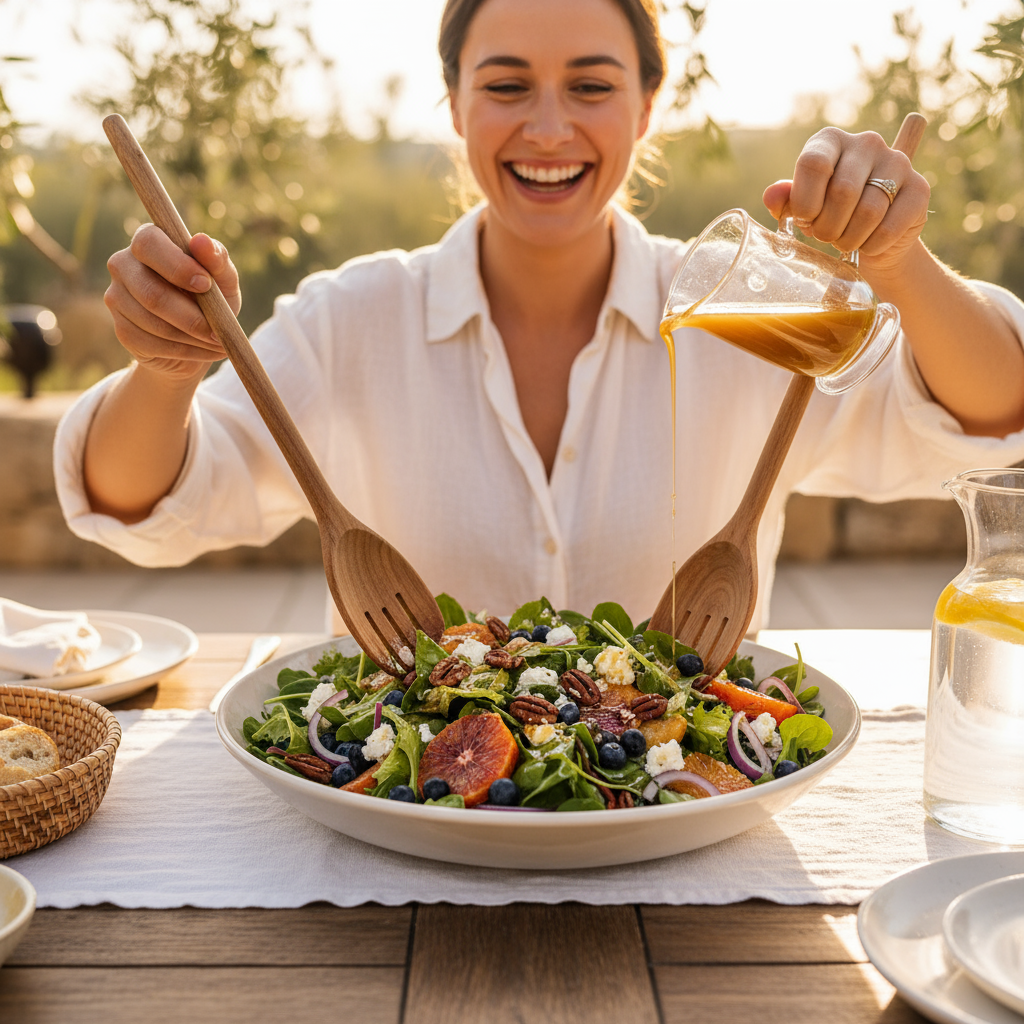
Here’s the thing about making your own salad dressings—once you start, you’ll wonder why you ever bought those bottles from the store. It’s not just about the taste (though trust me, fresh beats processed every time). You get to decide what goes in there. No mystery preservatives, no hidden sugars, just real ingredients you can actually pronounce.
Think of it this way: you’ve now got the building blocks down. Quality oils? Check. Good vinegars and fresh herbs? You know what to look for. The mixing techniques we covered? They’re simpler than you probably expected. And here’s what I love most—you can tweak everything to match exactly what you’re craving.
But making dressings isn’t really about following recipes to the letter. It’s about getting comfortable in your kitchen, playing around with flavors until you find something that makes you go “wow.” Maybe you’ll become the person who makes that incredible herb blend everyone asks about. Plus, you’re using up those fresh herbs before they go bad (we’ve all been there with the wilted cilantro).
Want to keep building these skills? Our guide on how to make homemade sauces is a natural next step—same principles, bigger flavor possibilities. And since we’re talking about fresh herbs, you’ll definitely want to check out our tips on how to preserve herbs so they last longer. If you’re curious about boosting the nutritional punch of your meals, our article on foods rich in antioxidants has some great ideas. Oh, and those food waste reduction tips? Perfect for making the most of everything you buy.
Look, I get it—we’re all busy, and sometimes grabbing a bottle seems easier. But once you realize how quick and satisfying it is to whisk together your own dressing, it becomes second nature. Whether you’re someone who’s been cooking for years or you’re just getting started, there’s something really satisfying about making something this good from scratch. Ready for more healthy meal inspiration? Our collection of best healthy food recipes pairs perfectly with all those amazing dressings you’re about to make. Why not start tonight?
Frequently Asked Questions
-
How long can homemade salad dressings be stored?
- Most homemade salad dressings can be stored in the refrigerator for about one to two weeks. It’s best to keep them in airtight glass containers to maintain freshness and flavor.
-
Can I use different oils in dressings?
- Yes, you can use a variety of oils like olive oil, avocado oil, and walnut oil depending on your flavor preference and dietary needs. Each oil offers unique taste and health benefits.
-
Are homemade dressings healthier than store-bought?
- Generally, homemade dressings are healthier because they contain fresh, natural ingredients without preservatives, refined sugars, or artificial additives commonly found in commercial products.
-
What are the basic ratios for mixing dressings?
- A common rule is three parts oil to one part acid (like vinegar or lemon juice), but you should adjust this ratio based on your taste preferences and the specific ingredients used.
-
Can I make creamy dressings at home?
- Absolutely! Creamy dressings can be made by adding ingredients like yogurt, mayonnaise, or avocado to your basic vinaigrette for a richer texture and flavor.