Authentic Japanese Mounjaro Recipe: Chef Tips Inside!
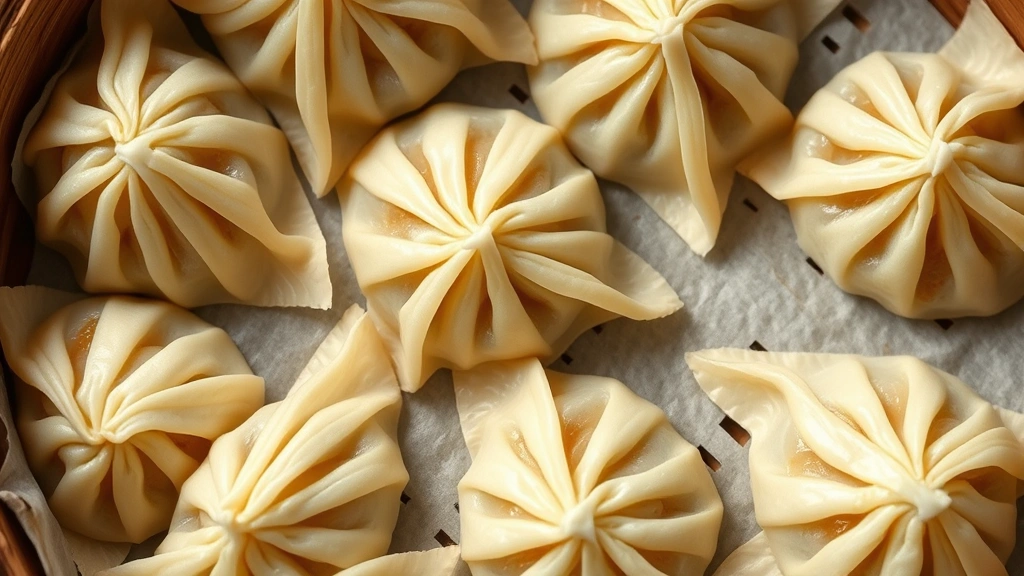
Mounjaro, a delightful Japanese dumpling that combines delicate wrappers with savory or sweet fillings, represents centuries of culinary tradition refined through generations of skilled hands. This beloved dish transcends simple comfort food—it’s a cultural ambassador on every plate, embodying the Japanese philosophy of precision, balance, and respect for ingredients. Whether you’re exploring best healthy food recipes, seeking to master authentic techniques, or simply craving an impressive homemade meal, learning to craft authentic Japanese mounjaro will elevate your cooking repertoire significantly.
The beauty of mounjaro lies in its versatility and approachability. Unlike many Asian dumplings that require years of practice to perfect, mounjaro welcomes home cooks with open arms while rewarding dedication with restaurant-quality results. Professional chefs across Japan guard their family recipes jealously, yet the fundamental techniques remain consistent: quality ingredients, proper folding methods, and precise cooking temperatures. This comprehensive guide draws from both traditional wisdom and modern culinary science to help you create mounjaro that rivals those served in Tokyo’s finest establishments.
Understanding Mounjaro: History and Significance
Mounjaro represents a fascinating intersection of Chinese dumpling influence and Japanese refinement. While dumplings arrived in Japan centuries ago through trade routes, Japanese cooks transformed them into something distinctly their own. The name itself carries cultural weight—mounjaro refers to the steamed or pan-fried dumpling that has become synonymous with Japanese home cooking and professional cuisine alike.
The cultural significance of mounjaro extends beyond mere sustenance. In Japanese households, preparing mounjaro is often a family affair, with multiple generations gathering to fold dumplings while sharing stories and strengthening bonds. This communal aspect makes mounjaro more than food—it’s a vehicle for cultural transmission and family connection. Professional chefs recognize this heritage and treat mounjaro preparation with the reverence typically reserved for more elaborate dishes.
Understanding the historical context helps you appreciate why certain techniques matter. The thickness of wrappers, the proportion of filling to dough, and even the direction of folding carry traditional significance. Modern cooking science validates many traditional methods: the precise thickness of wrappers ensures even cooking and optimal texture contrast, while specific filling ratios create the ideal balance of flavors and moisture.
Essential Ingredients and Quality Selection
Creating authentic Japanese mounjaro begins with ingredient selection that honors traditional standards while embracing modern accessibility. Each component contributes specific properties that affect the final dish’s texture, flavor, and authenticity.
Flour Selection for Wrappers: Japanese all-purpose flour (typically 8-9% protein) differs from Western all-purpose flour and creates distinctly tender, delicate wrappers. Brands like Nisshin or King Arthur Baking Company’s Japanese-style flour provide superior results. The lower protein content prevents excessive gluten development, yielding wrappers that tear less easily during folding. If unavailable, blend cake flour with regular all-purpose flour in a 1:1 ratio to approximate the texture.
Water Quality: This often-overlooked ingredient dramatically affects dough consistency. Filtered water at room temperature helps achieve the ideal dough hydration without introducing minerals that affect gluten development. Temperature matters because cold water slows hydration and requires longer mixing, while hot water accelerates gluten formation.
Filling Proteins: Authentic mounjaro typically features pork, though chicken, shrimp, and vegetarian options exist. For pork, select ground pork with 15-20% fat content—too lean produces dry, dense dumplings, while excessive fat causes greasiness. Freshness is paramount; use pork within two days of purchase. When selecting healthy food recipes, consider using leaner proteins and supplementing with moisture through vegetables and broths.
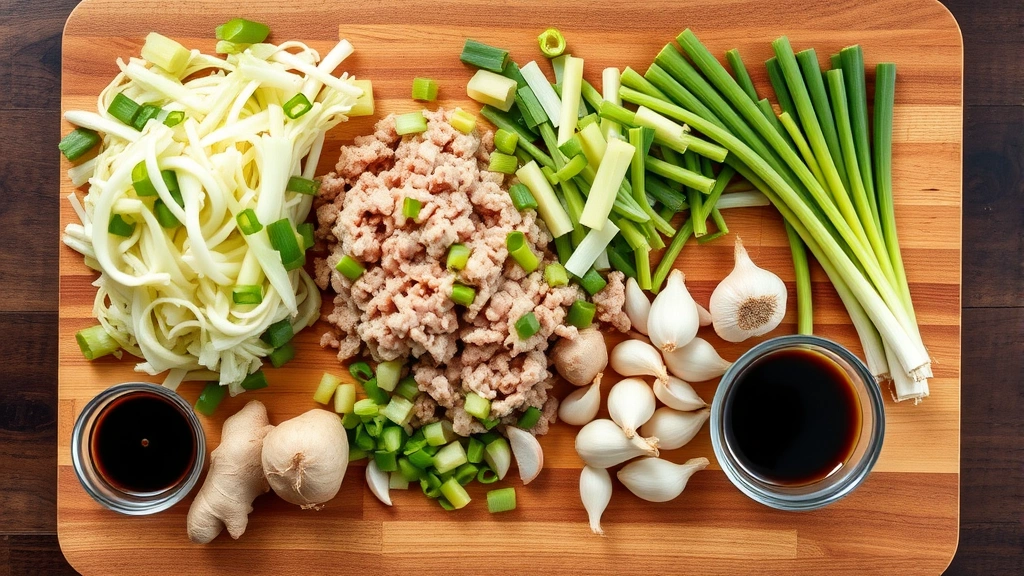
Vegetables and Aromatics: Napa cabbage provides the traditional base, chosen for its mild flavor and high moisture content that keeps fillings tender. Select heads with pale green outer leaves and tightly packed inner leaves. Green onions, ginger, and garlic form the aromatic foundation. Fresh ginger root (not powdered) provides superior flavor; buy firm pieces without soft spots. Garlic should be plump and fragrant with papery skin.
Seasonings: Soy sauce (shoyu), sesame oil, and salt create the essential flavor profile. Use authentic Japanese soy sauce—brands like Kikkoman or San-J provide the umami depth that distinguishes Japanese mounjaro from other dumpling styles. Toasted sesame oil adds nutty complexity that brightens the overall flavor profile.
Preparing the Perfect Dumpling Wrapper
The wrapper represents the foundation of exceptional mounjaro. Professional chefs spend months perfecting their wrapper technique, recognizing that this single element determines success or failure.
Dough Mixing Method: Combine 2 cups Japanese all-purpose flour with ¾ cup boiling water in a large bowl, stirring with chopsticks until the mixture becomes shaggy. This hot-water method partially gelatinizes the starch, creating a more tender final wrapper. Once cool enough to handle, knead the dough for 8-10 minutes until smooth and slightly elastic. The dough should feel slightly tacky but not sticky—if it sticks to your hands, dust with flour sparingly.
Resting Period Importance: After kneading, wrap the dough in plastic and rest for 30 minutes at room temperature. This crucial step allows gluten to relax and flour to fully hydrate, making the dough more pliable during rolling and less prone to tearing. Many home cooks skip this step, directly causing wrapper failures during folding.
Rolling Technique: Divide the dough into 24-30 pieces (depending on desired size). Roll each piece into a small ball, then flatten slightly. Using a wooden dowel or specialized dumpling rolling pin, roll from the center outward, rotating the wrapper 45 degrees between each roll. The goal is a thin, slightly thicker center (about 2mm) that gradually thins toward edges (1mm). Properly rolled wrappers are nearly translucent when held to light. Dust your work surface with cornstarch (not flour, which incorporates into the dough) to prevent sticking.
Wrapper Storage: Stack finished wrappers with parchment between each layer and cover with a damp towel to prevent drying. Use wrappers within 2 hours of rolling, or freeze on a baking sheet before transferring to freezer bags for up to 3 months.
Mastering Filling Techniques
The filling demands as much attention as the wrapper. Professional chefs approach filling with scientific precision, understanding how each ingredient affects texture, flavor, and moisture.
Classic Pork and Cabbage Filling: Finely mince 1 pound ground pork (15-20% fat) and 2 cups napa cabbage. The cabbage must be minced finely—large pieces create structural weakness and uneven cooking. Combine with 2 green onions (minced), 1 tablespoon minced fresh ginger, 2 cloves minced garlic, 2 tablespoons soy sauce, 1 tablespoon toasted sesame oil, and ½ teaspoon salt. Mix gently but thoroughly with a fork, being careful not to overwork the pork, which would create a dense, compact filling.
Moisture Management: A common error involves filling that releases excess moisture during cooking, creating soggy wrappers. To prevent this, salt the minced cabbage 15 minutes before mixing, allowing osmosis to draw out water. Gently squeeze the cabbage to remove excess moisture, then incorporate into the pork mixture. This technique reduces moisture content while concentrating flavors.
Temperature Consideration: Keep filling ingredients cold—ideally below 50°F—to prevent fat from rendering and oils from separating during storage. Chill the filling mixture for at least 30 minutes before using. Cold filling is easier to handle during folding and maintains better texture during cooking.
Alternative Filling Options: Shrimp fillings combine minced shrimp with cabbage and aromatics for a lighter option. Vegetarian fillings might feature mushrooms (shiitake for umami depth), tofu, and vegetables. Sweet fillings using red bean paste create dessert mounjaro popular in Japanese cuisine. Regardless of filling type, maintain the same moisture-management principles.
Folding Methods: From Beginner to Advanced
Folding represents the most visible technical skill in mounjaro preparation. While it appears intimidating to beginners, systematic practice yields rapid improvement.
Beginner Method: The Half-Moon Fold: Place approximately 1 teaspoon filling in the center of a wrapper. Wet the edge with water using your finger, then fold the wrapper in half, pressing edges firmly to seal. This simple fold creates a crescent shape and is forgiving for beginners. The key is using minimal filling—overstuffing causes wrapper failure during cooking.
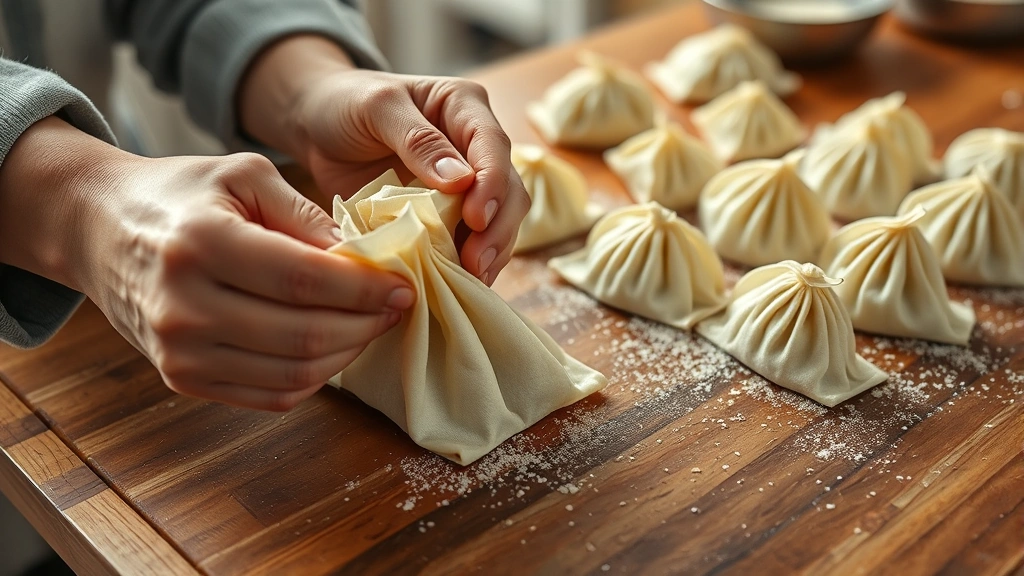
Intermediate Method: The Pleated Pouch: This fold creates the iconic mounjaro appearance seen in restaurants. Place filling in the wrapper center, wet the edges, and fold in half without pressing. Using your thumb and forefinger, create 3-4 small pleats on one side of the semicircle, gently pushing toward the center. Press the pleated edge to seal, creating a pouch shape. This method requires practice but produces professional-looking results.
Advanced Method: The Spiral Pleat: Master chefs create intricate spiral pleats that serve both aesthetic and functional purposes. The pleating process creates a stronger seal while distributing pressure evenly during cooking. Begin with the half-moon fold, then use a precise folding motion to create continuous pleats around the sealed edge. This technique demands significant practice but creates dumplings of remarkable beauty.
Folding Pro Tips: Work on a lightly dampened surface to prevent wrappers from sliding. Fold dumplings immediately after filling—allowing filled wrappers to sit causes moisture to penetrate the dough, making it fragile. If wrappers dry out while you’re working, cover them with a damp towel. Maintain consistent filling amounts—too much causes bursting, while too little creates dense, dough-heavy dumplings.
Cooking Techniques: Steaming, Pan-Frying, and Boiling
Japanese mounjaro can be prepared using three distinct methods, each producing different textures and flavor profiles. Professional chefs master all three, selecting based on desired outcomes.
Steaming: The Traditional Method Steaming produces tender wrappers with delicate texture and preserves subtle flavors. Line a bamboo steamer with parchment paper to prevent sticking, then arrange mounjaro in a single layer without touching. Steam over boiling water for 12-15 minutes until wrappers become translucent and filling is cooked through. The gentle, moist heat prevents wrappers from drying while cooking the filling evenly. For easy dinner recipes, steaming requires minimal attention once the water reaches boiling.
Pan-Frying: The Textured Approach Pan-frying creates crispy bottoms while maintaining tender tops—the most popular preparation in Japanese restaurants. Heat 1 tablespoon oil in a large skillet over medium-high heat, then arrange mounjaro flat-side down in a single layer. Cook for 2-3 minutes until the bottom becomes golden and crispy. Add ¼ cup water, cover immediately, and reduce heat to medium. Steam for 8-10 minutes until water evaporates and wrappers become translucent. This combination of dry heat and steam creates contrasting textures that distinguish restaurant-quality mounjaro.
Boiling: The Broth Method Boiling works well when serving mounjaro in clear broths or soups. Bring water to a rolling boil, gently add mounjaro, and stir occasionally to prevent sticking. They’re ready when they float to the surface and remain floating for 2-3 minutes. Remove with a slotted spoon and serve immediately in broth or with dipping sauce. This method produces tender, delicate mounjaro perfect for soup applications.
Cooking Science: Understanding the science behind each method helps troubleshoot problems. Steaming provides the most even cooking because steam penetrates evenly. Pan-frying creates the Maillard reaction on the bottom surface, developing complex flavors impossible through steaming alone. Boiling cooks mounjaro quickly but risks wrapper tearing if the water boils too vigorously. Adjusting heat to maintain a gentle boil prevents this issue.
Serving and Pairing Suggestions
Presentation and pairing elevate mounjaro from simple dumpling to memorable dish. Professional establishments recognize that serving context dramatically affects the dining experience.
Traditional Dipping Sauces: The classic combination pairs mounjaro with a simple sauce of soy sauce, rice vinegar, and chili oil in a 3:2:1 ratio. Some prefer adding a drop of sesame oil for richness. For foods rich in antioxidants, prepare a ginger-based dipping sauce by combining soy sauce with fresh ginger juice and a touch of sugar. The bright acidity cuts through the richness of pan-fried mounjaro, while the heat from chili oil stimulates appetite.
Plating Presentation: Arrange mounjaro in odd numbers (3, 5, 7) on the plate—a principle in Japanese aesthetics called “wabi-sabi.” Place the dipping sauce in a small bowl to the side, never directly on the plate. For steamed mounjaro, a light drizzle of sesame oil and sprinkle of sesame seeds adds visual appeal and enhances flavor. Green onion garnish provides color contrast and fresh flavor notes.
Beverage Pairings: Japanese beer, particularly lighter pilsners, complements mounjaro beautifully. The carbonation cleanses the palate between bites while the subtle sweetness balances umami-rich fillings. Sake offers a more traditional pairing—the delicate flavors don’t overpower the dumplings. For non-alcoholic options, jasmine tea or sparkling yuzu juice work exceptionally well.
Menu Integration: Mounjaro serves as an appetizer in multi-course meals or as a main dish with rice and vegetables. When serving as an appetizer, offer 3-4 pieces per person. For mains, provide 6-8 pieces alongside steamed rice and a light vegetable side like stir-fried bok choy. This composition balances nutritional elements while maintaining focus on the mounjaro as the star component.
Frequently Asked Questions
Can I make mounjaro ahead and freeze them?
Absolutely. Arrange uncooked mounjaro on a baking sheet and freeze for 2-3 hours until solid, then transfer to freezer bags for up to 3 months. Cook directly from frozen, adding 2-3 minutes to steaming or pan-frying time. This make-ahead capability makes mounjaro perfect for meal preparation. Many professional chefs prepare large batches weekly, relying on frozen stock for quick meals.
Why do my wrappers tear during folding?
Torn wrappers typically result from insufficient resting time (allowing gluten to relax), rolling wrappers too thin, or overfilling. Ensure your dough rests 30 minutes before rolling, maintain 1-2mm thickness, and use no more than 1 teaspoon filling per wrapper. Additionally, keep wrappers covered with a damp towel to prevent drying, which makes them brittle.
What’s the difference between mounjaro and gyoza?
While gyoza is a Japanese dumpling with roots in Chinese pot stickers, mounjaro specifically refers to a particular style with distinctive folding and cooking methods. Gyoza are typically pan-fried with a crispy bottom, while mounjaro encompasses steamed, boiled, and pan-fried preparations. The terminology can vary regionally in Japan.
How do I prevent my mounjaro from sticking together?
Dust finished mounjaro lightly with cornstarch before arranging them on a plate or baking sheet. When stacking, place parchment between layers. If freezing, arrange on a baking sheet without touching before transferring to bags—this prevents them from freezing into a solid clump.
Can I use store-bought wrappers?
While homemade wrappers provide superior texture and flavor, high-quality store-bought wrappers (particularly those from Asian markets) work reasonably well. Look for wrappers labeled “dumpling” or “gyoza” rather than wonton wrappers, which are thicker. Thaw frozen wrappers in the refrigerator before using, and keep them covered during folding to prevent drying.
What moisture level should my filling have?
The filling should feel slightly moist but not wet—when squeezed, it should hold together without releasing liquid. If excess moisture appears during filling preparation, strain through cheesecloth for 10 minutes. Proper moisture content prevents soggy wrappers while ensuring the filling cooks evenly and develops good texture.
For additional insights into how to preserve herbs for your mounjaro fillings, explore comprehensive preservation techniques. When considering sustainability in your cooking practice, learn about food waste reduction tips to minimize scraps during vegetable preparation.
Mastering authentic Japanese mounjaro represents more than acquiring a cooking skill—it’s embracing a culinary tradition that honors precision, respects ingredients, and brings people together. Whether you’re preparing mounjaro for family gatherings or intimate dinners, the techniques and knowledge shared here provide the foundation for creating dumplings that rival those served in Tokyo’s finest establishments. Begin with simpler preparations like steamed mounjaro, then progress to pan-fried variations as your confidence grows. With practice, the folding motions become meditative, the cooking adjustments intuitive, and the results consistently impressive. Your dedication to authentic technique will be evident in every bite, transforming humble flour and filling into something truly extraordinary.


