Top Keto Chicken Recipes: Nutritionist Approved Guide
Chicken stands as one of the most versatile and keto-friendly proteins available to home cooks and meal planners. Whether you’re just starting your ketogenic journey or you’ve been maintaining ketosis for months, keto chicken recipes offer endless possibilities for delicious, satisfying meals that keep carbohydrate intake minimal while maximizing nutritional value. The beauty of chicken lies in its neutral flavor profile—it absorbs marinades, sauces, and seasonings beautifully while remaining affordable and accessible year-round.
Nutritionists consistently recommend chicken as a cornerstone protein for ketogenic diets because it delivers complete amino acids, essential B vitamins, and selenium without hidden carbohydrates. Unlike processed meats, fresh chicken provides clean nutrition that supports sustained energy levels and metabolic function. This comprehensive guide explores tested recipes, cooking techniques, and nutritional strategies that will transform your keto meal prep routine.
Why Chicken Dominates Keto Diets
Chicken breast contains approximately 31 grams of protein per 100-gram serving with virtually zero carbohydrates, making it mathematically perfect for ketogenic macros. The nutritional profile varies slightly between cuts: chicken thighs contain more fat (approximately 10-15% fat content) compared to breast meat (1-3% fat), which explains why thighs often appear in keto recipes where fat intake matters significantly.
Beyond basic macronutrients, chicken provides micronutrients that support ketogenic adaptation. Niacin (vitamin B3) helps metabolize fat and carbohydrates efficiently. Selenium functions as a powerful antioxidant, protecting cells during the metabolic shift from glucose to ketone metabolism. Phosphorus strengthens bone density, which some ketogenic dieters monitor closely. These nutritional elements work synergistically with a low-carb approach, supporting sustained energy without the blood sugar fluctuations associated with high-carbohydrate eating.
The cost-effectiveness of chicken cannot be overlooked. Compared to beef, pork, and specialty proteins, chicken remains budget-friendly while delivering identical ketogenic benefits. A single rotisserie chicken from most grocery stores provides multiple meal components at minimal expense, making keto sustainable for families with varying dietary preferences.
Essential Cooking Methods for Keto Chicken
Mastering fundamental cooking techniques ensures consistent results across all keto chicken recipes. Each method influences texture, flavor absorption, and final nutritional composition.
Pan-Searing for Maximum Flavor
Pan-searing creates the Maillard reaction—a chemical process where proteins and sugars brown, developing complex flavors impossible to achieve through boiling or steaming. Heat a cast-iron or stainless steel skillet to medium-high temperature, add butter or ghee, and place chicken skin-side down (if using bone-in cuts). Resist the urge to move the chicken; allow 4-6 minutes for proper browning before flipping. This technique works exceptionally well for chicken thighs, which tolerate higher heat without drying out.
Slow Cooking for Tender Results
Slow cookers break down collagen in tougher cuts, transforming budget-friendly chicken legs and thighs into incredibly tender meals. Layer chicken with cream-based sauces, bone broth, or simply butter and herbs, then cook on low for 6-8 hours. The extended cooking time allows flavors to meld while moisture remains locked inside the meat. This method proves ideal for batch cooking when preparing keto chicken recipes for the entire week.
Baking for Simplicity
Baking requires minimal active time and works beautifully for boneless, skinless breasts or whole thighs. Preheat your oven to 375°F (190°C), arrange seasoned chicken on a parchment-lined baking sheet, and bake for 20-25 minutes until internal temperature reaches 165°F (74°C). Adding a fat layer—whether through oil, butter, or skin—prevents dryness common in oven-baked poultry.
Poaching for Low-Fat Options
Poaching in bone broth creates tender chicken while adding collagen and minerals to your diet. Simmer chicken breasts in simmering (not boiling) broth with aromatics like bay leaves, peppercorns, and thyme for 15-18 minutes. The gentle heat preserves moisture while the broth infuses subtle flavors. This technique suits those monitoring fat intake or preparing chicken for salads and wraps.
Best Keto Chicken Recipes
Garlic Butter Chicken Thighs
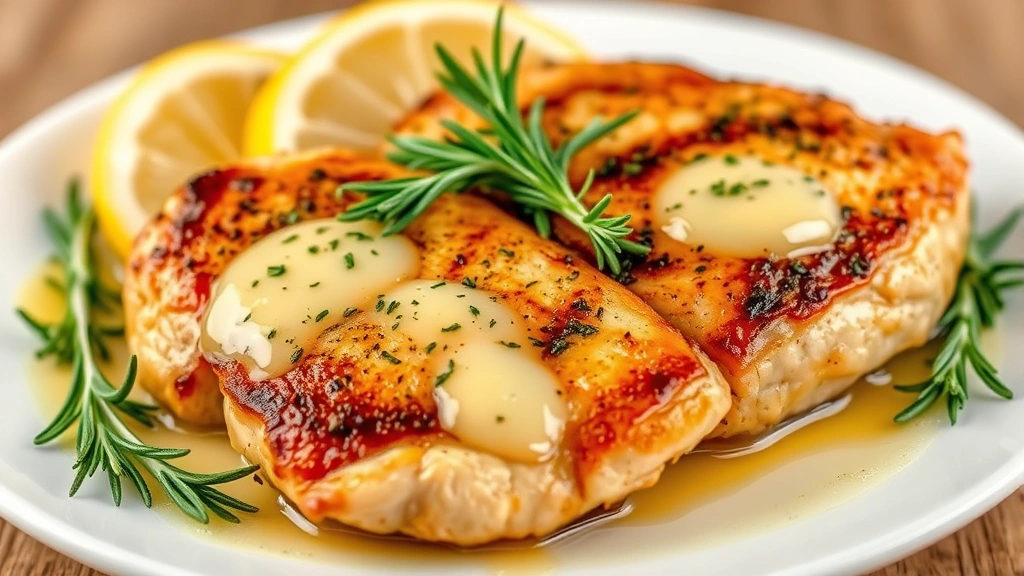
This foundational recipe showcases why chicken thighs reign supreme in ketogenic cooking. Their higher fat content self-bastes during cooking, ensuring juicy results even with slight overcooking. Pat 6-8 bone-in, skin-on chicken thighs dry with paper towels—moisture prevents browning. Season generously with sea salt and fresh cracked pepper on both sides.
Heat 2 tablespoons of butter in a large skillet over medium-high heat. Once foaming subsides, place thighs skin-side down and cook undisturbed for 6 minutes. Flip and cook another 4-5 minutes until the internal temperature reaches 165°F. Remove thighs to a plate. Add 4 minced garlic cloves to the remaining fat, stirring constantly for 30 seconds to prevent burning. Pour in ½ cup heavy cream, ¼ cup chicken broth, and 1 tablespoon fresh lemon juice. Return thighs to the skillet, coating them in sauce, and simmer 2-3 minutes. Finish with fresh parsley and serve immediately.
Nutritional breakdown per serving (assuming 2 servings): 580 calories, 42g fat, 0g net carbs, 48g protein.
Creamy Tuscan Chicken
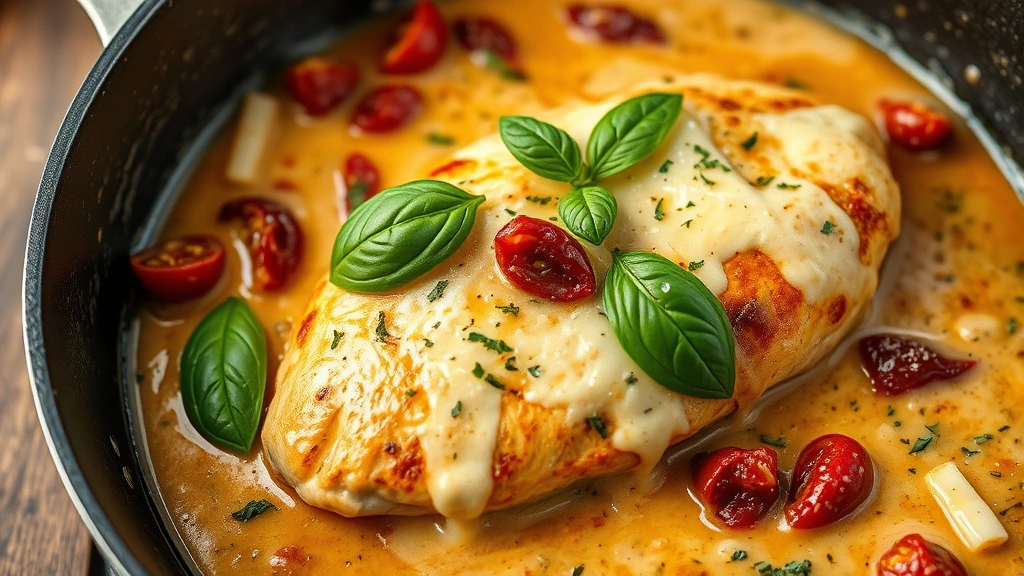
Inspired by Italian cooking traditions, this recipe combines sun-dried tomatoes (use oil-packed varieties to keep carbs minimal), fresh basil, and parmesan for restaurant-quality results at home. Pound 4 boneless chicken breasts to even thickness, then season with salt, pepper, and Italian herbs.
Heat 1 tablespoon olive oil in a skillet, sear breasts 5-6 minutes per side until golden, then set aside. In the same pan, add 2 minced garlic cloves, ½ cup sun-dried tomatoes (chopped), 1 cup heavy cream, and ⅓ cup chicken broth. Stir in 3 tablespoons grated parmesan, 2 tablespoons fresh basil, and ½ teaspoon red pepper flakes. Return chicken to the pan, simmer 5-7 minutes until sauce thickens slightly. The result delivers authentic Italian flavors without any of the traditional pasta carbohydrates.
Nutritional breakdown per serving (4 servings): 485 calories, 32g fat, 2g net carbs, 48g protein.
Buffalo Chicken Dip
This appetizer or meal component transforms shredded chicken into a crowd-pleasing dish perfect for meal prep containers or entertaining. Shred 2 cups cooked chicken (rotisserie chicken works perfectly), then mix with 8 ounces cream cheese (softened), ½ cup buffalo sauce (check labels for minimal carbs), ½ cup ranch dressing, and ½ cup shredded cheddar cheese.
Spread into a baking dish and bake at 350°F (175°C) for 20 minutes until bubbly. Serve with celery sticks, pork rinds, or cheese crisps for added crunch. This recipe showcases how homemade sauces and dips can elevate simple proteins into memorable dishes.
Nutritional breakdown per ¼ cup serving: 220 calories, 16g fat, 1g net carbs, 19g protein.
Lemon Herb Roasted Chicken
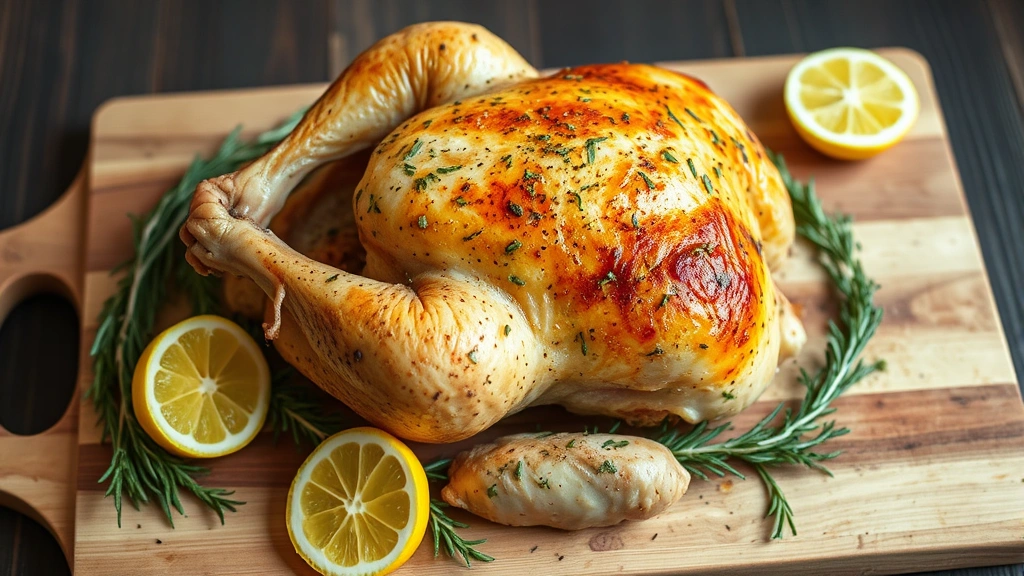
A whole roasted chicken feeds multiple people while requiring minimal active cooking time. Pat one 4-5 pound whole chicken dry inside and out. Create a compound butter by mixing 4 tablespoons softened butter with 2 minced garlic cloves, 1 tablespoon fresh lemon zest, 1 tablespoon fresh rosemary, 1 tablespoon fresh thyme, salt, and pepper.
Loosen the chicken skin gently and spread half the compound butter under the skin, distributing evenly across the breast and thighs. Rub remaining butter over the exterior skin. Place chicken breast-side up on a roasting pan, tuck wings under, and roast at 425°F (220°C) for 1 hour 15 minutes to 1 hour 30 minutes, depending on size, until the thickest part of the thigh reaches 165°F. Let rest 10 minutes before carving. This single chicken provides protein for 3-4 meals throughout the week.
Chicken Piccata with Capers
This Italian classic delivers bright, acidic flavors that complement chicken’s mild taste. Pound 4 boneless chicken breasts thin, season with salt and pepper, then dredge in finely ground almond flour mixed with grated parmesan (approximately 3 tablespoons of each).
Heat 2 tablespoons butter in a skillet over medium-high heat. Cook breasts 3-4 minutes per side until golden and cooked through. Remove to a plate. In the same pan, add 2 minced garlic cloves, ½ cup chicken broth, juice and zest of 2 lemons, and 3 tablespoons capers with their brine. Simmer 2-3 minutes, then pour over chicken. Garnish with fresh parsley. The almond flour coating provides textural contrast while maintaining zero-carb status.
Nutritional breakdown per serving (4 servings): 365 calories, 18g fat, 1g net carbs, 48g protein.
Sauce Strategies Without Carbs
Sauces transform basic chicken into memorable meals, but traditional recipes rely on flour, sugar, and starchy thickeners. Ketogenic cooking requires alternative approaches that maintain authentic flavors.
Cream-Based Foundations
Heavy cream serves as the ultimate keto sauce base. It emulsifies with fats, thickens naturally through reduction, and adds richness that satisfies appetite. Start with 1 cup heavy cream per 4 servings of chicken, then add flavor components: minced garlic, fresh herbs, lemon juice, or bone broth. The cream’s fat content prevents curdling when combined with acidic ingredients like wine or vinegar, unlike lower-fat dairy products.
Bone Broth Integration
Bone broth adds collagen, minerals, and savory depth while remaining completely carb-free. Use it as a 1:1 replacement for chicken broth in any recipe, or reduce it on high heat to concentrate flavors and create natural body without flour-based thickeners. A good bone broth develops a gelatinous consistency when cooled—this natural gelatin thickens sauces beautifully without any additives.
Butter Emulsions and Beurre Blanc
Classic French beurre blanc (butter sauce) works perfectly for keto chicken. Reduce ½ cup white wine with 2 tablespoons shallots and 1 tablespoon white wine vinegar until only 2 tablespoons liquid remains. Reduce heat to low, then whisk in 6 tablespoons cold butter piece by piece, creating an emulsified, silky sauce. The acidic reduction prevents the sauce from becoming greasy while the whisking action incorporates air, creating a luxurious texture.
Spice-Forward Sauces
Curry pastes, chili powders, and spice blends deliver intense flavors without carbohydrates. Bloom spices in hot oil or butter before adding cream, ensuring full flavor extraction. A simple Thai-inspired sauce combines 2 tablespoons curry paste, 1 cup coconut milk (full-fat), 2 tablespoons fish sauce, and 1 tablespoon lime juice. This approach works beautifully with poached or pan-seared chicken.
Vinegar-Based Reductions
Apple cider vinegar, balsamic vinegar, and red wine vinegar create bright, concentrated sauces through reduction. Simmer 1 cup vinegar with 2 tablespoons butter and your choice of herbs until reduced by two-thirds, creating a glaze that coats chicken beautifully without any thickeners.
Meal Prep and Storage Tips
Batch Cooking Strategies
Designate one cooking session weekly to prepare multiple chicken components. Roast 2-3 whole chickens, pan-sear 8-10 chicken breasts, and slow-cook a batch of thighs in cream sauce. This approach provides flexibility throughout the week—you can eat chicken plain, combine with different sauces, or incorporate into various side dishes like coleslaw for complete meals.
Container Selection and Organization
Glass containers with locking lids preserve chicken quality better than plastic, which can absorb odors and flavors. Store cooked chicken in the coldest part of your refrigerator (typically the back of the bottom shelf) in airtight containers. Properly stored cooked chicken remains safe for 3-4 days. Freeze portions you won’t eat within this window in freezer-safe containers—frozen chicken maintains quality for 2-3 months.
Sauce Separation Technique
Store sauces separately from chicken to prevent sogginess and allow flexibility in reheating. Cream-based sauces keep for 3-4 days refrigerated; oil-based sauces last longer due to their preservative properties. When ready to eat, gently reheat chicken and sauce together over low heat, stirring occasionally to prevent scorching.
Freezing Cooked Chicken
Flash-freeze chicken pieces on a baking sheet for 2-3 hours before transferring to freezer bags. This prevents clumping and allows you to remove only the portions you need. Label containers with the date and cooking method—this simple habit prevents mystery meals and ensures you use older stock first.
Rotisserie Chicken Efficiency
Store-bought rotisserie chickens offer unbeatable convenience for busy schedules. Shred the meat immediately upon arriving home, then store the carcass separately for making homemade bone broth. This dual-use approach maximizes nutrition and minimizes waste while providing quick protein for salads, dips, or warming in sauce.
Reheating Without Drying
The microwave dries chicken quickly; instead, use gentle stovetop reheating. Place chicken in a skillet over medium-low heat with 1-2 tablespoons butter or broth, covering with a lid to trap steam. Heat for 5-8 minutes, stirring occasionally, until warmed through. This method restores moisture and prevents the tough, rubbery texture that microwave reheating often produces.
FAQ
How many grams of carbs are in chicken?
Pure chicken meat contains virtually zero carbohydrates in all cuts and preparations. Carbs only appear in breaded preparations, sauces with added sugars, or glazes. Always check labels on pre-made sauces and marinades, as some manufacturers add corn syrup or other sweeteners. Homemade preparations allow complete control over carbohydrate content.
Can I eat chicken skin on keto?
Absolutely—chicken skin contains beneficial fats that support ketone production and satiety. The skin provides approximately 10-15 additional grams of fat per serving compared to skinless chicken. Since ketogenic diets emphasize fat intake, keeping skin on chicken thighs and drumsticks aligns perfectly with macronutrient goals.
What’s the best cut of chicken for keto?
Chicken thighs reign supreme for ketogenic cooking due to their higher fat content (approximately 15% fat versus 3% in breast meat), which prevents drying during cooking and provides more calories from fat. However, chicken breasts work beautifully when prepared with sauces or cooked using moist methods. Choose based on your meal plan and cooking method preference rather than assuming one cut is universally superior.
How do I know when chicken is fully cooked?
Use a meat thermometer to verify doneness—chicken reaches safe temperature at 165°F (74°C) internal temperature when measured at the thickest part (typically the thigh). This removes guesswork and prevents both undercooking (food safety risk) and overcooking (texture suffers). Digital instant-read thermometers cost under $20 and transform cooking confidence dramatically.
Are there carbs in cream-based chicken sauces?
Pure heavy cream contains negligible carbohydrates (less than 1 gram per tablespoon), so cream-based sauces made with cream, butter, and broth remain virtually carb-free. However, some cream-based sauces include ingredients like wine, which contains residual carbohydrates, or thickeners like cornstarch. Always verify ingredient labels and calculate total carbs per serving by reviewing each component.
Can I meal prep chicken for the entire month?
Refrigerated cooked chicken remains safe for 3-4 days maximum, making month-long meal prep impossible without freezing. However, freezing cooked chicken for 2-3 months works excellently. Prepare weekly or bi-weekly batches, freeze portions in labeled containers, and thaw overnight in the refrigerator before consuming. This approach balances convenience with food safety.
What sides pair well with keto chicken?
Low-carb vegetables like broccoli, cauliflower, zucchini, and asparagus complement chicken beautifully. Creamed spinach, roasted Brussels sprouts, and cauliflower mash provide satisfying sides. Fat-based condiments like homemade sauces elevate simple preparations. Avoid starchy vegetables like potatoes, corn, and carrots, which exceed daily carbohydrate allowances.
How do keto chicken recipes compare nutritionally to other proteins?
Chicken provides similar protein density to beef and fish while remaining more affordable. Chicken breast offers leaner protein (higher protein-to-fat ratio), while thighs provide more fat (supporting ketone production). Compared to processed meats, fresh chicken avoids nitrates and preservatives. Nutrition tracking apps help compare specific cuts and preparations side-by-side based on individual macronutrient goals.
Should I remove skin before cooking or after?
Keep skin on during cooking—it protects underlying meat from drying while rendering fat that bastes the chicken naturally. After cooking, you can remove skin if preferred, though most ketogenic dieters eat it for its fat content and flavor. Removing skin before cooking creates drier results unless the chicken cooks in a moist environment like a slow cooker or braising liquid.
What’s the fastest keto chicken recipe?
Pan-seared chicken breasts prepared in 15-20 minutes total represent the quickest option. Pound breasts thin, season, then sear 3-4 minutes per side in hot butter. While searing, prepare a quick sauce with garlic, lemon, and cream. This approach delivers restaurant-quality results in less time than many takeout options while maintaining complete nutritional control.
Can frozen chicken work in these recipes?
Frozen chicken works in slow-cooker and braising recipes where extended cooking time allows even thawing. For pan-searing and baking, thaw chicken overnight in the refrigerator first—cooking from frozen creates uneven results with overcooked exteriors and undercooked interiors. Plan ahead by moving frozen chicken to the refrigerator the morning of intended cooking.
Where can I find more keto-approved recipes?
Explore our Fresh Plated Daily Blog for comprehensive keto resources and additional recipes. Professional culinary resources like The Culinary Institute of America offer technique guidance applicable to keto cooking. Nutrition-focused sites like Healthline provide peer-reviewed nutritional information supporting ketogenic approaches.


