Easy Coleslaw Recipe: Grandma’s Favorite That Never Fails
There’s something magical about a bowl of crisp, tangy coleslaw that transforms any meal from ordinary to memorable. This easy coleslaw recipe has been passed down through generations, perfected by countless family dinners and backyard barbecues. Unlike complicated slaws that require special equipment or hard-to-find ingredients, this version relies on pantry staples and simple techniques that anyone can master in minutes.
What makes grandma’s coleslaw truly special isn’t just the ingredients—it’s the balance of flavors and textures that keep people coming back for seconds. The crisp cabbage, creamy dressing, and subtle tang create a side dish that pairs beautifully with everything from pulled pork sandwiches to grilled fish. Whether you’re preparing a weeknight dinner or hosting a crowd, this recipe delivers consistent, delicious results every single time.
This guide walks you through every step of making authentic coleslaw that rivals anything you’d find at a restaurant, plus variations and storage tips to keep your slaw fresh and flavorful all week long.
Ingredients You’ll Need
The beauty of this easy coleslaw recipe lies in its simplicity. You probably already have most of these ingredients in your kitchen right now. Here’s exactly what you need to create a batch that serves 6-8 people:
- 1 small head of green cabbage (about 1.5 pounds), cored and thinly sliced
- 1/2 small head of red cabbage (optional but adds beautiful color), thinly sliced
- 2-3 large carrots, peeled and shredded or julienned
- 1/2 cup mayonnaise (use quality mayo for better flavor)
- 2 tablespoons apple cider vinegar or white vinegar
- 1 tablespoon sugar (adjust to taste preference)
- 1 teaspoon salt
- 1/2 teaspoon black pepper
- 1/2 teaspoon celery seed (optional, adds subtle flavor)
- 1/4 teaspoon garlic powder (optional)
These measurements create a creamy coleslaw with a balanced dressing. You can adjust the vinegar and sugar ratio based on whether you prefer tangier or sweeter slaw. Many people find that starting with these proportions gives them a solid foundation to personalize the recipe to their taste.
Essential Equipment
One reason this recipe is so easy to make is that it requires minimal equipment. You don’t need fancy gadgets or specialized tools to produce restaurant-quality results:
- Sharp chef’s knife or mandoline slicer for cutting cabbage
- Box grater or microplane for shredding carrots
- Large mixing bowl for combining ingredients
- Smaller bowl for whisking the dressing
- Whisk or fork for mixing the dressing components
- Measuring spoons and cups for accuracy
- Cutting board (preferably wooden or plastic for vegetables)
If you have a food processor with a slicing blade, that tool can save significant prep time. However, hand-slicing creates a more rustic texture that many people actually prefer. The choice comes down to your personal preference and how much time you want to invest in preparation.
Step-by-Step Instructions
Follow these straightforward steps to create coleslaw that tastes like it came from your grandmother’s kitchen:
Step 1: Prepare Your Vegetables
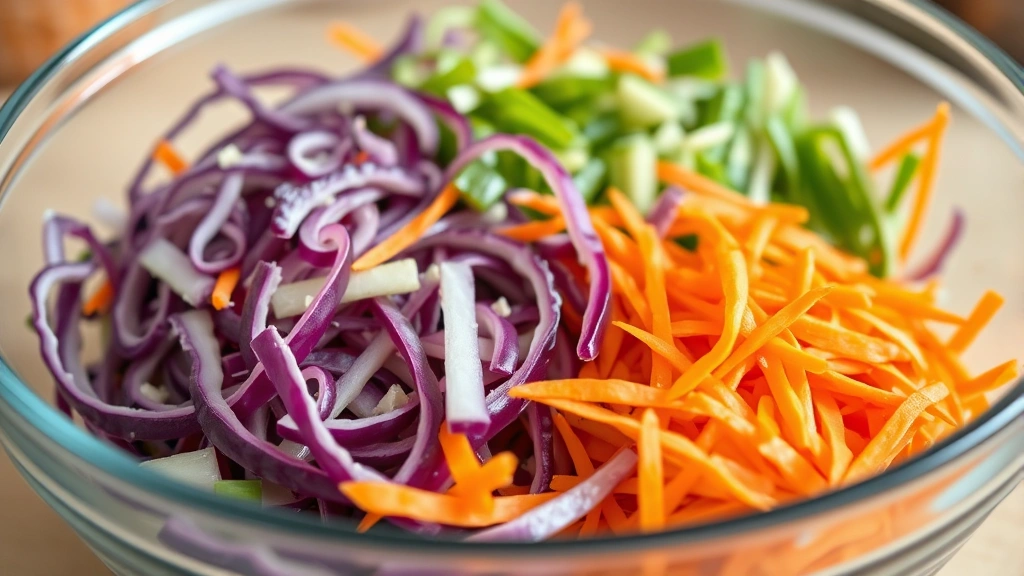
Start by removing the outer leaves from your cabbage head and rinsing it under cold water. Pat it dry with paper towels—excess moisture can dilute your dressing. Using a sharp knife, cut the cabbage in half, then remove the core by making a V-shaped cut. Slice the cabbage as thinly as possible, aiming for pieces about 1/8 inch thick. This thickness ensures the slaw stays crisp while allowing the dressing to coat each piece evenly.
For the red cabbage (if using), follow the same process. Shred your carrots using a box grater or julienne peeler. Fresh, firm carrots work best—avoid any that feel soft or have started to sprout.
Step 2: Combine Vegetables
Place all your sliced cabbage and shredded carrots into a large mixing bowl. Toss everything together gently to distribute the colors evenly. At this point, your coleslaw looks fresh and appealing, but it’s the dressing that transforms it into something truly special.
Step 3: Make the Dressing
In a separate smaller bowl, whisk together the mayonnaise, apple cider vinegar, sugar, salt, pepper, and celery seed (if using). Whisk vigorously for about 30 seconds until the dressing becomes smooth and creamy. The vinegar and mayo might look separated initially, but proper whisking emulsifies them into a cohesive sauce. Taste the dressing at this point and adjust seasonings to match your preferences—add more vinegar for tanginess or more sugar for sweetness.
Step 4: Combine and Chill
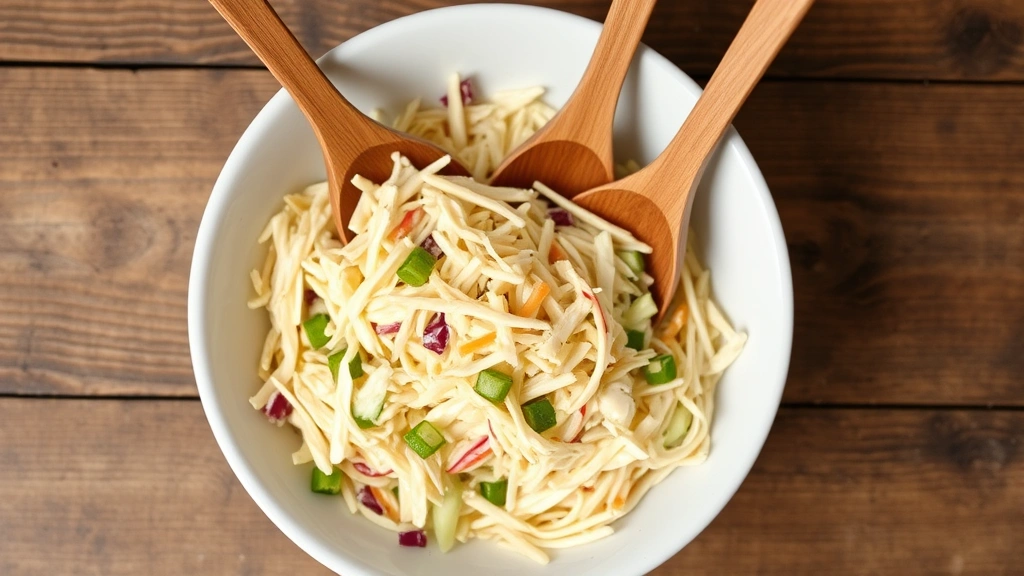
Pour the dressing over your vegetable mixture and toss thoroughly, ensuring every piece of cabbage and carrot gets coated. Use your hands or two large spoons to mix—hands actually work best because you can feel the mixture and ensure even distribution. Cover the bowl with plastic wrap or a lid and refrigerate for at least 30 minutes before serving. This chilling time allows flavors to meld and the cabbage to soften slightly while maintaining its crisp texture.
Pro Tips for Perfect Coleslaw
Even with a straightforward recipe, a few insider tricks can elevate your coleslaw from good to exceptional:
- Slice cabbage the day before—prepare your vegetables ahead of time, store them in an airtight container, and make the dressing fresh when you’re ready to serve. This saves time on the day you need the slaw.
- Use quality mayonnaise—this ingredient forms the dressing base, so choose a brand you enjoy. Some people prefer Duke’s or Hellmann’s for their superior texture and flavor.
- Don’t skip the chilling time—those 30 minutes allow the flavors to develop and the cabbage to soften slightly without becoming mushy. Cold slaw tastes better and has better texture.
- Add dressing gradually—if you’re unsure about dressing amounts, start with three-quarters of what the recipe calls for and add more as needed. It’s easier to add than to remove.
- Taste and adjust—every palate is different. Some people want tangier slaw, others prefer it sweeter. Make it your own by adjusting vinegar and sugar to your liking.
- Keep it cold—coleslaw is best served chilled. Store it in the coldest part of your refrigerator and serve straight from there.
- Make it creamy or vinegar-based—this recipe uses mayo, but you can make a lighter version with vinegar-based dressing by reducing mayo and increasing vinegar and oil.
Popular Variations
Once you’ve mastered the basic easy coleslaw recipe, explore these popular variations that keep things interesting:
Tangy Vinegar Slaw
Replace half the mayonnaise with equal parts vegetable oil and apple cider vinegar. This creates a lighter slaw that’s perfect for warm weather meals and pairs wonderfully with chipotle chicken recipe dishes. The vinegar-forward version lasts longer in the refrigerator because it doesn’t contain as much mayo.
Creamy Dill Coleslaw
Add 2 tablespoons fresh dill or 1 tablespoon dried dill to your dressing. This variation pairs beautifully with fish dishes and adds an herb-forward flavor that feels fresh and elegant.
Asian-Inspired Slaw
Substitute rice vinegar for apple cider vinegar, add 1 tablespoon sesame oil, 1 tablespoon soy sauce, and 1 teaspoon grated ginger. Top with sesame seeds and sliced green onions just before serving. This version complements Asian fusion dishes perfectly.
Spicy Coleslaw
Add 1/4 teaspoon cayenne pepper, 1/2 teaspoon hot sauce, and 1 diced jalapeño to your dressing. This variation adds heat without overwhelming the cabbage’s natural sweetness.
Bacon and Cheddar Slaw
Stir in 4 slices of crispy crumbled bacon and 1/2 cup shredded sharp cheddar cheese after the dressing is mixed in. This hearty version works wonderfully as a side for burgers or barbecued meats, and it pairs well with fall recipes featuring seasonal ingredients.
Apple and Walnut Slaw
Add 1 diced Granny Smith apple, 1/2 cup chopped walnuts, and 1 tablespoon honey to your dressing. This sweet and crunchy variation works as both a side dish and a light salad.
Storage and Make-Ahead Guide
One of the best aspects of this recipe is how well it keeps. Proper storage ensures your coleslaw stays fresh and delicious for several days:
Refrigerator Storage
Store your finished coleslaw in an airtight container in the refrigerator for up to 5 days. The slaw will continue to soften slightly as it sits, but it maintains good texture and flavor throughout this period. Many people actually prefer day-two or day-three coleslaw because the flavors have melded more completely.
Make-Ahead Strategy
For maximum flexibility, slice your cabbage and shred your carrots up to 2 days ahead. Store the vegetables in separate airtight containers. Make your dressing separately and combine them just a few hours before serving. This approach gives you a fresh-tasting slaw with minimal last-minute work.
Freezing Considerations
Coleslaw doesn’t freeze well because the vegetables become mushy when thawed. Stick to refrigerator storage for best results. However, you can freeze the sliced cabbage if you plan to cook it rather than serve it raw.
Reviving Day-Old Slaw
If your slaw becomes too soft or the dressing separates, add a tablespoon of fresh mayo and a splash of vinegar, then mix thoroughly. This often restores the creamy texture and balanced flavor.
Best Food Pairings
This versatile easy coleslaw recipe complements countless dishes. Here are the most popular pairings:
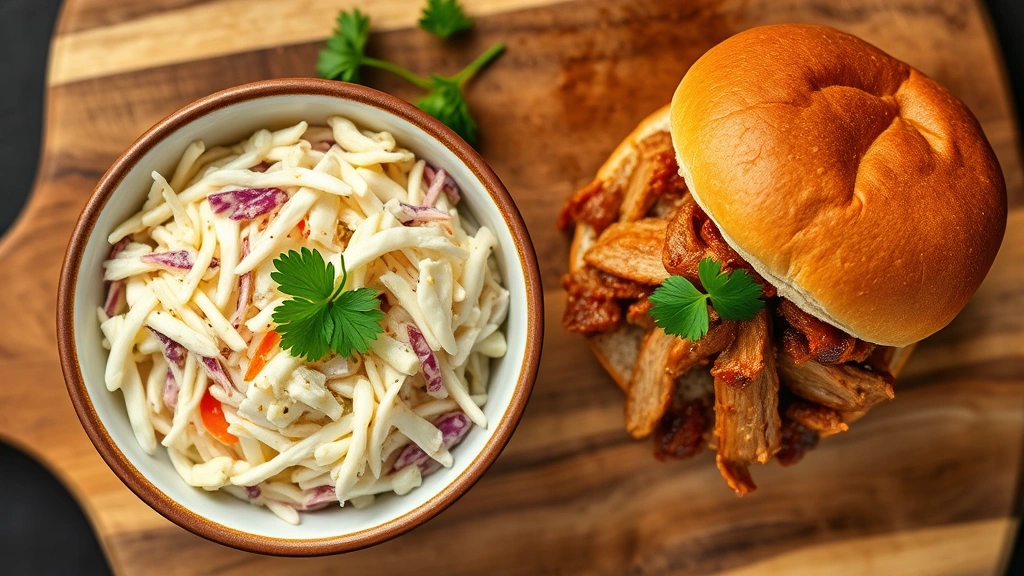
- Pulled pork sandwiches—the classic pairing that never goes out of style. The crisp slaw cuts through rich pork beautifully.
- Fish tacos—coleslaw adds freshness and crunch that balances the richness of fried or grilled fish.
- Barbecued ribs—serve alongside ribs to cleanse the palate between bites and add textural contrast.
- Grilled chicken—especially chipotle chicken recipe variations that benefit from the cool, creamy slaw.
- Hot dogs and burgers—top your sandwich with a heaping portion of slaw for added crunch and flavor.
- Baked beans—pair together for a classic barbecue side dish combination.
- Grilled fish—the acidic dressing complements delicate fish flavors perfectly.
- Homemade bread—serve alongside how to make homemade bread for a complete meal.
- Pasta dishes—lighter slaw variations work beautifully with how to make homemade pasta recipes.
FAQ
Can I make coleslaw without mayonnaise?
Absolutely. Create a vinegar-based dressing using equal parts oil and vinegar, with sugar and seasonings. This lighter version works well for those avoiding mayo or preferring tangier slaw. The vinegar-based version also lasts longer in the refrigerator.
How far in advance can I prepare coleslaw?
You can slice vegetables up to 2 days ahead and store them separately. Combine everything 2-3 hours before serving for the best texture and flavor. If serving the next day, the slaw still tastes great but becomes softer.
Why is my coleslaw watery?
Excess moisture from the cabbage dilutes the dressing. Make sure to pat vegetables dry after washing and slicing. Some people salt the sliced cabbage lightly and let it sit for 15 minutes to draw out moisture, then rinse and pat dry before adding dressing.
Can I use pre-packaged coleslaw mix?
Yes, for convenience. However, fresh cabbage and carrots produce superior texture and flavor. If using pre-packaged mix, drain it well and pat dry before adding your homemade dressing.
What’s the best way to slice cabbage thinly?
A sharp chef’s knife works well for hand-slicing. For consistent, thin slices, use a mandoline slicer with the guard to protect your fingers. A food processor with a slicing blade also works efficiently for larger batches.
Can I add other vegetables to coleslaw?
Definitely. Bell peppers, radishes, celery, and shredded beets all work wonderfully. Keep the total vegetable volume similar to the original recipe and adjust dressing amounts accordingly.
How do I make coleslaw less sweet?
Reduce the sugar and increase the vinegar gradually until you reach your preferred balance. Start with 1/2 tablespoon sugar instead of 1 tablespoon and adjust from there.
Is this recipe suitable for weight loss diets?
The mayo-based version contains calories from mayonnaise. For lighter options, check foods to avoid for weight loss guidelines and consider making a vinegar-based dressing instead. Raw cabbage is very low in calories and high in nutrients.
Can coleslaw be served warm?
Traditionally, coleslaw is served cold. However, some cultures enjoy warm cabbage slaw. If serving warm, add the dressing just before eating to maintain the best texture and flavor.
What’s the difference between coleslaw and slaw?
The terms are used interchangeably. “Coleslaw” comes from the Dutch “koolsla,” meaning cabbage salad. Both terms refer to the same dish of shredded cabbage with dressing.
This easy coleslaw recipe represents generations of family cooking wisdom distilled into simple, foolproof steps. Whether you’re serving it at a casual weeknight dinner or impressing guests at a summer gathering, you’ll appreciate how this timeless dish brings people together. Start with the basic recipe, experiment with variations, and soon you’ll have your own signature coleslaw that becomes as legendary as grandma’s original.


