Ultimate Mango Margarita Recipe: Bartender Approved!
There’s something magical about a perfectly crafted mango margarita on a warm afternoon. This tropical twist on the classic margarita combines the bright, juicy sweetness of fresh mango with the crisp bite of premium tequila and lime juice. Whether you’re hosting a summer gathering or simply want to elevate your home bar game, mastering this bartender-approved recipe will make you the star of any occasion.
The key to an exceptional mango margarita lies in using fresh mango puree rather than artificial syrups. Professional bartenders across top establishments swear by this technique because it delivers authentic flavor, vibrant color, and a silky texture that bottled alternatives simply can’t match. In this comprehensive guide, we’ll walk you through every step, from selecting the perfect mango to mastering the ideal pour ratio and presentation techniques that will impress even the most discerning cocktail enthusiasts.
Why Fresh Mango Makes All the Difference
The foundation of any outstanding mango margarita recipe starts with understanding why fresh fruit matters. When you use fresh mango puree, you’re capturing the natural enzymes, aromatic compounds, and delicate flavors that frozen or processed alternatives lose during manufacturing. Professional bartenders at Michelin-starred establishments and award-winning cocktail bars consistently choose fresh mango for this exact reason.
Fresh mango provides several distinct advantages over commercial mango nectar or syrup. The natural sugars in ripe mango dissolve seamlessly into your cocktail, creating a smooth mouthfeel without the artificial aftertaste. The fruit’s natural acidity also balances beautifully with tequila and lime, creating a more complex flavor profile. Additionally, fresh mango contains polyphenols and other beneficial compounds that contribute to the drink’s appearance and taste longevity—meaning your margarita won’t separate or develop off-flavors as quickly as those made with artificial ingredients.
When selecting mangoes, look for varieties like Ataulfo, Tommy Atkins, or Kent. These cultivars offer the best balance of sweetness, fiber content, and juice yield. A ripe mango should yield slightly to gentle pressure near the stem and emit a sweet, fruity aroma. Avoid mangoes that are too soft (which indicates overripeness and potential fermentation) or completely hard (which won’t blend smoothly into your puree).
Essential Ingredients and Equipment
Before you begin crafting your mango margarita, gather all necessary components. Having everything prepared and measured—what professional chefs call “mise en place”—ensures smooth execution and consistent results every time you make this cocktail.
Ingredients You’ll Need
- Fresh mango: 1 large ripe mango (approximately 12-14 ounces)
- Premium tequila (100% agave): 2 ounces
- Fresh lime juice: 1 ounce (approximately 2-3 fresh limes)
- Orange liqueur (Cointreau or triple sec): 0.5 ounces
- Agave nectar: 0.5 ounces (optional, for additional sweetness)
- Sea salt: For rimming the glass
- Ice: Crushed or cubed, preferably filtered
- Fresh mango slices: For garnish
- Lime wheel: For garnish
Equipment Required
- Sharp chef’s knife for mango preparation
- Cutting board (preferably bamboo or wood)
- Blender or food processor for puree creation
- Fine mesh strainer for puree refinement
- Cocktail shaker (Boston shaker preferred by professionals)
- Jigger for precise measurements
- Bar spoon for stirring
- Hawthorne strainer
- Margarita glasses (chilled)
- Citrus juicer or hand-squeeze method
- Shallow dish for salt rim
Step-by-Step Preparation Guide
Creating fresh mango puree requires attention to detail, but the process is straightforward. This foundational step determines the quality of your entire mango margarita recipe.
Preparing Fresh Mango Puree
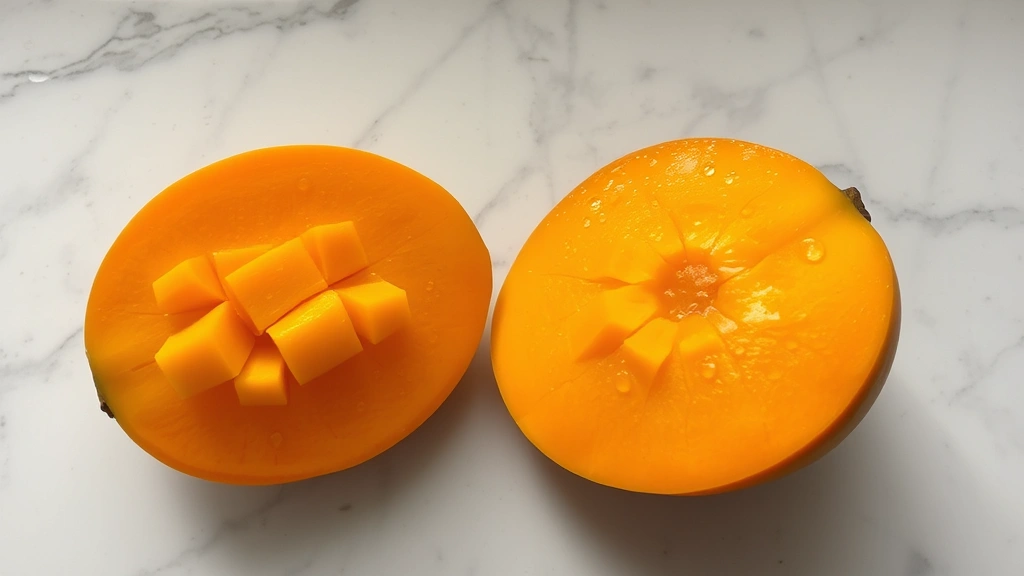
Start by washing your mango under cool running water and patting it dry with a clean kitchen towel. Hold the mango vertically and use a sharp knife to cut lengthwise along either side of the large flat pit in the center. You’ll make two cuts, creating two large mango cheeks and leaving the pit with some flesh attached.
Score the flesh of each mango cheek in a crosshatch pattern, cutting through the flesh but stopping just before the skin. Be careful not to cut through the skin itself. Hold the mango cheek with skin side down and gently push the skin upward with your thumbs, turning the flesh inside out. This creates a hedgehog effect, and the cubed flesh is now easy to scoop into your blender.
For the remaining flesh around the pit, use a vegetable peeler or small knife to remove the skin, then cut away any remaining edible mango flesh. Place all mango flesh into your blender and blend on high speed for 45-60 seconds until completely smooth. If you prefer a silkier texture without any pulp, strain the puree through a fine mesh strainer, pressing gently with the back of a spoon to extract all liquid while leaving fibrous solids behind.
Fresh mango puree can be refrigerated in an airtight container for up to 3 days, making it convenient to prepare multiple margaritas throughout the week. Many bartenders prefer to make puree in small batches to ensure maximum freshness and flavor intensity.
Preparing Your Glassware and Rim
Place your margarita glasses in the freezer at least 15 minutes before serving. Cold glassware keeps your cocktail at optimal temperature longer, enhancing the drinking experience. While glasses chill, prepare your salt rim by pouring sea salt into a shallow dish. Cut a fresh lime into quarters and rub the rim of each glass with lime juice, then dip the rim into salt, rotating the glass to ensure even coating. The lime juice acts as an adhesive, helping salt crystals cling to the glass rim.
The Perfect Mango Margarita Recipe
This is the exact recipe that professional bartenders use to create award-winning mango margaritas. The proportions have been carefully calibrated to balance the sweetness of mango with the brightness of citrus and the complexity of premium tequila.
Ingredients (Per Serving)
- 3 ounces fresh mango puree
- 2 ounces 100% agave tequila (blanco or reposado)
- 1 ounce fresh lime juice
- 0.5 ounces Cointreau or premium triple sec
- 0.5 ounces fresh agave nectar (optional)
- 1 cup ice (crushed preferred)
- Salt rim
- Fresh mango slice for garnish
- Lime wheel for garnish
Instructions
- Chill your glassware: Place your margarita glasses in the freezer for at least 15 minutes before preparation.
- Prepare your rim: Rub the rim of each chilled glass with fresh lime juice, then dip into sea salt, coating evenly. Set aside.
- Measure ingredients: Using a jigger, measure out 3 ounces mango puree, 2 ounces tequila, 1 ounce fresh lime juice, and 0.5 ounces orange liqueur into a cocktail shaker.
- Add ice: Fill the shaker with crushed ice until it reaches three-quarters full. The increased surface area of crushed ice provides better dilution and temperature control.
- Shake vigorously: Using both hands to grip the shaker firmly, shake for 10-15 seconds. You should hear the ice rattling vigorously inside. This duration ensures proper mixing, chilling, and slight dilution that mellows harsh alcohol edges.
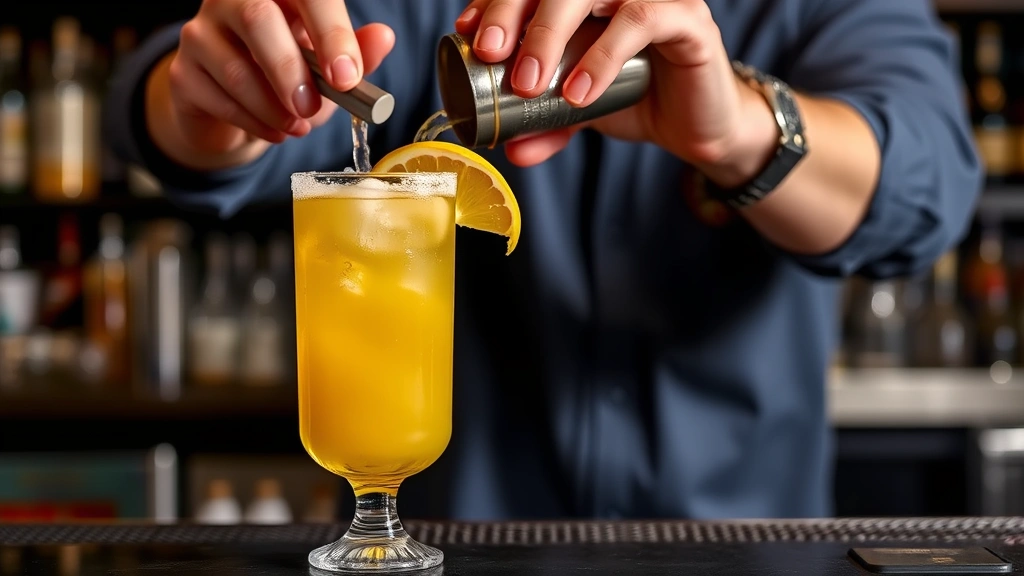
- Strain into glass: Using a Hawthorne strainer, pour the cocktail into your prepared salt-rimmed glass filled with fresh crushed ice. The strainer prevents ice shards and pulp from entering the glass.
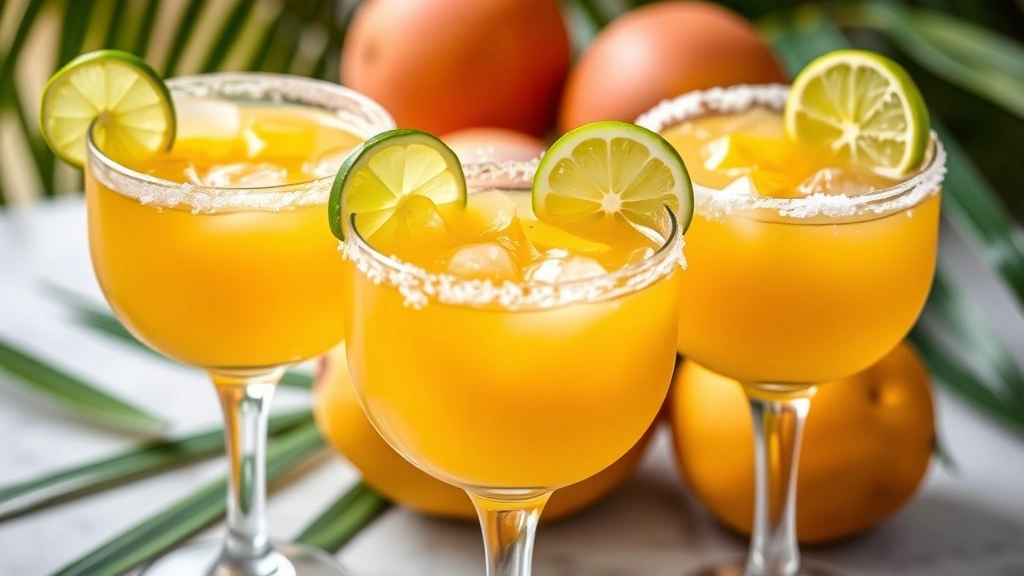
- Garnish: Place a fresh mango slice and lime wheel on the rim of the glass. Some bartenders like to add a small umbrella or decorative pick for presentation.
- Serve immediately: Hand the drink to your guest right away while it’s at peak temperature and flavor intensity.
Pro Bartender Tips and Tricks
Professional bartenders who specialize in craft cocktails have developed techniques that elevate a simple mango margarita recipe into something truly exceptional. These insider secrets can transform your home bartending game.
Temperature Control is Critical: The temperature of your ingredients matters more than most home bartenders realize. Pre-chill your mango puree in the refrigerator before adding it to the shaker. Some professional bars even store their mango puree in the freezer for 30 minutes before service. This reduces the amount of ice melting during the shake, preventing over-dilution while still achieving proper chilling.
The Dry Shake Technique: For an especially velvety texture, try the dry shake method. Add all liquid ingredients and mango puree to your shaker without ice first, and shake vigorously for 5-7 seconds. This helps emulsify the ingredients. Then add ice and shake for another 10 seconds. The result is a margarita with enhanced mouthfeel and a subtle foam layer on top.
Tequila Selection Matters: Not all tequilas are created equal. For mango margaritas, choose 100% agave tequila—either blanco (unaged, bright and fresh) or reposado (aged 2-11 months, with subtle oak notes). Blanco tequila allows the mango flavor to shine, while reposado adds complexity. Avoid mixto tequilas, which contain only 51% agave and are blended with other sugars, resulting in a harsher spirit.
Fresh Citrus is Non-Negotiable: Always use freshly squeezed lime juice. Bottled lime juice contains preservatives and lacks the bright acidity that fresh limes provide. One fresh lime yields approximately 0.5-1 ounce of juice, depending on size and ripeness. Limes should be firm and heavy for their size, indicating high juice content.
Ice Quality Affects Taste: Use filtered or distilled water when making ice at home. Tap water often contains minerals and chlorine that can impart off-flavors to your cocktail. Professional bars invest in commercial ice machines that produce crystal-clear ice cubes, which melt more slowly and keep drinks cold without excessive dilution.
Agave Nectar Adjustment: While fresh mango is naturally sweet, some bartenders add a touch of agave nectar for additional smoothness and to balance highly acidic limes. Start with 0.25 ounces and adjust based on your mango’s ripeness and personal preference. This ingredient mirrors the traditional margarita’s sweetness profile.
Variations and Creative Twists
Once you’ve mastered the classic mango margarita recipe, experimenting with variations keeps your cocktail repertoire fresh and exciting. These creative twists maintain the essential character of the drink while introducing new flavor dimensions.
Spicy Mango Margarita
Add muddled fresh jalapeño slices (3-4 rings) to your shaker before adding other ingredients. The heat from jalapeño creates an exciting contrast with sweet mango and bright lime. Some bartenders infuse their tequila with jalapeño for 2-3 days before use, creating a more subtle heat throughout the drink. This variation pairs beautifully with spicy Mexican cuisine, making it ideal for chicken burrito recipe pairings.
Frozen Mango Margarita
Blend 4 ounces fresh mango puree with 2 ounces tequila, 1 ounce lime juice, 0.5 ounces triple sec, and 2 cups crushed ice in a blender until smooth. This frozen version offers a refreshing slushie texture perfect for hot summer days. The key is using crushed ice rather than cubes—it blends more smoothly and creates a superior texture.
Mango Margarita with Coconut
Replace 0.25 ounces of agave nectar with 0.25 ounces of coconut cream. Shake well to emulsify the cream with other ingredients. This variation introduces tropical coconut notes that complement mango’s natural sweetness. A coconut rum can also be substituted for regular triple sec for a more pronounced coconut flavor.
Smoky Mango Margarita
Use mezcal (a smoky agave spirit) instead of tequila, or use a 50/50 blend of tequila and mezcal. The smoke character adds depth and sophistication to the tropical mango flavors. This variation appeals to cocktail enthusiasts who appreciate complex, layered flavor profiles.
Mango Margarita with Fresh Mint
Gently muddle 6-8 fresh mint leaves in your shaker before adding other ingredients. The mint’s cooling properties and herbaceous notes create a refreshing variation that feels lighter and more summery than the classic version.
Pairing Your Margarita with Food
A well-crafted mango margarita pairs beautifully with various cuisines. The tropical sweetness, bright acidity, and tequila backbone make it versatile for food pairing.
Mexican Cuisine: The obvious choice—mango margaritas complement carne asada, chile rellenos, and fish tacos. The lime juice in the drink echoes traditional Mexican flavors, creating a harmonious pairing. For filling meal options, consider pairing with chicken burrito recipe dishes.
Seafood: The citrus and tropical fruit notes pair exceptionally well with grilled fish, shrimp ceviche, and lobster. The drink’s acidity cleanses the palate between bites of rich seafood, enhancing the dining experience.
Spicy Asian Cuisine: Thai and Vietnamese dishes with heat benefit from the mango’s sweetness and the cocktail’s cooling effect. The bright lime juice echoes similar flavor profiles in Asian cuisine, creating natural synergy.
Light Appetizers: Mango margaritas work well as aperitifs before meals. Pair with fresh fruit platters, cheese and charcuterie boards, or light vegetable crudités with dips.
Desserts: Interestingly, mango margaritas also pair with desserts that feature tropical fruits or coconut. If you enjoy frozen treats, consider pairing with ice cream recipe variations featuring mango or coconut flavors.
When planning a menu around mango margaritas, consider the drink’s sweetness level. If you’re serving sweeter dishes, reduce the agave nectar in your cocktail. For spicy or savory foods, the full amount of agave nectar balances the palate nicely.
FAQ
Can I make mango margaritas in advance for a party?
Yes, but with important caveats. Prepare your mango puree up to 3 days in advance and store in the refrigerator. However, mix individual cocktails just before serving. Pre-mixed margaritas sitting for hours will dilute and lose carbonation and fresh flavors. If you’re hosting a large gathering, consider setting up a self-serve margarita station where guests can watch their drinks being prepared, or batch-prepare in small quantities (2-4 drinks at a time) throughout your event.
What’s the best tequila for mango margaritas?
Look for 100% agave tequilas in the blanco or reposado categories. Recommended brands include Casa Noble, Patrón Silver, and Don Julio Blanco. These premium options provide smooth flavor without harsh alcohol notes. Blanco tequila highlights mango flavors, while reposado adds subtle oak complexity. Budget-friendly options like El Jimador or Sauza are acceptable but lack the smoothness of premium spirits.
Why does my mango margarita taste watered down?
Over-dilution typically results from insufficient shaking time, warm ingredients, or too much ice melting. Ensure your glassware and mango puree are pre-chilled, shake vigorously for 10-15 seconds with plenty of ice, and use quality ice that melts slowly. Also verify you’re using the correct proportions—3 ounces mango puree to 2 ounces tequila creates the proper balance.
Can I substitute fresh mango puree with canned or frozen mango?
While not ideal, frozen mango puree (without added sugar) works in a pinch. Thaw completely and strain through a fine mesh before using. Canned mango in syrup is less desirable because the added sugar throws off your drink’s balance. Some bartenders use freeze-dried mango powder reconstituted with water, but fresh puree consistently produces superior results.
How far in advance can I prep a mango margarita?
Prepare components separately: mango puree up to 3 days ahead, lime juice up to 1 day ahead (refrigerated), and salt rim just before serving. Shake and serve individual cocktails immediately before consumption. This approach maximizes freshness while allowing some advance preparation for entertaining.
What if I don’t have fresh limes?
Fresh limes are strongly preferred, but if unavailable, bottled lime juice is acceptable in emergencies. Use approximately 20% less bottled juice than fresh, as it’s more concentrated. Add a small squeeze of fresh lemon juice to brighten the flavor profile if possible.
Is there a non-alcoholic version of mango margarita?
Absolutely. Replace tequila and triple sec with additional fresh mango puree (total 5 ounces) and agave nectar (1 ounce). Follow the same shaking and serving procedure. The result is a refreshing virgin mango margarita that maintains the cocktail’s essential character without alcohol.
Why do bartenders rim only half the glass?
Some bartenders rim only half the glass to give drinkers the option of tasting with or without salt. This technique also prevents excessive salt in every sip. For traditional full-rim presentation, coat the entire rim evenly.
What’s the difference between a margarita and a daiquiri?
Both are sour-style cocktails, but margaritas use tequila and triple sec, while daiquiris use rum and simple syrup. The mango margarita’s orange liqueur provides different flavor complexity than a mango daiquiri would offer. Both are excellent tropical fruit cocktails with distinct spirits driving their character.
How can I make my mango margarita less sweet?
Reduce or eliminate the agave nectar, increase fresh lime juice to 1.25 ounces, or use a less-ripe mango with lower natural sugar content. Some bartenders add a small amount of lime cordial or even a dash of Angostura bitters to add complexity without sweetness.


