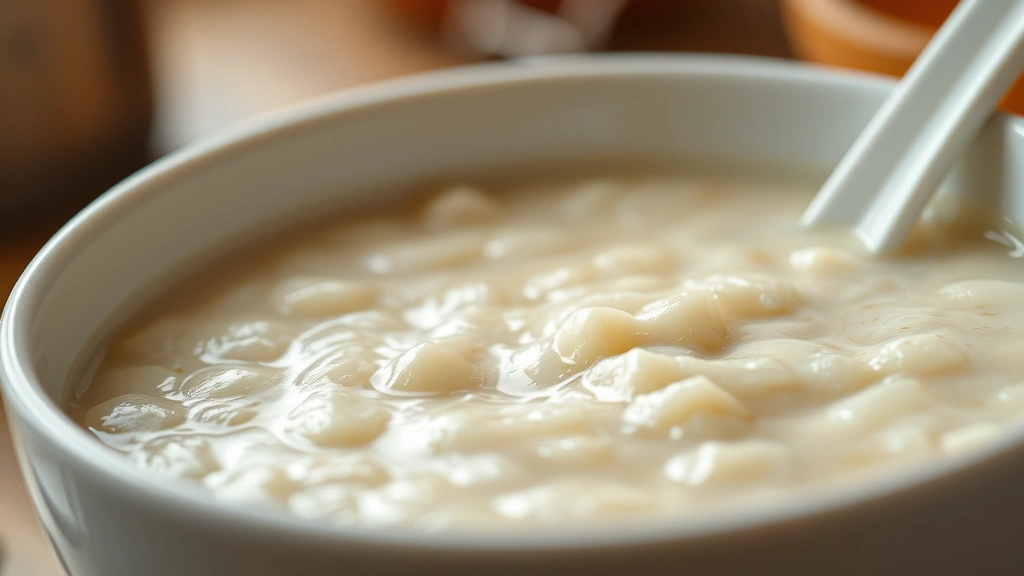
How to Cook Rice Porridge? Grandma’s Secret Recipe Guide
Rice porridge, also known as congee or jook, is one of the most comforting and nourishing dishes across Asian cuisines. This humble bowl of creamy, savory rice has been a staple in families for generations, passed down through recipes whispered from grandmothers to grandchildren. What makes rice porridge so special isn’t just its simplicity—it’s the love and time invested in creating something that soothes the soul and nourishes the body.
The beauty of rice porridge lies in its versatility and ease. Whether you’re recovering from illness, seeking a quick weekday breakfast, or craving authentic comfort food, mastering this classic dish will become one of your most valuable kitchen skills. My grandmother taught me that the secret to perfect rice porridge isn’t a fancy ingredient list—it’s understanding the fundamental principles of cooking rice slowly with plenty of liquid until it transforms into something creamy and luxurious.
In this comprehensive guide, I’ll share all the techniques, tips, and variations that have made rice porridge a beloved staple in my family kitchen for decades. You’ll discover how simple adjustments in water ratios, cooking time, and seasoning can elevate your porridge from basic to extraordinary.
What is Rice Porridge and Why It Matters
Rice porridge is a one-pot dish made by cooking rice in a large quantity of water or broth until the grains completely break down and create a creamy, congee-like consistency. Known by various names across cultures—congee in Chinese cuisine, jook in Cantonese, zhou in Mandarin, and cháo in Vietnamese—this dish represents comfort food at its finest.
The cultural significance of rice porridge extends far beyond its nutritional benefits. In traditional Asian medicine and wellness practices, porridge is considered easily digestible and perfect for supporting digestive health. It’s often served to young children as their first solid food, to elderly family members needing gentle nourishment, and to anyone recovering from illness. This is why my grandmother always kept a pot simmering when anyone in the family felt unwell.
What makes rice porridge special is its ability to transform humble ingredients into something deeply satisfying. The long cooking process breaks down the rice starches, making them more digestible while creating a velvety texture that feels luxurious on the palate. When you pair this with quality broths and fresh toppings, you create a dish that’s both humble and elegant.
Essential Ingredients and Equipment
For Basic Rice Porridge:
- Short-grain or medium-grain white rice (or jasmine rice)
- Water or chicken/vegetable broth
- Salt and white pepper to taste
- Optional: ginger slices, dried scallops, or Chinese dates
Equipment You’ll Need:
- Heavy-bottomed pot (at least 4-quart capacity)
- Wooden spoon for stirring
- Measuring cups and spoons
- Optional: Instant Pot or slow cooker for hands-off cooking
- Ladle for serving
I recommend using short-grain rice varieties because they naturally break down faster and create a creamier consistency than long-grain varieties. Jasmine rice is my personal favorite for its subtle floral notes. If you’re making healthy chicken recipes as toppings for your porridge, quality ingredients matter from start to finish.
The Classic Stovetop Method
Step 1: Rinse Your Rice
Begin by rinsing your rice thoroughly under cold water. Place one cup of rice in a fine-mesh strainer and run water over it while gently stirring with your fingers. Continue rinsing until the water runs mostly clear. This removes excess starch and helps prevent the porridge from becoming overly gluey. Rinse at least 2-3 times for best results.
Step 2: Prepare Your Pot
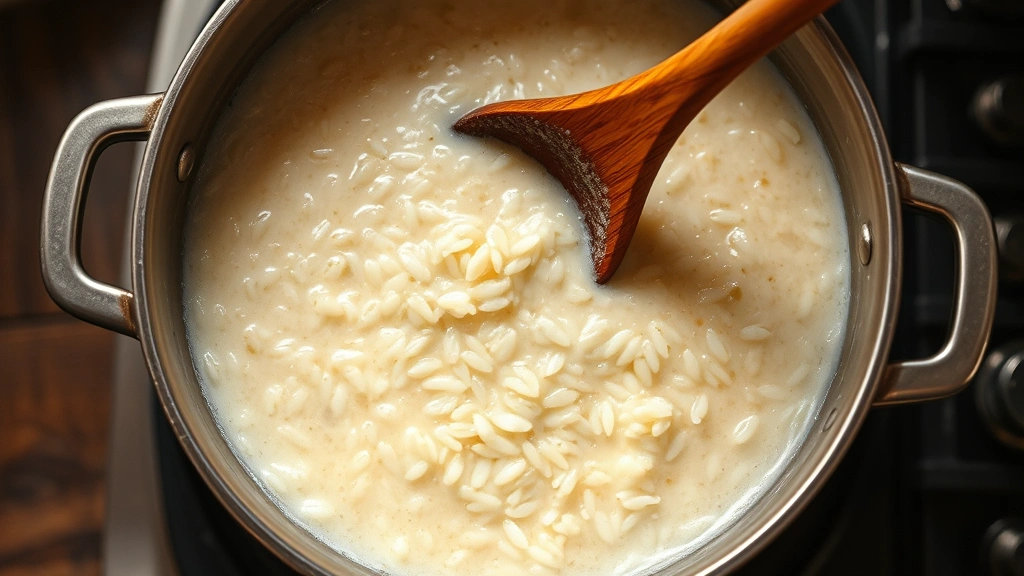
Add your rinsed rice to a large pot. Pour in your liquid—I typically use 8-10 cups of water or broth for one cup of rice, though this varies based on your preferred consistency. If you’re using broth, you’re already adding flavor that will develop beautifully throughout the cooking process. Consider making your own broth if possible; homemade versions far exceed store-bought options in depth and nutrition.
Step 3: Bring to a Boil
Bring the mixture to a rolling boil over high heat, stirring occasionally to prevent sticking. Once boiling, reduce heat to medium-low. This is crucial—maintaining a gentle simmer rather than a vigorous boil prevents the rice from sticking to the bottom and burning.
Step 4: The Long Simmer
Let the porridge simmer uncovered for 45 minutes to 1.5 hours, depending on your desired consistency and rice type. Stir occasionally—every 10-15 minutes—to ensure even cooking and prevent sticking. The longer you cook, the creamier and more cohesive your porridge becomes. My grandmother always cooked hers for at least an hour, saying the rice needed time to “break down and surrender” to the water.
Step 5: Adjust Consistency
As the porridge cooks, the rice grains will gradually disappear into the liquid, creating a creamy suspension. If your porridge seems too thick, add more hot water in small increments (1/4 cup at a time). If it’s too thin, continue simmering uncovered—the liquid will gradually reduce. Remember that porridge continues to thicken slightly as it cools.
Step 6: Season to Perfection
Once your rice has cooked down sufficiently, taste and adjust seasoning. Add salt and white pepper gradually, tasting as you go. I prefer white pepper for porridge because it blends more seamlessly than black pepper, creating a smooth flavor profile. Some people add a pinch of sesame oil for additional depth.
Rice to Water Ratio Explained
Understanding the correct rice-to-liquid ratio is fundamental to mastering rice porridge. This ratio determines whether you’ll end up with a thick, stew-like consistency or a thin, soupy one.
Common Ratios:
- 1:8 ratio (1 cup rice to 8 cups liquid): Creates a medium consistency—rice is mostly dissolved but still visible grains remain. This is my go-to ratio for everyday porridge.
- 1:10 ratio (1 cup rice to 10 cups liquid): Produces a thinner, more soup-like porridge with minimal visible rice grains. Perfect for those who prefer a lighter meal or when serving to very young children.
- 1:6 ratio (1 cup rice to 6 cups liquid): Results in a thicker, almost stew-like porridge where rice grains are still somewhat distinguishable. Better for heartier appetites.
My grandmother’s secret was that she never measured—she simply added water until the rice was covered by about three finger-widths of liquid, then adjusted from there. As you cook more porridge, you’ll develop an intuition for the right consistency that suits your family’s preferences.
Slow Cooker and Instant Pot Variations
Slow Cooker Method:
For hands-off cooking, the slow cooker is your friend. Rinse your rice as usual, then transfer to a slow cooker with your liquid of choice. Cook on low for 6-8 hours or on high for 3-4 hours. The advantage here is that you can start porridge in the morning and have it ready by evening, or prepare it before bed for breakfast. Stir occasionally if possible, but even without stirring, you’ll achieve excellent results. The slow, even heat prevents burning and creates incredibly creamy porridge.
Instant Pot Method:
The Instant Pot dramatically reduces cooking time while maintaining quality. Use the 1:8 rice-to-liquid ratio as your starting point. Add rinsed rice and liquid to the pot, seal the lid, and set to high pressure for 20 minutes. Allow natural pressure release for 10 minutes, then quick-release remaining pressure. The result is porridge with excellent texture in about 35 minutes total, though it will be slightly less creamy than stovetop or slow cooker versions due to the shorter cooking time.
Flavor Foundations and Broths
While water works fine, using quality broths elevates your rice porridge from simple to spectacular. This is where exploring our blog for other comfort food recipes can inspire your porridge variations.
Chicken Broth Porridge:
Simmer chicken broth with ginger slices, garlic, and perhaps a piece of dried shiitake mushroom. This creates a deeply flavorful base perfect for topping with shredded chicken. If you’re interested in quality poultry preparation, check out our healthy chicken recipes for inspiration on porridge toppings.
Seafood Broth Porridge:
Use shrimp or fish broth for a lighter, more delicate porridge. Add dried scallops (conpoy) during cooking for umami depth. This variation is particularly popular in coastal regions and pairs beautifully with fresh seafood toppings.
Pork Broth Porridge:
Rich and satisfying, pork broth creates a luxurious porridge base. Traditionally made by simmering pork bones with dried mushrooms and goji berries, this version is especially nourishing and perfect for cold weather comfort.
Vegetable Broth Porridge:
For vegetarian options, vegetable broth works wonderfully, especially when enriched with ginger, garlic, and mushrooms. This version is lighter but still deeply satisfying.
Toppings and Garnishes
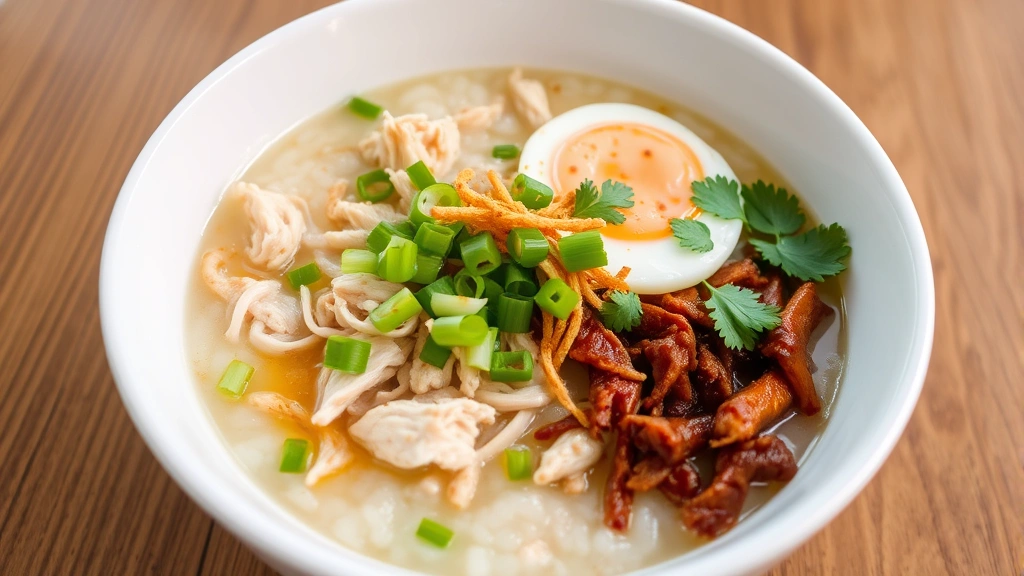
The magic of rice porridge truly emerges when you add toppings. A simple bowl of plain porridge transforms into something special with thoughtful garnishes.
Protein Toppings:
- Shredded chicken (poached or rotisserie)
- Ground pork (seasoned with soy sauce and sesame oil)
- Boiled or poached eggs
- Century eggs and pickled vegetables
- Shredded fish or smoked salmon
- Crispy fried shallots
Vegetable Toppings:
- Thinly sliced green onions
- Fresh cilantro
- Sautéed mushrooms
- Blanched bok choy or gai lan
- Steamed broccoli
- Pickled mustard greens
Flavor Enhancers:
- Sesame oil drizzle
- Soy sauce
- White pepper
- Ginger strips (fresh or pickled)
- Chili oil or sriracha
- Fish sauce (for Southeast Asian versions)
- Crispy garlic chips
Pro Tips for Perfect Porridge
Tip 1: Start with Quality Rice
Not all rice is created equal. Short-grain varieties like sushi rice or jasmine rice break down more readily than long-grain varieties. Avoid using rice that’s been sitting in your pantry for years; fresh rice (less than a year old) cooks more evenly and creates better texture.
Tip 2: Toast Your Rice First
For added depth, dry-toast your rice in the pot for 2-3 minutes over medium heat before adding liquid. This develops nutty flavors and improves the overall taste profile. My grandmother swore by this technique, though it’s entirely optional.
Tip 3: Use Flavorful Liquids
Never underestimate the impact of your cooking liquid. Homemade broth created from bones, vegetables, and aromatics will produce far superior porridge than plain water. Consider making broth in batches and freezing it specifically for porridge.
Tip 4: Stir Regularly
Regular stirring prevents sticking and ensures even cooking. It also helps break down the rice more uniformly. I stir every 10-15 minutes during the simmering process.
Tip 5: Don’t Rush the Process
While quick-cooking methods exist, slow cooking creates superior texture and flavor. The extended cooking time allows flavors to develop and deepen, creating a porridge with character and soul.
Tip 6: Taste and Adjust Throughout
Season gradually as your porridge cooks. What tastes right at the 30-minute mark may need adjustment at 60 minutes as flavors concentrate. Always taste before serving and add final adjustments of salt, pepper, or aromatics.
Troubleshooting Common Issues
Problem: Porridge is Too Thick
If your porridge resembles cement rather than soup, simply add more hot liquid. Add 1/4 to 1/2 cup at a time, stirring well and allowing it to incorporate. Continue adding until you reach desired consistency. Remember that porridge thickens as it cools, so don’t make it too thin.
Problem: Porridge is Too Thin
Continue simmering uncovered—the liquid will gradually reduce through evaporation. Alternatively, increase heat slightly (but not so much that it burns) to accelerate evaporation. Some cooks make a slurry of rice flour and water, stirring it in to thicken, though this changes the texture slightly.
Problem: Porridge Tastes Bland
This is usually a seasoning issue. Make sure you’re using flavorful broth rather than plain water. Add salt and white pepper gradually, tasting frequently. Consider adding ginger, garlic, or a splash of sesame oil for depth. Sometimes a drizzle of good quality soy sauce just before serving makes all the difference.
Problem: Rice Won’t Break Down
This typically means your rice is too old or your heat is too low. Increase temperature slightly and extend cooking time. Very old rice sometimes refuses to break down completely, so using fresher rice prevents this issue. Additionally, some long-grain varieties simply won’t break down like short-grain varieties will.
Problem: Porridge Burns on the Bottom
Burning indicates either insufficient liquid or heat that’s too high. Always maintain a gentle simmer rather than a rolling boil. Stir more frequently, especially after the first 30 minutes when burning is most likely. Using a heavy-bottomed pot distributes heat more evenly and prevents hot spots.
If you’re preparing porridge as part of a broader meal plan including quick and easy pasta recipes or other dishes, timing your porridge appropriately ensures everything is ready simultaneously.
FAQ
Can I make rice porridge ahead of time?
Absolutely! Rice porridge actually improves with time as flavors develop. Store cooled porridge in airtight containers in the refrigerator for up to 4 days, or freeze for up to 3 months. Reheat gently on the stovetop with additional broth or water to restore the desired consistency, as porridge thickens when refrigerated.
What’s the difference between porridge and congee?
These terms are essentially interchangeable. “Congee” is the English transliteration of the Cantonese word for rice porridge. Different regions use different terminology—congee, jook, zhou, or cháo—but they all refer to the same dish: rice cooked in abundant liquid until creamy and soft.
Can I use brown rice for porridge?
While possible, brown rice doesn’t break down as readily as white rice and requires significantly longer cooking time (2-3 hours). The texture will be less creamy and more grainy. If you prefer brown rice for nutritional reasons, expect a different result and plan accordingly.
Is rice porridge healthy?
Rice porridge is highly digestible and easy on the stomach, making it excellent for recovery from illness or digestive upset. However, it’s high in carbohydrates and relatively low in protein unless topped with protein sources. Consider it a base to which you add nutritious toppings rather than a complete meal on its own.
What’s the best rice variety for porridge?
Short-grain white rice, jasmine rice, or sushi rice all work excellently. Avoid long-grain varieties like basmati, which don’t break down as effectively. Jasmine rice is my personal favorite for its subtle fragrance and superior creaminess.
How do I make porridge less starchy?
Rinse your rice thoroughly before cooking—this removes surface starch. Some cooks also change the water midway through cooking, though this adds time and effort. Using quality broth instead of water also masks the starchy flavor while adding nutritional depth.
Can I make porridge in a rice cooker?
Most rice cookers have a “congee” or “porridge” setting specifically designed for this purpose. Follow your cooker’s instructions, using the recommended rice-to-liquid ratios. This method requires minimal attention and works well, though it may produce slightly less creamy results than stovetop cooking.
What broth should I use?
Use whatever broth appeals to you—chicken, pork, seafood, or vegetable all work beautifully. Homemade broth produces superior results compared to store-bought, though quality store-bought broth is acceptable. Avoid overly salty broths, as salt concentrates during the long cooking process.
For additional comfort food inspiration, explore our collection of summer salad recipes and other dishes that pair well with porridge as part of balanced meals. If you’re interested in dietary variations, our keto chicken recipes offers alternative protein toppings for your porridge. Additionally, learning about food waste reduction tips helps you use leftover rice and vegetables efficiently in your porridge preparations.
Learning Resources: For deeper understanding of cooking techniques and food science principles, explore Culinary School Central for professional cooking education, Serious Eats for science-based cooking guidance, MasterClass for expert chef instruction, and The Kitchn for practical home cooking advice.
Mastering rice porridge is about understanding the simple principles—rice, liquid, time, and heat—and then making them your own. My grandmother’s greatest gift wasn’t a specific recipe; it was teaching me that cooking is about love, patience, and willingness to adjust based on what you taste and see. Your perfect bowl of rice porridge awaits, and now you have all the knowledge and techniques to create it with confidence.


