Arroz con Gandules: Authentic Puerto Rican Dish Recipe
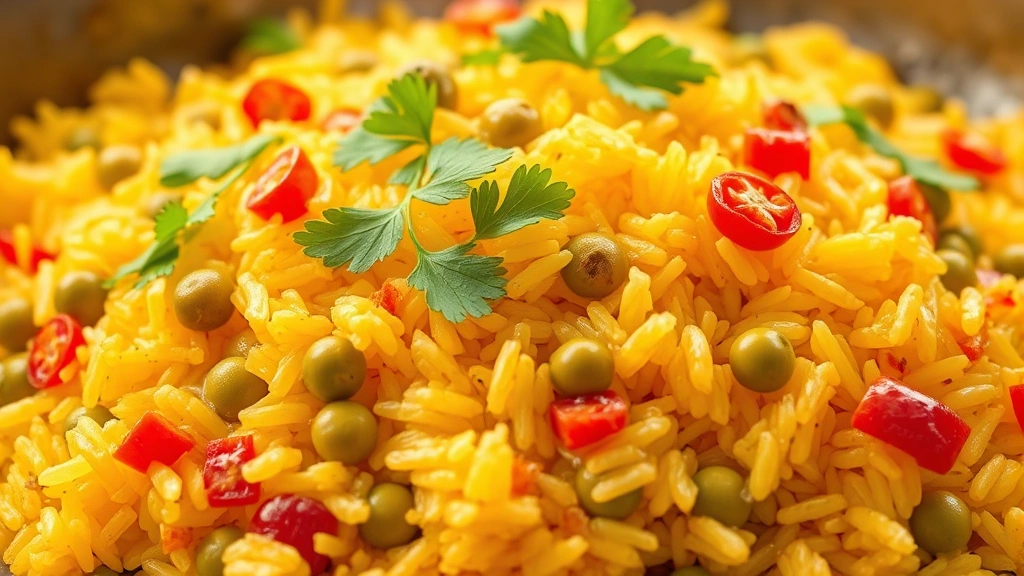
Arroz con gandules is the heart and soul of Puerto Rican cuisine, a beloved one-pot rice dish that graces tables during celebrations, family gatherings, and everyday meals throughout the island. This vibrant combination of long-grain rice, pigeon peas (gandules), and a deeply flavored sofrito base represents centuries of culinary tradition blending Spanish, African, and indigenous Taíno influences. The dish is more than just food—it’s a cultural emblem that connects Puerto Ricans to their heritage and brings communities together around shared meals.
What makes arroz con gandules truly special is its aromatic foundation and the careful balance of seasonings that create layers of complex flavor. Unlike simple rice dishes, this recipe demands attention to technique, from properly toasting the rice to building the sofrito base with care. The result is a stunning golden rice studded with tender pigeon peas, where each grain absorbs the savory essence of the cooking liquid. Whether you’re exploring Puerto Rican culture through food or seeking to expand your rice recipe repertoire, mastering arroz con gandules opens doors to understanding one of the Caribbean’s most important culinary traditions.
What Are Gandules and Why They Matter
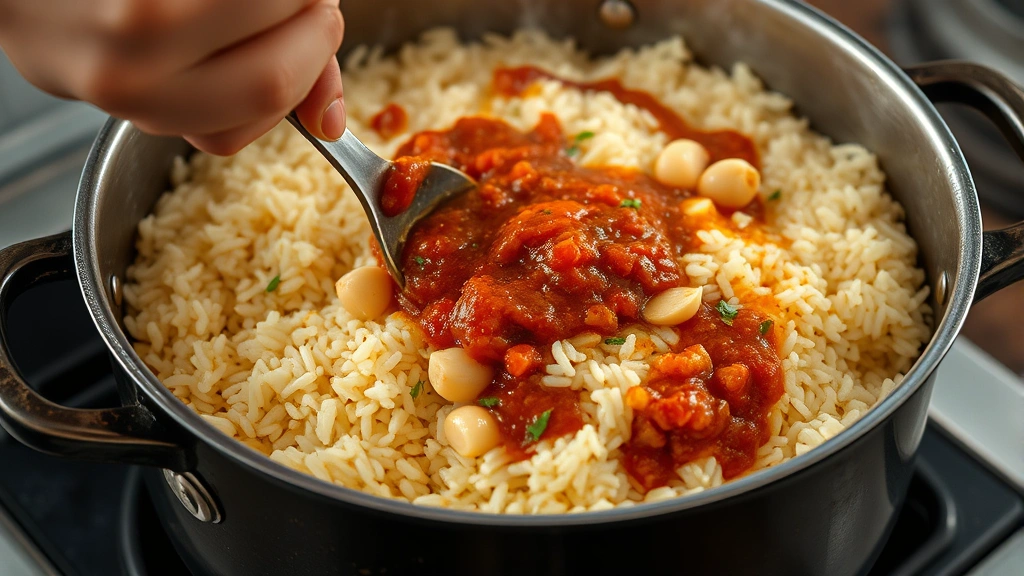
Gandules, commonly known as pigeon peas in English, are small legumes with a slightly sweet, earthy flavor that has been cultivated in Puerto Rico for generations. These peas are smaller than chickpeas but larger than lentils, with a pale green color that deepens when cooked. In Puerto Rican cuisine, gandules are not merely an ingredient—they’re a staple that provides protein, fiber, and essential nutrients to traditional dishes.
The pigeon pea plant thrives in tropical climates, making it naturally suited to Caribbean agriculture. Puerto Ricans have incorporated gandules into their cooking for centuries, using them in soups, stews, and most famously, in arroz con gandules. The peas contribute a subtle earthiness that complements the sofrito’s robust flavors without overwhelming the palate. When shopping for gandules, you’ll typically find them canned in the Latin foods section of most supermarkets, though fresh and dried varieties are also available at specialty stores.
Understanding the cultural significance of gandules helps you appreciate why this dish holds such importance in Puerto Rican households. It’s traditionally served during holidays like Three Kings Day (Día de Reyes), Christmas, and New Year’s celebrations, though families enjoy it throughout the year. The dish represents resilience, tradition, and the culinary ingenuity of Puerto Rican cooks who transformed simple ingredients into something extraordinary.
Essential Ingredients for Authentic Arroz con Gandules
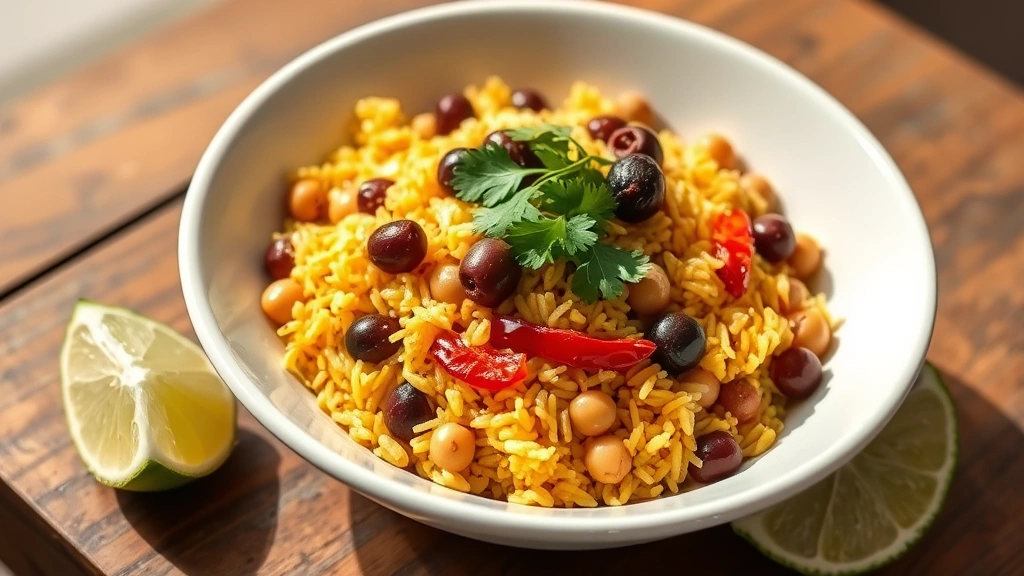
Creating authentic arroz con gandules requires gathering quality ingredients that work together harmoniously. Here’s what you’ll need for a traditional four-to-six serving recipe:
- Long-grain white rice: 2 cups (preferably medium or long-grain varieties like jasmine or basmati work well, though traditional Puerto Rican recipes use standard long-grain white rice)
- Canned gandules (pigeon peas): 2 cans (15 ounces each), drained and rinsed
- Sofrito: ¾ cup (the aromatic base that defines Puerto Rican cooking)
- Chicken or vegetable broth: 4 cups (homemade is ideal, but quality store-bought works)
- Sazon with culantro and annatto: 2 packets (this seasoning blend is essential for authentic flavor and color)
- Olive oil: 3 tablespoons
- Garlic cloves: 4-5, minced
- Olives: ½ cup (optional but traditional, usually green manzanilla olives)
- Pimientos: ¼ cup (roasted red peppers for color and sweetness)
- Fresh cilantro: 2 tablespoons (for garnish)
- Salt and black pepper: To taste
- Sofrito seasoning: 1 tablespoon of recaíto or additional sofrito paste for deeper flavor
The quality of your ingredients directly impacts the final dish. Using authentic sofrito rather than substitutes ensures you capture the genuine flavor profile. Sofrito is the foundation—a fragrant paste made from cilantro, garlic, onions, peppers, and other aromatics that gives Puerto Rican cooking its distinctive character.
Step-by-Step Cooking Instructions
Mastering the technique of preparing arroz con gandules requires patience and attention to detail. Follow these steps carefully for consistently excellent results:
- Heat the oil: Pour olive oil into a large, heavy-bottomed pot (at least 4-quart capacity) over medium heat. Allow it to warm for about one minute until shimmering.
- Toast the rice: Add the rice to the hot oil, stirring constantly for 3-4 minutes. This crucial step toasts the grains, sealing them and preventing them from becoming mushy. You’ll notice the rice becoming slightly translucent at the edges.
- Add aromatics: Stir in the minced garlic and cook for 30 seconds until fragrant. Be careful not to burn the garlic, as this will create a bitter taste.
- Incorporate sofrito: Add the sofrito to the pot, stirring well to coat the rice evenly. The sofrito will release its aromatic compounds, filling your kitchen with the unmistakable scent of Puerto Rican cooking. Cook for 1-2 minutes, stirring frequently.
- Season with sazon: Sprinkle the sazon packets over the rice mixture and stir thoroughly to distribute the seasonings evenly. The annatto in the sazon will begin to color the rice golden.
- Add broth: Pour the broth slowly into the pot while stirring. This prevents lumps and ensures even cooking. The mixture should come to a gentle boil.
- Add gandules and other ingredients: Once the broth is boiling, add the drained gandules, olives, and pimientos. Stir well to combine everything.
- Reduce heat and cover: Lower the heat to medium-low, place a lid on the pot, and allow the rice to cook undisturbed for 18-20 minutes. Resist the urge to stir—this allows a slightly crispy bottom layer (called socarrat) to form, which many consider the best part.
- Check for doneness: After 18 minutes, carefully lift the lid and check if the rice has absorbed most of the liquid. The grains should be tender but still hold their shape. If liquid remains, cover and cook for another 2-3 minutes.
- Rest and fluff: Remove from heat and let the pot sit covered for 5 minutes. This allows residual steam to finish cooking the rice. Gently fluff with a fork, being careful not to mash the grains.
- Taste and adjust: Season with additional salt and pepper as needed. Garnish generously with fresh cilantro before serving.
The entire cooking process takes approximately 35-40 minutes from start to finish. Timing is essential—cooking too long results in mushy rice, while insufficient cooking leaves hard grains in the center.
Mastering the Sofrito Base
Sofrito is the soul of Puerto Rican cooking, and understanding how to work with it transforms your arroz con gandules from good to exceptional. This aromatic paste is traditionally made by hand-crushing cilantro, culantro, garlic, onions, peppers, and other ingredients into a fragrant base. While you can purchase pre-made sofrito at most Latin markets, many Puerto Rican cooks prefer making their own for superior flavor.
When using store-bought sofrito, quality matters significantly. Look for brands that list cilantro and garlic as primary ingredients rather than oil or fillers. The sofrito should smell vibrant and fresh, not stale or musty. Store opened sofrito in an airtight container in the refrigerator for up to two weeks, or freeze in ice cube trays for convenient portioning.
If you want to make your own sofrito, combine one bunch of cilantro (roughly chopped), one bunch of culantro (if available), 4-5 garlic cloves, half an onion, one green bell pepper (roughly chopped), and one or two recao leaves in a food processor. Pulse until you achieve a chunky paste consistency—not a smooth puree. Some cooks prefer using a mortar and pestle for a more rustic texture. This homemade version stores beautifully in the freezer for three months.
The sofrito’s role in arroz con gandules cannot be overstated. It provides depth, aromatic complexity, and the distinctive flavor that makes the dish authentically Puerto Rican. When the sofrito hits the hot oil-coated rice, it releases essential oils and flavors that permeate every grain.
Tips for Perfect Results Every Time
Even experienced cooks benefit from refined techniques that ensure consistent, delicious results:
- Use proper broth: The quality of your broth directly affects the final flavor. Homemade chicken or vegetable broth produces superior results compared to bouillon cubes or low-sodium commercial broths that can taste tinny.
- Don’t skip the rice toasting: This step is non-negotiable for authentic texture. Toasting seals the grain’s exterior and prevents the rice from absorbing too much liquid.
- Measure liquid accurately: The ratio of broth to rice should be approximately 2:1. Too much liquid results in mushy rice; too little leaves hard, undercooked grains. Use a measuring cup rather than eyeballing.
- Maintain consistent heat: Medium heat during the initial cooking phase is crucial. Too high heat causes the bottom to burn before the rice cooks through; too low heat results in extended cooking times and potential drying.
- Resist stirring after covering: Once you place the lid on the pot, avoid lifting it repeatedly or stirring. Each time you open the lid, you release steam and extend cooking time. The one exception is checking for doneness after 18 minutes.
- Create the socarrat: The golden, slightly crispy layer at the bottom (socarrat) is intentional and delicious. Listen for gentle crackling sounds near the end of cooking—this indicates the socarrat is forming.
- Let it rest: The 5-minute rest period is essential. It allows moisture to redistribute and the rice to finish cooking gently.
- Choose the right pot: Use a heavy-bottomed pot with a tight-fitting lid. Lightweight pots distribute heat unevenly and allow steam to escape.
- Rinse gandules: Canned gandules often contain excess sodium and starch. Rinsing them thoroughly prevents a cloudy cooking liquid and reduces saltiness.
Serving Suggestions and Pairings
Arroz con gandules is traditionally served as the centerpiece of a Puerto Rican meal, surrounded by complementary dishes that complete the experience. The rice’s rich, savory flavor pairs beautifully with roasted meats, particularly pernil (roasted pork shoulder) or pollo guisado (stewed chicken). Many families serve it alongside healthy chicken recipes for a more balanced meal.
Classic accompaniments include:
- Tostones: Twice-fried plantain slices that provide a crispy, salty contrast to the soft rice
- Yuca con mojo: Cassava root with garlic-citrus sauce
- Ensalada de remolacha: Beet salad with a tangy vinaigrette
- Alcapurrias: Fried fritters made from plantain and taro root
- Mofongo: Mashed plantains with garlic and pork cracklings
- Habichuelas: Seasoned beans, typically kidney or black beans
For beverages, Puerto Ricans traditionally pair arroz con gandules with agua fresca (fresh fruit water), horchata, or a simple glass of cold water. During celebrations, malta (a malted beverage) or rum-based drinks are popular choices.
When serving at gatherings, present the rice in a large, shallow serving bowl or platter, garnished generously with fresh cilantro. This allows guests to see the beautiful golden color and colorful peas, making the dish visually appealing. Serve with lime wedges on the side—a squeeze of fresh lime brightens the flavors beautifully.
Variations and Modern Adaptations
While traditional arroz con gandules follows a specific formula, creative cooks have developed variations that honor the original while adapting to modern preferences or ingredient availability:
Arroz con Gandules y Carne Molida: Ground beef or ground pork is cooked with the sofrito before adding rice, creating a more substantial one-pot meal. This variation is popular for weeknight family dinners and makes excellent recipes with shredded chicken substitutions as well.
Vegetarian Version: Omit the chicken broth and use vegetable broth instead. Add more vegetables like diced tomatoes, corn, and green peas. This adaptation is perfect for plant-based diets while maintaining authentic flavors.
Seafood Variation: Some coastal Puerto Rican communities prepare arroz con gandules with seafood, adding shrimp, clams, or fish. This requires adjusting cooking times and using seafood broth instead of chicken broth.
Mixed Legume Version: Combine gandules with other beans like kidney beans or black beans. This increases nutritional value and creates interesting textural contrasts.
Instant Pot Adaptation: Using a pressure cooker reduces cooking time significantly. Toast the rice using the sauté function, add ingredients, and pressure cook on high for 8-10 minutes. Allow natural pressure release for 10 minutes before opening.
Healthier Modifications: Brown rice can replace white rice, though it requires increased cooking time and additional broth. Adding extra vegetables increases fiber and nutrients. These modifications align with food waste reduction tips by utilizing vegetable scraps in homemade broth.
For those exploring broader culinary horizons, understanding arroz con gandules’ techniques helps you approach Mexican chicken recipes and other Latin American rice dishes with greater confidence and cultural appreciation.
FAQ
Can I make arroz con gandules ahead of time?
Yes, arroz con gandules actually improves when made a day ahead. The flavors deepen and meld together beautifully. Store in an airtight container in the refrigerator for up to four days. Reheat gently on the stovetop with a splash of broth, or microwave in a covered container, stirring occasionally. Avoid reheating in the microwave multiple times, as this can dry out the rice.
What’s the difference between gandules and other beans?
Gandules (pigeon peas) have a unique flavor profile—slightly sweet and earthy—that distinguishes them from black beans, kidney beans, or chickpeas. They’re smaller and cook faster than most legumes. While you can substitute other beans if gandules are unavailable, the authentic flavor will be different. Serious Eats provides comprehensive information on pigeon pea varieties and substitutions.
Is sazon absolutely necessary for authentic flavor?
Sazon with culantro and annatto is traditional and provides authentic color and flavor. However, if you cannot find it, you can substitute with additional sofrito, garlic powder, cumin, and a pinch of turmeric for color. The result will be slightly different but still delicious. Some cooks use sazon without annatto and add achiote oil separately for more control over coloring.
Why is my rice mushy?
Mushy rice typically results from too much liquid, insufficient heat during the toasting phase, or stirring too frequently during cooking. Ensure your liquid-to-rice ratio is accurate (2:1), toast the rice properly before adding broth, and resist opening the lid during cooking. Using older rice (stored for several months) can also help, as fresher rice absorbs more liquid.
Can I use frozen gandules instead of canned?
Yes, frozen gandules work well and sometimes provide better texture than canned varieties. Use the same amount as canned (drained), but add them directly to the pot without thawing. Increase cooking time by 2-3 minutes to ensure they cook through completely.
What type of rice works best?
Long-grain white rice is traditional and produces the best results—grains remain separate and distinct. Medium-grain rice is acceptable but tends to be slightly stickier. Short-grain rice is not recommended as it becomes too creamy. Avoid instant or minute rice, which breaks down during cooking.
How do I achieve the socarrat without burning the rice?
Listen carefully during the last few minutes of cooking. You should hear gentle crackling sounds, similar to popcorn popping slowly. If the crackling becomes intense or you smell burning, immediately remove from heat. The socarrat should be golden and crispy, not black and burnt. With practice, you’ll develop an intuition for the perfect timing.
Can I make this dish in a rice cooker?
While possible, rice cookers don’t produce the same results as stovetop cooking, particularly the desirable socarrat. If using a rice cooker, toast the rice separately in a pot first, then transfer to the rice cooker with all ingredients. Use the standard rice setting but reduce broth by ½ cup to account for less evaporation.


