Authentic Mexican Chicken: Abuela’s Recipe Secrets
There’s something magical about the way a Mexican grandmother prepares chicken. It’s not just about following a recipe—it’s about understanding the soul of the cuisine, the layering of flavors, and the patience that comes from generations of cooking. When you taste truly authentic Mexican chicken, you’re experiencing centuries of culinary tradition passed down from mother to daughter, abuela to grandchild. This isn’t fast food; it’s love simmered in a pot.
The secret to authentic Mexican chicken lies in several key principles: the proper use of chiles and spices, the importance of marinating and slow cooking, the balance between heat and depth of flavor, and most importantly, using fresh, quality ingredients. Mexican cuisine is one of the world’s most complex and sophisticated cooking traditions, recognized by UNESCO as a Masterpiece of the Oral and Intangible Heritage of Humanity. Every region of Mexico has its own chicken specialties, from Oaxaca’s mole negro to Yucatán’s cochinita pibil-style chicken.
In this comprehensive guide, we’ll explore the techniques and secrets that make abuela’s Mexican chicken recipes so unforgettable. Whether you’re looking to master pollo en mole, pollo a la mexicana, or simple but elegant preparations, understanding these foundational principles will transform your cooking.
The Foundation: Essential Mexican Chiles and Spices
Understanding chiles is the cornerstone of authentic Mexican cooking. Unlike the generic “chili powder” found in supermarkets, traditional Mexican cuisine uses whole dried chiles, each with distinct flavor profiles. When you’re preparing recipes from Fresh Plated Daily, you’ll notice that quality ingredients make an enormous difference.
The most important dried chiles for chicken dishes include:
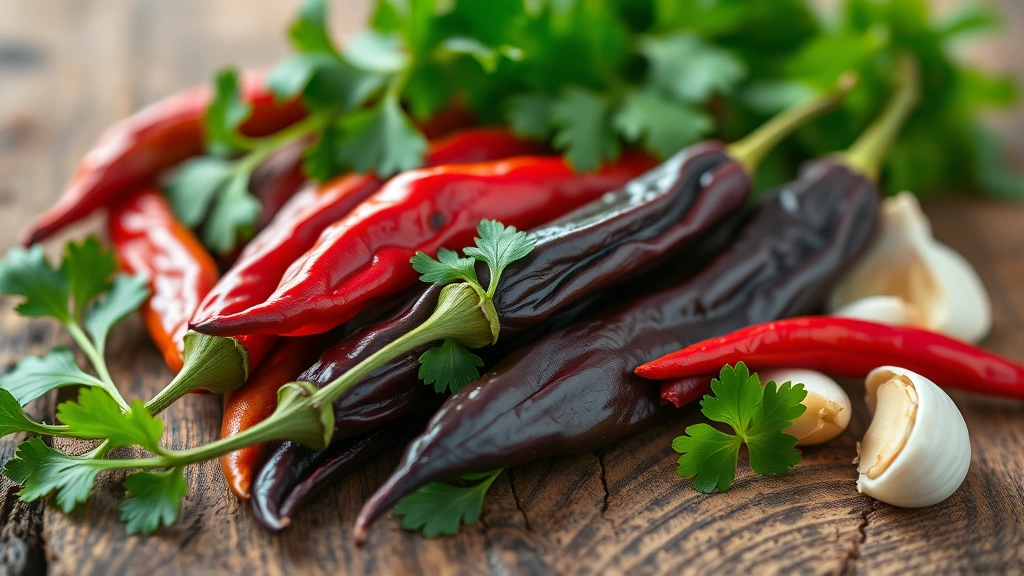
- Ancho chiles – These are dried poblano peppers with a deep, fruity flavor and mild heat. They’re the foundation of many mole sauces and provide a rich, almost chocolate-like undertone.
- Guajillo chiles – Slightly spicy with a berry-like flavor, these chiles are essential for creating depth in broths and sauces. They’re more accessible than some specialty varieties.
- Pasilla chiles – Dark and smoky with notes of licorice and chocolate, pasilla chiles add complexity to any dish.
- Chipotle chiles – These smoked jalapeños bring heat and smokiness. When reconstituted or used in adobo sauce, they create an unforgettable flavor.
- New Mexico chiles – Fruity and earthy with moderate heat, these are perfect for red sauces.
Beyond chiles, the spice cabinet of abuela’s kitchen includes cumin (comino), Mexican oregano (distinctly different from Mediterranean oregano), cinnamon, cloves, and black pepper. The key difference between Mexican cooking and Tex-Mex is the use of whole spices that are toasted and ground fresh, rather than pre-ground versions that have lost their essential oils.
To properly prepare dried chiles, soak them in hot water for 15-20 minutes until soft, then blend them with water to create a smooth paste. This technique releases all the complex flavors locked within the chile skin. Never skip this step—it’s where the magic begins.
Marinating Techniques That Abuela Swears By
A proper marinade does more than add flavor—it begins the cooking process by breaking down proteins and infusing moisture deep into the meat. Abuela’s marinating techniques are based on understanding how acid, oil, and spices work together.
The traditional Mexican marinade, called adobo, typically consists of:
- Acid component (lime juice or vinegar) – This tenderizes the meat and brightens flavors
- Oil (olive or avocado oil) – This carries fat-soluble flavors and keeps meat moist
- Aromatics (garlic, onion) – These provide foundational savory depth
- Chiles and spices – The flavor powerhouse
- Fresh herbs (cilantro, epazote) – These add freshness and complexity
The ideal marinade time for chicken pieces is 4-8 hours, though overnight is even better. For a whole chicken, 12-24 hours allows the marinade to penetrate completely. The ratio should be roughly 3 parts liquid to 1 part chicken by weight.
A simple but authentic marinade: blend 4 dried ancho chiles (soaked), 4 cloves garlic, juice of 2 limes, 1/4 cup olive oil, 1 teaspoon cumin, 1/2 teaspoon Mexican oregano, and salt. This creates enough marinade for 3-4 pounds of chicken. The chicken should be completely submerged—use a zip-lock bag or glass container, never aluminum, as the acid will react with the metal.
Pro tip from experienced cooks: reserve some marinade before adding raw chicken, then use this reserved portion as a finishing sauce. This maintains food safety while preserving the fresh, vibrant flavors.
Classic Pollo en Mole: The Crown Jewel
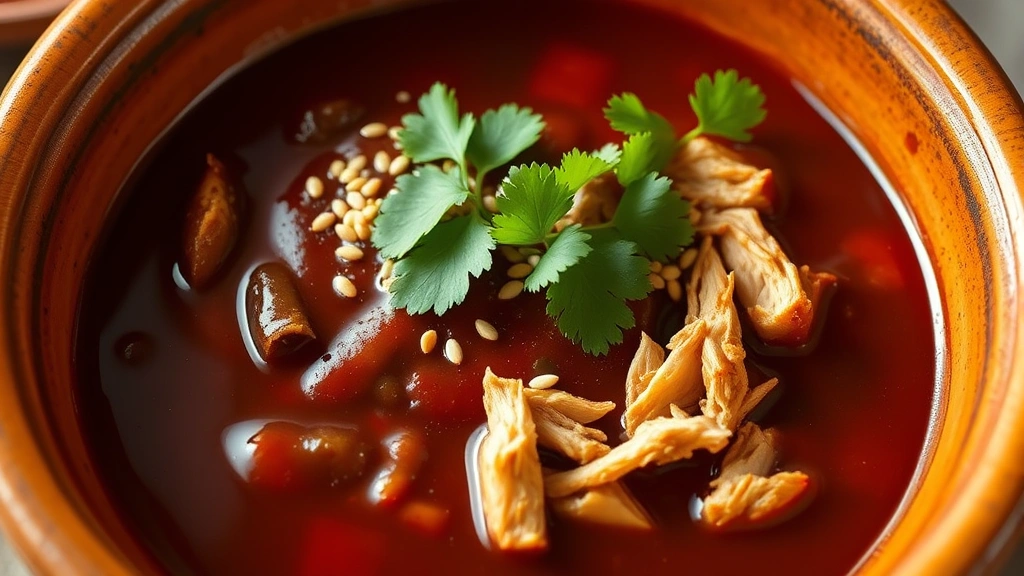
Mole (pronounced “MOH-lay”) represents the pinnacle of Mexican culinary achievement. This complex sauce, which can contain anywhere from 15 to 40 ingredients, is traditionally served at celebrations and special occasions. While it seems intimidating, breaking it into steps makes it manageable.
The most accessible mole for home cooks is mole rojo (red mole). Unlike the famous mole negro from Oaxaca, which requires ingredients that are difficult to source, mole rojo uses more readily available chiles.
Ingredients for Mole Rojo (serves 6-8):
- 6-8 dried ancho chiles
- 4-5 dried guajillo chiles
- 3 dried pasilla chiles
- 1 white onion, quartered
- 6 cloves garlic
- 1/3 cup raw almonds or peanuts
- 1/3 cup raisins
- 3 tablespoons sesame seeds
- 1 tablespoon Mexican oregano
- 1 teaspoon cumin
- 4 whole cloves
- 1 cinnamon stick (Mexican canela)
- 2 tablespoons lard or olive oil
- 3 cups chicken broth
- 1 tablet Mexican chocolate (or 1 ounce dark chocolate with 1/4 teaspoon sugar)
- Salt to taste
Method:
- Toast all dried chiles lightly in a dry skillet for 30 seconds per side until fragrant. This deepens their flavor without burning them.
- Soak chiles in hot water for 15-20 minutes until completely soft.
- Toast nuts, raisins, and sesame seeds separately in a dry skillet until fragrant. Set aside half the sesame seeds for garnish.
- In a blender, combine soaked chiles, cooked nuts, raisins, onion, garlic, oregano, cumin, cloves, and cinnamon. Blend until completely smooth, working in batches if necessary.
- Heat lard in a large, heavy pot. Strain the chile paste through a fine sieve to remove any remaining chile skin, then fry it in the hot lard for 3-5 minutes, stirring constantly. This step, called frying the paste, is crucial—it removes raw flavors and deepens the sauce.
- Add chicken broth slowly while stirring to create a smooth sauce. The consistency should be like heavy cream.
- Simmer for 20-30 minutes, stirring occasionally. Add chocolate and salt. The chocolate shouldn’t be noticeable as chocolate—it should simply deepen and round out all the other flavors.
- Taste and adjust seasonings. The sauce should be complex, slightly sweet, slightly spicy, with layers of flavor.
To complete the dish, poach chicken pieces in broth until cooked through (165°F internal temperature), then arrange on a platter and pour the mole sauce over top. Garnish with reserved sesame seeds and serve with warm tortillas.
Many home cooks are intimidated by making mole from scratch, but understanding that it’s simply a well-constructed sauce with proper technique makes it achievable. Abuela would say that the first time you make it, you’re learning. The second time, you’re cooking. The third time, you’re creating.
Pollo a la Mexicana: Street Food Perfection
While mole represents formal, ceremonial Mexican cooking, pollo a la mexicana represents everyday cooking at its finest. This simple yet deeply flavorful dish is found in markets, street stalls, and home kitchens throughout Mexico.
The traditional preparation is remarkably simple: chicken cooked with tomatoes, onions, jalapeños, and cilantro. The magic lies in technique and ingredient quality. Many recipes overcomplicate it, but abuela knows better.
Traditional Pollo a la Mexicana (serves 4):
- 2 pounds chicken thighs or breasts, cut into bite-sized pieces
- 3 tablespoons lard or olive oil
- 1 white onion, finely diced
- 3 jalapeños, sliced (seeds removed for less heat)
- 3 Roma tomatoes, diced (or 1 can of fire-roasted tomatoes)
- 3 cloves garlic, minced
- 1/2 cup fresh cilantro, chopped
- Salt and white pepper to taste
- 1/4 teaspoon cumin (optional)
Method:
- Heat oil in a large skillet over medium-high heat. The oil should be hot enough that a piece of onion sizzles immediately when added.
- Season chicken with salt and pepper. Working in batches to avoid overcrowding, brown the chicken on all sides. This takes about 8-10 minutes total. Remove and set aside.
- In the same skillet, sauté onion and jalapeños until softened, about 3-4 minutes. The onion should become translucent and slightly caramelized at the edges.
- Add garlic and cook for 30 seconds until fragrant.
- Add tomatoes and cook for 2-3 minutes, stirring occasionally. The tomatoes should begin to break down and release their juices.
- Return chicken to the skillet. Add cumin if using. Reduce heat to medium and simmer for 10-15 minutes until chicken is cooked through and the sauce has thickened slightly.
- Remove from heat and stir in fresh cilantro. Taste and adjust seasoning.
Serve with warm flour or corn tortillas, white rice, and refried beans. The beauty of this dish is its versatility—you can serve it as a main course, use it as filling for tacos or enchiladas, or shred it for tortas.
The key technique here is proper browning of the chicken. This creates flavor compounds through the Maillard reaction—the chemical process that makes food taste more savory and complex. Never skip this step by boiling the chicken directly in the sauce.
Slow Cooking Methods for Maximum Flavor
Traditional Mexican cooking relies heavily on slow, moist cooking methods that allow flavors to meld and deepen. These techniques have been refined over centuries and produce results that quick cooking simply cannot match.
Braising: This method involves browning meat in fat, then cooking it slowly in liquid. For chicken, braising in a covered pot at 325°F for 45 minutes to 1 hour produces incredibly tender, flavorful results. The low, moist heat breaks down connective tissue while the liquid prevents drying out.
Poaching: While less dramatic than braising, poaching chicken in seasoned broth is how abuela ensures perfectly moist, tender chicken. The cooking liquid becomes a base for soups or sauces. Whole chickens should poach at a bare simmer for 45-60 minutes, while pieces take 20-25 minutes.
Traditional Pit Cooking: In regions like Yucatán, whole chickens are wrapped in banana leaves and cooked in underground pits (pibs) for hours, creating incredibly tender meat infused with smoky, earthy flavors. While impractical for home cooks, you can approximate this by wrapping seasoned chicken in banana leaves and cooking it covered in a low oven (300°F) for 90 minutes.
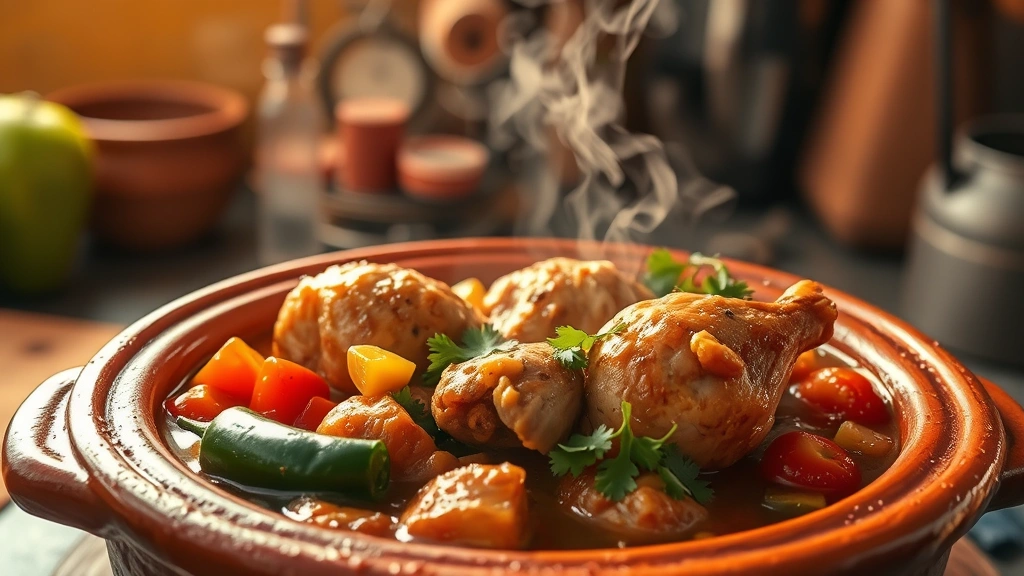
Clay Pot Cooking: Mexican cooks have used clay pots (ollas) for centuries. These vessels distribute heat evenly and slowly, preventing hot spots and ensuring even cooking. If you have access to a traditional clay pot, season it properly before first use and cook low and slow.
The common thread in all these methods: low heat, moist environment, adequate time. This combination allows the chicken to become tender while the cooking liquid becomes rich and flavorful. Modern pressure cookers and slow cookers can approximate these results, though traditional methods still produce superior depth of flavor.
Regional Variations Across Mexico
Mexico’s diverse geography and cultural heritage have created distinct regional chicken traditions. Understanding these variations gives you access to an incredible range of authentic recipes.
Oaxaca: This southern state is famous for its moles, particularly mole negro, which is darker and more complex than mole rojo. Oaxaca also produces tlayudas (large crispy tortillas) topped with shredded chicken and various toppings. The regional style emphasizes complex spice blends and traditional techniques passed through families.
Yucatán: This peninsula has distinct culinary traditions influenced by indigenous Mayan culture. Pollo pibil (chicken cooked in banana leaves with achiote paste) is the signature dish. The achiote (annatto) seed gives it a distinctive reddish color and earthy flavor. Lime is used liberally, reflecting the region’s citrus abundance.
Jalisco: The birthplace of mariachi music also gave the world birria—a rich, complex stew traditionally made with goat but increasingly made with chicken. The sauce is darkly spiced and deeply savory, served with crispy tortillas for dipping.
Puebla: This central state is famous for mole poblano, a slightly sweeter mole with chocolate and numerous other ingredients. Puebla also produces chicken in pipián (a sauce made from ground pumpkin seeds), creating a distinctly different flavor profile from chile-based sauces.
Veracruz: Coastal Veracruz cooking emphasizes fresh ingredients and Spanish influences. Pollo a la veracruzana features chicken in a sauce with olives, capers, tomatoes, and sometimes pineapple, creating a sweet-savory combination.
Each region’s traditions reflect local ingredients, cultural influences, and centuries of refinement. By exploring these variations, you gain deeper appreciation for Mexican cuisine’s sophistication and diversity.
Modern Tips for Traditional Results
While abuela cooked with what was available, modern home cooks have advantages she didn’t have. The key is using technology to support traditional techniques rather than replace them.
Sourcing Ingredients: Many specialty Mexican ingredients are now available online from reputable sources like Eat Mexico and local Latin markets. Quality dried chiles make an enormous difference—they should be fragrant, flexible, and free from mold. Fresh epazote, cilantro, and Mexican oregano are worth seeking out, as they taste distinctly different from their Mediterranean counterparts.
Equipment Upgrades: A high-powered blender (like a Vitamix) makes creating smooth chile pastes effortless. A good heavy pot with a tight-fitting lid ensures even heat distribution. A meat thermometer removes guesswork from determining doneness. These modern tools make traditional cooking more accessible without compromising results.
Spice Preparation: Toast whole spices just before grinding them in a spice grinder or mortar and pestle. This takes 2-3 minutes but dramatically improves flavor compared to pre-ground spices. The essential oils released during toasting create far more complex, vibrant flavors.
Make-Ahead Strategies: Many Mexican sauces improve with time. Mole can be made 2-3 days ahead and reheated gently. Chile pastes can be frozen in ice cube trays for convenient portioning. Marinated chicken can be frozen up to 3 months, actually improving in flavor as ice crystals break down cell walls, allowing better marinade penetration.
Scaling Recipes: Don’t be intimidated by making mole or other complex sauces in larger batches. They freeze beautifully and actually improve in flavor after a few days as ingredients meld. Make enough for 8-10 servings and freeze portions for future use.
The combination of traditional techniques with modern convenience creates the best possible results. You’re honoring abuela’s methods while working within contemporary life’s constraints.
For additional inspiration on sauce-making techniques, explore how to create flavorful sauces from scratch, which applies many of the same principles to other cuisines. You might also consider pairing your Mexican chicken with fresh salads for a complete meal, or complement it with homemade bread for soaking up sauces.
FAQ
What’s the difference between Mexican oregano and regular oregano?
Mexican oregano (Poliomintha longiflora) comes from a different plant than Mediterranean oregano. It has a more citrusy, slightly licorice-like flavor with less earthiness. Mexican oregano is essential in authentic recipes—substituting Mediterranean oregano will noticeably change the flavor profile. You can find it at Latin markets or online.
Can I use boneless chicken breasts instead of thighs?
While possible, thighs are strongly preferred for authentic Mexican cooking. They have more fat and connective tissue, which creates richer, more flavorful results and stays moister during cooking. Breasts can dry out, especially in longer cooking methods. If using breasts, reduce cooking time and monitor carefully.
How do I know when dried chiles have gone bad?
Fresh dried chiles should be fragrant and flexible. If they’re brittle, have a musty smell, or show signs of mold, discard them. Properly stored dried chiles (in airtight containers in a cool, dark place) last 6-12 months. Store them in the freezer for longer shelf life.
Can I make mole in advance?
Absolutely. Mole actually improves after a day as flavors meld. Store in an airtight container in the refrigerator for up to 5 days, or freeze for up to 3 months. Reheat gently over low heat, adding a little broth if it’s too thick.
What’s the best way to serve authentic Mexican chicken?
Traditionally served with warm tortillas (flour or corn, depending on the region), white rice, and refried beans. Garnish with fresh cilantro, lime wedges, and sliced onion. The accompanying salsas—both cooked and fresh—complement the chicken beautifully. Avocado slices add richness and balance heat.
How do I prevent chicken from drying out during cooking?
Use thighs instead of breasts, brown the chicken properly before adding liquid, maintain low cooking temperatures, avoid cooking past 165°F internal temperature, and let the chicken rest for 5 minutes after cooking. Cooking in sauce (braising or poaching) keeps the meat moist naturally.
What’s the significance of using lard in traditional recipes?
Lard has a higher smoke point than many oils and adds authentic flavor to Mexican cooking. It’s also more readily available in Mexico than other fats. For health-conscious cooks, quality olive oil or avocado oil work well as substitutes, though the flavor will be slightly different. Some traditional cooks argue that the authentic taste requires lard, while others successfully use modern alternatives.
Can I use a slow cooker for these recipes?
Yes, though results won’t be identical to traditional methods. For braising, brown chicken first, then add to the slow cooker with sauce on high for 3-4 hours or low for 6-8 hours. The extended cooking time can sometimes mute flavors, so taste and adjust seasonings at the end. Traditional methods in the oven at 325°F produce superior depth of flavor.


