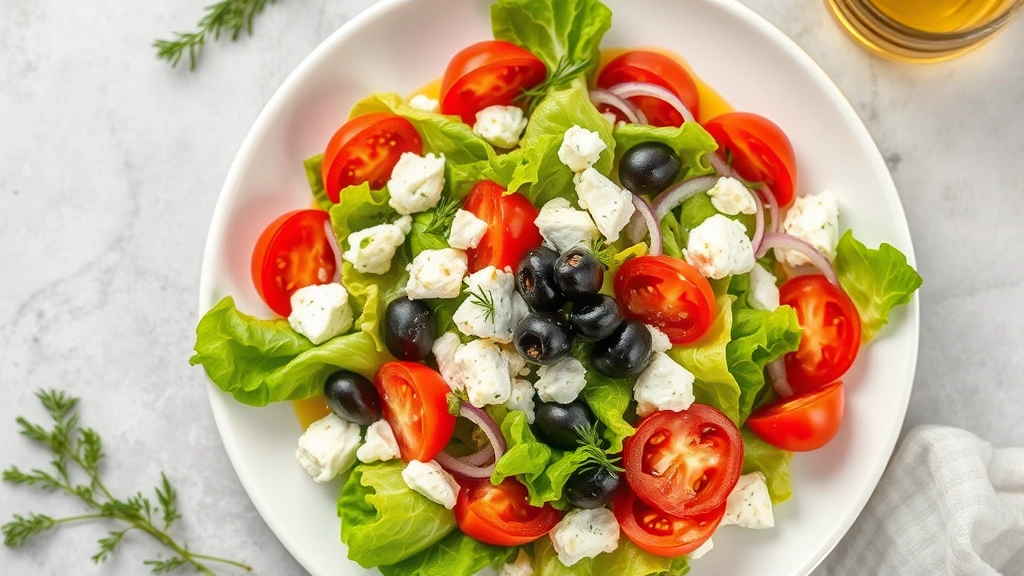
Mediterranean Salad? Chef’s Secret Recipe!
A truly authentic Mediterranean salad transcends the typical iceberg lettuce and bland tomato combination found in most restaurants. The chef’s secret lies in understanding the balance of fresh, vibrant ingredients, proper technique, and the philosophy behind Mediterranean cuisine. This isn’t just about throwing vegetables into a bowl—it’s about honoring centuries of culinary tradition while creating something that tastes restaurant-quality at home.
The Mediterranean region, spanning from Greece to Spain to Italy, has developed distinct salad traditions that emphasize seasonal produce, quality oils, and minimal processing. When you master the fundamentals of this beloved mediterranean salad recipe, you’ll discover that the magic happens through ingredient selection, proper preparation, and understanding how flavors marry together. Whether you’re preparing this as a light lunch, elegant dinner starter, or hearty side dish, this guide will reveal the professional techniques that elevate a simple salad into something extraordinary.

Understanding Mediterranean Salad Fundamentals
The foundation of every exceptional Mediterranean salad begins with understanding what makes this cuisine distinctive. Unlike modern salads that rely heavily on dressings to create flavor, Mediterranean salads celebrate the natural qualities of fresh ingredients. The approach emphasizes quality over quantity, with each component playing a specific role in the overall composition.
Professional chefs know that a Mediterranean salad should feature a balance of textures—crisp vegetables, creamy elements like feta or olives, and sometimes protein components such as grilled chicken or seafood. The philosophy prioritizes seasonal ingredients at peak ripeness, which means your salad will taste different depending on the time of year. Spring versions might feature fresh herbs and tender greens, while summer salads showcase ripe tomatoes and cucumbers at their prime.
The texture contrast is absolutely critical. You want crispy lettuce, juicy tomatoes, creamy cheese, and briny olives all working together in harmony. This multi-dimensional approach to texture keeps each bite interesting and prevents the monotony that plagues poorly constructed salads. Temperature also matters—while most Mediterranean salads are served at room temperature or chilled, the ingredients should never be ice-cold, as this mutes delicate flavors.
Understanding the regional variations helps you appreciate why different Mediterranean salads emphasize different elements. Greek salads feature prominent feta and olives, Italian versions celebrate tomatoes and basil, while Spanish interpretations might include seafood or roasted garlic elements. Learning these distinctions allows you to create targeted flavor profiles that feel authentic and intentional.
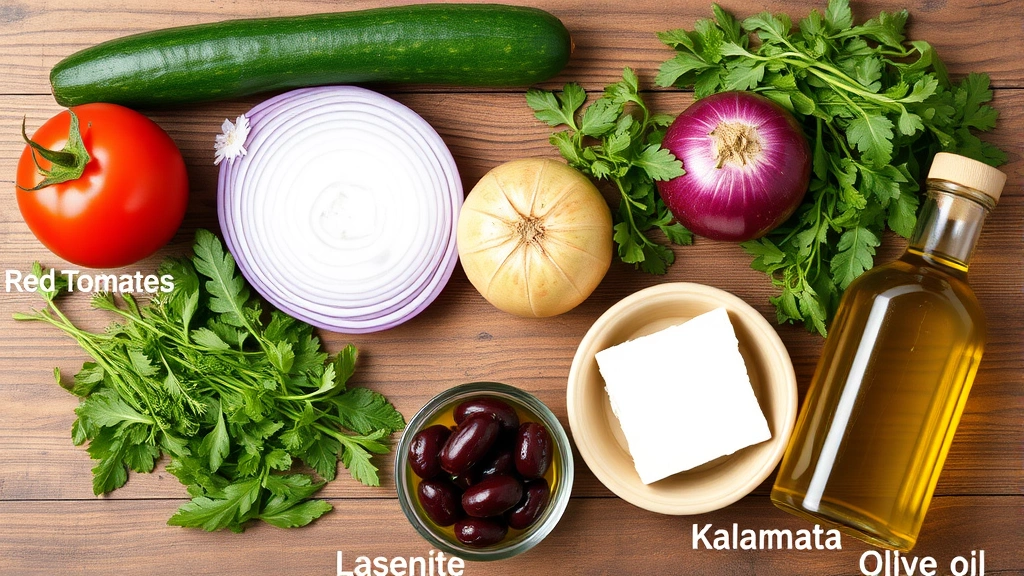
Essential Ingredients for Authentic Flavor
The ingredient list for a chef’s Mediterranean salad is deceptively simple, yet each component requires careful selection. This is where most home cooks miss the mark—they purchase generic versions when premium quality makes an enormous difference in the final result.
Fresh Greens: Start with a mix of lettuces rather than relying on a single variety. Combine crisp romaine, tender butter lettuce, and peppery arugula for complexity. Avoid pre-packaged salad mixes, which lose vitality quickly. Purchase whole heads and wash them gently, spinning them completely dry. Moisture is the enemy of crispness and proper dressing adherence.
Tomatoes: This is non-negotiable—use only vine-ripened or heirloom tomatoes at peak season. Pale supermarket tomatoes will sabotage your efforts. If quality tomatoes aren’t available, consider using sun-dried tomatoes or good-quality canned San Marzano tomatoes instead. Cut tomatoes into quarters or eighths, and don’t add them until serving time to prevent sogginess.
Cucumbers: English cucumbers or Persian cucumbers work better than standard varieties, as they have fewer seeds and thinner skins. Cut them into half-moons or chunks, depending on your preference. Some chefs prefer to partially peel cucumbers in stripes for visual interest.
Red Onion: Use sparingly and slice paper-thin. The sharpness of raw red onion can overwhelm, so many chefs quick-pickle their onions in lemon juice and salt for 10-15 minutes to mellow the bite while adding brightness.
Feta Cheese: Purchase block feta from a quality source, never the pre-crumbled version. Crumble it by hand just before serving. Authentic Greek feta has a tanginess that pre-packaged versions lack. If you can’t find quality feta, consider using fresh ricotta salata or even good mozzarella.
Kalamata Olives: Purchase olives with the pit still intact when possible—they’re more flavorful than pitted versions. Pit them yourself just before serving. Quality matters tremendously; avoid the canned varieties from generic brands.
Extra Virgin Olive Oil: This ingredient absolutely deserves premium investment. A high-quality extra virgin olive oil is the backbone of your dressing and makes a perceptible difference. Look for bottles labeled with a harvest date and choose oils from single origins when possible.
Fresh Herbs: Parsley, mint, dill, and oregano are classic additions. Fresh herbs should be added at the last moment to prevent wilting and preserve their vibrant flavor.
Step-by-Step Preparation Technique
The process of building a Mediterranean salad is where chefs demonstrate their attention to detail. Follow these steps in order for optimal results:
- Prepare Your Greens: Wash your lettuces under cool water, gently separating leaves. Spin them completely dry using a salad spinner—excess water will dilute your dressing. Tear larger leaves by hand rather than cutting them; this prevents bruising and oxidation. Place dried greens in a large bowl and refrigerate until ready to dress.
- Prep Your Vegetables: Cut tomatoes into quarters or eighths, depending on size. Slice cucumbers into half-moons about a quarter-inch thick. Slice red onion paper-thin and quick-pickle in lemon juice with salt for 10-15 minutes. This step is crucial—it mellows the onion’s harshness while adding brightness.
- Make Your Vinaigrette: In a separate bowl, whisk together your acid (lemon juice or quality vinegar), salt, and pepper. Let this sit for a minute, then slowly whisk in your extra virgin olive oil until emulsified. Taste and adjust seasoning—this is your opportunity to get the balance perfect before it touches the greens.
- Dress at the Last Moment: This is the professional secret most home cooks overlook. Don’t dress your salad until you’re ready to serve. Add about three-quarters of your dressing to the greens and toss gently but thoroughly, ensuring every leaf gets coated. Use your hands if necessary—this gives you better control than utensils.
- Plate and Garnish: Divide the dressed greens among serving plates or a large platter. Arrange tomatoes, cucumbers, and pickled onions artfully around the greens. Crumble feta directly over the top, scatter olives, and finish with fresh herbs and a light drizzle of remaining dressing.
The timing of these steps matters significantly. Never dress greens more than 15 minutes before serving, or they’ll begin to wilt. Never combine all ingredients in a single bowl and let them sit—this creates a watery, unappetizing mess. Professional plating keeps components separate until the final moment.
The Perfect Vinaigrette Formula
A Mediterranean vinaigrette follows a classic formula that chefs have refined over generations. Understanding this ratio allows you to adjust flavors intuitively based on your specific ingredients.
The Basic Formula: Start with 1 part acid to 3 parts oil as your baseline. For a typical salad serving 4-6 people, use 3 tablespoons fresh lemon juice or quality wine vinegar, 9 tablespoons excellent extra virgin olive oil, 1 teaspoon Dijon mustard, 2 minced garlic cloves, 1 teaspoon dried oregano, and salt and pepper to taste.
Technique Matters: Place your acid in a bowl with salt and allow it to sit for one minute—salt dissolves better in acid than in oil. Add your mustard and minced garlic, whisking to combine. This mixture should be homogeneous before you add oil. Slowly drizzle in your oil while whisking constantly. This gradual incorporation creates an emulsion that clings to salad leaves far better than oil and vinegar simply combined.
Flavor Adjustments: If your dressing tastes too acidic, add more oil gradually. If it’s too oily, add more lemon juice or vinegar. The garlic should be barely perceptible—it’s meant to enhance, not dominate. Oregano adds that distinctive Mediterranean note; don’t skip it.
Storage: Vinaigrette keeps in a sealed jar for up to one week in the refrigerator. The oil may solidify slightly when cold; simply bring it to room temperature and shake before using. Never use cold dressing straight from the refrigerator—allow it to reach room temperature first.
Assembly and Presentation Tips
How you assemble and present your Mediterranean salad influences both the eating experience and visual appeal. Professional chefs understand that presentation is part of the flavor experience.
Plating Strategy: Rather than tossing everything together, create height and visual interest by building layers. Start with your dressed greens as a base. Arrange tomato quarters and cucumber slices in clusters rather than scattered randomly. This creates visual organization that’s more appealing than a jumbled appearance.
Color Composition: Think about the visual palette you’re creating. The reds of tomatoes, greens of lettuce and herbs, whites of feta, and blacks of olives should be distributed evenly across the plate. Avoid concentrating all one color in a single area.
Temperature Considerations: Mediterranean salads are best served at room temperature or lightly chilled—never ice-cold. If you’re preparing this ahead, refrigerate components separately and assemble at the last moment. Cold salads lose vibrancy and flavor intensity.
Portion Control: A proper Mediterranean salad should be substantial enough to serve as a main course for lunch or a generous starter for dinner. Plan for about 2-3 cups of greens per person if serving as a main, or 1-2 cups as a starter.
Variations and Protein Additions
The beauty of Mediterranean cuisine is its flexibility. While the classic version stands perfectly on its own, professional chefs often enhance it with complementary proteins and variations.
Grilled Chicken: Season chicken breasts with olive oil, lemon juice, garlic, and oregano, then grill until cooked through. Slice and arrange over the salad. This transforms your salad into a complete meal. For a lighter approach, try smothered chicken preparations that incorporate Mediterranean flavors.
Seafood Options: Grilled shrimp, flaked white fish, or even canned tuna work beautifully. The key is using quality seafood and not overwhelming the delicate flavors of the vegetables. Marinate seafood briefly in lemon juice and olive oil before adding to the salad.
Chickpeas: For a vegetarian protein boost, add roasted chickpeas. Toss them in olive oil, salt, and spices, then roast at 425°F until crispy. They add textural interest and substantial protein without overpowering the salad.
Pasta Integration: For a heartier dish, incorporate cooled pasta shapes like orzo or small shells. This creates a Mediterranean pasta salad that works wonderfully for potlucks or meal prep. Reference our guide on how to make homemade pasta sauce for complementary flavor profiles.
Grain Additions: Cooked quinoa, farro, or bulgur wheat add substance and interesting texture. These grains pair beautifully with Mediterranean flavors and increase the nutritional profile.
Nuts and Seeds: Pine nuts, almonds, or sunflower seeds add crunch and richness. Toast them lightly before adding for maximum flavor impact.
You might also consider pairing this salad alongside other Mediterranean proteins. Our chicken meatball recipe creates an excellent companion, or try chicken wings recipe variations with Mediterranean seasonings for a more casual presentation.
For those seeking quick and easy pasta recipes that complement this salad, consider lighter preparations that won’t overshadow the fresh flavors you’ve carefully built.
FAQ
Can I prepare Mediterranean salad ahead of time?
Prepare components separately and store them in airtight containers for up to 24 hours. Keep greens, vegetables, and dressing completely separate. Assemble and dress just before serving to maintain optimal texture and flavor. Pre-dressed salads become soggy and unappetizing within 30 minutes.
What’s the best way to store leftover salad?
Store undressed greens and vegetables in separate containers in the refrigerator for up to three days. Keep dressing in a sealed jar for up to one week. Never refrigerate a dressed salad, as it deteriorates quickly. Always reassemble fresh portions when serving.
How do I make this salad more substantial?
Add protein through grilled chicken, seafood, beans, or nuts. Include grains like quinoa or farro. Increase the proportion of cheese and olives. These additions transform it from a side dish to a complete meal while maintaining authentic Mediterranean flavor profiles.
Can I substitute ingredients if I don’t have everything?
Absolutely. Mediterranean cuisine celebrates regional variations. Substitute greens based on availability, use different cheese types, adjust herbs to what’s fresh in your area. The philosophy matters more than exact ingredients—focus on quality, freshness, and balanced flavors.
What vinegar works best for the dressing?
Fresh lemon juice is traditional and preferred, offering bright acidity without the bite of vinegar. Red wine vinegar, white wine vinegar, or Champagne vinegar work well as alternatives. Avoid balsamic, which overpowers delicate Mediterranean flavors. Quality matters tremendously—use vinegars from reputable sources.
How do I prevent my salad from getting soggy?
The key is timing. Never dress your greens more than 15 minutes before serving. Don’t add tomatoes until the last moment—their juice will weep into the salad. Keep all components separate until assembly. Use completely dry greens, as moisture accelerates wilting and prevents dressing from adhering properly.


