How to Make Chia Water? Nutritionist’s Guide
Chia water has become a go-to beverage for health-conscious individuals seeking a simple yet nutritious drink. This humble concoction combines tiny chia seeds with water to create a hydrating elixir packed with omega-3 fatty acids, fiber, and essential minerals. Whether you’re looking to boost your daily hydration routine or add a nutrient-dense drink to your wellness regimen, chia water offers remarkable benefits with minimal effort. The beauty of this recipe lies in its simplicity—just two ingredients transform into a powerhouse drink that supports digestive health, sustained energy, and overall vitality.
Making chia water at home takes less than five minutes, and the results are far superior to store-bought versions laden with additives and preservatives. This guide walks you through everything you need to know about preparing, customizing, and enjoying chia water like a nutritionist would recommend. From selecting quality seeds to understanding the science behind this superfood beverage, you’ll discover why chia water deserves a permanent spot in your kitchen.
What is Chia Water and Why Drink It?
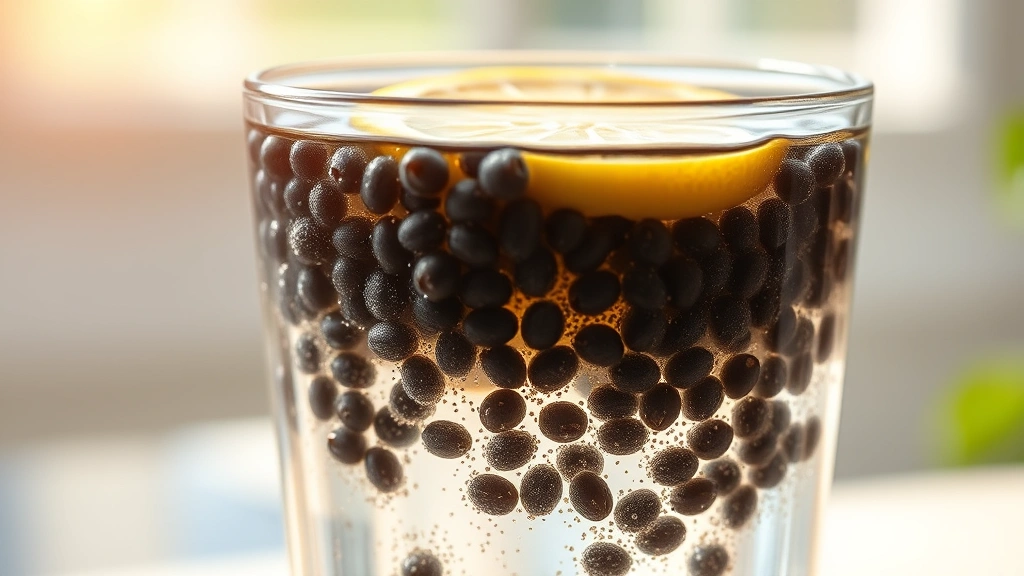
Chia water is simply a beverage made by soaking chia seeds in water until they absorb liquid and develop a gel-like coating. These tiny black seeds, originating from the Salvia hispanica plant native to Mexico, have been consumed for centuries due to their impressive nutritional profile. When hydrated, chia seeds expand and create a unique texture that many find refreshing and satisfying.
The primary reason people drink chia water relates to its exceptional health properties. Unlike many flavored beverages that offer empty calories, chia water provides substantial nutritional benefits without significant caloric content. A single serving contains approximately 2-3 grams of protein, 3-4 grams of fiber, and valuable omega-3 fatty acids. These nutrients work synergistically to support your body’s various functions, from cellular health to digestive efficiency.
Athletes and fitness enthusiasts appreciate chia water for its hydration-enhancing properties. The gel-forming action of chia seeds allows them to absorb and retain water, potentially improving your body’s ability to stay hydrated during physical activity. Additionally, chia water helps stabilize blood sugar levels, preventing energy crashes that often follow sugary drinks. This makes it an excellent alternative to sports drinks and commercial beverages loaded with artificial ingredients.
Essential Ingredients and Equipment
Creating perfect chia water requires minimal ingredients and equipment, making it accessible to anyone regardless of culinary experience. Here’s what you’ll need:
Ingredients:
- Raw chia seeds (preferably organic)
- Filtered water (or tap water if filtered water isn’t available)
- Optional: fresh lemon juice, lime juice, or other citrus
- Optional: fresh fruit puree or juice
- Optional: honey or maple syrup for sweetness
- Optional: fresh mint or basil leaves
Equipment:
- Glass jar or drinking glass (at least 12 ounces)
- Measuring spoon for chia seeds
- Spoon for stirring
- Fine-mesh strainer (optional, for removing seeds if preferred)
- Blender (optional, for creating flavored versions)
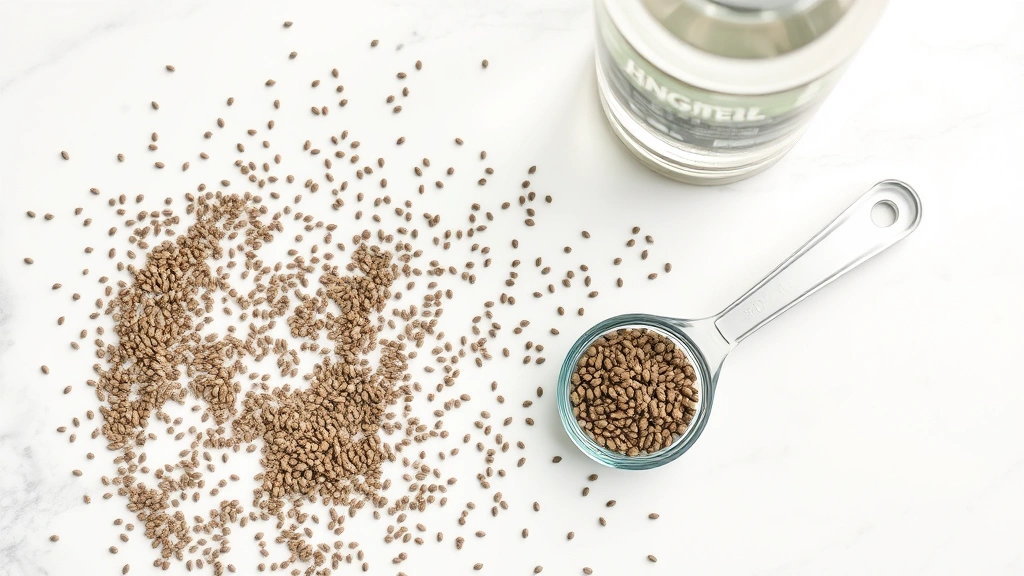
Selecting quality chia seeds significantly impacts your final product. Look for seeds that are dark black or gray, uniform in size, and free from debris. The American College of Sports Medicine recommends purchasing organic, non-GMO varieties when possible to ensure purity and maximum nutritional content. Store your chia seeds in an airtight container in a cool, dark place to maintain freshness and prevent oxidation of the beneficial oils.
Step-by-Step Chia Water Recipe
Basic Chia Water Recipe (Serves 1)
Ingredients:
- 1-2 tablespoons raw chia seeds
- 8-10 ounces filtered water
- Pinch of sea salt (optional)
Instructions:
- Measure your chia seeds: Pour one to two tablespoons of chia seeds into your glass. The amount depends on personal preference—start with one tablespoon if you prefer a lighter texture, or use two tablespoons for a thicker, more gel-like consistency.
- Add water: Pour eight to ten ounces of filtered water into the glass containing your chia seeds. Room temperature water works best initially, though you can add ice afterward if desired.
- Stir thoroughly: Immediately stir the mixture for about one minute. This prevents the seeds from clumping together at the bottom and ensures even hydration throughout the liquid.
- Wait five minutes: Allow the mixture to sit undisturbed for approximately five minutes. During this time, the chia seeds will begin absorbing water and developing their characteristic gel coating.
- Stir again: After five minutes, give the mixture another good stir to redistribute any settled seeds and break up clumps that may have formed.
- Taste and adjust: Sample your chia water. If you prefer it sweeter or more flavorful, add your desired additions at this point.
- Consume immediately or chill: Chia water tastes best when consumed fresh, but you can refrigerate it for up to 24 hours. Stir before drinking if separation occurs.
The entire preparation process takes approximately ten minutes from start to finish, making chia water an incredibly convenient addition to busy mornings or post-workout routines.
Flavor Variations and Combinations
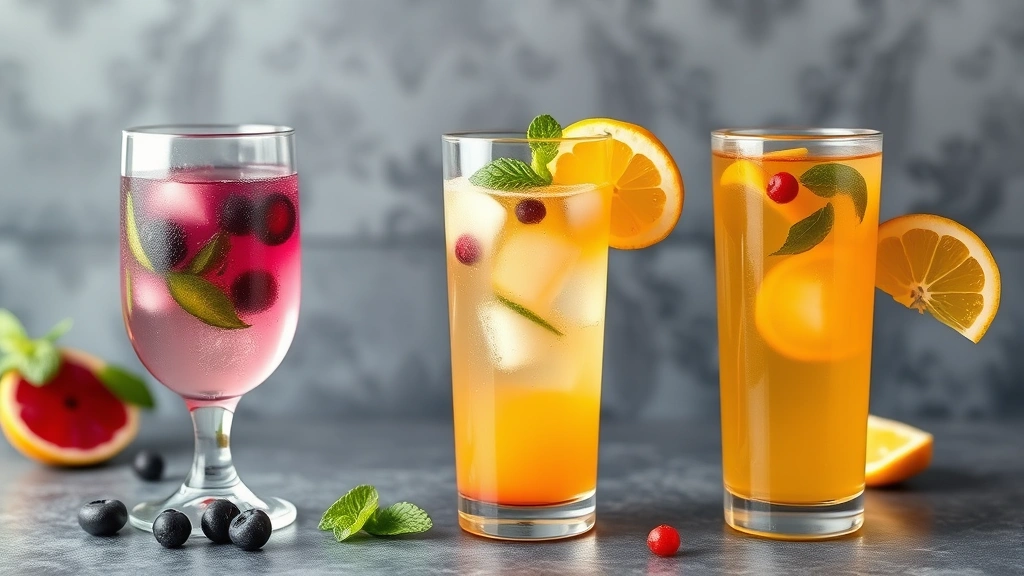
While plain chia water provides excellent hydration and nutrition, creative flavor variations transform it into an exciting beverage you’ll actually look forward to drinking. The neutral taste of chia seeds makes them incredibly versatile for flavor pairing.
Citrus Chia Water: Squeeze fresh lemon or lime juice into your chia water immediately after preparation. The citrus not only enhances flavor but also increases the bioavailability of certain minerals, allowing your body to absorb nutrients more efficiently. Add one to two tablespoons of fresh juice per serving.
Berry-Infused Chia Water: Blend fresh or frozen berries with a small amount of water, then strain the mixture to create a flavorful liquid base. Combine this berry juice with your chia seeds and additional water. Strawberries, blueberries, and raspberries all work wonderfully. This variation pairs excellently with healthy crockpot recipes as a refreshing counterbalance to warm meals.
Tropical Chia Water: Mix coconut water with chia seeds and add fresh pineapple juice or mango puree. This combination provides electrolytes from the coconut water plus the tropical flavors that make chia water feel like a treat rather than a health drink.
Herbal Chia Water: Brew a strong cup of herbal tea—chamomile, hibiscus, or green tea work exceptionally well—then cool it completely. Add your chia seeds to the cooled tea for a more complex flavor profile with added antioxidants.
Cucumber Mint Chia Water: Muddle fresh cucumber slices and mint leaves in your glass, add chia seeds, then pour water over the mixture. This creates a spa-like beverage perfect for summer hydration.
Honey-Sweetened Chia Water: If you prefer sweeter beverages, dissolve one to two teaspoons of raw honey or maple syrup in warm water, then add chia seeds once the water cools slightly. Raw honey provides additional enzymes and antimicrobial properties not present in processed sweeteners.
Experimentation is encouraged—try combining different fruits, herbs, and natural sweeteners to discover your perfect chia water recipe. Keep notes on your favorite combinations to replicate them easily.
Storage and Shelf Life Tips
Proper storage ensures your chia water remains fresh, safe, and nutritious. Understanding shelf life prevents waste and maintains optimal quality.
Refrigerator Storage: Prepared chia water keeps well in the refrigerator for up to 24 hours. Store it in a sealed glass container to prevent absorption of odors from other foods. Before drinking, give it a thorough stir since separation naturally occurs as the seeds settle.
Separation is Normal: Don’t be alarmed if your chia water separates into layers with seeds settling at the bottom and clearer liquid on top. This is completely normal and doesn’t indicate spoilage. Simply stir before consuming to redistribute the seeds evenly.
Freezing Chia Water: You can freeze prepared chia water in ice cube trays for convenient portioning. Once frozen, transfer the cubes to freezer bags. These frozen chia water cubes work wonderfully in smoothies or can be thawed for later consumption. However, the texture changes slightly upon freezing and thawing, so this method works best for blended preparations rather than drinking straight.
Dry Seed Storage: Keep unopened packages of chia seeds in a cool, dark pantry for up to two years. Once opened, transfer seeds to airtight glass containers and refrigerate to extend freshness up to four months. Proper storage prevents the oils in chia seeds from oxidizing, which degrades nutritional value.
Signs of Spoilage: Discard chia water if you notice an off smell, visible mold growth, or unusual discoloration. Spoiled chia seeds may develop a rancid odor due to oxidized oils. Trust your senses—when in doubt, throw it out.
Health Benefits Explained
Understanding the specific health benefits of chia water helps you appreciate why this simple beverage deserves regular consumption. The National Center for Biotechnology Information has published numerous studies documenting chia seed benefits.
Omega-3 Fatty Acids: Chia seeds contain alpha-linolenic acid (ALA), a plant-based omega-3 fatty acid. These essential fats support heart health, reduce inflammation, and contribute to brain function. A single tablespoon of chia seeds provides approximately 2.4 grams of omega-3s, rivaling some fish-based sources.
Digestive Health: The soluble fiber in chia seeds acts as a prebiotic, feeding beneficial gut bacteria and promoting digestive efficiency. This fiber also helps regulate bowel movements and may alleviate constipation. Regular chia water consumption supports a healthy microbiome, which influences everything from immunity to mental health.
Blood Sugar Regulation: Chia seeds’ high fiber and protein content slows carbohydrate digestion, preventing rapid blood sugar spikes. This makes chia water particularly beneficial for individuals managing diabetes or seeking sustained energy throughout the day.
Hydration Enhancement: The gel coating that forms when chia seeds absorb water helps your body retain fluids longer. This property makes chia water especially valuable for athletes, individuals in hot climates, or anyone struggling with adequate hydration.
Weight Management: Chia seeds expand in your stomach, creating a feeling of fullness that may reduce overall calorie intake. The combination of protein, fiber, and healthy fats makes chia water a satisfying beverage that doesn’t trigger energy crashes or subsequent overeating.
Nutrient Density: Beyond omega-3s and fiber, chia seeds provide magnesium, calcium, phosphorus, and manganese. These minerals support bone health, energy production, and various enzymatic processes essential for optimal body function.
Antioxidant Protection: Chia seeds contain polyphenols and other antioxidants that combat oxidative stress and free radical damage. This cellular protection may reduce disease risk and support longevity.
Common Mistakes to Avoid
Even with such a simple recipe, certain mistakes can diminish the quality and enjoyment of your chia water. Learning from these common pitfalls ensures success every time.
Using Too Many Seeds: Adding excessive chia seeds creates an unpleasantly thick, gelatinous drink that many find off-putting. Start with one tablespoon and increase gradually based on personal preference. More seeds don’t necessarily mean more benefits—moderation provides optimal results.
Neglecting to Stir Initially: Failing to stir immediately after adding water causes seeds to clump together at the bottom, creating uneven texture. Thorough initial stirring distributes seeds throughout the liquid for consistent hydration.
Using Hot Water: Adding chia seeds to hot water can damage some heat-sensitive nutrients. Use room temperature or cool water for maximum nutritional benefit. If you prefer warm beverages, prepare your chia water with cool water and drink it immediately, or warm it gently without bringing it to a boil.
Forgetting to Consume Fresh: While chia water stores adequately in the refrigerator, it tastes best when consumed within a few hours of preparation. The texture continues changing as seeds absorb more water, eventually becoming overly thick.
Overlooking Seed Quality: Purchasing low-quality, non-organic chia seeds from unreliable sources may introduce contaminants or provide inferior nutritional profiles. Invest in reputable brands that test for purity and provide transparent sourcing information.
Ignoring Individual Tolerance: Some individuals experience digestive sensitivity when consuming chia seeds, particularly if they’re unaccustomed to high fiber intake. Start with smaller portions—half a tablespoon—and gradually increase as your digestive system adapts.
Adding Sweeteners Excessively: While flavoring your chia water is encouraged, excessive added sugars undermine the health benefits. Use minimal sweeteners and prioritize naturally sweet additions like fruit juice or ripe berries.
Chia water complements many healthy eating patterns beautifully. If you enjoy preparing nutritious meals, you might also appreciate exploring fall recipes that incorporate whole ingredients and minimal processing.
Consistency is Key: Making chia water a daily habit maximizes health benefits. Rather than occasional consumption, regular daily intake allows your body to fully utilize the nutritional compounds present in chia seeds.
FAQ
How much chia water should I drink daily?
Most nutritionists recommend consuming one to two servings of chia water daily, with each serving containing one to two tablespoons of chia seeds. This amount provides adequate fiber and nutrients without overwhelming your digestive system. However, individual tolerance varies—listen to your body and adjust accordingly. Those new to chia seeds should start with smaller portions and gradually increase intake.
Can I make chia water the night before?
Yes, you can prepare chia water several hours in advance. However, prepare it no more than 24 hours before consumption for optimal freshness and texture. If making ahead, store it in the refrigerator in a sealed container. Give it a good stir before drinking, as separation naturally occurs during storage.
What’s the difference between chia seeds and chia water?
Chia seeds are the raw ingredient, while chia water is the prepared beverage. Chia water simply hydrates the seeds, allowing them to develop a gel coating and become more palatable. Both provide identical nutritional benefits, though some people find hydrated seeds easier to digest and consume.
Are there any side effects from drinking chia water?
Chia water is generally safe for most people. However, consuming excessive amounts may cause digestive discomfort, including bloating or constipation, particularly in those unaccustomed to high fiber intake. Individuals taking blood thinners should consult healthcare providers before regular chia consumption, as omega-3s have mild anticoagulant properties. Pregnant and nursing women should also seek professional guidance before significantly increasing chia seed intake.
Can children drink chia water?
Yes, children can safely consume chia water in age-appropriate portions. Start with very small amounts—a quarter to half tablespoon—mixed with juice or flavored water to encourage consumption. Ensure adequate water intake to prevent choking risk, as chia seeds absorb significant liquid. Consult pediatricians before introducing chia water to children under three years old.
Why do my chia seeds taste bitter?
Bitter-tasting chia seeds likely indicate oxidation or age. Purchase fresh seeds from reputable suppliers and store them properly in cool, dark conditions. Oxidized seeds lose nutritional value and develop unpleasant flavors. Always check purchase dates and smell seeds before buying—they should have a mild, neutral odor.
Can I blend chia water instead of soaking it?
Yes, blending chia seeds with water creates a smoother texture than soaking, though the resulting beverage differs slightly. Blended chia water may be easier for those who dislike the gel texture. However, soaking preserves more heat-sensitive nutrients than blending does. Choose whichever method aligns with your preferences and digestive comfort.
Is chia water better than coconut water?
Both beverages offer distinct benefits. Coconut water provides electrolytes and potassium, making it excellent for post-workout hydration. Chia water offers superior fiber and omega-3 content, supporting digestive and cardiovascular health. Rather than choosing one, consider alternating between them based on your current needs and activity level.


