Easy Healthy Crockpot Recipes: Dietitian-Approved Meals for Busy Lives
Crockpot cooking has revolutionized how busy families approach weeknight dinners. These humble countertop appliances work magic while you’re at work, running errands, or managing life’s chaos. The beauty of healthy crockpot recipes lies in their simplicity: load ingredients in the morning, return home to a complete meal, and enjoy restaurant-quality nutrition without the stress.
Dietitians consistently recommend slow cooker meals because they preserve nutrients better than high-heat cooking methods, require minimal added fats, and encourage whole-food ingredient choices. Whether you’re managing a specific diet, feeding a family of picky eaters, or simply seeking convenient meal solutions, crockpot cooking delivers results that satisfy both your schedule and your health goals.
This comprehensive guide walks you through everything you need to know about preparing nutritious crockpot meals, from selecting the right recipes to mastering essential techniques that ensure perfectly cooked dishes every single time.
Why Crockpot Cooking Works for Healthy Eating
Slow cooking represents one of the most underutilized nutritional advantages in modern kitchens. Unlike traditional cooking methods that can degrade vitamins and minerals through high heat exposure, crockpots maintain lower temperatures over extended periods. This gentle approach preserves heat-sensitive nutrients while breaking down tough connective tissues in lean proteins, making them tender without requiring added saturated fats.
The science behind crockpot nutrition is straightforward: collagen converts to gelatin slowly, creating naturally rich textures without cream or butter. Vegetables retain more vitamins when cooked at lower temperatures for moderate durations compared to boiling. Herbs and spices release their essential oils gradually, intensifying flavors without salt dependency. These characteristics make crockpots ideal for anyone seeking easy dinner recipes for beginners that don’t compromise nutritional integrity.
Meal planning becomes effortless with slow cookers. You eliminate decision fatigue by preparing components the night before, reducing reliance on takeout or processed convenience foods. The hands-off cooking method frees your evening for family time, exercise, or personal projects—critical components of overall wellness that extend beyond nutrition.
Cost-effectiveness represents another significant advantage. Budget-friendly cuts of meat become tender and flavorful through extended cooking. Bulk purchasing dried beans and legumes costs pennies compared to canned alternatives. Seasonal vegetables purchased at peak ripeness and price point deliver superior nutrition and flavor. These factors combine to make healthy crockpot recipes accessible regardless of financial constraints.
Dietitians recommend slow cookers for managing specific health conditions too. Low-sodium cooking becomes manageable when you control every ingredient—critical for hypertension management. Diabetic-friendly meals maintain stable blood sugar through balanced macronutrient combinations. Individuals managing autoimmune conditions appreciate the ability to avoid inflammatory oils and processed additives entirely.
Essential Tips for Success with Your Crockpot
Mastering crockpot fundamentals ensures consistent results that rival restaurant preparations. Understanding your specific appliance matters tremendously. Older models often run hotter than newer versions, affecting cooking times. Test your crockpot’s accuracy by filling it with water, setting it to low, and measuring temperature after one hour—it should reach 190°F. Adjust cooking times accordingly if your model runs hot or cold.
Layering ingredients strategically prevents common problems. Place harder vegetables like root vegetables and winter squash directly on the bottom, where they contact the heating element. Add proteins next, then softer vegetables and delicate ingredients toward the top. This arrangement ensures even cooking and prevents mushy textures in sensitive vegetables.
Liquid management requires attention that surprises newcomers. Crockpots trap steam, creating condensation that dilutes flavors significantly. Use 25-50% less liquid than traditional recipes call for. If your final dish seems too thin, remove the cover during the last 30 minutes to allow evaporation. Conversely, if you’re preparing vegetables with high water content, reduce added liquids by another 25%.
Browning meat before adding it to the crockpot develops complex flavors through Maillard reaction—those delicious browned bits that create depth. While not always necessary, this extra step elevates results noticeably, particularly in recipes serving more than four people. A quick sear in a skillet takes five minutes and transforms the final dish from good to extraordinary.
Dairy products require careful timing. Adding milk, cream, or cheese at the beginning results in curdled, separated sauces. Instead, stir in dairy during the final 30 minutes of cooking. For recipes with lengthy cooking times, add dairy in the last 15 minutes only. This prevents separation and maintains smooth, appealing textures.
Fresh herbs deserve special treatment too. Hardy herbs like rosemary, thyme, and bay leaves withstand extended cooking beautifully. Tender herbs like cilantro, basil, and dill should be added during the last 15 minutes or sprinkled on individual servings. This preserves their bright, fresh characteristics that make dishes feel vibrant.
Protein-Packed Crockpot Recipes
Lean proteins form the foundation of nutritious slow cooker meals. Chicken breast, once considered boring in crockpot preparations, becomes incredibly juicy when cooked properly. The key involves not overcooking—set your crockpot to low and cook for 4-5 hours rather than defaulting to eight-hour settings. Bone-in, skin-on chicken thighs offer superior flavor and stay moist longer, making them forgiving choices for less experienced cooks.
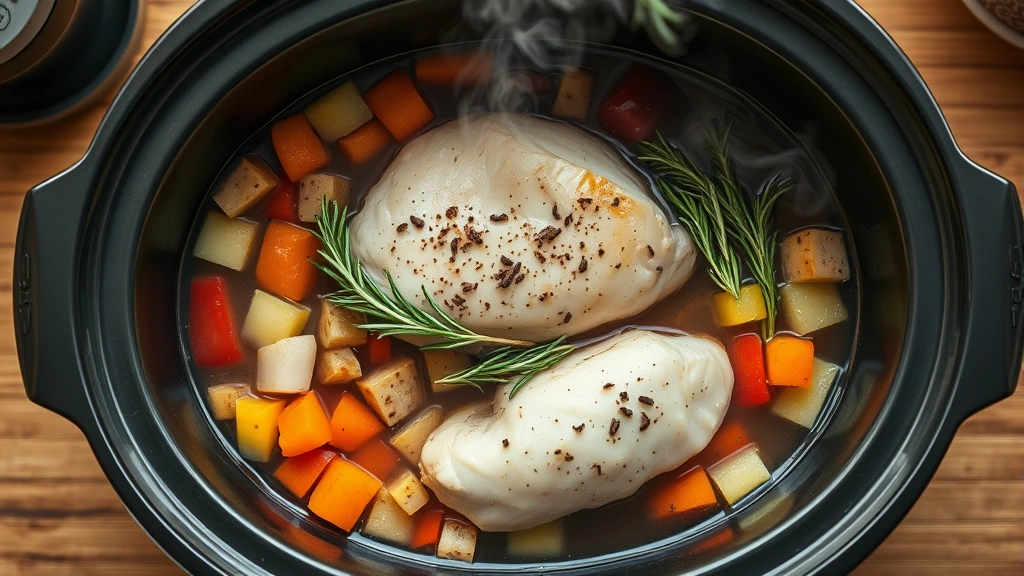
Try this approach: place chicken breasts on a bed of sliced onions and bell peppers. Add low-sodium broth, fresh lemon juice, minced garlic, and Italian herbs. Cook on low for 4 hours. The result shreds beautifully for grain bowls, can be sliced for salads, or stands alone with roasted vegetables. This basic formula adapts infinitely—swap herbs for Asian flavors, add salsa for Mexican inspiration, or incorporate curry paste for Indian-influenced variations.
Ground turkey and lean ground beef work wonderfully in crockpot preparations. Brown the meat first, then add to your cooker with vegetables and seasonings. Use this base for chili, pasta sauce, or taco filling. A three-pound batch provides four to six servings and stores beautifully for easy dinner recipes for beginners throughout the week.
Fish and seafood present challenges in crockpots since they cook quickly and become rubbery with extended heat. Instead, prepare seafood in the final 30 minutes by adding it raw to the cooker and covering. Alternatively, cook your base completely, then finish seafood in a separate skillet while plating. This hybrid approach lets you enjoy seafood’s nutritional benefits without texture disappointment.
Plant-based proteins deserve equal attention. Dried beans and lentils become tender and creamy in crockpots without the digestive distress often associated with canned varieties. Soak beans overnight, drain thoroughly, then add fresh water and aromatics to your cooker. Eight hours on low yields perfectly cooked beans with superior texture. Tofu works best when marinated first, then added during the final cooking phase to prevent mushiness.
Consider this hearty recipe: combine one pound dried chickpeas (soaked), diced tomatoes, vegetable broth, diced sweet potatoes, spinach, and Moroccan spices. Cook on low for 6-8 hours. Finish with fresh cilantro and a squeeze of lemon juice. This single dish provides complete protein when served over quinoa, delivering approximately 15 grams of protein per serving alongside 8 grams of fiber.
Vegetable-Forward Slow Cooker Dishes
Vegetables reach peak tenderness and flavor development in crockpots, making them ideal for anyone seeking to increase plant intake. Root vegetables like carrots, parsnips, and beets become naturally sweet and creamy without added fats. Cruciferous vegetables including broccoli and cauliflower develop nutty, complex flavors that convert skeptics into enthusiasts.
The key to vegetable success involves respecting cooking times. Hardy vegetables like potatoes, carrots, and winter squash need the full cooking duration to soften properly. More delicate vegetables like zucchini, asparagus, and leafy greens should be added during the final hour to prevent mushiness. Frozen vegetables generally require 30 minutes less cooking time than fresh varieties.
Create a Mediterranean vegetable stew by combining diced tomatoes, chickpeas, zucchini, eggplant, bell peppers, garlic, and herbs. Cook on low for 6 hours, then add fresh spinach during the final 15 minutes. Serve over whole grains or alongside crusty whole wheat bread. This single-pot meal delivers approximately 12 grams of fiber and numerous phytonutrients per serving.
Creamy vegetable soups emerge beautifully from crockpot preparation. Combine diced butternut squash, onions, vegetable broth, and sage. Cook on low for 6 hours, then blend until smooth using an immersion blender. Finish with a splash of coconut milk and fresh thyme. The result tastes indulgent while maintaining clean-label ingredients and minimal calories.
Stuffed vegetable preparations work wonderfully too. Halve bell peppers or tomatoes, hollow them slightly, and fill with a mixture of cooked grains, vegetables, and protein. Arrange in your crockpot with a thin layer of sauce on the bottom. Cook on low for 4-5 hours. The vegetables become tender while the filling heats through completely, creating an elegant presentation that impresses dinner guests.
One-Pot Complete Meals
True convenience emerges when your crockpot contains everything needed for a balanced, nutritious meal. These complete dishes eliminate side-dish preparation while ensuring proper macronutrient ratios that keep you satisfied and energized.
A classic example combines lean ground turkey, brown rice, diced vegetables, and low-sodium broth. Add frozen peas during the final 30 minutes. The result: one-pot, no-fuss dinner with protein, whole grains, and vegetables. Scale this formula by adjusting quantities—perfect for families or solo meal preppers alike.
Consider Mediterranean-inspired one-pot meals featuring chicken, farro, white beans, tomatoes, and spinach. These grain-based preparations deliver sustained energy through complex carbohydrates while providing plant-based fiber and protein combinations. Cook on low for 5-6 hours, allowing flavors to meld beautifully.
Asian-influenced bowls combine shredded chicken, cauliflower rice, edamame, and a ginger-based broth. Top with sliced green onions, sesame seeds, and a drizzle of low-sodium tamari. These lighter preparations suit warmer months while satisfying cravings for takeout without the excess sodium and oil.
Vegetarian chili transforms humble ingredients into a crowd-pleasing dish. Combine multiple bean varieties, diced tomatoes, bell peppers, onions, and spices. Cook on low for 6-8 hours. Top with Greek yogurt instead of sour cream, adding probiotics and protein while reducing fat. Serve alongside brown rice or whole wheat cornbread for a complete meal.
Breakfast and Brunch Options
Crockpots excel at breakfast preparation, allowing you to wake to ready-to-eat meals that beat grabbing processed options. Overnight oats prepared in your cooker emerge creamy and perfectly textured without the typical overnight-soaking wait.
Combine rolled oats, unsweetened almond milk, Greek yogurt, mashed banana, and cinnamon in your crockpot. Cook on low for 1-2 hours. The result tastes decadent while providing 20+ grams of protein per serving through yogurt and oats. Top with fresh berries and nuts before serving.
Egg casseroles work beautifully in crockpots too. Layer whole wheat bread cubes, sautéed vegetables, lean turkey sausage, and a mixture of beaten eggs combined with skim milk. Cook on low for 3-4 hours until set. This preparation serves 8-10 people, making it perfect for weekend entertaining or meal prep for busy weeks.
Fruit compotes and poached preparations emerge naturally from crockpot cooking. Combine mixed berries, diced stone fruits, and a splash of vanilla extract. Cook on low for 2-3 hours. Use this versatile topping for yogurt, oatmeal, or whole grain pancakes. The natural sweetness satisfies cravings without added sugars.
Consider steel-cut oats prepared overnight. Combine oats, water, and a pinch of sea salt in your crockpot before bed. Set to the lowest setting available. Wake to perfectly cooked oats requiring only the addition of milk, nuts, and fresh fruit. This approach saves 45 minutes of morning prep time while delivering superior nutrition compared to instant varieties.
Storage and Make-Ahead Strategies
Maximizing crockpot benefits requires understanding proper storage and preparation techniques. Most prepared crockpot meals store safely in the refrigerator for 3-4 days when cooled completely and placed in airtight containers. Freezing extends shelf life to 3 months, making batch cooking incredibly practical.
Prepare ingredient combinations the night before by assembling everything except liquid into freezer bags or containers. In the morning, thaw overnight in the refrigerator, add liquid, and set your cooker. This approach reduces morning stress while ensuring dinner readiness by evening.
Alternatively, freeze entire prepared meals. Cool completely, portion into individual containers, and freeze. Thaw in the refrigerator overnight, then reheat gently on the stovetop or in your microwave. This strategy eliminates weeknight cooking stress entirely during particularly demanding periods.
Label everything with contents and preparation dates. Organize your freezer with a simple inventory system—a notebook or smartphone app tracking what’s available prevents forgotten meals buried in the back.
Reheating requires gentle heat to prevent drying. Transfer refrigerated portions to a saucepan and warm over medium heat, stirring occasionally. Add a splash of broth or water if thickness seems excessive. Microwave reheating works too—use 50% power and stir frequently to ensure even heating.
Consider preparing double batches intentionally. Cook once, eat twice—a philosophy that reduces overall cooking time while ensuring balanced nutrition throughout the week. This approach particularly suits easy dinner recipes for beginners seeking confidence-building meal prep strategies.
Raw ingredient prep accelerates morning setup. Pre-chop vegetables the night before, measure dry ingredients, and portion proteins. These five minutes of evening preparation transform morning execution from chaotic to seamless. Glass containers with measured ingredients sit ready to transfer to your cooker.
Batch cooking dried beans and grains separately provides incredible flexibility. Cook a large batch of beans, cool, and freeze in portions. Repeat with brown rice, farro, or quinoa. These components combine with fresh vegetables and proteins in countless combinations, eliminating repetitive meals while maintaining convenience.
Broth selection significantly impacts final results. Homemade broth provides superior nutrition and flavor compared to store-bought varieties, but quality commercial options work beautifully too. Avoid broths containing added sugars or excessive sodium. Low-sodium versions allow you to control salt levels precisely.
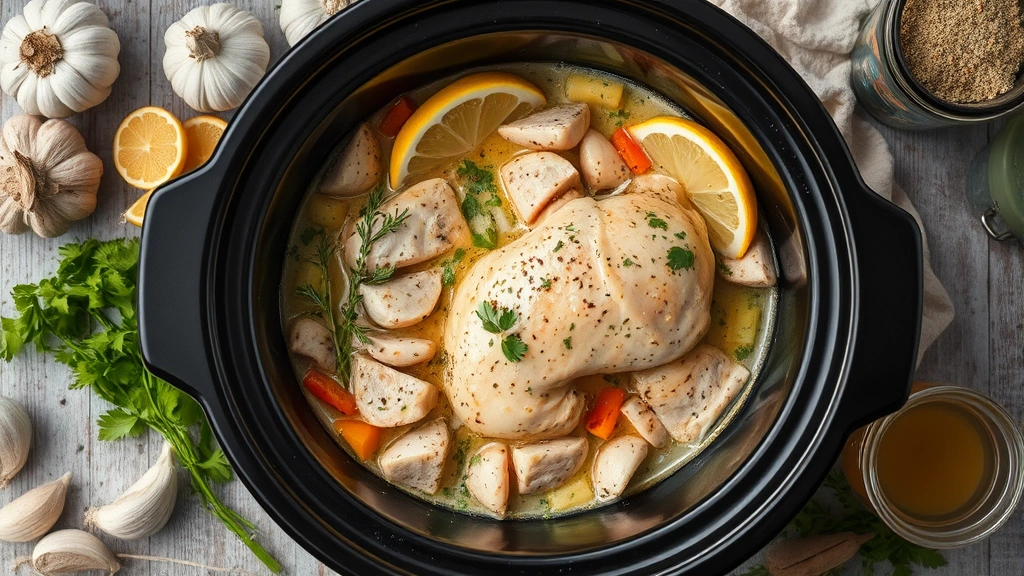
” alt=”Overhead view of creamy chicken and vegetables steaming in a crockpot, garnished with fresh herbs and lemon wedges, surrounded by ingredients including garlic, herbs, and broth containers”/>
Advanced Flavor Development Techniques
Elevating crockpot meals beyond basic preparations involves understanding how flavors develop and intensify during extended cooking. Aromatics—onions, garlic, and ginger—form the foundation of complex taste profiles. Sauté these briefly before adding to your cooker to wake up their essential oils and develop deeper, more nuanced flavors.
Spice blooming amplifies their impact significantly. Toast dried spices in a dry skillet for 30 seconds before adding to your crockpot. This technique releases aromatic compounds and prevents the raw, dusty taste that sometimes emerges from untoasted spices in slow-cooked dishes. Cumin, coriander, and chili powders particularly benefit from this approach.
Acid balancing prevents heavy, one-dimensional flavors. Add a squeeze of fresh lemon or lime juice, a splash of vinegar, or diced tomatoes during the final cooking phase. This brightness cuts through richness and makes all other flavors pop more vividly. A single tablespoon of acid transforms a good dish into an exceptional one.
Layering techniques prevent flavor monotony. Rather than adding all seasonings initially, divide them between the beginning and final cooking phases. Fresh herbs, acid, and delicate spices belong in the last 15 minutes. Heartier components like bay leaves, thyme, and dried chiles tolerate the full cooking duration beautifully.
Consider preparing a homemade salad dressing to drizzle over finished crockpot meals. A simple vinaigrette adds brightness and textural interest that complements soft, slow-cooked components perfectly. This finishing touch requires minimal effort while dramatically improving perceived quality.
Nutritional Considerations and Health Benefits
Crockpot cooking supports numerous dietary approaches and health goals. Low-carb enthusiasts appreciate the ability to skip grains entirely, loading cookers with vegetables and proteins instead. The gentle cooking method preserves nutrients without requiring added fats to prevent sticking.
High-protein diets benefit from crockpot’s efficiency in tenderizing lean proteins without adding calories through cooking fats. Poultry, fish, and plant-based proteins all cook beautifully while maintaining their nutritional profiles. Batch cooking proteins ensures consistent intake throughout the week.
Individuals managing blood sugar appreciate controlled macronutrient ratios possible through crockpot meal construction. Pairing proteins, healthy fats, and fiber-rich vegetables creates sustained satiety without blood sugar spikes. The hands-off cooking method eliminates reliance on processed convenience foods that typically contain added sugars.
Gut health enthusiasts benefit from increased fiber intake through bean-based and vegetable-forward preparations. Extended cooking breaks down fiber into forms more readily fermented by beneficial bacteria, potentially improving microbiome diversity. The natural gelatin from bone-based broths supports intestinal lining integrity.
Anti-inflammatory diets thrive with crockpot preparation. Omega-3 rich fish, antioxidant-packed vegetables, and herb-forward seasonings combine to create dishes supporting systemic inflammation reduction. The ability to avoid seed oils and processed ingredients makes crockpot cooking ideal for anyone managing autoimmune conditions.

” alt=”Close-up of steaming vegetable and lentil stew in a crockpot, showing colorful root vegetables, herbs, and garnishes with wooden spoon, natural lighting”/>
Frequently Asked Questions
Can I use a slow cooker if I’m on a strict budget?
Absolutely. Crockpots represent one of the most budget-friendly cooking methods available. Inexpensive cuts of meat become tender through extended cooking. Bulk dried beans and legumes cost pennies compared to canned alternatives. Seasonal vegetables purchased at peak ripeness maximize nutrition while minimizing expense. Many basic recipes require only water or low-cost broth, making this method ideal for anyone watching spending closely.
How do I prevent my crockpot meals from becoming mushy?
Proper layering and timing prevent mushiness. Place hardy vegetables directly on the heating element, delicate vegetables and proteins in the middle, and tender items near the top. Add dairy and fresh herbs during the final 30 minutes rather than at the beginning. Remove covers during the last 30 minutes if excess liquid has accumulated. These adjustments maintain appealing textures throughout.
Can I prepare raw ingredients the night before and refrigerate them?
Yes, this strategy works beautifully. Combine all ingredients except liquid in a container or freezer bag. Refrigerate overnight, then transfer to your crockpot and add liquid in the morning. This approach saves morning preparation time while ensuring dinner readiness by evening. Most combinations store safely this way for up to 24 hours.
What’s the difference between low and high settings?
Low settings cook at approximately 190°F, while high settings reach around 300°F. Low cooking takes twice as long as high but often produces superior texture and flavor development. High settings work for shorter cooking times—typically 4-6 hours versus 8-10 hours on low. Most recipes specify which setting works best; when given flexibility, low settings generally deliver more consistent results.
How can I make my crockpot meals taste less bland?
Layer flavors throughout cooking rather than adding everything initially. Toast spices before adding them. Sauté aromatics briefly to develop deeper flavors. Add acid—lemon juice, vinegar, or tomatoes—during the final cooking phase to brighten everything. Finish with fresh herbs, a drizzle of quality oil, or a squeeze of citrus. These techniques transform adequate meals into genuinely delicious ones.
Are crockpot meals appropriate for people with specific dietary restrictions?
Yes, crockpots offer incredible flexibility for numerous dietary approaches. Vegetarian and vegan diets benefit from bean-based and vegetable-forward preparations. Gluten-free cooking becomes simple when you control all ingredients. Low-sodium diets thrive with homemade broths and minimal added salt. Paleo approaches utilize crockpots for slow-cooked meats and bone broths. The ability to customize recipes makes crockpot cooking suitable for virtually any dietary need.
Can I double recipes without adjusting cooking times?
Doubling ingredients doesn’t require doubling cooking time, though it may require slight adjustments. Increased volume means slower heat penetration to the center, potentially adding 30 minutes to 1 hour to cooking time. Monitor doneness rather than relying solely on time—vegetables should be tender, proteins should reach safe temperatures, and flavors should be fully developed. Starting with standard time and extending as needed prevents overcooking.
What external resources help me master crockpot cooking?
The Academy of Nutrition and Dietetics provides evidence-based nutritional guidance for healthy slow cooker meal planning. America’s Test Kitchen offers thoroughly tested crockpot recipes and techniques verified through rigorous testing. Serious Eats provides detailed food science explanations for why certain techniques work. Food & Wine magazine features innovative crockpot recipes from professional chefs. These resources combine practical techniques with nutritional expertise to support your cooking journey.
Embracing crockpot cooking transforms how you approach weeknight dinners and meal planning generally. These simple appliances deliver restaurant-quality nutrition without requiring advanced culinary skills or extensive time commitment. Start with basic recipes, master fundamental techniques, and gradually explore more complex flavor combinations. Your future self—less stressed, better nourished, and genuinely enjoying dinner—will thank you for this investment in convenient, healthy cooking.


