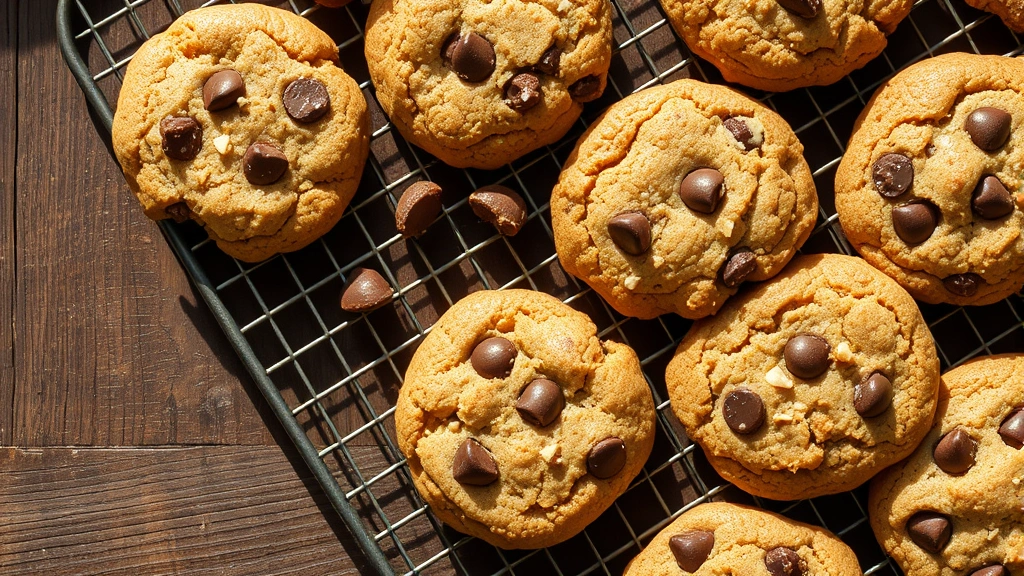
Cowboy Cookie Recipe: Grandma’s Secret Revealed!
There’s something magical about biting into a warm cowboy cookie fresh from the oven. These aren’t your ordinary chocolate chip cookies—they’re loaded with oats, pecans, chocolate chips, and a hint of caramel that makes them absolutely irresistible. My grandmother has been making these legendary treats for over forty years, and I’m thrilled to finally share her closely guarded secret with you.
The beauty of cowboy cookies lies in their rustic simplicity and generous mix-ins. They’re hearty enough to satisfy any sweet craving, yet elegant enough to serve at gatherings. Whether you’re a seasoned baker or just starting your culinary journey, this cowboy cookie recipe will become a family favorite in no time. Let’s dive into what makes these cookies so special and how you can recreate Grandma’s magic in your own kitchen.
What Are Cowboy Cookies?
Cowboy cookies are hearty, chunky cookies that epitomize comfort and indulgence. Unlike delicate butter cookies or thin crispy varieties, cowboy cookies are thick, chewy, and loaded with texture. The name itself evokes images of rugged, no-nonsense treats that stick to your ribs—much like a cowboy’s hearty meal after a long day on the range.
The classic composition includes rolled oats for structure and chewiness, chocolate chips for richness, pecans for crunch, and often a touch of caramel or toffee bits for that signature sweet depth. Some versions incorporate coconut, creating an even more decadent treat. The dough comes together quickly, and the baking process takes just 12-15 minutes, making these cookies perfect for weeknight baking sessions or last-minute gatherings.
What sets cowboy cookies apart from other cookie varieties is their generous ratio of mix-ins to dough. There’s barely enough batter to hold all the delicious ingredients together, which creates that rustic, chunky appearance and satisfying bite that cookie lovers crave. If you enjoy making other types of treats, you might also appreciate exploring quick and easy recipes that deliver impressive results with minimal effort.
Essential Ingredients Breakdown
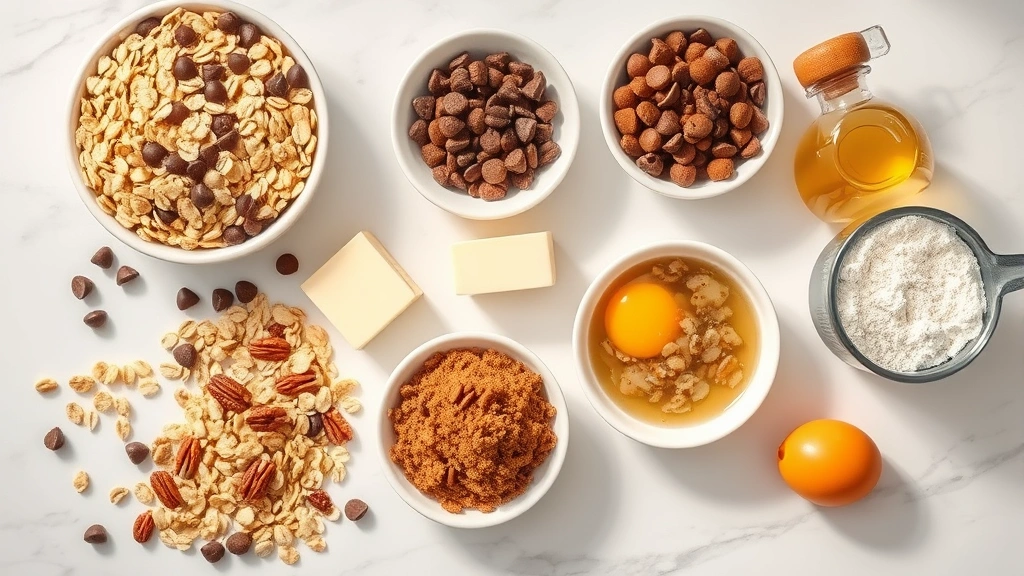
Understanding each ingredient’s role ensures you achieve the perfect cowboy cookie every time. Here’s what you’ll need and why it matters:
- Butter (1 cup, softened): The foundation of flavor and texture. Softened butter creams properly with sugar, creating a light, fluffy base. Use real butter—margarine won’t deliver the same rich taste.
- Brown sugar (1 cup, packed): Provides moisture, chewiness, and deep molasses flavor that white sugar cannot replicate. Pack it firmly when measuring.
- Granulated sugar (½ cup): Balances the brown sugar and helps create slight crispness on the edges while maintaining interior chewiness.
- Eggs (2 large): Bind ingredients together and contribute to lift and structure. Room temperature eggs mix more evenly into the batter.
- Vanilla extract (2 teaspoons): Enhances overall flavor complexity. Use pure vanilla extract for superior taste.
- All-purpose flour (2 cups): Provides structure. Don’t pack the flour when measuring—spoon and level for accuracy.
- Baking soda (1 teaspoon): Creates lift and helps cookies spread slightly. This is crucial for achieving the right texture.
- Salt (1 teaspoon): Amplifies sweetness and balances flavors. Don’t skip this ingredient.
- Rolled oats (2 cups, old-fashioned): The signature ingredient that gives cowboy cookies their distinctive chewiness and rustic appeal. Old-fashioned oats work better than instant varieties.
- Chocolate chips (1½ cups): Semi-sweet chips are traditional, though dark chocolate or milk chocolate work beautifully too.
- Pecans (1 cup, chopped): Adds crunch and nutty flavor. Walnuts or almonds are excellent substitutes if you prefer.
- Toffee bits (¾ cup) or caramel chips (¾ cup): Grandma’s secret ingredient! These provide pockets of sweet caramel flavor that make these cookies unforgettable.
For a deeper understanding of ingredient quality and sourcing, check out resources like the Serious Eats ingredient guide or the King Arthur Baking Company, which offer detailed information about baking ingredients.
Step-by-Step Instructions
Preparation Phase:
- Preheat your oven to 350°F (175°C). Line baking sheets with parchment paper or silicone baking mats. This prevents sticking and ensures even browning.
- In a small bowl, whisk together flour, baking soda, and salt. Set aside. This dry mixture is ready to incorporate when needed.
Creaming the Base:
- In a large mixing bowl, combine softened butter, packed brown sugar, and granulated sugar. Using an electric mixer on medium speed, beat for 3-4 minutes until the mixture is light, fluffy, and pale. This creaming process is essential for proper texture.
- Add eggs one at a time, beating well after each addition. The mixture should be smooth and homogeneous.
- Add vanilla extract and mix until fully incorporated. Scrape down the bowl’s sides to ensure everything is evenly combined.
Combining Dry Ingredients:
- Gradually add the flour mixture to the wet ingredients, mixing on low speed. Don’t overmix—stop as soon as no flour streaks remain. Overmixing develops gluten, which can make cookies tough.
Folding in the Mix-Ins:
- Stir in rolled oats using a wooden spoon or sturdy spatula. The dough will become thick and require some elbow grease.
- Fold in chocolate chips, chopped pecans, and toffee or caramel bits. The dough should be chunky and loaded with ingredients—this is exactly what you want.
Baking:
- Drop rounded tablespoons of dough onto prepared baking sheets, spacing them about 2 inches apart. These cookies spread slightly during baking.
- Bake for 12-15 minutes, until edges are golden brown but centers still appear slightly underdone. This is the key to achieving chewy centers with crispy edges.
- Remove from oven and let cookies cool on the baking sheet for 5 minutes before transferring to a wire cooling rack. This resting period allows them to set without becoming too hard.
The entire process from start to finish takes approximately 30-35 minutes, making cowboy cookies ideal for spontaneous baking urges. If you enjoy the satisfaction of homemade treats, you might also love exploring homemade cooking techniques in other culinary areas.
Pro Tips for Perfect Results
Temperature Matters: Room temperature ingredients mix more smoothly and create better texture. Remove butter and eggs from the refrigerator 30 minutes before baking. This simple step significantly improves results.
Don’t Overbake: Underbaking slightly is the secret to chewy cookies. They’ll continue cooking on the hot pan after removal from the oven. Cookies that look slightly underdone at 12 minutes will be perfect once cooled.
Use Quality Mix-Ins: Invest in good chocolate chips and fresh nuts. Stale ingredients produce disappointing results. Store nuts in the freezer to maintain freshness.
Measure Accurately: Use a kitchen scale for precision, or spoon flour into measuring cups and level with a knife. This prevents using too much flour, which dries out cookies.
Chill the Dough: If your dough is too soft, refrigerate for 15-30 minutes. This makes scooping easier and helps cookies maintain their shape during baking.
Rotate Baking Sheets: If baking multiple sheets simultaneously, rotate them halfway through baking for even browning. Not all ovens heat evenly.
Use Parchment Paper: This eliminates guesswork about sticking and browning. It’s an inexpensive investment that transforms baking results.
Variations and Customizations
Chocolate-Lover’s Version: Increase chocolate chips to 2 cups and add ½ cup cocoa powder to the dry ingredients. This creates a more chocolate-forward cookie that chocolate enthusiasts will adore.
Coconut Cowboy Cookies: Add 1 cup shredded unsweetened coconut along with the other mix-ins. This creates a tropical twist on the classic recipe.
White Chocolate and Macadamia: Replace semi-sweet chocolate chips with white chocolate and swap pecans for macadamia nuts. This variation is elegant and slightly more indulgent.
Maple Pecan Version: Replace vanilla extract with maple extract and add ¼ teaspoon ground cinnamon to the dry ingredients. Use maple-flavored chips if available.
Salted Caramel Cowboy Cookies: Double the caramel or toffee bits and sprinkle each cookie with a pinch of fleur de sel before baking. The salt enhances the caramel’s sweetness.
Gluten-Free Option: Substitute all-purpose flour with a 1:1 gluten-free baking blend. The results are nearly identical to traditional cookies.
The versatility of this cowboy cookie recipe means you can adapt it to your preferences and dietary needs. Just like you might customize recipes with shredded chicken or Mexican chicken recipes, you can adjust this cookie base to suit your taste.
Storage and Shelf Life
Room Temperature Storage: Place cooled cookies in an airtight container with parchment paper between layers. They’ll stay fresh for 5-7 days at room temperature. Adding a slice of bread to the container helps maintain moisture.
Freezer Storage: Freeze baked cookies in an airtight container for up to 3 months. Thaw at room temperature for 30 minutes before serving. Alternatively, freeze cookie dough for up to 2 months and bake as needed.
Optimal Freshness: Cowboy cookies taste best within the first 3 days of baking, when they’re still chewy and flavorful. After that, they gradually dry out, though they remain tasty.
Reviving Stale Cookies: Microwave stale cookies for 10-15 seconds to restore chewiness. This brief heating softens the texture without cooking them further.
Gift-Giving: Package cookies in decorative tins or boxes with parchment paper separation. Include a card noting storage instructions. Homemade cookies make thoughtful, delicious gifts that show genuine care.
FAQ
Can I make cowboy cookies without toffee bits?
Yes, toffee bits are Grandma’s secret ingredient, but cookies are still delicious without them. Increase chocolate chips to 2 cups or add caramel chips instead. Some people use butterscotch chips or even chopped Snickers bars for similar sweet depth.
What’s the difference between old-fashioned and instant oats?
Old-fashioned oats are larger and create more texture, while instant oats are finely ground and create a smoother, denser cookie. For cowboy cookies, old-fashioned oats are superior because they maintain their structure and provide the rustic, chunky texture these cookies are known for.
Can I use salted butter instead of unsalted?
You can, but reduce the salt in the recipe to ½ teaspoon. This prevents the cookies from becoming overly salty. Unsalted butter gives you better control over the final salt content.
Why are my cookies spreading too much?
Spreading occurs when dough is too warm or contains too much sugar. Chill the dough for 15-30 minutes before baking. Also, ensure your oven temperature is accurate using an oven thermometer. If baking soda is old or expired, replace it—it loses potency over time.
How do I know when cookies are done baking?
The edges should be golden brown while centers appear slightly underdone. Remove cookies when they look slightly raw in the middle—they’ll continue cooking on the hot pan. This technique ensures chewy centers.
Can I double this recipe?
Absolutely. Simply double all ingredients. The baking time remains the same, but you’ll need to bake in batches. This recipe makes approximately 36 cookies, so doubling yields about 72 cookies.
What type of chocolate chips work best?
Semi-sweet chips are traditional, but dark chocolate, milk chocolate, or a combination all work beautifully. Some bakers prefer chocolate chunks over chips for larger bites of chocolate. Experiment to find your preference.
Is there a vegan version of this recipe?
Yes. Substitute butter with vegan butter, eggs with flax eggs (1 tablespoon ground flaxseed mixed with 3 tablespoons water per egg), and ensure chocolate chips and toffee bits are dairy-free. The results are remarkably similar to traditional versions.
Can I add spices like cinnamon or nutmeg?
Definitely. Add ½-1 teaspoon ground cinnamon and ¼ teaspoon ground nutmeg to the dry ingredients. These warm spices complement the chocolate and caramel beautifully.
Why should I use parchment paper?
Parchment paper prevents sticking, ensures even browning, and eliminates cleanup. It’s inexpensive and reusable, making it a worthwhile investment for any baker. Silicone baking mats are an equally effective alternative.


