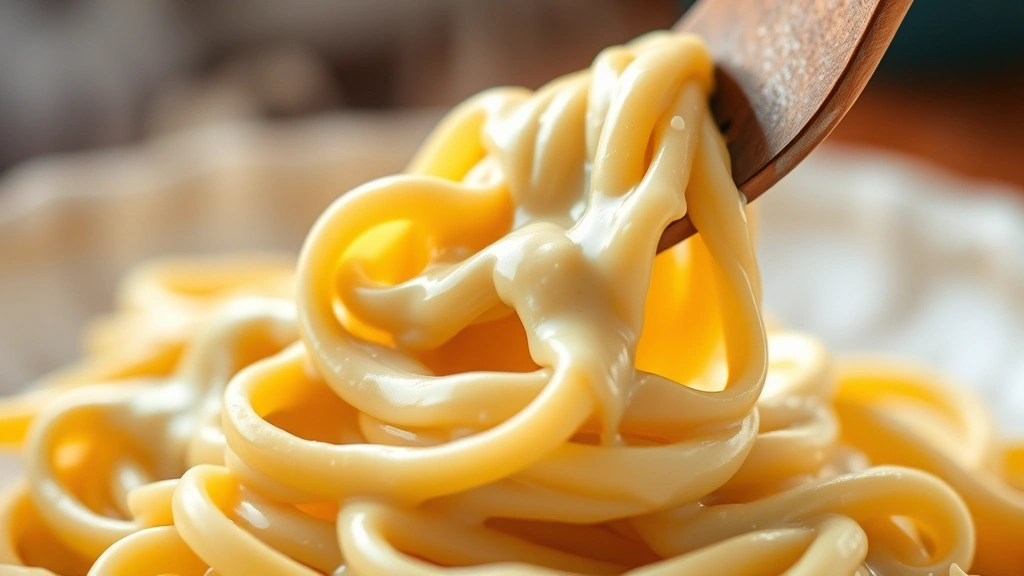
Creamy Pasta Delight: Chef’s Secret Recipe for Restaurant-Quality Results
There’s something undeniably magical about a bowl of creamy pasta that tastes like it came straight from an Italian trattoria. The silky sauce coating each strand, the perfect balance of richness and flavor, the way it melts on your tongue—this is the experience every home cook dreams of recreating. Whether you’re planning a weeknight dinner or impressing guests, mastering the art of creamy pasta is a skill that transforms ordinary ingredients into extraordinary meals. This comprehensive guide reveals the professional techniques and insider secrets that separate mediocre pasta from truly exceptional creamy pasta dishes.
The beauty of creamy pasta lies in its apparent simplicity masking genuine complexity. Most people believe creating restaurant-quality creamy sauce requires fancy ingredients or complicated procedures. In reality, the secret lies in understanding the fundamental principles of sauce emulsification, proper pasta cooking techniques, and the strategic timing of ingredient additions. Throughout this guide, you’ll discover exactly how professional chefs achieve that coveted velvety texture and depth of flavor that keeps diners coming back for more.
Choosing the Right Ingredients
The foundation of any exceptional creamy pasta dish begins with ingredient selection. Unlike quick weeknight meals, achieving true culinary excellence requires understanding what each component contributes to the final dish. Professional chefs obsess over ingredient quality because they understand that shortcuts in this area inevitably compromise results.
Cream Selection: Not all cream is created equal. Heavy cream with a fat content of 36-40% provides the ideal consistency for pasta sauces. Avoid ultra-pasteurized cream when possible, as the high-heat treatment can affect emulsification properties. Crème fraîche offers a sophisticated alternative, adding subtle tang and improved stability. Some chefs prefer a combination of whole milk and butter to achieve a lighter yet still luxurious texture—a technique particularly useful when creating best healthy food recipes without sacrificing flavor.
Cheese Considerations: Freshly grated cheese from whole blocks melts more smoothly than pre-grated varieties, which contain anti-caking agents that interfere with sauce consistency. Parmigiano-Reggiano provides the classic sharp, nutty flavor that defines traditional creamy pasta. Pecorino Romano offers bolder character, while a combination of both delivers complexity. Room-temperature cheese integrates more smoothly into warm sauces than cold cheese straight from refrigeration.
Butter Quality: European-style butter with higher fat content (82-86%) creates superior sauce texture compared to standard American butter (80% fat). The additional butterfat contributes to that luxurious mouthfeel characteristic of restaurant-quality preparations. Clarified butter or ghee can substitute in some applications, though they impart different flavor profiles.
Flavor Components: Fresh garlic, quality sea salt, white pepper, and fresh herbs form the aromatic backbone. Nutmeg—used judiciously—rounds out flavors and adds professional polish. Fresh parsley, basil, or chives added at the final moment brighten the dish. Some chefs incorporate pancetta, prosciutto, or mushrooms for depth, transforming simple cream sauce into more complex preparations.
Pasta Selection and Cooking
Many home cooks overlook pasta preparation, yet this step dramatically impacts final results. Professional kitchens recognize that properly cooked pasta serves as the canvas for sauce application, and improper cooking ruins even the finest sauce.
Shape Matters: Different pasta shapes interact with cream sauce differently. Long, thin pastas like fettuccine and linguine allow sauce to coat individual strands uniformly. Pappardelle’s wide ribbons capture sauce generously. Penne rigate’s ridges grip creamy sauce better than smooth varieties. Shorter shapes like farfalle work beautifully but require slightly thicker sauce consistency. Match your chosen pasta to sauce weight—thinner sauces suit delicate pastas, while substantial sauces pair with sturdier shapes.
Cooking Technique: Begin with abundantly salted water—it should taste like the sea. This is your only opportunity to season the pasta itself. Bring water to a vigorous rolling boil before adding pasta, ensuring even cooking. Stir immediately and occasionally during cooking to prevent sticking. Follow package directions but begin testing two minutes before the suggested time. The goal is al dente: tender with slight resistance when bitten, not soft or mushy.
The Starch Advantage: Reserve at least one cup of pasta cooking water before draining. This starchy liquid is liquid gold for sauce adjustment. The starch helps emulsify sauce, adjust consistency, and allows flavors to meld. Professional chefs always keep this water nearby when finishing creamy pasta dishes. A single tablespoon can transform a broken, separated sauce into something silky and cohesive.
Timing Coordination: Have your sauce ready or nearly ready when pasta reaches al dente. Finished pasta shouldn’t sit waiting, as it continues cooking and loses optimal texture. The transition from pot to pan to plate should happen quickly, preserving heat and texture.
Building Your Sauce Foundation
The classical French technique of building sauce through stages creates the professional results you’re after. This isn’t complicated, but it requires attention and proper sequencing.
Step One: Aromatics: Begin by melting butter over medium heat. Add minced garlic and cook gently for 30-60 seconds until fragrant but not browned. Browning garlic creates bitterness that undermines delicate cream sauces. Some recipes add finely minced shallot for additional sophistication. This aromatic base takes mere minutes but establishes flavor foundation.
Step Two: Wine Reduction (Optional but Recommended): Add dry white wine—approximately ¼ to ½ cup—and let it simmer until reduced by half. This concentrates wine flavor while cooking off harsh alcohol notes. The acidity brightens the sauce and prevents it from tasting one-dimensional. If omitting wine, this step can be skipped without disaster, but the result lacks professional depth. This technique applies whether you’re creating how to make homemade sauces or specialized preparations.
Step Three: Cream Introduction: Reduce heat to medium-low before adding cream. This prevents cream from breaking or separating. Pour cream slowly while stirring gently and continuously. The slower introduction allows cream to incorporate smoothly. High heat causes cream proteins to denature, resulting in a grainy, broken sauce that cannot be rescued. If you’re using milk instead of cream, add it even more gradually and maintain careful temperature control.
Step Four: Cheese Integration: Once cream reaches gentle simmer, reduce heat to low. Remove from heat and add grated cheese gradually while stirring constantly. The residual heat melts cheese without cooking it excessively. Overheated cheese becomes grainy and separates. Stir until completely smooth before returning to low heat if needed. Never allow cheese-enriched sauce to boil.

Emulsification Secrets: The Professional’s Edge
Understanding emulsification transforms your creamy pasta from good to exceptional. Emulsification is the process of combining ingredients that normally don’t mix—like oil and water—into a stable, uniform consistency. Cream sauce emulsification depends on proper technique and ingredient interaction.
Fat and Starch Partnership: Pasta starch and cream fat form the emulsion foundation. When pasta water (containing starch) combines with cream (containing fat), the starch acts as an emulsifier, helping these normally incompatible components merge. This is why reserved pasta water proves invaluable. A tablespoon or two transforms a separated sauce into silky smoothness.
Temperature Control: Emulsions break at high temperatures. Maintain medium to medium-low heat throughout sauce preparation. If your sauce breaks—appearing grainy or separated—reduce heat immediately and whisk in a tablespoon of cold cream or pasta water. The temperature reduction allows the emulsion to re-establish. Patience and low heat create stable sauces that hold together from stovetop to table.
Mechanical Action: Continuous stirring during sauce preparation ensures proper emulsification. Stirring incorporates air, distributes heat evenly, and helps fat and liquid combine. Use a wooden spoon or whisk, maintaining constant motion without aggressive beating. Gentle, consistent stirring proves more effective than vigorous whisking.
Timing Matters: Add pasta to sauce at the right moment—when sauce is just finished but still warm and pliable. The residual heat from pasta and sauce together allows final emulsification and flavor melding. Toss pasta and sauce together for 1-2 minutes, allowing starch from pasta coating to further stabilize the sauce. This final step is when the dish truly comes together.
Flavor Building Techniques
Beyond basic creamy sauce, professional preparations employ layered flavor building that creates complexity and interest in every bite.
Umami Development: Umami—the savory fifth taste—elevates creamy pasta from pleasant to memorable. Incorporate umami through Parmigiano-Reggiano (naturally high in glutamates), a splash of chicken or vegetable stock, or optional additions like mushrooms, pancetta, or prosciutto. Even a teaspoon of tomato paste adds subtle umami depth without making sauce taste tomato-forward. These elements shouldn’t announce themselves but rather create rounded, satisfying flavor.
Acid Balance: A squeeze of fresh lemon juice at the final moment brightens cream sauce and prevents it from feeling heavy. The acid doesn’t make sauce taste sour but rather clarifies and enhances existing flavors. Start with ½ teaspoon, taste, and adjust. This simple addition separates amateur from professional preparations.
Spice and Heat: White pepper, freshly grated nutmeg, and subtle red pepper flakes add complexity without harshness. These additions should be barely perceptible—enhancing rather than dominating. Nutmeg particularly transforms cream sauce when used in tiny quantities (⅛ teaspoon for four servings). The warmth and slight sweetness of nutmeg creates a professional, polished flavor.
Fresh Herb Integration: Fresh herbs added at the finish—not during cooking—preserve their vibrant flavor and color. Parsley, basil, chives, and tarragon all work beautifully. Tear delicate herbs like basil rather than chopping them, which bruises leaves and causes oxidation. Stirring herbs into sauce just before plating ensures maximum flavor impact.
Protein Considerations: If incorporating proteins, cook them separately and add to sauce during final assembly. Pancetta or prosciutto can be rendered for fat, which flavors the sauce. Mushrooms should be sautéed until golden before sauce assembly. Proteins cooked separately maintain proper texture and don’t interfere with sauce emulsification.
Variations and Adaptations
The creamy pasta foundation accommodates countless variations, allowing you to explore different cuisines and flavor profiles while maintaining professional technique.
Mushroom Variation: Sauté sliced mushrooms (cremini, shiitake, or porcini) in butter until golden. Remove mushrooms, then proceed with standard sauce preparation in the same pan. Return mushrooms to sauce during final assembly. This creates earthy, sophisticated pasta that works beautifully as a vegetarian main course or elegant side dish.
Seafood Preparations: Shrimp, scallops, or crab work beautifully in creamy sauce. Cook seafood separately to avoid overcooking, then fold into finished sauce. A splash of dry white wine and fresh lemon juice enhance seafood preparations. Some recipes incorporate a touch of Dijon mustard, which complements seafood without overpowering delicate flavors.
Prosciutto and Pea Classic: Cook diced prosciutto to render fat, then proceed with sauce preparation. Add frozen peas during the final minute of cooking. This classic combination—salty prosciutto, sweet peas, and creamy sauce—delivers comfort and sophistication simultaneously.
Herb-Forward Approach: Reduce cream slightly and add generous fresh herbs—basil, parsley, chives—for lighter, fresher preparations. This style works wonderfully in warmer months and appeals to those seeking best healthy food recipes without sacrificing indulgence.
Spicy Variations: Add red pepper flakes or a touch of cayenne for heat. Fresh chili peppers can be incorporated for more substantial spice. Balance heat with a squeeze of lemon and sweet elements like a pinch of sugar. This creates dynamic, interesting pasta that appeals to spice enthusiasts.
Seasonal Adaptations: Summer calls for lighter preparations with fresh vegetables and herbs. Fall recipes often incorporate roasted vegetables, sage, and nutmeg for warmth. Winter preparations benefit from richer additions like truffle oil, wild mushrooms, or concentrated meat stocks. Spring suggests fresh peas, asparagus, and delicate herbs.
Common Mistakes to Avoid
Even with proper technique, certain pitfalls can derail creamy pasta preparations. Understanding these mistakes allows you to navigate them successfully.
Excessive Heat: The number one mistake home cooks make is cooking sauce at too high temperature. This breaks emulsions, causes cream to curdle, and results in grainy texture. Maintain medium to medium-low heat throughout. If sauce appears to be breaking, immediately reduce heat and whisk in cold cream or pasta water.
Overcrowding the Pan: Adding too much pasta to too little sauce creates stodgy, gluey results. Sauce should generously coat pasta with slight pooling at the pan bottom. Typical proportions use 1 pound pasta with 1½ to 2 cups finished sauce. Adjust based on your preference for sauciness.
Forgetting Pasta Water: This starchy liquid proves invaluable for adjusting sauce consistency and ensuring proper emulsification. Never drain pasta into a colander without reserving water. Keep it nearby when finishing the dish.
Adding Cold Ingredients: Cold cheese, cold cream, or cold pasta all interfere with proper emulsification. Bring ingredients to room temperature before incorporating into warm sauce. This simple step dramatically improves results.
Underseasoning: Cream masks seasoning, requiring more salt and pepper than you might initially think necessary. Taste frequently and season aggressively. Remember that you can always add more salt but cannot remove it. Build seasoning gradually, tasting after each addition.
Cooking Pasta Too Far in Advance: Finished pasta shouldn’t sit waiting. The final transition from pot to sauce to plate should happen quickly. Pasta continues cooking even after draining, gradually becoming soft and losing its pleasant texture. Time your sauce to be ready when pasta reaches al dente.
Using Low-Quality Cheese: Pre-grated cheese contains anti-caking agents that prevent smooth melting. The difference between freshly grated and pre-grated cheese proves dramatic in creamy preparations. Take the extra minute to grate cheese yourself from a block.
FAQ
Can I make creamy pasta sauce ahead of time?
Partially, yes. You can prepare the aromatic base and wine reduction several hours ahead, storing in the refrigerator. However, add cream and cheese only immediately before serving. Refrigerated cream sauce can separate and requires careful reheating. Reheat gently over low heat, whisking frequently and adding splashes of pasta water if needed to restore silky consistency. For best results, complete sauce assembly within 30 minutes of serving.
What should I do if my sauce breaks or separates?
Don’t panic—broken sauce can be rescued. Remove from heat immediately and whisk in a tablespoon of cold cream or pasta water. The temperature reduction helps re-establish emulsification. Continue whisking until smooth. If this doesn’t work, try whisking in an additional tablespoon of cold heavy cream. Some chefs add a tiny pinch of cornstarch slurry (cornstarch whisked with cold water) to stabilize the sauce, though this slightly changes texture.
Can I use milk instead of cream?
Yes, though results differ slightly. Whole milk creates lighter sauce with less richness. Use whole milk rather than lower-fat varieties, and incorporate it more slowly and carefully than cream, maintaining lower heat. You may need additional butter to compensate for reduced fat content. Some cooks use a combination of milk and cream for balance—achieving richness without excessive heaviness.
How do I prevent my pasta from getting mushy?
Cook pasta to al dente according to package directions, beginning testing 2 minutes before the suggested time. Taste frequently—you want slight resistance when bitten. Drain pasta immediately when ready; don’t let it sit in hot water. Have your sauce ready so you can combine pasta and sauce quickly. The final tossing should happen within a minute of draining pasta.
Should I add pasta water to the sauce?
Absolutely. Pasta water’s starch content helps emulsify sauce and adjust consistency. Add it gradually—a tablespoon at a time—while stirring constantly. Too much pasta water thins sauce excessively; too little prevents proper emulsification. Start with one tablespoon and increase as needed. This step often makes the difference between separated and silky sauce.
What’s the best way to reheat leftover creamy pasta?
Reheat gently in a skillet over low heat, stirring frequently. Add a splash of pasta water, whole milk, or cream to restore moisture and silky texture. Never use high heat, which breaks the emulsion. Stir constantly for 3-5 minutes until heated through. For best results, add fresh herbs and a squeeze of lemon juice after reheating to brighten flavors.
Can I make creamy pasta with non-dairy alternatives?
Yes, though technique requires adjustment. Coconut milk, cashew cream, or oat milk can substitute for dairy cream. These alternatives have different emulsification properties, so reduce heat slightly and stir constantly. Add these ingredients more slowly than dairy cream. Non-dairy cheese alternatives vary in quality; test your preferred brand beforehand. Results differ from traditional preparations but can be excellent with proper technique.
How much sauce do I need for pasta?
Typical proportions use 1 pound dried pasta with 1½ to 2 cups finished sauce. This creates generously sauced pasta with slight pooling at the pan bottom. Personal preference varies—some prefer saucier preparations, others like less sauce. Start with these proportions and adjust based on preference. Remember that sauce continues coating pasta as you eat, so initial appearance may seem saucier than final bites.


