How to Make Crème Fraîche? Chef’s Guide
Crème fraîche is one of the most elegant and versatile ingredients in French cuisine, yet it remains surprisingly simple to make at home. This luxurious cultured cream transforms ordinary dishes into restaurant-quality meals with its rich, tangy flavor and velvety texture. Whether you’re topping seafood recipes with a dollop of sophistication or enriching sauces for healthy chicken recipes, homemade crème fraîche elevates every dish. The beauty of making crème fraîche from scratch is that you control the quality of ingredients and can customize the tanginess to your preference.
Unlike sour cream, which is thinner and more acidic, crème fraîche has a higher fat content and a milder, more complex flavor profile. It doesn’t curdle when heated, making it perfect for finishing hot dishes, soups, and sauces. In just a few minutes of active preparation and 8-24 hours of passive culturing, you’ll have a creamy condiment that costs a fraction of store-bought versions. This guide walks you through every step, from selecting the right ingredients to troubleshooting common issues.
Understanding Crème Fraîche Chemistry
Crème fraîche is created through a fermentation process that transforms heavy cream into a thickened, tangy product. The magic happens when beneficial bacteria (specifically lactic acid bacteria) consume lactose in the cream and produce lactic acid as a byproduct. This acid lowers the pH of the cream, causing the milk proteins to denature and create that signature thick texture. Unlike pasteurized sour cream, which relies on added bacterial cultures, traditional crème fraîche develops naturally when raw or unpasteurized cream is left at room temperature.
The high fat content of crème fraîche—typically 35-40%—is crucial to its character. This fat prevents the product from becoming too sour while maintaining a creamy mouthfeel. The fermentation process also creates complex flavor compounds that give crème fraîche its distinctive taste, which is more subtle and refined than the sharp tang of sour cream. Understanding this chemistry helps you troubleshoot problems and achieve consistent results every time.
Temperature control is the most critical factor in successful crème fraîche production. The culturing bacteria work optimally between 68-75°F (20-24°C). Too cold, and fermentation slows dramatically; too warm, and you risk unwanted bacterial growth or over-souring. This is why many French cooks traditionally made crème fraîche in cool cellars or during cooler months.
Essential Ingredients and Equipment
Ingredients:
- Heavy cream (1 cup) – preferably not ultra-pasteurized
- Buttermilk (2 tablespoons) – or fresh sour cream with active cultures
- Salt (optional) – 1/4 teaspoon for flavored crème fraîche
The quality of your starting ingredients directly impacts the final product. Heavy cream that hasn’t been ultra-pasteurized is ideal because the high heat of ultra-pasteurization can damage the milk proteins and reduce the cream’s ability to thicken. Look for cream labeled “pasteurized” rather than “ultra-pasteurized.” If ultra-pasteurized cream is your only option, the process will still work, but it may take slightly longer and produce a thinner final product.
Buttermilk serves as your culture starter, introducing the beneficial lactic acid bacteria needed for fermentation. Traditional buttermilk (the liquid left after churning butter) works best, but cultured buttermilk from the grocery store is more accessible and works reliably. Ensure your buttermilk is fresh and hasn’t expired, as the bacterial cultures need to be viable. Some cooks substitute a small amount of active, unpasteurized sour cream or yogurt with live cultures.
Equipment:
- Glass jar with a lid (quart-sized works perfectly)
- Thermometer (optional but helpful)
- Whisk or spoon for stirring
- Cheesecloth (optional, for straining if desired)
- Warm location (closet, oven with light on, or cooler with warm water)
Choose glass over plastic because it maintains temperature better and doesn’t absorb flavors or bacterial cultures. The jar should be impeccably clean but doesn’t need to be sterile since you’re intentionally introducing beneficial bacteria. A loose-fitting lid or cloth covering works better than an airtight seal, as the culturing process produces minimal gas but benefits from slight air exchange.
Step-by-Step Recipe
Preparation (5 minutes):
- Pour 1 cup of heavy cream into your glass jar at room temperature.
- Add 2 tablespoons of fresh buttermilk to the cream.
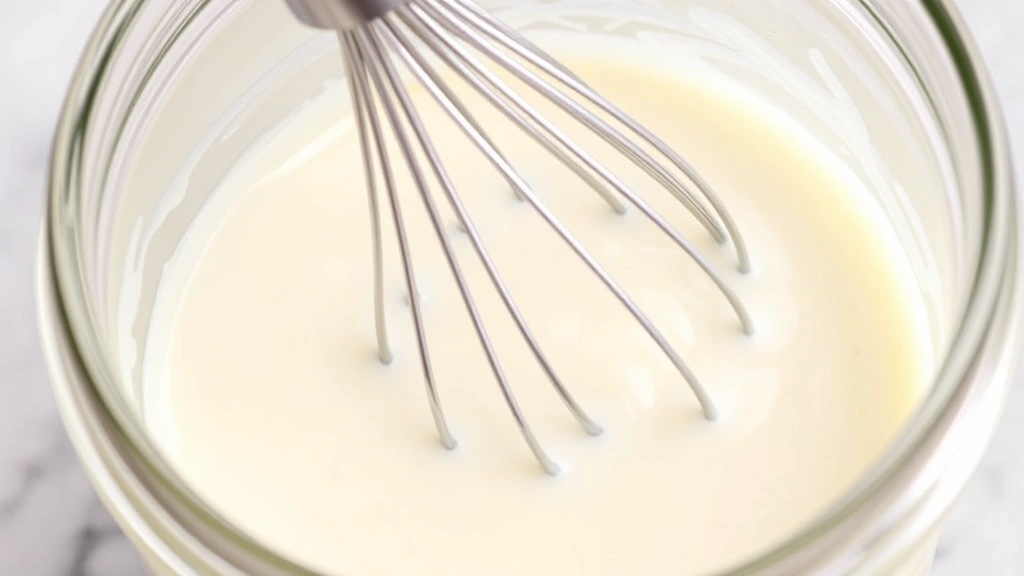
- Stir gently but thoroughly with a whisk or spoon, ensuring the buttermilk is evenly distributed throughout the cream. Mix for about 1-2 minutes until well combined.
- Cover the jar loosely with a lid or cloth. The covering prevents dust and debris from entering while allowing minimal air exchange.
Culturing (8-24 hours):
- Place the jar in a warm location where the temperature stays between 68-75°F (20-24°C). A kitchen countertop away from direct sunlight, an unheated oven, or a cooler filled with warm water all work well.
- Check the consistency after 8 hours. The cream should begin thickening noticeably. The longer you wait, the thicker and tangier it becomes.
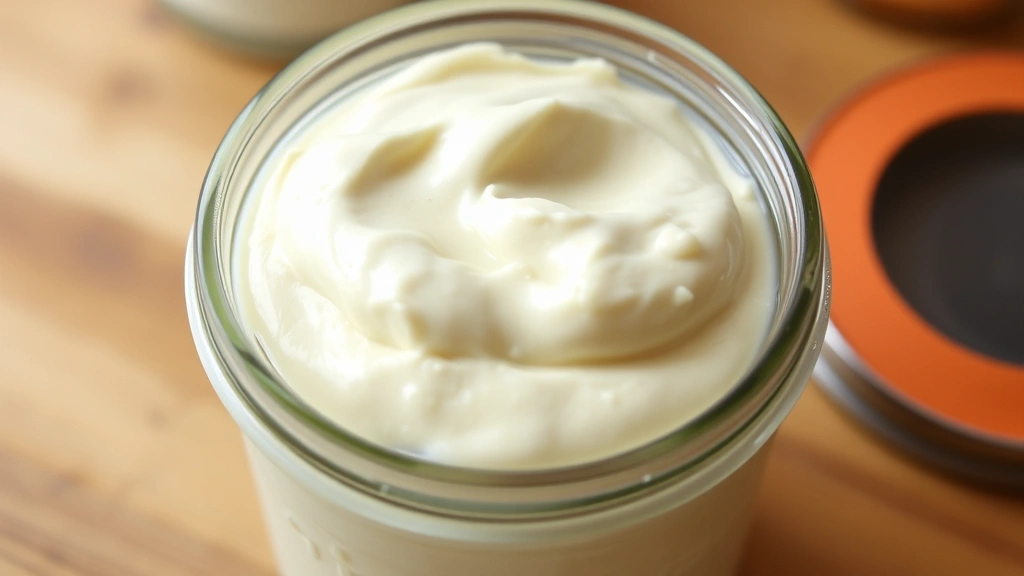
- At 12 hours, you’ll typically have a pourable, yogurt-like consistency with mild tanginess—ideal for most applications.
- By 24 hours, the crème fraîche will be quite thick and distinctly tangy, similar to store-bought versions.
- Once it reaches your desired consistency and flavor, refrigerate immediately. Cold stops the fermentation process.
Finishing (optional):
For sweetened crème fraîche, whip the finished product with a whisk while adding a tablespoon of powdered sugar and a splash of vanilla extract. This creates an elegant topping for breakfast dishes and desserts. For herb-infused versions, fold in minced fresh herbs like dill, chives, or tarragon just before serving.
Flavor Variations and Enhancements
Once you master the basic recipe, endless flavor possibilities await. Herb crème fraîche pairs beautifully with roasted vegetables and grilled fish. Fold in finely minced fresh dill, chives, parsley, or tarragon just before serving. Horseradish crème fraîche complements roasted beef and root vegetables—stir in 1-2 teaspoons of freshly grated horseradish and a pinch of Dijon mustard. Lemon crème fraîche brightens seafood dishes and light soups; whisk in the zest and juice of half a lemon.
For Asian recipes, try creating a wasabi crème fraîche by mixing in a teaspoon of real wasabi paste—perfect for sushi, sashimi platters, and Asian-inspired soups. Smoked paprika crème fraîche adds depth to grilled meats and vegetables. Truffle crème fraîche transforms simple pasta dishes into luxurious meals; use just a few drops of truffle oil and fold gently to preserve the delicate flavor.
Spiced variations work wonderfully as well. Mix in a pinch of ground cumin and coriander for a Middle Eastern twist, or combine it with curry powder for Indian-inspired applications. Sweet variations include honey-vanilla crème fraîche (whisk in 1 tablespoon honey and 1/2 teaspoon vanilla extract) and maple crème fraîche for topping autumn desserts and pancakes.
The key to successful variations is incorporating flavoring ingredients after the crème fraîche has fully cultured and been refrigerated. This prevents the added ingredients from interfering with the fermentation process and allows you to taste and adjust seasoning precisely.
Storage and Shelf Life
Homemade crème fraîche keeps for 7-10 days when stored in an airtight container in the refrigerator. The cold temperature essentially pauses fermentation, keeping the product stable. Some batches last up to two weeks if kept in consistently cold temperatures (below 40°F/4°C) and haven’t been contaminated with non-sterile utensils.
Always use clean spoons when scooping crème fraîche from the jar. Introducing non-sterile utensils can introduce unwanted bacteria that may cause spoilage. If you notice any unusual odors (beyond the pleasant tangy smell), visible mold, or pink discoloration, discard the entire batch immediately.
Freezing is possible but not recommended, as the freezing process breaks down the fat globules and creates a grainy texture upon thawing. If you must freeze it, use it only in cooked applications like sauces rather than as a topping or dollop. For long-term pantry storage, it’s better to simply make fresh batches as needed since the ingredients are inexpensive and the process is quick.
Culinary Applications
Crème fraîche is incredibly versatile in the kitchen. Its high fat content and stability under heat make it superior to sour cream for finishing hot dishes. Swirl a spoonful into recipe blogs featuring creamy soups like beet borscht, mushroom bisque, or potato leek soup just before serving. The cool crème fraîche creates a beautiful visual contrast and adds richness without the heaviness of cream.
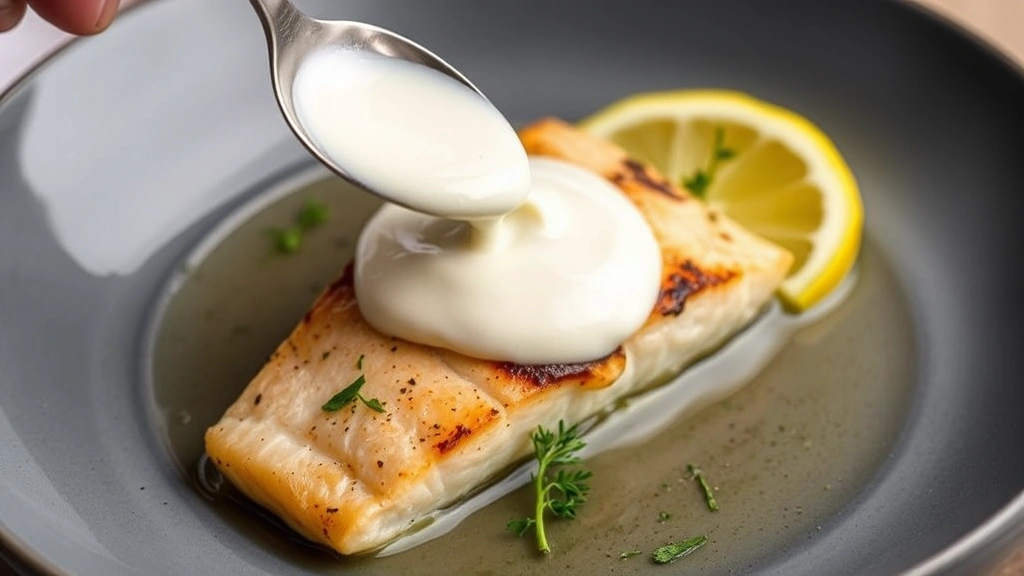
In sauce preparation, crème fraîche excels. Create a classic French sauce by reducing white wine with shallots, then whisking in crème fraîche and fresh herbs. This sauce pairs perfectly with fish, poultry, and vegetables. Unlike heavy cream or sour cream, crème fraîche won’t curdle when added to acidic ingredients like wine or lemon juice, making it the chef’s choice for sophisticated pan sauces.
Baked potatoes transform into elegant appetizers when topped with crème fraîche and caviar, smoked salmon, or crispy bacon. Use it as a base for dips by mixing with fresh herbs and garlic. For desserts, crème fraîche serves as an elegant accompaniment to berry tarts, chocolate cakes, and fruit compotes. Its tanginess cuts through sweetness beautifully, providing balance on the palate.
In healthy chicken recipes, crème fraîche creates luxurious sauces without excessive fat. A small amount goes a long way, so you can achieve restaurant-quality results while maintaining nutritional balance. When learning how to use a pressure cooker, remember that crème fraîche should be added after cooking is complete to preserve its delicate structure and prevent curdling.
FAQ
Can I use ultra-pasteurized cream to make crème fraîche?
Yes, but with caveats. Ultra-pasteurized cream has been heated to higher temperatures, which can damage protein structures and reduce the cream’s ability to thicken properly. Your crème fraîche may take longer to set (up to 48 hours) and might remain slightly thinner than desired. If this is your only option, add an extra tablespoon of buttermilk to boost bacterial culture strength and be patient with the fermentation process.
What if my crème fraîche doesn’t thicken?
Thickening failure usually stems from temperature issues or inactive cultures. Ensure your culturing environment stays between 68-75°F throughout the process. Check your buttermilk’s expiration date—expired cultures won’t work. If the room is too cold, try placing the jar in a cooler with warm (not hot) water, replacing the water every few hours to maintain temperature. The process may simply need more time; wait 24-36 hours before concluding it has failed.
Is homemade crème fraîche safe to eat?
Absolutely. The fermentation process creates an acidic environment (pH below 4.6) that prevents pathogenic bacteria from growing. This is the same principle that makes fermented foods like sauerkraut and kimchi safe. As long as you use clean equipment and don’t detect off-odors or mold, homemade crème fraîche is completely safe and arguably safer than store-bought versions since you control all ingredients.
Can I make crème fraîche with non-dairy cream?
Traditional crème fraîche requires dairy cream for proper fermentation. Non-dairy creamers lack the milk proteins and lactose necessary for bacterial cultures to work. However, some cooks have had limited success with coconut cream using probiotic powder as a culture starter, though results are inconsistent and the final product differs significantly from authentic crème fraîche.
How do I know when crème fraîche is ready?
Taste and visual cues indicate readiness. After 8 hours, the cream should thicken noticeably and develop a slight tang. At 12 hours, it reaches a yogurt-like consistency with mild flavor—perfect for most uses. At 24 hours, it’s quite thick and distinctly tangy. Tilt the jar; properly cultured crème fraîche should move slowly and coat the sides. If you prefer thinner crème fraîche, stop fermentation earlier; if you want tangier flavor, extend the time. Refrigeration halts fermentation immediately.
What’s the difference between crème fraîche and sour cream?
Crème fraîche contains 35-40% fat while sour cream contains only 18-20%. This higher fat content gives crème fraîche a smoother texture and richer mouthfeel. Crème fraîche is milder and more subtle in flavor, while sour cream tastes sharper and more acidic. Crucially, crème fraîche doesn’t curdle when heated, making it ideal for hot sauces and soups, while sour cream can separate under high heat. The two aren’t true substitutes in all applications.
Can I use yogurt as a culture starter instead of buttermilk?
Yes, if the yogurt contains live active cultures. Use 2 tablespoons of plain, unsweetened yogurt with visible “live cultures” on the label. Avoid flavored yogurts and those that have been heat-treated after culturing. The results are reliable and comparable to buttermilk. Some cooks prefer this method because active yogurt cultures are typically more vigorous than buttermilk cultures, resulting in faster fermentation.
How can I speed up the fermentation process?
Temperature is the primary factor. Maintain the warmest safe temperature (around 75°F/24°C) rather than 68°F. You can create a warm environment by wrapping the jar in towels and placing it in a turned-off oven with the light on, in a cooler with warm water, or in a yogurt maker set to low temperature. Using a larger proportion of active culture (up to 3 tablespoons of buttermilk) can also accelerate fermentation, though this may result in a tangier final product.


