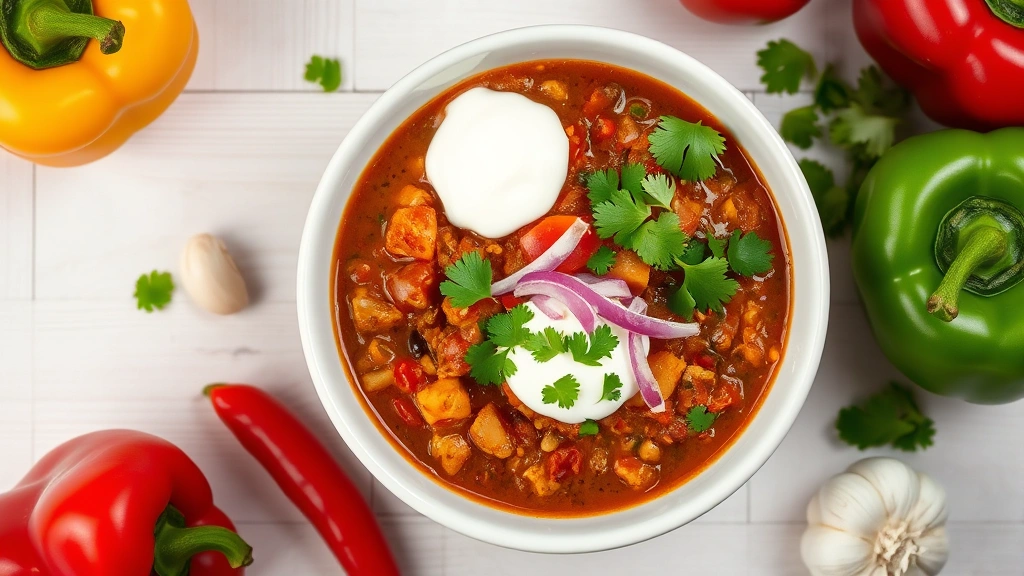
Healthy Chili Recipe: Nutritionist Approved for Maximum Flavor & Wellness
Chili doesn’t have to be heavy, laden with processed ingredients, or nutritionally questionable. This healthy chili recipe proves that comfort food can align perfectly with your wellness goals while delivering the robust, satisfying flavors you crave. Whether you’re meal prepping for the week or feeding a family, this nutrient-dense version packs fiber, lean protein, and antioxidants into every spoonful without sacrificing taste.
Created with input from registered dietitians, this recipe eliminates refined sugars, excess sodium, and unhealthy fats while amplifying the natural benefits of whole ingredients. You’ll discover how simple substitutions and smart cooking techniques transform traditional chili into a powerhouse dish that supports your health objectives. Ready to revolutionize your comfort food game?
Why Choose a Healthy Chili Recipe?
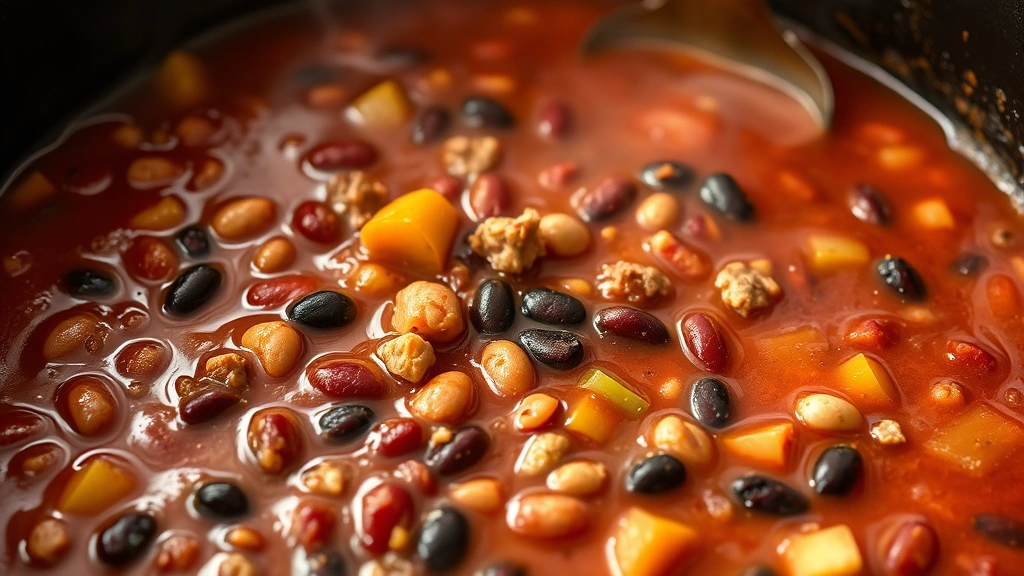
Traditional chili recipes often rely on ground beef with high fat content, canned beans loaded with sodium, and added sugars to balance flavors. This approach transforms chili into a dish that can spike blood sugar, increase inflammation, and leave you feeling sluggish after eating. A healthy chili recipe addresses these concerns by focusing on whole foods and balanced macronutrients.
This version emphasizes lean proteins, fiber-rich legumes, and antioxidant-packed vegetables. The result? A meal that stabilizes blood sugar, promotes satiety, and provides sustained energy. You’ll notice improved digestion, better appetite control, and the kind of satisfaction that keeps you coming back for seconds—for all the right reasons. Plus, when you make easy dinner recipes for beginners, you’ll appreciate how straightforward this healthy version actually is.
The beauty of optimizing chili nutritionally is that it works as both a standalone meal and a versatile base. Serve it over gluten free bread recipe options, alongside brown rice, or simply in a bowl topped with fresh cilantro and Greek yogurt. It’s equally perfect for fall recipes when the weather turns crisp and you crave warming comfort foods.
Nutritionist-Approved Ingredients
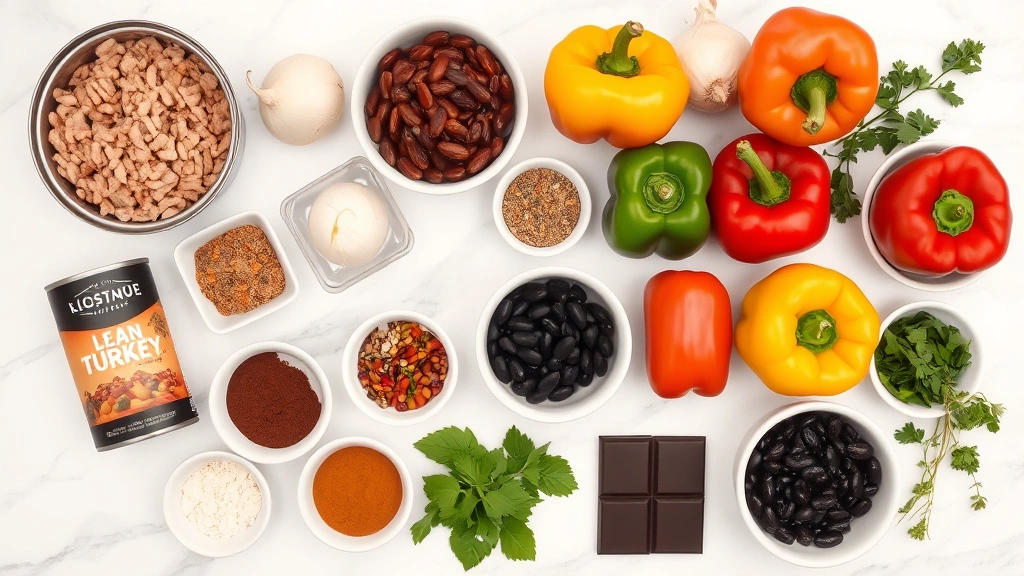
The foundation of any healthy chili recipe starts with ingredient selection. Here’s what makes this version nutritionally superior:
- Lean Ground Turkey or Bison (1.5 lbs): Provides high-quality protein with significantly less saturated fat than conventional ground beef. Turkey contains B vitamins essential for energy metabolism, while bison offers superior omega-3 fatty acid profiles.
- Kidney Beans and Black Beans (3 cans, low-sodium): These legumes deliver plant-based protein, resistant starch for gut health, and soluble fiber that supports cholesterol management. Choosing low-sodium varieties prevents excess sodium intake.
- Fire-Roasted Tomatoes (2 cans, no added sugar): Rich in lycopene, a powerful antioxidant linked to heart health. Fire-roasting intensifies flavor without requiring added salt or sugar.
- Bell Peppers (2 large, mixed colors): Each color offers different phytonutrients. Red peppers contain more vitamin C, while orange and yellow varieties provide lutein for eye health.
- Onion and Garlic: These aromatic vegetables contain sulfur compounds with anti-inflammatory properties. Garlic specifically supports immune function and cardiovascular health.
- Chili Powder and Cumin (spices, not blends): Pure spices avoid fillers and added sugars present in many commercial chili seasoning packets. These spices offer antioxidants and aid digestion.
- Low-Sodium Vegetable Broth (2 cups): Maintains moisture while controlling sodium content. Choose organic versions to avoid synthetic additives.
- Dark Chocolate (1 oz, 70% cacao): A surprising addition that adds depth and contains flavonoids supporting cardiovascular health.
The genius of this ingredient list is that it removes guesswork. Unlike many low carb dinner recipes that feel restrictive, this healthy chili recipe tastes indulgent while maintaining nutritional integrity.
Step-by-Step Cooking Instructions
Prep Work (10 minutes): Begin by dicing your bell peppers into half-inch pieces—this size ensures even cooking and pleasant texture distribution throughout your chili. Mince four cloves of garlic and one large onion. Having ingredients prepped before cooking ensures smooth workflow and prevents burning.
Step 1: Brown the Protein (8 minutes) Heat one tablespoon of extra-virgin olive oil in a large Dutch oven or heavy-bottomed pot over medium-high heat. Once shimmering, add ground turkey in small chunks, breaking it apart with a wooden spoon as it cooks. Avoid stirring constantly—let it develop a light brown crust for maximum flavor. This browning process creates complex flavors through the Maillard reaction, a chemical process that develops depth without added ingredients. Cook until no pink remains, then transfer to a clean plate.
Step 2: Sauté Aromatics (5 minutes) Reduce heat to medium and add diced onion and minced garlic to the same pot. The residual turkey fat provides excellent cooking medium without requiring additional oil. Sauté until onions become translucent and garlic becomes fragrant, approximately three to four minutes. This step builds flavor layers that define quality chili.
Step 3: Add Peppers and Spices (3 minutes) Add diced bell peppers and cook for two minutes to begin softening. Then add three tablespoons of pure chili powder, two tablespoons of ground cumin, one teaspoon of oregano, and half a teaspoon of cayenne pepper (adjust based on heat preference). Toast these spices in the oil for one minute—this blooming technique releases essential oils and intensifies their flavors dramatically.
Step 4: Deglaze and Build the Base (2 minutes) Pour in two cups of low-sodium vegetable broth, scraping the bottom of the pot with your wooden spoon to incorporate the flavorful browned bits. This deglazing step ensures no flavor is wasted.
Step 5: Combine Legumes and Tomatoes (3 minutes) Drain and rinse your kidney beans and black beans thoroughly under cold water—this removes excess sodium and oligosaccharides that can cause digestive discomfort. Add beans and two cans of fire-roasted tomatoes (undrained) to the pot. Return the browned turkey to the mixture and stir thoroughly to combine all components.
Step 6: Simmer and Develop Flavor (45 minutes) Bring the mixture to a gentle boil, then reduce heat to low and cover partially with a lid. Allow to simmer for forty-five minutes, stirring occasionally. This extended cooking time allows flavors to meld and develop complexity. The partial lid prevents excess moisture loss while allowing some evaporation to concentrate flavors.
Step 7: Final Adjustments (5 minutes) After forty-five minutes, add one ounce of finely chopped dark chocolate (70% cacao minimum), one tablespoon of apple cider vinegar, and salt and pepper to taste. The chocolate adds subtle sweetness and depth without spiking blood sugar like refined sugar would. The vinegar brightens flavors and aids nutrient absorption. Stir well and simmer uncovered for five additional minutes.
The entire process takes approximately ninety minutes from start to finish, with most time being passive simmering where you can attend to other tasks.
Nutritional Benefits Breakdown
This healthy chili recipe delivers impressive nutritional credentials. Each serving (approximately two cups) contains:
- Protein: 32 grams from lean turkey and legumes, supporting muscle maintenance and satiety
- Fiber: 14 grams from beans and vegetables, promoting digestive health and stable blood sugar
- Calories: Approximately 380 per serving, making it appropriate for most dietary goals
- Fat: 10 grams, predominantly from heart-healthy sources
- Carbohydrates: 38 grams from complex sources that digest slowly
Beyond macronutrients, this recipe provides micronutrient density. The combination of kidney beans, black beans, and tomatoes delivers iron, magnesium, and potassium essential for cardiovascular function. Bell peppers contribute vitamin C for immune support and collagen synthesis. Garlic and onions provide quercetin, a flavonoid with anti-inflammatory properties.
The addition of dark chocolate introduces phenolic compounds that have been studied extensively for cardiovascular benefits. Research from Harvard T.H. Chan School of Public Health demonstrates that moderate dark chocolate consumption supports endothelial function and blood pressure regulation.
Delicious Variations to Try
While this foundational recipe is excellent, healthy chili benefits from creative adaptations based on preferences and available ingredients.
Vegetarian Powerhouse Version: Replace ground turkey with crumbled extra-firm tofu or a combination of mushrooms (cremini, shiitake) finely chopped and sautéed until moisture evaporates. Add a third can of beans and increase vegetable broth to two and a half cups. This maintains protein content while accommodating plant-based preferences.
Smoky Bison Variation: Substitute ground bison for turkey. Bison offers superior nutritional profiles with higher omega-3 ratios and lower overall fat content. The slightly gamey flavor pairs beautifully with the spice profile. If using bison, reduce cooking time slightly as it’s leaner and can become tough with extended cooking.
Spicy White Bean Version: Create a completely different profile by using white beans and chicken breast instead of kidney beans and turkey. Reduce chili powder to two tablespoons and add one tablespoon of white wine vinegar, fresh lime juice, and cilantro at the end. This lighter variation works wonderfully during warmer months.
Slow Cooker Adaptation: This recipe translates beautifully to slow cookers. Brown the turkey and sauté aromatics and peppers as directed, then transfer everything to a slow cooker with beans, tomatoes, broth, and spices. Cook on low for six to eight hours or high for three to four hours. Add chocolate and vinegar in the final thirty minutes.
For those seeking additional complexity, consider adding roasted poblano peppers, a tablespoon of cocoa powder alongside the chocolate, or fresh jalapeños for brightness. Each variation maintains the nutritional integrity that makes this recipe valuable.
Storage and Meal Prep Tips
One of the greatest advantages of chili is its meal prep potential. This healthy version stores exceptionally well, making it ideal for busy weeks.
Refrigerator Storage: Allow chili to cool completely before transferring to airtight containers. Properly stored, it maintains quality for five days in the refrigerator. The flavors actually improve on day two or three as ingredients continue melding.
Freezer Storage: Chili freezes beautifully for up to three months. Use flat, freezer-safe containers or bags to maximize space. Leave a quarter-inch headspace to allow for expansion. Label containers with the date and contents. Thaw overnight in the refrigerator before reheating, or reheat directly from frozen over medium-low heat with occasional stirring.
Batch Cooking Strategy: This recipe easily doubles or triples. Prepare large batches on Sunday for week-long meals. Portion into individual containers for grab-and-go lunches. This approach saves time and ensures you always have a nutritious option available, preventing impulsive less-healthy choices.
Reheating Tips: Reheat gently over medium-low heat, stirring occasionally. Add a splash of vegetable broth if chili has thickened excessively. Avoid high heat, which can cause sticking and nutrient degradation. Microwave reheating works but produces less even heating—stir halfway through.
Serving Suggestions: Serve over cauliflower rice for ultra-low-carb options, brown rice for additional fiber, or alongside the brisket recipe oven for a hearty protein combination. Top with fresh cilantro, diced onion, Greek yogurt instead of sour cream, or avocado slices for added creaminess and healthy fats.
FAQ
Can I make this chili without meat?
Absolutely. Replace ground turkey with an equal weight of cooked lentils or finely chopped mushrooms (cremini or shiitake work best). Cook mushrooms separately until moisture evaporates before adding to the pot. Add an extra half-can of beans to maintain protein content. The resulting vegetarian chili is equally satisfying and maintains all nutritional benefits.
What if I don’t have low-sodium beans?
Regular canned beans work, though you’ll want to rinse them thoroughly under running water for two to three minutes. This removes approximately forty percent of the sodium content. Alternatively, use dried beans soaked overnight and cooked until tender, which gives you complete sodium control. Allow extra cooking time if using dried beans.
Is the dark chocolate really necessary?
While not absolutely necessary, dark chocolate adds depth and subtle sweetness without spiking blood sugar like refined sugar would. If you’re sensitive to chocolate or simply prefer omitting it, the chili remains delicious. You might add a pinch more cumin or an additional tablespoon of tomato paste for depth instead.
How can I reduce sodium further?
Use no-salt-added beans and broth exclusively. Skip adding additional salt until the very end, tasting before adding. Use fresh garlic and onion rather than powders, which often contain anti-caking agents and sodium. These adjustments reduce sodium by approximately forty percent compared to standard recipes while maintaining flavor through proper spice layering.
Can I adjust the spice level?
Definitely. For milder chili, reduce chili powder to two tablespoons and omit cayenne entirely. For extra heat, add one to two jalapeños minced and deseeded (or keep seeds for maximum heat), increase cayenne to one teaspoon, and add a quarter teaspoon of habanero powder if available. Add heat-building ingredients early in cooking so they distribute evenly.
What’s the best way to thaw frozen chili?
Thaw overnight in the refrigerator for best results—this maintains texture and flavor. If you need chili quickly, use the stovetop method: place frozen chili in a pot over medium-low heat, stirring occasionally as it thaws. This takes twenty to thirty minutes. Never use high heat, which can scorch the bottom and create uneven heating.
Does this recipe work for batch cooking?
This recipe is ideal for batch cooking. Triple the recipe and freeze portions in individual containers. You’ll have grab-and-go lunches for weeks. The flavors actually improve during freezing and thawing as ingredients continue melding. This approach saves considerable time during busy weeks and removes barriers to eating nutritiously.


