Best Oatmeal Cookies: Complete Quaker Recipe Review & Guide
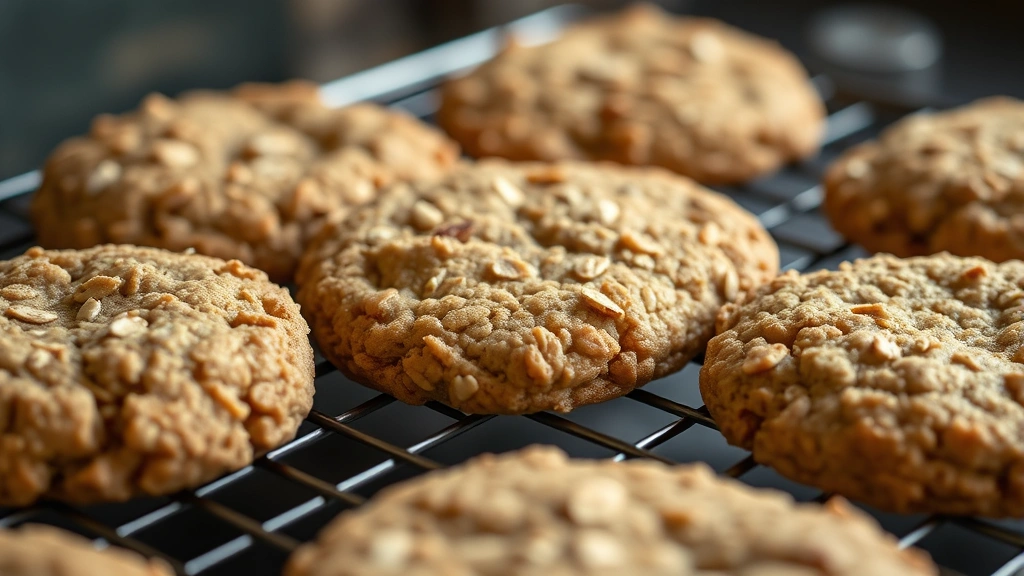
Oatmeal cookies have been a beloved staple in American households for generations, and when it comes to classic recipes, Quaker Oats stands as one of the most trusted names in the industry. The iconic Quaker oatmeal cookie recipe has earned its place in countless family recipe collections, delivering that perfect balance of chewy centers and crispy edges that keeps people coming back for more. Whether you’re baking for a special occasion or simply satisfying a sweet craving, understanding the nuances of this beloved recipe can elevate your baking game to new heights.
In this comprehensive guide, we’ll explore everything you need to know about creating the best oatmeal cookies using Quaker Oats as your foundation. From ingredient selection and preparation techniques to baking secrets and creative variations, we’ll walk you through each step to ensure your cookies turn out absolutely perfect every single time. We’ll also examine what makes the Quaker recipe stand out from other oatmeal cookie formulas and how you can customize it to match your personal preferences.
Understanding Quaker Oats Quality
Quaker Oats has maintained its reputation for over 140 years by consistently delivering high-quality oat products that bakers trust. The brand’s commitment to quality begins with their sourcing and processing methods, which ensure that every container of oats meets strict standards for purity and texture. When selecting Quaker Oats for your cookie recipe, you’ll want to understand the differences between their various oat products, as each offers unique characteristics that affect your final baked goods.
The most commonly used product for oatmeal cookies is Quaker Old Fashioned Oats, which are rolled oats that have been steamed and flattened. These oats provide a substantial texture and hearty flavor that’s ideal for cookies. The larger flake size compared to instant oats means your cookies will have more visible oat pieces and a more interesting texture profile. Quaker also offers Quaker Quick Oats, which are smaller and cook faster, making them suitable for cookies but resulting in a slightly finer crumb. For the most authentic and delicious results, stick with Old Fashioned Oats as the industry standard.
The freshness of your oats directly impacts the flavor and texture of your cookies. Quaker packages their oats in protective containers that shield them from light and air exposure, helping maintain freshness. Always check the manufacturing date on your package and store opened containers in airtight containers in a cool, dry place. Oats naturally contain oils that can become rancid over time, so using fresher oats will give you better flavor and a more pleasant eating experience.
Classic Quaker Recipe Breakdown
The official Quaker Oats oatmeal cookie recipe has become the gold standard for home bakers, and for good reason. This time-tested formula creates cookies with the perfect ratio of chewy and crispy elements. Let’s break down the essential components that make this recipe work so well.
The Base Formula: The classic Quaker recipe typically calls for one cup of softened butter, one cup of packed brown sugar, and one-half cup of granulated white sugar. This combination creates the ideal sweetness level and provides the moisture needed for that signature chewy texture. The brown sugar contributes molasses, which adds depth of flavor and keeps the cookies soft longer. The mix of butter and sugars creates a creamed base that incorporates air, essential for proper cookie structure.
Two large eggs and one teaspoon of vanilla extract round out the wet ingredients, providing binding power and flavor enhancement. The eggs act as a leavening agent when properly incorporated, while vanilla adds a subtle sweetness that complements the oats perfectly. One and one-half cups of all-purpose flour mixed with one teaspoon of baking soda and one-half teaspoon of salt creates the dry base that holds everything together.
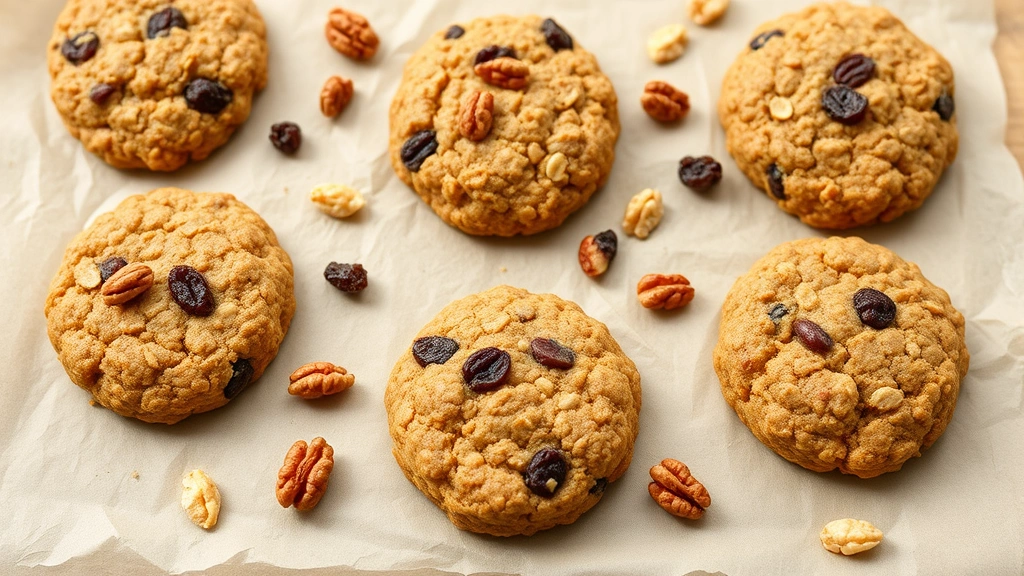
The star ingredient—three cups of Quaker Old Fashioned Oats—provides the cookies with their distinctive character and texture. Some recipes include one cup of chopped walnuts or raisins, adding extra flavor and interest. Many home bakers find that adding one-half teaspoon of cinnamon elevates the flavor profile without overpowering the oats, creating a more complex and satisfying cookie.
Ingredient Selection & Sourcing
Creating the best oatmeal cookies starts with choosing quality ingredients. While Quaker Oats forms the foundation, each ingredient plays a crucial role in the final outcome. Here’s what to look for when shopping for your baking supplies.
Butter Quality Matters: Use unsalted, high-quality butter for best results. Salted butter can interfere with the recipe’s salt balance, and lower-quality butter may contain excess water that affects texture. European-style butter with higher fat content (82-86%) produces richer, more flavorful cookies. Allow your butter to soften to room temperature before creaming—it should be soft enough to leave a slight impression when pressed but not greasy or melting.
Sugar Selection: Brown sugar should be packed firmly into your measuring cup to ensure accurate amounts. Dark brown sugar offers more molasses flavor than light brown sugar, so choose based on your preference for depth of flavor. Some bakers prefer to use a mix of both for balanced sweetness and complexity. Granulated white sugar provides crystalline structure and helps create crispy edges.
Eggs and Vanilla: Use large, room-temperature eggs for proper incorporation and binding. Cold eggs don’t mix as smoothly and can affect the dough consistency. Pure vanilla extract, not imitation, provides superior flavor that shines through in your cookies. The quality difference between pure and imitation vanilla is noticeable, especially in a recipe where vanilla is one of the few flavorings.
Flour and Leavening Agents: All-purpose flour works perfectly for oatmeal cookies. Store your flour in an airtight container to maintain freshness. Baking soda should be fresh—old baking soda loses potency and won’t provide proper rise. Replace your baking soda annually to ensure optimal results. Sea salt or kosher salt can enhance flavor more effectively than table salt due to larger crystal size and purer taste.
Optional Additions: When considering add-ins like raisins or nuts, source the freshest products available. Raisins should be plump and moist, not dried out and hard. Walnuts should smell fresh and nutty, not rancid. Consider soaking raisins in warm water for 10 minutes before adding them to your dough—this plumps them up and ensures juicy bites throughout your cookies. You might also explore making these cookies alongside other treats like ice cream or homemade marshmallows for a complete dessert experience.
Preparation Techniques for Perfect Cookies
The method you use to prepare your dough dramatically impacts your final cookies. Following proper technique ensures consistent, delicious results every single time you bake.
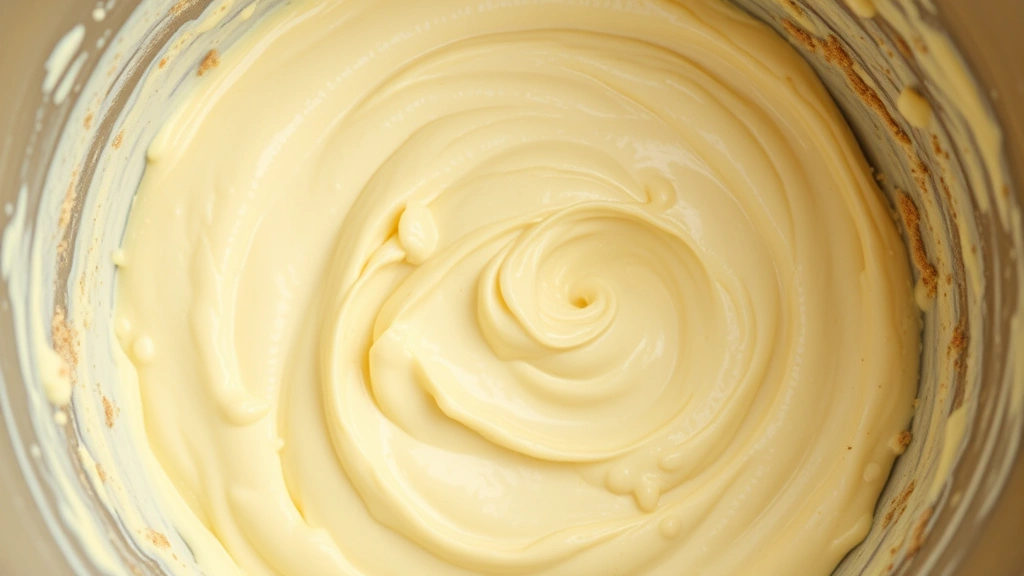
Creaming the Butter and Sugar: This crucial first step incorporates air into your dough, creating a lighter, fluffier cookie. Place softened butter in a mixing bowl and beat on medium speed for about one minute until it’s pale and creamy. Gradually add brown sugar and then white sugar, beating for 3-4 minutes total until the mixture is light, fluffy, and noticeably paler than when you started. This process typically increases the volume by about 25%, which you should be able to see in your mixing bowl.
Incorporating Eggs and Vanilla: Add eggs one at a time, beating well after each addition to ensure proper emulsification. This prevents the mixture from appearing curdled or separated. Add vanilla extract and mix until fully combined. The mixture should be smooth, creamy, and homogeneous at this point.
Combining Dry Ingredients: In a separate bowl, whisk together flour, baking soda, and salt. Whisking these dry ingredients ensures even distribution of the leavening agent, preventing pockets of raw baking soda taste in your cookies. This step takes just 30 seconds but makes a noticeable difference in quality.
Folding Everything Together: Add the dry ingredients to the wet ingredients in two additions, mixing on low speed or by hand with a wooden spoon. Overmixing at this stage can develop gluten and make cookies tough, so mix just until the flour disappears. Fold in the oats and any add-ins like nuts or raisins using a wooden spoon or sturdy spatula, stirring until evenly distributed.
Dough Resting: Allow your dough to rest for 15-30 minutes at room temperature before scooping. This resting period allows the oats to fully hydrate and the flavors to meld together. Rested dough is easier to work with and produces more evenly baked cookies.
The Baking Science Behind Texture
Understanding the science behind oatmeal cookies helps you troubleshoot problems and customize recipes to your preferences. The texture of your finished cookies depends on several factors working together.
Moisture Content: The ratio of wet to dry ingredients directly affects whether your cookies turn out chewy or crispy. More brown sugar and eggs create chewier cookies, while more flour and less moisture produce crispier results. The Quaker recipe is formulated for a perfect middle ground, but you can adjust based on your preference. For chewier cookies, slightly underbake them and remove them from the oven when the centers still look slightly underdone. They’ll continue cooking on the hot baking sheet after removal.
Temperature Control: Oven temperature significantly impacts cookie texture. An oven that’s too hot will brown the outside before the inside cooks through, resulting in crispy edges and undercooked centers. Use an oven thermometer to verify your oven’s actual temperature, as many home ovens run hot or cold. Bake at 350°F (175°C) for the classic recipe, but check cookies at the lower end of the suggested time range.
Baking Sheet Preparation: Use light-colored baking sheets, as dark sheets absorb more heat and can over-brown the bottoms of cookies. Line sheets with parchment paper to ensure even baking and easy removal. Parchment paper also prevents sticking and makes cleanup effortless. Some bakers prefer silicone baking mats for similar benefits.
Cooling Process: Allow cookies to cool on the baking sheet for 2-3 minutes before transferring to a wire rack. This cooling period lets them set enough to hold together but still remain slightly warm and flexible. Cookies removed too early from the sheet may break apart, while those left too long become brittle. The residual heat on the baking sheet continues cooking them slightly, contributing to the ideal texture.
Creative Variations & Additions
While the classic Quaker recipe is excellent on its own, creative variations can make your oatmeal cookies even more exciting and personalized. These additions work seamlessly with the base formula.
Spice Enhancements: Beyond the standard cinnamon, consider adding nutmeg (one-quarter teaspoon), ginger (one-quarter teaspoon), or allspice (one-eighth teaspoon) for warmth and complexity. These spices complement oats beautifully and create a more sophisticated flavor profile. Some bakers add a pinch of cardamom for an unexpected aromatic quality.
Fruit Additions: Raisins are traditional, but dried cranberries, chopped dried apricots, or dried blueberries add interesting tartness and chewiness. Soak dried fruit in warm water for 10 minutes before adding to plump them up and ensure moistness. You might even try making a blueberry syrup to drizzle over finished cookies for extra flavor.
Nut Varieties: While walnuts are traditional, try pecans, almonds, or macadamia nuts for different flavor profiles. Toast your nuts lightly before adding to intensify their flavor. Toasting takes just 5-8 minutes in a 350°F oven and makes a noticeable difference in the final taste.
Chocolate Integration: Add one cup of chocolate chips or chopped chocolate for decadent cookies that appeal to chocolate lovers. Dark chocolate provides depth, while milk chocolate offers sweetness. White chocolate with cranberries creates a sophisticated variation. Melt chocolate chips slightly before folding in to create pockets of melted chocolate throughout.
Protein Boosting: For a more nutritious version, you could incorporate these concepts into protein ball recipes that share similar base ingredients. Add one-quarter cup of protein powder (vanilla or unflavored) to boost nutritional content without dramatically altering taste or texture.
Coconut and Tropical Notes: Shredded coconut (one-half to one cup) adds tropical flavor and chewiness. Combine with macadamia nuts and dried pineapple for a tropical variation that transports your taste buds to warmer climates.
Storage & Longevity Tips
Proper storage ensures your oatmeal cookies remain fresh and delicious for days after baking. The natural oils in oats help keep cookies moist longer than many other cookie types.
Room Temperature Storage: Store completely cooled cookies in an airtight container at room temperature for up to one week. Place parchment paper between layers to prevent sticking. A slice of bread added to the container helps maintain moisture and keeps cookies chewy. Replace the bread slice every couple of days as it dries out.
Freezer Storage: Oatmeal cookies freeze exceptionally well for up to three months. Freeze baked cookies in airtight containers with parchment between layers, or freeze cookie dough in portions for baking fresh cookies whenever you want. Frozen cookie dough can go directly into the oven with just 2-3 extra minutes of baking time.
Reviving Stale Cookies: If cookies become hard or stale, place them in a 300°F oven for 5 minutes to refresh them. Alternatively, microwave a single cookie for 10-15 seconds to warm and soften it. These methods restore cookies to nearly fresh-baked quality.
Moisture Management: Keep cookies away from humidity and moisture. Store in a cool, dry place away from direct sunlight. If your kitchen is particularly humid, consider adding a desiccant packet to your storage container to absorb excess moisture.
FAQ
Why are my oatmeal cookies spreading too much?
Excessive spreading usually indicates either butter that was too soft or warm dough. Ensure your butter is softened but not greasy, and chill your dough for 15-30 minutes before baking. Additionally, verify your oven temperature with a thermometer—ovens running hot cause excessive spreading. Using parchment paper instead of greased sheets also helps control spreading.
Can I use instant oats instead of old-fashioned oats?
While instant oats will work, they produce a finer-textured cookie with less visible oat pieces. Old-fashioned oats are strongly recommended for the best texture and appearance. If you only have instant oats available, pulse them briefly in a food processor to create a slightly larger texture.
How do I make cookies chewy instead of crispy?
To achieve chewier cookies, underbake them slightly and remove from the oven when centers still look slightly underdone. Store finished cookies with a slice of bread to maintain moisture. You can also increase brown sugar slightly and decrease flour by one-quarter cup for a chewier texture.
What’s the best way to measure flour accurately?
Use the spoon-and-level method: spoon flour into your measuring cup and level the top with a knife without packing. Alternatively, weigh flour on a kitchen scale for ultimate accuracy—one cup of flour weighs approximately 125 grams. Avoid scooping directly from the bag, as this compacts flour and leads to using too much.
Can I substitute brown sugar with white sugar?
You can, but your cookies will be less moist and flavorful. Brown sugar contains molasses, which adds moisture and depth. If substituting, use one cup white sugar and add one tablespoon of molasses to approximate brown sugar’s properties. The texture and flavor will differ slightly from the original recipe.
How long should cookies bake?
Bake at 350°F for 9-11 minutes for chewy cookies or 12-14 minutes for crispier versions. Check cookies at the lower end of the time range—they should appear slightly underdone in the center. They’ll continue cooking on the hot baking sheet after removal, reaching perfect texture as they cool.
Can I make this recipe without eggs?
Eggs provide binding and leavening, so omitting them requires substitution. Replace each egg with one-quarter cup applesauce, mashed banana, or commercial egg replacer. Results will differ slightly—applesauce creates moister cookies while maintaining good binding.
Is there a vegan version of this recipe?
Yes! Replace butter with vegan butter in equal amounts, use aquafaba (three tablespoons per egg) or commercial egg replacer for eggs, and ensure your sugar and other ingredients are vegan-certified. The results are surprisingly similar to the traditional version.
How can I make oatmeal cookies healthier?
Reduce sugar by one-quarter cup and add one-quarter cup of unsweetened applesauce to maintain moisture. Use whole wheat flour for half the all-purpose flour. Increase oats to four cups and add nuts for protein and healthy fats. Consider pairing with lighter cookie recipes for variety in your dessert rotation.
What’s the difference between chewy and crispy oatmeal cookies?
Chewy cookies have higher moisture content from more brown sugar and eggs, plus slightly underbaking. Crispy cookies use more flour and white sugar, with longer baking times. The Quaker recipe achieves a middle ground, but you can adjust based on your preference.
Can I double this recipe?
Absolutely! Simply double all ingredients. However, when creaming butter and sugar, it may take slightly longer to reach the proper pale, fluffy consistency. Mix in two batches if your mixer bowl isn’t large enough to accommodate the doubled volume comfortably.
Why do my cookies have a raw baking soda taste?
This indicates uneven distribution of baking soda. Always whisk your dry ingredients together before adding to the wet mixture. Ensure you’re measuring baking soda accurately and that it’s fresh—old baking soda loses potency and can create off-flavors.
The Quaker Oats oatmeal cookie recipe stands as a testament to the power of quality ingredients combined with proper technique. By understanding the science behind each step and feeling confident in your ingredient choices, you’ll consistently produce cookies that rival any bakery’s offerings. Whether you stick with the classic formula or explore creative variations, these cookies will become a beloved staple in your baking repertoire. The combination of chewy centers, crispy edges, and wholesome oat flavor creates a cookie that satisfies both the body and soul, making it perfect for any occasion from casual snacking to special celebrations.


