Shiitake Mushroom Stir-Fry: Chef’s Favorite Dish
Shiitake mushroom stir-fry represents one of the most versatile and satisfying dishes in modern cuisine. With their rich, umami-forward flavor profile and meaty texture, shiitake mushrooms transform a simple stir-fry into something restaurant-quality that rivals dishes served at high-end establishments. Whether you’re looking to create a vegetarian masterpiece, a protein-forward entrée, or a vibrant side dish to complement your meal, this preparation method delivers exceptional results every time.
What makes shiitake mushroom stir-fry so beloved among professional chefs is its remarkable ability to absorb flavors while maintaining structural integrity throughout the cooking process. Unlike delicate mushroom varieties that collapse under heat, shiitakes retain their substance and develop a beautiful caramelized exterior when properly seared. This dish exemplifies how understanding basic cooking techniques can elevate humble ingredients into something truly memorable.
Selecting and Preparing Shiitake Mushrooms
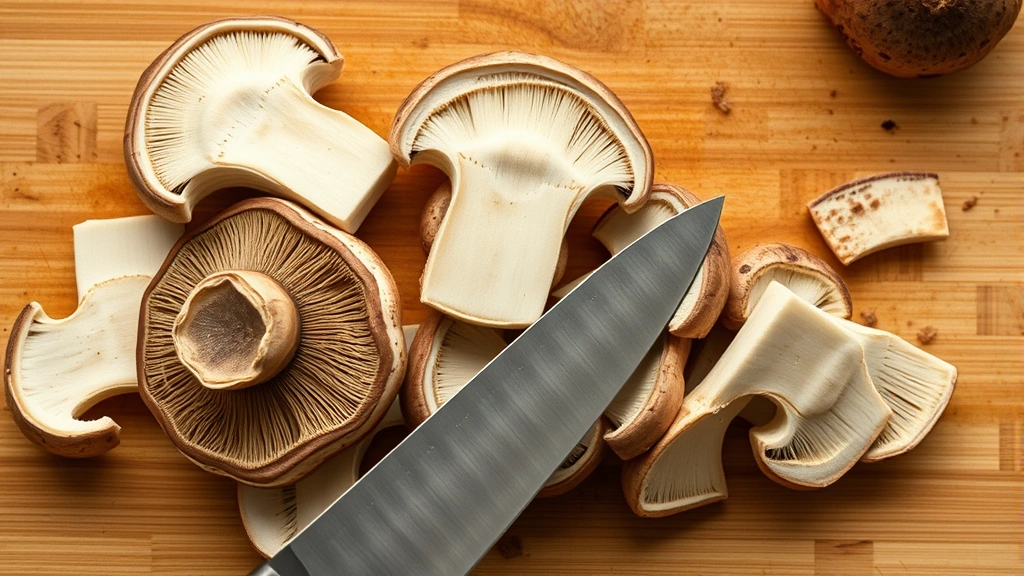
The foundation of any exceptional shiitake mushroom stir-fry begins with proper selection at the market. Look for mushrooms with firm, unblemished caps that feel substantial when you hold them. Fresh shiitakes should have a pleasant earthy aroma without any musty or off-putting smell. The undersides, where the gills are located, should appear relatively dry and pale rather than dark or slimy, which indicates age or moisture damage.
Size matters significantly when preparing your mushrooms for stir-frying. Aim for medium-sized specimens roughly the diameter of a quarter to a half-dollar. These cook evenly without becoming mushy, while smaller mushrooms can disintegrate and larger ones may remain undercooked in the center. When you’re ready to clean them, resist the temptation to submerge them in water. Instead, use a damp cloth or soft brush to gently wipe away any debris or dirt clinging to the caps.
The stem-to-cap ratio deserves careful consideration. While the caps are the primary focus, the stems contain concentrated flavor and can be incorporated into your dish if they’re tender and free from damage. For larger specimens, remove the stems entirely and reserve them for making mushroom stock. Slice your prepared caps into quarter-inch thick pieces, which provides the ideal thickness for achieving caramelization while maintaining structural integrity during the high-heat cooking process.
Essential Ingredients for the Perfect Stir-Fry
Beyond the shiitake mushrooms themselves, assembling quality ingredients makes the difference between an ordinary dish and one that tastes like it came from a professional kitchen. Start with a high-smoke-point oil such as peanut, vegetable, or avocado oil. These oils can withstand the intense heat required for proper stir-frying without breaking down or imparting unwanted flavors. Sesame oil, while aromatic and delicious, has a lower smoke point and should be reserved for finishing touches rather than the initial cooking stage.
Aromatics form the flavor foundation of your stir-fry. Fresh garlic, minced finely, should be added near the end of cooking to prevent burning and maintain its pungent, fresh character. Ginger root, peeled and minced, contributes warmth and complexity. Green onions, both white and green portions, provide brightness and mild allium notes. If you prefer additional vegetables, consider bell peppers, snap peas, broccoli florets, or carrots cut into uniform pieces for even cooking.
Your sauce components deserve equal attention. Quality soy sauce forms the savory backbone—opt for naturally fermented varieties rather than chemically processed versions. Mirin adds subtle sweetness and body, while rice vinegar provides acidity to balance richness. A touch of cornstarch mixed with water creates the glossy, clinging sauce characteristic of professional stir-fries. For depth, incorporate a small amount of oyster sauce or mushroom-based sauce, which amplifies the umami qualities your dish already possesses.
Protein choices expand your options considerably. Thinly sliced chicken breast, beef sirloin, or pork tenderloin all work beautifully. For a vegetarian approach, consider adding tofu, cashews, or peanuts. If you’re interested in exploring other protein preparations, you might examine best seafood recipes or chicken and biscuits recipe for complementary cooking techniques.
Mastering the Stir-Fry Technique
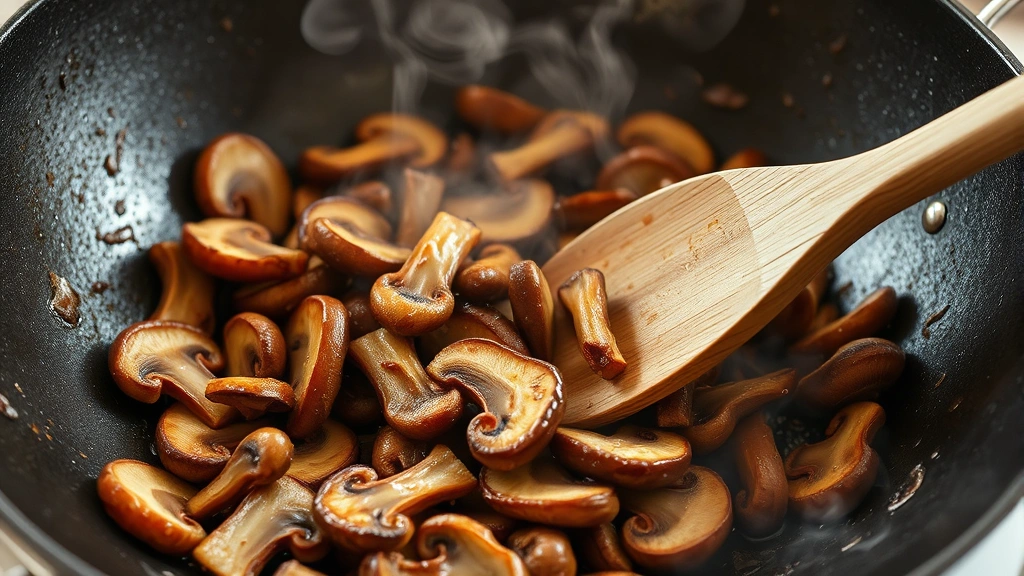
The stir-fry cooking method relies on three fundamental principles: high heat, quick movement, and proper timing. Begin by preheating your wok or large skillet over medium-high heat for at least two to three minutes. This ensures the surface reaches the correct temperature before you add oil. The oil should shimmer and move easily across the surface but shouldn’t smoke excessively. When you add your first ingredient, it should sizzle immediately, indicating proper heat levels.
Pat your shiitake mushroom slices completely dry using paper towels before they touch the hot pan. Moisture prevents browning through a process called steaming, which creates pale, soft mushrooms rather than the caramelized, flavorful results you’re seeking. Working in batches prevents overcrowding, which drops the pan temperature and causes steaming rather than searing. Spread the mushroom slices in a single layer and allow them to cook undisturbed for two to three minutes, developing a golden-brown crust on the first side before stirring.
Once mushrooms achieve proper coloring, transfer them to a clean plate and continue with the next batch. This staged approach ensures even cooking and prevents the pan from becoming too crowded. After all mushrooms are seared and removed, lower the heat to medium and add your aromatics—garlic and ginger—stirring constantly for about thirty seconds until fragrant but not burned. This brief window prevents bitterness while releasing their essential oils into the cooking fat.
If incorporating protein, add it at this point, cooking until nearly done before reintroducing the mushrooms. Pour your sauce mixture into the pan, stirring constantly to coat everything evenly. The cornstarch slurry thickens the sauce within thirty seconds to one minute, creating that desirable glossy finish. Finish with a drizzle of sesame oil and fresh green onion slices just before serving. The entire cooking process, from heating the pan to plating, should take approximately fifteen to twenty minutes.
Flavor Variations and Sauce Combinations
The beauty of shiitake mushroom stir-fry lies in its adaptability to different flavor profiles and culinary traditions. The classical approach emphasizes balance between salty, sweet, sour, and savory elements. A traditional Cantonese-style preparation relies heavily on soy sauce and oyster sauce with minimal sweetness, allowing the mushroom flavor to dominate. Conversely, a Sichuan-inspired version incorporates chili oil and Sichuan peppercorns, creating numbing heat and tingling sensations on the palate.
For a lighter, more delicate version, reduce soy sauce quantities and emphasize fresh ginger, garlic, and a splash of white wine or sake. This approach suits palates preferring subtlety over boldness. A darker, more caramelized sauce achieved through increased soy sauce and the addition of dark brown sugar creates rich, almost sweet undertones that pair beautifully with beef or mushroom-forward dishes. Adding fresh lemon juice or white vinegar at the end brightens heavy sauces and prevents them from becoming cloying.
Experimenting with different proteins opens additional flavor possibilities. Shrimp, with its delicate sweetness, pairs wonderfully with lighter ginger-forward sauces. Beef sirloin, naturally rich and savory, stands up to bolder, more aggressive seasonings. For vegetarian versions, adding cashews or peanuts provides textural contrast and fat-based richness that compensates for missing animal proteins. Consider preparing this dish alongside healthy crockpot recipes for meal planning flexibility throughout your week.
International fusion approaches yield exciting results. A Thai-inspired version incorporates coconut milk, basil, and chilies. A Korean-influenced preparation includes gochujang (fermented chili paste) and sesame seeds. Italian herb-forward versions use garlic, oregano, and white wine instead of traditional soy-based sauces. These variations demonstrate how foundational stir-fry technique transcends cultural boundaries while honoring the mushroom’s essential character.
Serving Suggestions and Pairings
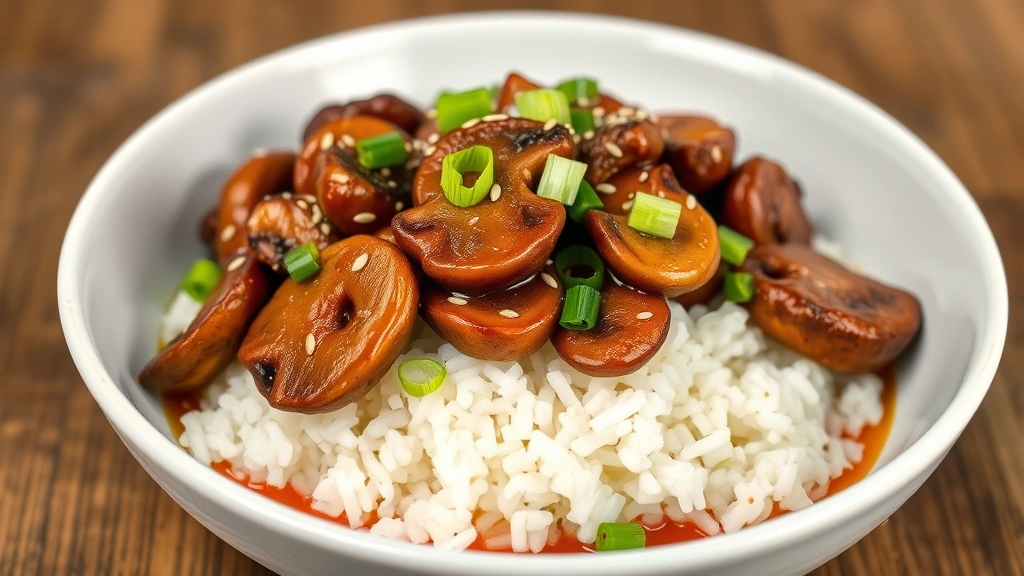
Shiitake mushroom stir-fry presents itself as either a standalone dish or an elegant component within a larger meal. Serving over steamed white or brown rice is the classic approach, allowing the flavorful sauce to soak into the grains and create a harmonious bite with every spoonful. For lower-carbohydrate options, cauliflower rice, zucchini noodles, or shirataki noodles provide excellent alternatives that maintain the dish’s essential character while accommodating different dietary preferences.
Noodles offer another compelling serving vehicle. Egg noodles provide rich, tender texture that pairs beautifully with umami-forward mushroom preparations. Ramen noodles, whether fresh or dried, create a more substantial meal reminiscent of Asian noodle houses. Rice noodles, lighter and more delicate, work wonderfully with lighter, ginger-forward sauce variations. Tossing the stir-fry directly into hot noodles creates wonderful flavor integration and visual appeal.
For a complete meal, consider pairing your stir-fry with complementary components. A simple cucumber salad with rice vinegar and sesame oil provides refreshing contrast to the richness of seared mushrooms. Steamed or pan-fried bok choy, gai lan, or Chinese broccoli adds nutritional balance and textural variety. If you enjoy bread-based accompaniments, exploring how to make homemade bread opens possibilities for serving with warm, crusty rolls to soak up remaining sauce.
Temperature considerations matter more than many home cooks realize. Serving immediately after cooking preserves the mushrooms’ tender-yet-firm texture and maintains sauce viscosity. If preparing ahead, reheat gently over medium heat with a splash of water to restore sauce consistency without overcooking the delicate mushroom flesh. Cold leftovers work surprisingly well in composed salads or grain bowls, though the texture becomes softer and less appealing than freshly prepared versions.
Storage and Make-Ahead Tips
Proper storage extends the enjoyment of your shiitake mushroom stir-fry across multiple meals. Refrigerated in an airtight container, the completed dish maintains acceptable quality for three to four days. The mushrooms gradually become softer as they continue absorbing sauce, and the sauce thickens slightly as it cools. These changes aren’t necessarily negative—some cooks prefer the more melded flavors that develop during storage—but texture suffers compared to freshly cooked versions.
For optimal results, consider storing components separately rather than as a combined dish. Cooked mushrooms and sauce keep separately for four to five days, while rice or noodles are best prepared fresh or stored separately. This approach allows you to quickly reassemble meals with fresh components, preserving textural contrast that makes the dish special. When reheating, use medium heat with a splash of water or broth to restore sauce consistency and prevent mushrooms from becoming rubbery.
Freezing presents mixed results with this particular dish. The mushrooms’ delicate cellular structure breaks down during freezing and thawing, resulting in mushy texture when reheated. If you must freeze, do so with the understanding that texture will suffer but flavors will remain intact. Freeze for no longer than two months in airtight, freezer-safe containers, removing as much air as possible to prevent freezer burn. Thaw overnight in the refrigerator and reheat gently before serving.
Advance preparation strategies work better than post-cooking storage. Prepare and measure all ingredients—a technique called mise en place—several hours ahead, storing components in separate containers. This approach allows you to execute the actual cooking quickly when ready to eat. Marinate proteins ahead if desired, though mushrooms shouldn’t be cut until shortly before cooking to prevent oxidation and moisture loss. Having everything prepared and ready dramatically reduces cooking time when you’re ready to eat.
FAQ
Can I use other mushroom varieties instead of shiitake?
While shiitakes are ideal due to their meaty texture and rich flavor, cremini, portobello, and oyster mushrooms work acceptably as substitutes. However, they lack shiitakes’ distinctive umami depth. Button mushrooms, while convenient, become mushy and contribute minimal flavor. For best results, stick with shiitakes or use a combination of shiitakes with one secondary variety.
What if my stir-fry sauce is too thin?
A slurry of cornstarch and water (one tablespoon cornstarch mixed with two tablespoons cold water) stirred into simmering sauce thickens it within seconds. Add gradually, stirring constantly, until you achieve desired consistency. Alternatively, simmer the sauce uncovered for several minutes to reduce and concentrate flavors while thickening naturally through evaporation.
How do I prevent my mushrooms from becoming rubbery?
Don’t overcook them. Once mushrooms are seared and golden, remove them from heat. If reheating, use gentle medium heat with additional liquid to prevent moisture loss. Overcooking concentrates mushroom proteins, creating tough, unpleasant texture. Fresh preparation yields superior results to any reheating method.
Is this dish suitable for meal prep?
Partially, though with caveats. Prepare components separately and assemble fresh for best results. Cooked mushrooms store acceptably for three to four days, but texture degrades slightly with time. If meal prepping, consider storing sauce separately and reheating gently before combining with mushrooms and serving over fresh rice or noodles.
Can I make this without soy sauce?
Yes, though soy sauce provides essential saltiness and umami. Substitute with tamari (gluten-free soy sauce), coconut aminos, or miso paste dissolved in water. Each creates different flavor profiles but maintains the dish’s essential character. Adjust quantities to taste, as saltiness varies significantly between alternatives.
What wine pairs well with shiitake mushroom stir-fry?
Light-bodied whites like Pinot Grigio or Sauvignon Blanc complement lighter, ginger-forward preparations. Fuller-bodied whites such as Chardonnay work with richer, soy-heavy versions. Rosé offers versatility across multiple flavor profiles. For red wine, try Pinot Noir, which has enough acidity and delicacy to pair without overpowering the mushrooms’ subtle notes.


