Juicy Turkey Tenderloin? Family Favorite Recipe
Turkey tenderloin is one of the most underrated proteins in home cooking. While many families reserve turkey for holiday celebrations, this tender cut deserves a permanent spot in your weekly meal rotation. The meat is naturally lean yet incredibly moist when prepared correctly, making it an excellent choice for health-conscious cooks who refuse to sacrifice flavor. Whether you’re looking for a quick weeknight dinner or an impressive dish to serve guests, a perfectly cooked turkey tenderloin delivers restaurant-quality results in under an hour.
What makes turkey tenderloin so special? Unlike chicken breast, which can dry out easily, turkey tenderloin has just enough marbling to stay succulent throughout cooking. It’s also versatile enough to pair with virtually any flavor profile—from Mediterranean herbs to Asian-inspired glazes. This family favorite recipe walks you through the techniques professionals use to achieve that coveted juicy interior with a golden, flavorful crust. You’ll learn temperature control secrets, seasoning strategies, and cooking methods that guarantee tender results every single time.
Why Turkey Tenderloin is Your Next Favorite Protein
Turkey tenderloin stands out among poultry options for several compelling reasons. This cut comes from the breast area but maintains superior moisture compared to standard chicken breast. The meat contains approximately 26 grams of protein per 3-ounce serving while remaining remarkably low in fat. For those interested in foods rich in antioxidants and nutritional benefits, turkey provides B vitamins, selenium, and niacin that support energy production and metabolic health.
The flavor profile of turkey tenderloin is delicate yet distinctive—less gamey than dark meat but more interesting than plain chicken breast. This makes it the perfect canvas for creative seasoning approaches. Professional chefs appreciate turkey tenderloin because it accepts marinades readily and responds beautifully to various cooking techniques. Whether you’re searing, roasting, or exploring sous vide cooking methods, turkey tenderloin delivers consistent, excellent results. The cost-to-value ratio also makes it budget-friendly compared to specialty poultry cuts, allowing families to enjoy premium-quality meals without breaking the bank.
Selecting and Preparing Your Turkey Tenderloin
Finding the perfect turkey tenderloin begins at the grocery store. Look for tenderloins that are firm to the touch with a pale pink color and no browning or gray spots. The meat should have a pleasant, fresh smell—any sour or off odors indicate age. Most supermarkets carry turkey tenderloin in the poultry section, typically sold in vacuum-sealed packages weighing 1.5 to 2.5 pounds. Fresh turkey is preferable to frozen when possible, though frozen tenderloins work wonderfully if thawed properly in the refrigerator for 24 hours.
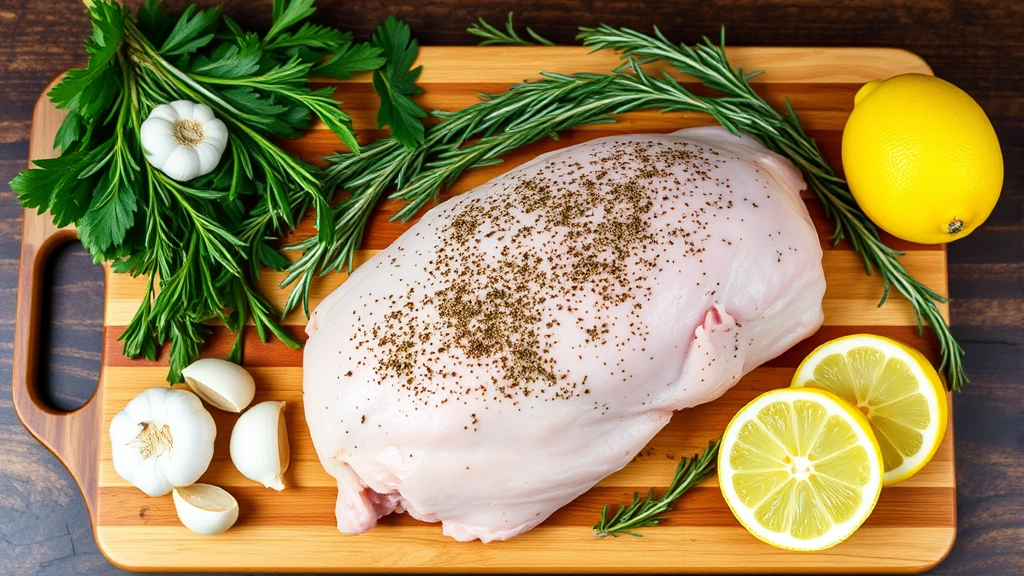
Preparation begins with patting the tenderloin completely dry using paper towels. Moisture on the surface prevents proper browning and can create steam during cooking, compromising the texture. Place the tenderloin on a clean cutting board and examine its structure. You may notice a thin, silvery membrane called the silverskin covering portions of the meat. While not strictly necessary to remove, trimming away obvious silverskin allows seasonings to penetrate more effectively and creates a better texture when eating. Use a sharp knife angled slightly upward to gently separate and remove the membrane in strips.
Allow your prepared tenderloin to sit at room temperature for 30 to 40 minutes before cooking. This crucial step ensures even heat distribution throughout the meat, preventing the exterior from overcooking while the interior remains undercooked. Cold meat taken straight from refrigeration will cook unevenly, resulting in a gray ring just under the surface. Room temperature meat cooks uniformly, delivering that ideal juicy interior with a properly seared crust.
Seasoning and Marinade Techniques
The foundation of juicy turkey tenderloin begins with proper seasoning strategy. Unlike healthy chicken recipes that often rely on simple herb preparations, turkey tenderloin benefits from more robust flavor development. The most effective approach combines dry brining (salt curing) with marinades that tenderize and flavor simultaneously.
Dry Brining Method: Apply kosher salt directly to the tenderloin’s surface—approximately one teaspoon per pound. The salt dissolves into the meat’s surface, breaking down proteins and allowing moisture to be reabsorbed more effectively. This process takes as little as 8 hours but can extend to 24 hours for maximum benefit. Don’t worry about the meat becoming overly salty; the salt primarily affects the outer quarter-inch, seasoning the meat perfectly without creating an unpleasant taste.
Marinade Combinations: After dry brining, marinating adds complexity and additional moisture. A basic marinade combines acid (lemon juice, vinegar, or wine), oil, and aromatics. The acid denatures surface proteins slightly, allowing deeper penetration of flavors while the oil provides richness and prevents surface drying during cooking. Marinate for 4 to 12 hours, depending on your schedule. Some excellent combinations include:
- Mediterranean style: olive oil, lemon juice, garlic, rosemary, thyme, and black pepper
- Asian-inspired: sesame oil, soy sauce, ginger, garlic, and rice vinegar
- Herb garden: buttermilk, Dijon mustard, fresh tarragon, chives, and garlic
- Spicy option: olive oil, lime juice, cumin, chili powder, garlic, and cilantro
Pat the tenderloin dry again after marinating to ensure proper browning. Reserve any marinade for creating a pan sauce if desired, but boil it first to eliminate any raw poultry bacteria.
Best Cooking Methods for Juicy Results
Several cooking methods produce exceptional turkey tenderloin, each offering distinct advantages. The key to juiciness regardless of method is monitoring internal temperature carefully. Turkey tenderloin reaches food-safe temperatures at 165°F (74°C) in the thickest part, but many cooks prefer pulling it at 160-162°F for superior juiciness, as carryover cooking will bring it to 165°F while it rests.
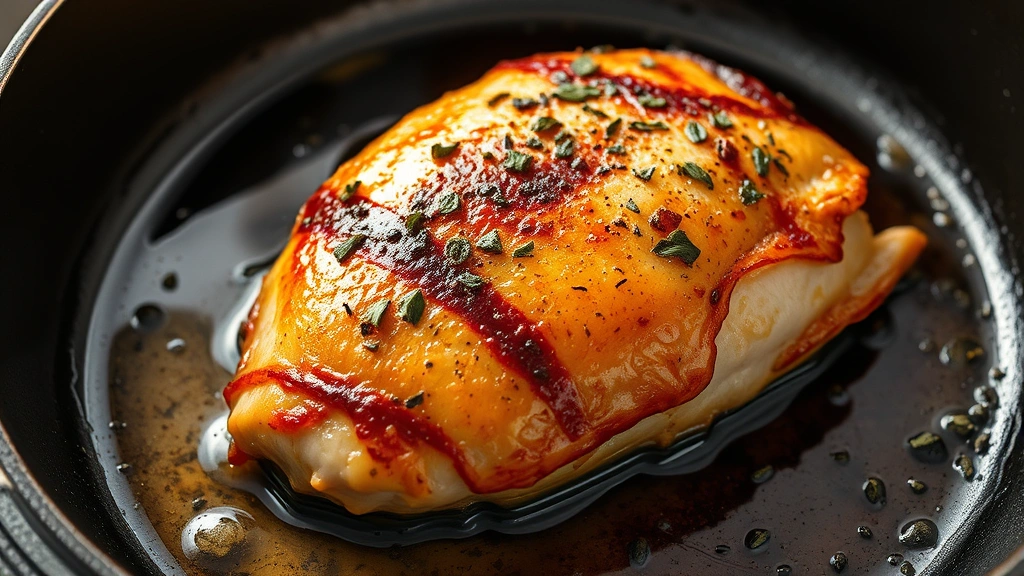
Sear-and-Roast Method: This classic technique combines stovetop searing with oven finishing, creating a flavorful crust while maintaining a tender interior. Heat an oven-safe skillet over medium-high heat with a thin coating of oil until it shimmers. Sear the tenderloin for 2-3 minutes per side until golden brown. Transfer the skillet to a preheated 400°F (200°C) oven and roast for 12-18 minutes depending on thickness, checking temperature at the 12-minute mark. This method provides excellent control and creates pan drippings perfect for sauce making.
Oven-Roasting: For a hands-off approach, roast the tenderloin at 425°F (220°C) for 18-25 minutes after bringing it to room temperature. This method works beautifully when you’ve properly seared the meat beforehand or when using compound butters and herb coatings that brown during roasting. The higher heat ensures the exterior develops color while the shorter cooking time prevents overcooking.
Slow-Cooker Method: While unconventional, slow cooking produces remarkably tender results. Place the tenderloin in a slow cooker with liquid (broth, wine, or marinade) and cook on low for 4-6 hours. The extended, gentle heat breaks down connective tissue thoroughly. However, this method doesn’t create a browned exterior, so many cooks sear the meat beforehand and finish with a quick high-temperature blast to develop color.
For advanced cooks interested in precision cooking, sous vide techniques offer unparalleled control. Vacuum-seal the tenderloin with seasonings and cook at 150-155°F (65-68°C) for 1.5 to 2 hours, then sear briefly in a hot skillet for color. This method eliminates guesswork entirely and produces perfectly juicy results every single time.
For additional culinary insights, explore Serious Eats’ comprehensive cooking guides which cover protein cooking science in detail.
Step-by-Step Recipe Instructions
Ingredients:
- 1 turkey tenderloin (1.5 to 2.5 pounds)
- 1.5 teaspoons kosher salt
- 1 teaspoon black pepper
- 2 teaspoons fresh rosemary, minced
- 2 teaspoons fresh thyme, minced
- 4 cloves garlic, minced
- 3 tablespoons olive oil, divided
- Juice of 1 lemon
- 1/2 cup dry white wine (optional)
Preparation (8-24 hours before cooking):
- Pat the turkey tenderloin completely dry using paper towels
- Remove silverskin if present using a sharp knife
- Sprinkle kosher salt evenly over all surfaces—this begins the dry brining process
- Refrigerate uncovered for at least 8 hours, preferably overnight
- Combine minced garlic, rosemary, thyme, black pepper, 2 tablespoons olive oil, and lemon juice in a bowl
- Remove tenderloin from refrigerator and rub with the herb mixture
- Return to refrigerator and marinate for 4-12 hours, covered
Cooking Day Instructions:
- Remove turkey tenderloin from refrigerator 30-40 minutes before cooking to allow it to reach room temperature
- Preheat oven to 400°F (200°C)
- Pat the tenderloin completely dry with fresh paper towels, removing excess marinade
- Heat 1 tablespoon olive oil in an oven-safe skillet over medium-high heat until it shimmers
- Carefully place the tenderloin in the hot skillet and sear for 2-3 minutes without moving, until a golden crust forms
- Flip and sear the other side for 2-3 minutes until golden brown
- Pour wine around the tenderloin (not directly on it) if using
- Transfer the skillet to the preheated oven
- Roast for 12-18 minutes, checking internal temperature at the 12-minute mark
- Remove when internal temperature reaches 160-162°F in the thickest part
- Transfer tenderloin to a cutting board and tent loosely with foil
- Allow to rest for 10 minutes—this is crucial as it allows juices to redistribute throughout the meat
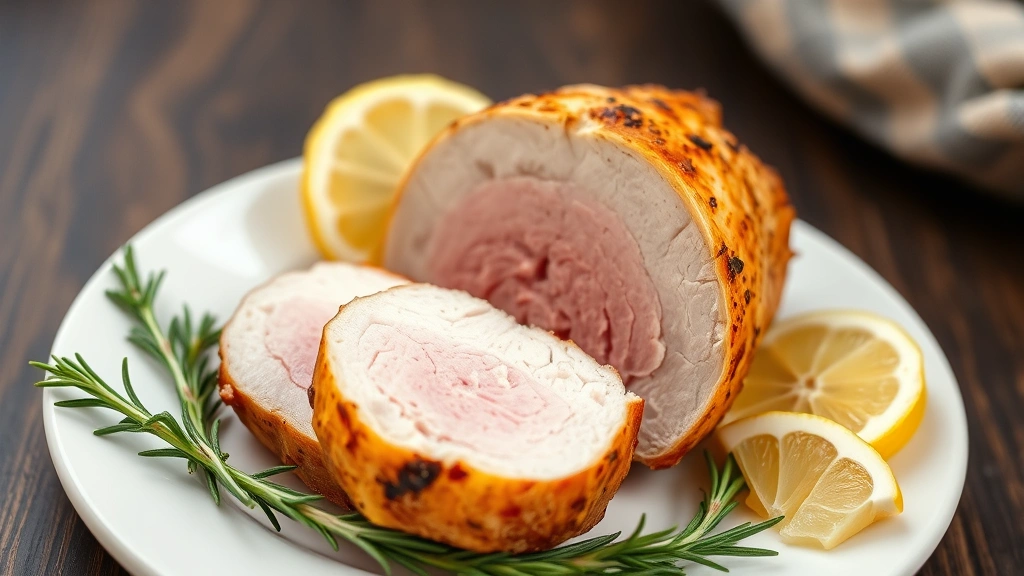
- Slice against the grain into half-inch thick pieces
- Drizzle with pan juices and serve immediately
Serving Suggestions and Perfect Side Dishes
The delicate flavor of turkey tenderloin pairs beautifully with numerous side dishes. For a Mediterranean approach, serve alongside roasted vegetables like zucchini, bell peppers, and eggplant drizzled with olive oil and herbs. Creamy sides such as mashed potatoes or cauliflower puree complement the lean protein wonderfully, adding richness that balances the meat’s leanness.
Grain-based sides work exceptionally well with turkey tenderloin. Farro pilaf with toasted nuts, wild rice with mushrooms, or quinoa with dried cranberries and herbs all provide textural contrast and nutritional balance. For those seeking lighter options, simple preparations like steamed asparagus, roasted Brussels sprouts, or a fresh green salad dressed with lemon vinaigrette provide refreshing counterpoints to the rich, savory meat.
Wine pairing elevates the dining experience considerably. White wines like Pinot Grigio, Sauvignon Blanc, or unoaked Chardonnay complement the turkey’s delicate flavor without overpowering it. For red wine preferences, lighter options like Pinot Noir work beautifully, particularly when the turkey has been prepared with earthy herbs like rosemary and thyme.
Create a pan sauce from the drippings by adding stock or wine to the skillet after removing the meat, scraping up browned bits, and simmering until reduced by half. Whisk in butter and fresh herbs for an elegant finishing touch. This simple sauce transforms your tenderloin into restaurant-quality fare that impresses family and guests alike.
Storage and Leftover Ideas
Cooked turkey tenderloin keeps refrigerated for 3-4 days when stored in an airtight container. For longer storage, freeze sliced or whole tenderloins in freezer bags for up to 3 months. Thaw frozen turkey overnight in the refrigerator before reheating.
Leftover turkey tenderloin transforms into numerous delicious meals. Slice it thinly for sandwiches with arugula, roasted red peppers, and aioli on crusty bread. Dice it for grain bowls topped with roasted vegetables, fresh herbs, and a tahini dressing. Add shredded turkey to soups, salads, or tacos for quick, protein-rich meals. Many cooks enjoy making turkey salad with diced tenderloin, Greek yogurt, diced celery, dried cranberries, and pecans—a lighter alternative to traditional chicken salad.
For those interested in expanding their culinary repertoire, explore healthy dessert recipes to round out your meal planning, or discover top food documentaries to watch in 2025 for culinary inspiration and food science knowledge.
Consider batch cooking turkey tenderloins on weekends. Season and cook multiple tenderloins simultaneously, then portion them for use throughout the week in various applications. This approach streamlines meal preparation and ensures you always have quality protein available for quick dinners.
FAQ
How long does it take to cook turkey tenderloin?
Total cooking time typically ranges from 12-25 minutes depending on thickness and cooking method. The sear-and-roast approach takes approximately 20-25 minutes total (including searing time), while direct oven roasting takes 18-25 minutes. Always use a meat thermometer rather than relying on time, as thickness varies significantly between tenderloins.
Can I cook turkey tenderloin from frozen?
It’s not recommended. Frozen turkey takes significantly longer to cook, and the exterior may overcook before the interior reaches safe temperature. Thaw in the refrigerator for 24 hours before cooking for best results. In emergencies, you can thaw using the cold water method—submerge the sealed package in cold water, changing water every 30 minutes, for approximately 1-2 hours depending on size.
Why is my turkey tenderloin dry?
Dryness typically results from overcooking. Turkey tenderloin dries out quickly once it exceeds 165°F internal temperature. Pull it at 160-162°F and allow carryover cooking to finish the process. Additionally, ensure you’re resting the meat for at least 10 minutes after cooking—this allows juices to redistribute throughout rather than running onto your plate.
What’s the difference between turkey tenderloin and turkey breast?
Turkey tenderloin is a specific cut from the breast area that’s smaller, more tender, and cooks more quickly than whole turkey breast. It’s easier to portion and typically more moist due to its size and structure. Whole turkey breast is larger, takes longer to cook, and often dries out more easily.
Can I marinate turkey tenderloin overnight?
Yes, marinating overnight produces excellent flavor development. However, limit marinating to 24 hours maximum. Extended marinating with acidic ingredients can break down the proteins excessively, creating a mushy texture. For optimal results, dry brine for 8-24 hours, then marinate for 4-12 hours before cooking.
What internal temperature should turkey tenderloin reach?
Food safety guidelines recommend 165°F (74°C) in the thickest part. However, many cooks prefer pulling at 160-162°F for superior juiciness, as carryover cooking brings it to exactly 165°F while resting. Always use an instant-read thermometer inserted into the thickest part of the meat for accuracy.
How do I keep turkey tenderloin moist during cooking?
Dry brining with salt, marinating with oil-based liquids, and using proper cooking temperatures are essential. Avoid overcooking by monitoring temperature carefully. Additionally, tent the resting meat loosely with foil to keep it warm without trapping steam that would dry the surface. Consider basting with pan drippings or compound butter during the final minutes of roasting.
For additional cooking science and technique information, consult America’s Test Kitchen’s detailed cooking guides and The Spruce Eats’ comprehensive recipe resources for professional-level cooking instruction.


