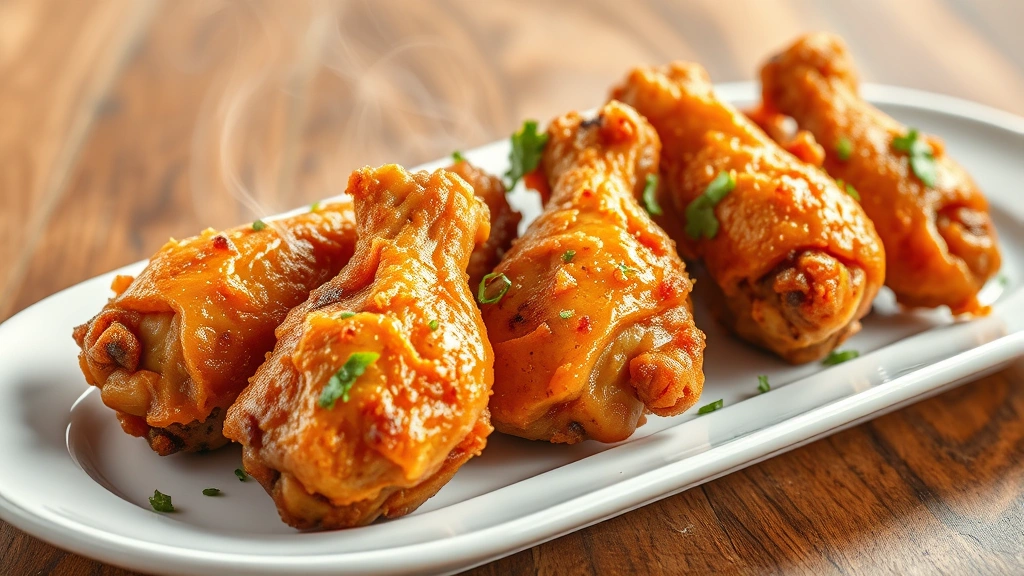
Crispy Turkey Wings? Chef-Approved Method
Turkey wings are an underrated cut of poultry that deserves far more attention in home kitchens. With their perfect ratio of skin to meat and incredible flavor potential, these wings can rival any chicken wing when prepared correctly. The key to achieving that coveted crispy exterior while maintaining juicy, tender meat inside lies in understanding the proper techniques and timing that professional chefs swear by.
This comprehensive guide walks you through every step needed to master crispy turkey wings at home. Whether you’re planning a casual weeknight dinner, preparing food for a gathering, or simply exploring new comfort food recipes, turkey wings deliver exceptional results when you follow these chef-approved methods. The techniques outlined here have been tested and refined to ensure consistent, restaurant-quality outcomes every single time.
Why Turkey Wings Are Worth Your Time
Turkey wings occupy a unique position in the poultry world. They contain more dark meat than chicken wings, which means richer flavor and superior moisture retention during cooking. The skin-to-meat ratio makes them ideal for achieving that crispy exterior that everyone craves, while the meat underneath remains succulent and flavorful.
From a culinary perspective, turkey wings are incredibly versatile. They work beautifully as a standalone main course, pair wonderfully with sides, and can be prepared using virtually any cooking method. Professional chefs appreciate turkey wings because they’re forgiving—the higher fat content means they’re less likely to dry out compared to leaner poultry cuts. Additionally, they’re typically more affordable than chicken wings at most butcher counters and supermarkets, making them an economical choice for feeding larger groups.
The flavor profile of turkey is distinctly different from chicken. It’s more robust, slightly gamey in the best way possible, and takes on seasonings and marinades beautifully. When you achieve that perfect crispy skin, you’re locking in all those delicious flavors while creating textural contrast that makes every bite satisfying.
Selecting and Preparing Your Turkey Wings
The foundation of any great dish starts with quality ingredients. When shopping for turkey wings, look for pieces that are plump and well-proportioned, with skin that appears intact and unblemished. Fresh turkey wings are always preferable to frozen, but frozen wings work excellently if thawed properly—allow at least 24 hours in the refrigerator rather than using quick thaw methods.
Once you have your wings, inspect them carefully. Remove any stray feathers or quills by using tweezers or the edge of a sharp knife. Trim any excess skin that hangs loosely, as these pieces tend to burn during cooking. You’ll want to leave the main skin intact, as this is where the crispiness develops.
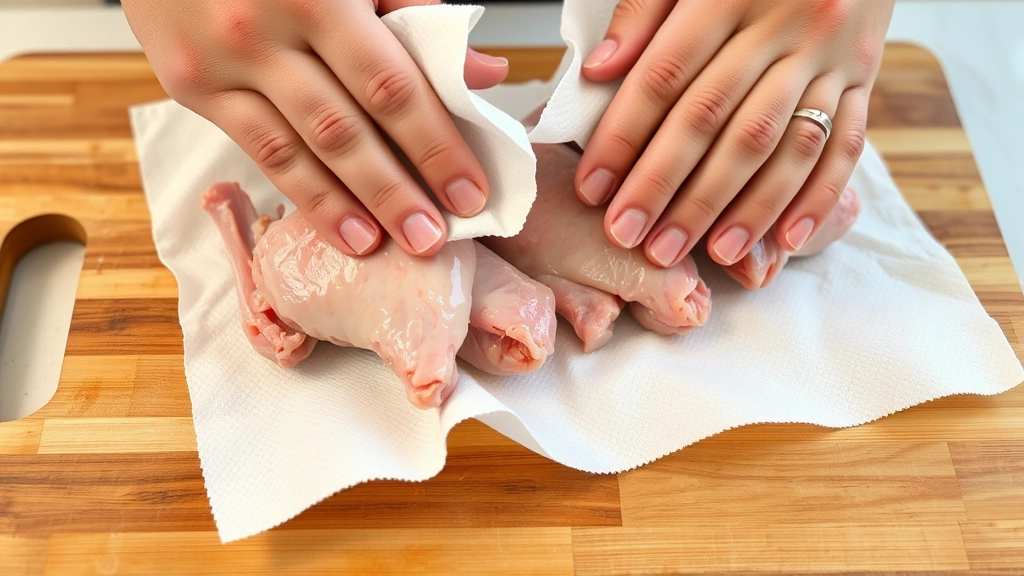
Pat the wings dry with paper towels—this step cannot be overstated. Moisture is the enemy of crispiness, and removing surface water is absolutely essential. Don’t be timid; press firmly with paper towels and change them out as needed. Some chefs prefer to let wings air-dry uncovered in the refrigerator for several hours or overnight, which creates even better results by allowing the skin to dry completely.
Examine each wing for any remaining pinfeathers or hair. Run your fingers across the skin to feel for any stubble. These imperfections affect the final texture and appearance, so take time to remove them. If you’re preparing a large batch, this preparation step takes longer but ensures professional-looking results.
The Pat-Dry Method: Your Secret Weapon
Professional kitchens understand that moisture control is paramount when achieving crispy skin on poultry. The pat-dry method is deceptively simple but makes an enormous difference in your final results. This isn’t just about dabbing wings with paper towels—it’s a deliberate technique that removes every possible bit of surface moisture.
Start by removing turkey wings from packaging and placing them on a clean cutting board lined with paper towels. Use fresh paper towels and press firmly against each wing, rotating to ensure all surfaces make contact with the towels. Pay special attention to crevices, under the wings, and any areas where moisture tends to pool.
After the initial pat-down, let the wings rest uncovered on a wire rack set over a baking sheet. Position this in your refrigerator for at least 4 hours, though overnight is ideal. This resting period allows the skin to dry thoroughly through air circulation, and the cool temperature prevents bacterial growth while maximizing crispiness potential.
When you’re ready to cook, pat the wings once more with fresh paper towels. This final pass removes any condensation that accumulated during storage. Some chefs even use clean kitchen towels instead of paper towels for the final pat-down, as cloth absorbs moisture more effectively than paper.
Seasoning Strategies for Maximum Flavor
Seasoning turkey wings requires a balanced approach. Unlike delicate fish or vegetables, turkey can handle bold flavors and generous seasoning without becoming overwhelming. The key is building layers of flavor that complement the rich, dark meat.
Start with the fundamentals: kosher salt and freshly ground black pepper. These aren’t optional—they’re essential. Apply seasoning generously on both sides, getting underneath the skin when possible. Salt draws moisture to the surface initially, but if applied several hours before cooking, it actually helps the skin crisp up by breaking down proteins in a process called salting.
Beyond basic seasoning, consider these flavor-building options:
- Dry rubs: Combine paprika, garlic powder, onion powder, cayenne pepper, thyme, and rosemary for a complex profile
- Herb pastes: Mix softened butter with fresh herbs and work under the skin for deep flavor penetration
- Spice blends: Try garam masala, za’atar, or barbecue spice rubs for international flair
- Acidic marinades: Combine vinegar or citrus juice with oil and spices for tenderizing and flavor
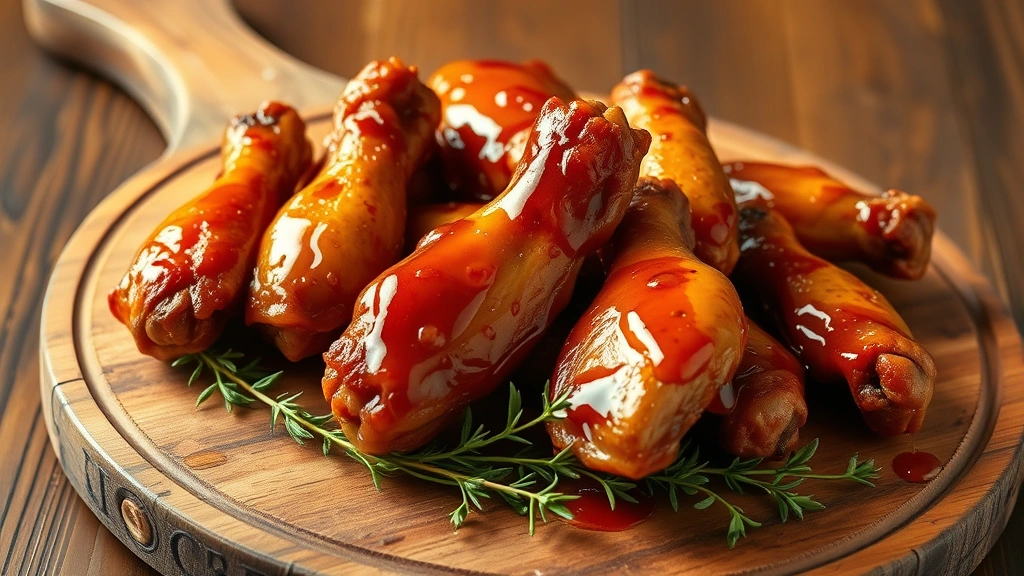
- Honey or maple glazes: Apply these during the final cooking stages for caramelized, glossy skin
Apply dry rubs at least 2-3 hours before cooking, or preferably overnight. This allows the seasonings to penetrate the meat and form a flavorful crust during cooking. If using wet marinades, limit marinating time to 4-8 hours maximum, as extended marinating can make the meat mushy.
Oven-Roasting Technique for Crispy Results
Oven-roasting is perhaps the most reliable method for achieving consistently crispy turkey wings. This technique uses dry heat and proper temperature management to render the skin while cooking the meat through evenly.
Temperature and timing matter tremendously. Preheat your oven to 425°F (220°C). Line a baking sheet with aluminum foil for easy cleanup, then place a wire rack on top. Arrange seasoned turkey wings on the rack skin-side up, ensuring they don’t touch each other—air circulation is crucial for crispiness.
Roast for 15 minutes at 425°F to start the crisping process. Then reduce the temperature to 375°F (190°C) and continue roasting for 35-45 minutes, depending on wing size. The wings are done when the internal temperature reaches 165°F (74°C) when measured at the thickest part of the meat without touching bone.
For extra crispy skin, increase the final temperature back to 425°F for the last 5 minutes of cooking. Watch carefully during this time to prevent burning. The skin should be deeply golden brown and crackle when bitten.
If you want to apply glazes or sauces, do so only during the final 10-15 minutes of cooking. Earlier application causes the coating to burn. Baste every 15 minutes with pan drippings to keep the meat moist while the skin crisps.
Pan-Searing and Finishing Method
For maximum crispiness and deep flavor development, many professional chefs prefer the pan-searing method. This technique starts on the stovetop and finishes in the oven, creating exceptional results.
Heat a large cast-iron or stainless steel skillet over medium-high heat. Add a small amount of oil with a high smoke point—avocado oil or refined vegetable oil work best. Once the oil shimmers, carefully place seasoned turkey wings skin-side down in the hot pan.
Don’t move the wings for 5-7 minutes. This extended contact with the hot surface renders the fat under the skin and creates a golden, crispy exterior. You’ll hear sizzling sounds and smell incredible aromas—this is the Maillard reaction happening, creating complex flavors through browning.
Flip the wings and sear the other side for 2-3 minutes until lightly browned. Then transfer the entire skillet to a preheated 375°F (190°C) oven. Roast for 25-35 minutes until the internal temperature reaches 165°F (74°C).
The beauty of this method is that you can deglaze the pan drippings to create a quick sauce. After removing the wings, place the skillet over medium heat and add chicken or turkey broth, scraping up the browned bits. Reduce by half and finish with a pat of butter for a silky pan sauce.
Grilling Turkey Wings Like a Pro
Grilling offers a fantastic way to prepare turkey wings with smoky flavor and beautiful char marks. This method requires careful temperature management to prevent burning while ensuring the meat cooks through.
Prepare your grill for two-zone cooking: one side at medium-high heat (around 400°F / 200°C) and the other side at medium heat (around 350°F / 175°C). This setup allows you to start with direct heat for crisping and finish with indirect heat for gentle cooking.
Place seasoned wings on the hotter side of the grill skin-side down. Grill for 6-8 minutes without moving them, allowing the skin to crisp and char. Flip and grill the other side for 4-5 minutes. Then move the wings to the cooler side of the grill and cover. Continue cooking for 20-30 minutes, turning occasionally, until the internal temperature reaches 165°F (74°C).
For added flavor, consider using wood chips. Soak hickory, apple, or cherry wood chips for 30 minutes, then place them in a smoker box or aluminum foil packet with holes punched through it. Position this over the heat source for subtle smokiness that complements turkey beautifully.
Brush wings with your chosen glaze or sauce during the final 5-10 minutes of grilling for a caramelized finish. Be careful not to apply sugary glazes too early, as they burn easily over direct heat.
Sauce Pairings and Serving Suggestions
While crispy turkey wings shine on their own, the right sauce elevates them to restaurant-worthy status. Consider these pairing options that complement the rich, dark meat:
Classic pairings: Buffalo sauce with blue cheese dressing remains timeless. Barbecue sauce—whether vinegar-based, mustard-based, or tomato-based—brings traditional American flavor. Teriyaki glaze creates an Asian-inspired option with perfect sweet-savory balance.
For something different, try honey-sriracha for heat with sweetness, or a chimichurri sauce for bright, herbaceous flavor. You can even prepare homemade salad dressings and use them as dipping sauces—ranch, Caesar, or herb dressings work surprisingly well.
Side dish suggestions that pair beautifully with turkey wings include roasted vegetables, creamy coleslaw, baked beans, cornbread, or a fresh green salad with tangy vinaigrette. If you’re looking for more inspiration, explore healthy crockpot recipes for complementary sides that can be prepared simultaneously.
For grilling enthusiasts, check out our guide on how to grill steak perfectly for additional grilling technique insights that apply to poultry as well.
Turkey wings also work beautifully in comfort food recipes beyond the traditional wing preparation. Consider slow-cooking them in broth for a soul-warming stew, or shredding the meat for tacos and sandwiches.
FAQ
How long do turkey wings take to cook?
Cooking time depends on the method and wing size. Oven-roasting typically takes 50-60 minutes total (15 minutes at 425°F, then 35-45 minutes at 375°F). Pan-searing and finishing takes about 35-40 minutes. Grilling usually requires 30-40 minutes. Always verify doneness with a meat thermometer—internal temperature should reach 165°F (74°C).
Can I prepare turkey wings ahead of time?
Absolutely. Season wings and let them rest uncovered in the refrigerator for up to 24 hours before cooking. This actually improves flavor and crispiness. You can also cook them completely, then reheat gently in a 300°F (150°C) oven for 10-15 minutes to restore crispiness without drying out the meat.
What’s the difference between turkey wings and chicken wings?
Turkey wings are significantly larger with more dark meat and higher fat content, making them more flavorful and forgiving to cook. They’re less likely to dry out and have a richer taste. Chicken wings are smaller and lighter, better for appetizers. Turkey wings work better as a main course.
How do I store leftover turkey wings?
Store cooked wings in an airtight container in the refrigerator for up to 4 days. Freeze for up to 3 months. Reheat in a 300°F (150°C) oven until warmed through, about 10-15 minutes, to maintain crispiness. Avoid microwaving, which makes skin soggy.
Are turkey wings healthy?
Turkey wings contain quality protein and B vitamins, though they’re higher in fat than skinless poultry. For a healthier preparation, remove some skin before cooking or choose roasting methods that allow fat to drain. The dark meat is more nutritious than white meat, providing iron and zinc.
Can I use these methods for other poultry?
Yes, these techniques work beautifully for chicken wings, duck legs, and other poultry cuts. Adjust cooking times based on size and thickness. The fundamental principles of moisture removal, proper seasoning, and temperature management apply universally to achieving crispy poultry skin.
What external resources help me master poultry cooking?
The Culinary School Central offers comprehensive guides on poultry preparation techniques. Serious Eats provides detailed food science explanations for why these methods work. Kitchen Stewardship shares practical cooking tips and techniques. MasterClass features professional chefs teaching poultry preparation methods. Finally, The Spruce Eats offers tested recipes and cooking guidance for various poultry preparations.


