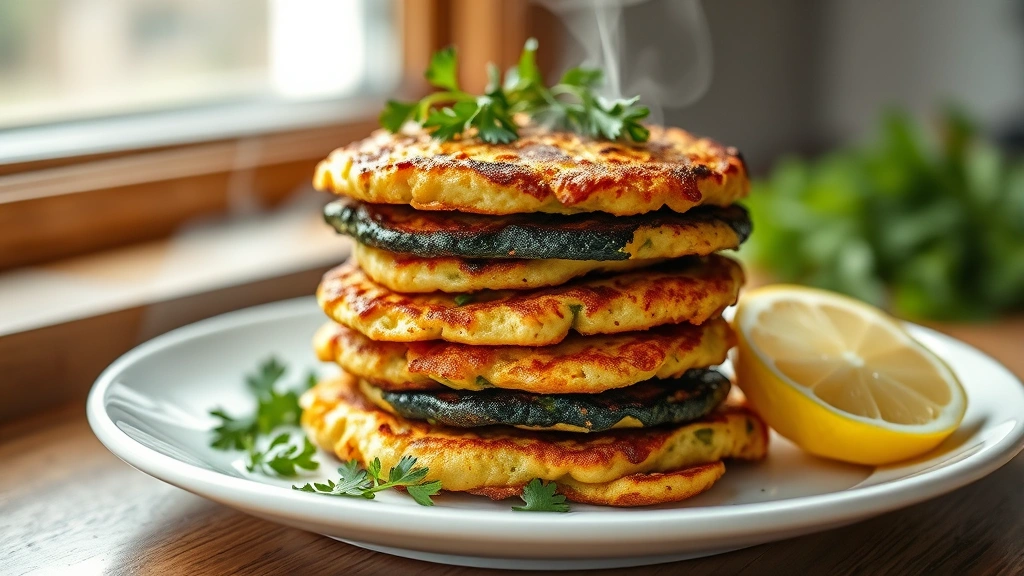
Crispy Zucchini Fritters: Grandma’s Secret Recipe for Perfect Golden Patties
There’s something magical about the way a perfectly cooked zucchini fritter sizzles in the pan—golden, crispy on the outside, and tender within. This beloved vegetable side dish has graced family dinner tables for generations, passed down through kitchens with whispered tips and carefully guarded techniques. My grandmother’s version became legendary at neighborhood potlucks, and after years of perfecting her method, I’m finally sharing the secrets that make these fritters absolutely irresistible.
What makes zucchini fritters so special isn’t just their incredible taste—it’s their versatility. Serve them as a vegetable side dish, a light lunch with a dollop of Greek yogurt recipes for dipping, or even as part of your high protein recipes for weight loss meal plan. They’re naturally low in carbs, packed with nutrients, and absolutely crave-worthy when prepared correctly.
In this comprehensive guide, I’ll walk you through every step of creating restaurant-quality zucchini fritters at home, complete with the techniques that transform ordinary ingredients into something extraordinary. Whether you’re a seasoned cook or a kitchen beginner, you’ll discover why this recipe has become a family heirloom worth preserving.
Why Grandma’s Recipe Works
The difference between mediocre zucchini fritters and exceptional ones comes down to understanding a few fundamental principles that my grandmother discovered through decades of trial and error. Her secret wasn’t complicated—it was methodical.
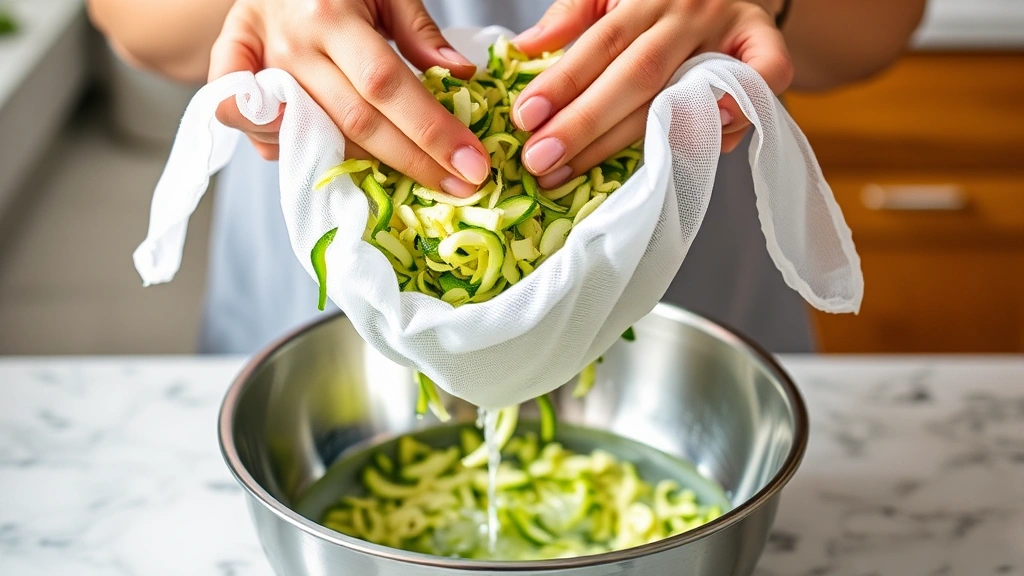
Moisture management is the cornerstone of crispy fritters. Zucchini contains significant water content, and failing to remove it properly results in soggy, mushy fritters that fall apart during cooking. Grandma’s technique involved salting the grated zucchini generously and letting it sit for fifteen minutes before squeezing out the liquid. This osmotic process draws out moisture without compromising the vegetable’s nutritional integrity.
The second critical element is proper binding. Too little binder and your fritters crumble; too much and they become dense and heavy. The ideal ratio creates a cohesive mixture that holds together while remaining light and airy. Grandma used a combination of flour and egg, but the real trick was understanding how each ingredient contributes to the final texture.
Finally, cooking temperature determines whether you achieve that coveted golden-brown exterior with a creamy interior. The oil must be hot enough to create an immediate crust that seals in moisture, yet not so hot that the outside burns before the inside cooks through. Grandma always tested the temperature with a small piece of zucchini mixture before committing the entire batch.
Essential Ingredients and Substitutions
Understanding each ingredient’s role helps you adapt this recipe to your dietary needs or pantry availability. Here’s what you’ll need for approximately 12-15 fritters:
- 3 medium zucchini (about 1 pound total)—firm, not oversized
- 1 teaspoon kosher salt (for drawing out moisture)
- 2 large eggs—room temperature for better binding
- ½ cup all-purpose flour (or alternatives below)
- ¼ cup grated Parmesan cheese—adds savory depth
- 2 cloves garlic, minced—or ½ teaspoon garlic powder
- ½ teaspoon dried oregano (or Italian seasoning)
- ¼ teaspoon black pepper
- ¼ teaspoon red pepper flakes (optional, for heat)
- Oil for frying—vegetable, canola, or avocado oil work best
Flour alternatives: If you’re following a low carb dinner recipes plan, substitute almond flour (use slightly less—about ⅓ cup) or a combination of almond and coconut flour. For gluten-free cooking, use a 1:1 gluten-free flour blend. Note that texture will vary slightly with substitutions.
Cheese variations: Feta cheese, sharp cheddar, or a blend of mozzarella and Parmesan all work beautifully. For dairy-free options, nutritional yeast provides a savory flavor without dairy.
Binding alternatives: If you’re avoiding eggs, try aquafaba (3 tablespoons per egg) or a flax egg (1 tablespoon ground flaxseed mixed with 3 tablespoons water per egg). Allow flax eggs to sit for 5 minutes before incorporating.
Preparation Secrets for Maximum Crispiness
This is where grandma’s expertise truly shines. Proper preparation determines your success rate before you even heat the oil.
Step 1: Select the right zucchini. Choose medium-sized zucchini with thin skin and minimal seeds. Oversized zucchini contain more water and seeds, making them less suitable for fritters. If you only have large zucchini available, scoop out some of the seedy center before grating.
Step 2: Grate with intention. Use the large holes on a box grater or a food processor fitted with the shredding disk. Consistent size ensures even cooking. Grandma preferred hand-grating because she could control the pressure and avoid over-processing the zucchini into mush.
Step 3: Execute the salt-and-squeeze technique. Place grated zucchini in a colander and sprinkle with one teaspoon of kosher salt. Toss gently to distribute the salt evenly. Let it sit for 15 minutes—this allows osmotic pressure to draw out moisture. After resting, gather the zucchini in a clean kitchen towel or cheesecloth and squeeze firmly over the sink. You’ll be amazed at how much liquid comes out. Squeeze multiple times until no more liquid releases. This step is non-negotiable for crispy fritters.
Step 4: Dry the squeezed zucchini further. Transfer the squeezed zucchini to a clean bowl and let it sit uncovered for 5 minutes while you prepare other ingredients. Any remaining surface moisture will evaporate, and this brief resting period allows the zucchini to relax slightly.
Step 5: Combine ingredients with precision. In a separate bowl, whisk together eggs, then add flour, Parmesan, garlic, oregano, pepper, and red pepper flakes. Mix until just combined—overmixing develops gluten in the flour, leading to tougher fritters. Add the dried zucchini and fold gently until evenly distributed. The mixture should hold together when squeezed but not be wet or sticky.
Step-by-Step Cooking Instructions
Now comes the moment where your preparation pays dividends. This is where technique transforms your mixture into golden, crispy perfection.
Heating the oil: Pour oil into a large skillet to a depth of about ¼ inch. Heat over medium-high heat for 3-4 minutes. To test readiness without a thermometer, drop a tiny piece of zucchini mixture into the oil. It should sizzle immediately and float to the surface within a few seconds. The oil should be around 350-375°F (175-190°C). If you have a thermometer, use it for consistency.
Forming the fritters: Working in batches, scoop approximately 2 tablespoons of mixture per fritter using a spoon or small ice cream scoop. Gently flatten each portion slightly between your palms before placing it in the hot oil. Don’t overcrowd the pan—fritters need space to cook evenly and brown properly. A good rule is 3-4 fritters per batch in a standard 12-inch skillet.
First side cooking: Let fritters cook undisturbed for 3-4 minutes on the first side. Resist the urge to move them around. The bottom should turn deep golden brown before you flip. You’ll notice the edges becoming crispy and the fritters pulling away from the pan slightly—this signals they’re ready to flip.
Second side cooking: Carefully flip each fritter using a thin spatula and cook the second side for 2-3 minutes until equally golden. The second side typically cooks faster since the fritter is already partially cooked through.
Draining: Transfer cooked fritters to a plate lined with paper towels. The residual heat will continue crisping them slightly. Sprinkle with a tiny pinch of salt immediately after removing from the oil—this enhances flavor and helps maintain crispiness.
Keep warm between batches: If you’re cooking multiple batches, keep finished fritters warm in a 200°F (93°C) oven rather than stacking them on a plate. Stacking traps steam and softens the crispy exterior.
Serve zucchini fritters hot or at room temperature. They’re delicious either way, though the crispy texture is most pronounced when warm.
Best Dipping Sauces and Pairings
The right sauce elevates zucchini fritters from excellent to unforgettable. Here are grandma’s favorite combinations:
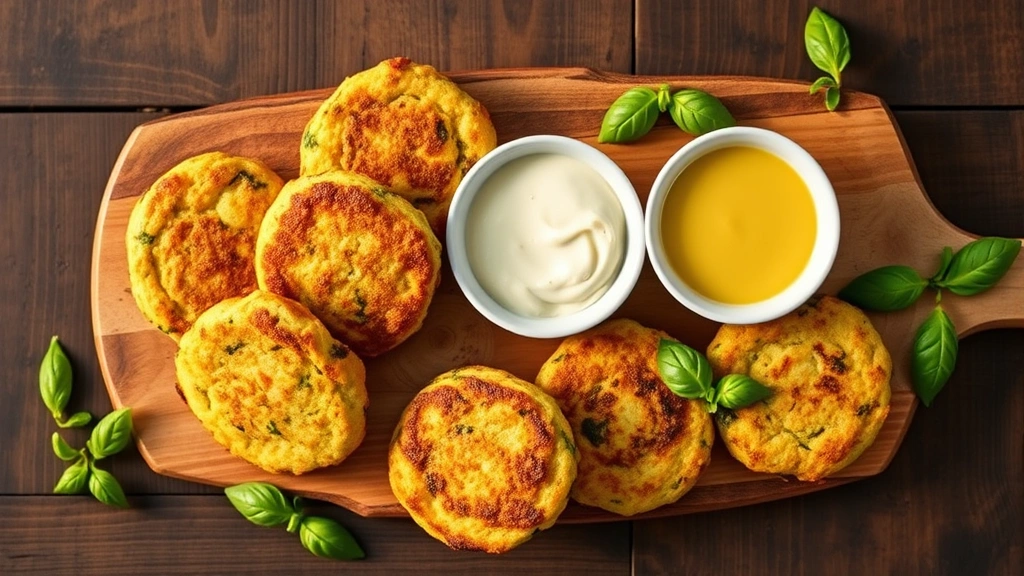
Classic Greek yogurt sauce: Mix one cup of Greek yogurt recipes base (plain Greek yogurt) with one minced garlic clove, juice of half a lemon, one tablespoon fresh dill, and salt and pepper to taste. This creates a cooling, tangy counterpoint to the crispy fritters.
Tzatziki variation: Add grated cucumber and fresh mint to the Greek yogurt sauce for a more complex flavor profile. Drain the cucumber well to prevent the sauce from becoming watery.
Cottage cheese alternative: For something different, try our cottage cheese recipes as a base. Blend cottage cheese with fresh herbs and lemon juice for a lighter dipping sauce that’s equally delicious.
Spicy sriracha mayo: Whisk together mayonnaise, sriracha, lime juice, and a touch of honey for a zesty, modern twist.
Marinara or tomato-based sauce: A simple marinara, perhaps homemade, provides a classic Italian pairing that complements the savory fritters beautifully.
Herb-infused olive oil: For simplicity, warm olive oil with crushed garlic, fresh herbs, and red pepper flakes. Use it as a dipping sauce or drizzle over warm fritters.
Serve fritters as a vegetable side dish alongside grilled proteins, as part of a Mediterranean-inspired plate, or as an appetizer at gatherings.
Storage and Reheating Tips
One of the best aspects of this recipe is that fritters store well and can be prepared ahead for busy weeknights.
Refrigerator storage: Place cooled fritters in an airtight container with parchment paper between layers to prevent sticking. They’ll keep for 3-4 days. Before eating, reheat in a 375°F (190°C) oven for 8-10 minutes to restore crispiness, rather than using a microwave which will make them soggy.
Freezer storage: Fritters freeze beautifully for up to three months. Freeze them on a baking sheet first (about 2 hours) to prevent clumping, then transfer to a freezer bag with parchment between layers. Reheat from frozen at 375°F (190°C) for 12-15 minutes.
Make-ahead batches: Prepare the mixture up to 24 hours ahead, storing it covered in the refrigerator. Cook just before serving for the best texture. If the mixture releases liquid while refrigerated, squeeze it again before cooking.
Batch cooking: Make a double or triple batch and freeze portions. This creates convenient meals for busy weeks and makes these fritters perfect for best breakfast food recipes or quick lunches.
Creative Variations to Try
Once you’ve mastered the basic recipe, these variations keep things interesting:
Zucchini and corn fritters: Add ½ cup fresh or frozen corn kernels to the mixture. The sweetness of corn provides a delightful contrast to the savory elements.
Mediterranean blend: Incorporate sun-dried tomatoes, fresh basil, and pine nuts for a more complex flavor profile inspired by Mediterranean cuisine.
Spicy chorizo version: Mix in ¼ cup cooked, crumbled chorizo and increase the red pepper flakes. Serve with lime-infused crema.
Herb garden edition: Use a combination of fresh herbs—basil, parsley, dill, and chives—instead of dried oregano. Use about 3 tablespoons total fresh herbs, finely minced.
Protein-boosted fritters: Add ¼ cup cottage cheese or Greek yogurt to the mixture along with an extra egg for high protein recipes for weight loss applications. This creates a creamier interior while maintaining crispiness.
Cheesy stuffed fritters: Form a small well in the center of each fritter before cooking and add a small cube of mozzarella or feta. Carefully close the mixture over the cheese before frying.
Zucchini and shrimp fritters: For non-vegetarian adaptations, add ¼ cup finely chopped cooked shrimp to the mixture for a surf-and-turf element.
Experiment with these variations to discover your personal favorite combination, but always maintain the core technique that ensures crispiness.
FAQ
Why are my zucchini fritters soggy?
The most common cause is insufficient moisture removal. Ensure you’re salting the grated zucchini, waiting 15 minutes, and then squeezing thoroughly multiple times. Additionally, verify your oil is hot enough—test with a small piece first. If oil isn’t sufficiently hot, it won’t create the necessary crust. Finally, avoid stacking warm fritters, which traps steam.
Can I bake zucchini fritters instead of frying?
Yes, though they won’t achieve the same level of crispiness. Brush a baking sheet with oil, arrange fritters in a single layer, and spray the tops lightly with cooking oil. Bake at 400°F (204°C) for 15-18 minutes, flipping halfway through. The texture will be more like a baked vegetable cake than a crispy fritter, but they’re still delicious and significantly lower in fat.
What’s the best oil for frying?
Use oils with high smoke points: vegetable oil, canola oil, avocado oil, or refined coconut oil all work excellently. Avoid olive oil, which has a lower smoke point and will impart a flavor some find too strong for these delicate fritters. Peanut oil is also suitable if you don’t have allergies to address.
How do I know when the oil is the right temperature?
The ideal temperature is 350-375°F (175-190°C). If you have a cooking thermometer, use it for accuracy. Without one, the water droplet test works: flick a drop of water into the oil—it should sizzle and evaporate immediately. Alternatively, drop a small piece of zucchini mixture in; it should sizzle, turn golden in about 30 seconds, and float to the top.
Can I make these ahead for a party?
Absolutely. Prepare the mixture up to 24 hours ahead. Cook the fritters 1-2 hours before serving and keep them warm in a 200°F oven. Alternatively, cook them earlier and reheat in a 375°F oven for 8-10 minutes just before serving. They’re also delicious at room temperature.
Are zucchini fritters healthy?
Yes, they’re nutritious when prepared with reasonable oil amounts. Zucchini is low in calories and carbs while providing fiber, vitamins, and minerals. Pan-frying uses less oil than deep-frying. For the healthiest version, bake them instead of frying. They’re an excellent vegetable side dish for any meal plan, including low carb dinner recipes and healthy chicken recipes pairings.
Can I use a food processor to grate the zucchini?
Yes, a food processor with a shredding blade works well and saves time. Process until the zucchini is shredded consistently, but avoid over-processing, which can create a paste. Use the same salt-and-squeeze technique afterward.
What if I don’t have Parmesan cheese?
Any hard, flavorful cheese works: aged cheddar, Gruyère, or Pecorino Romano all add wonderful flavor. For dairy-free versions, nutritional yeast provides a savory umami quality. You can also omit cheese entirely, though it does contribute to the savory depth that makes these fritters special.


