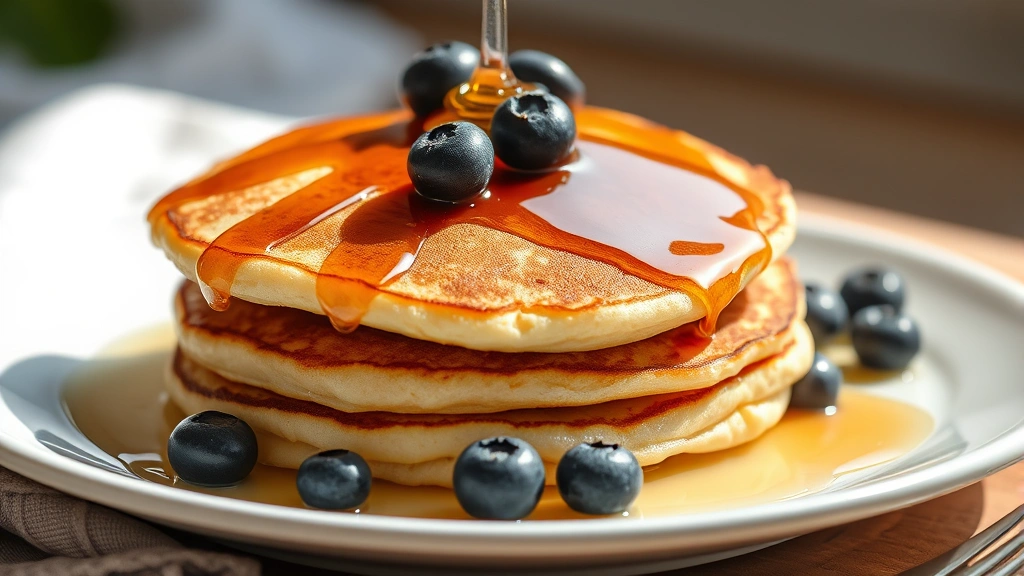
Delicious Cottage Cheese Pancakes: Top-Rated Recipe for Fluffy, Protein-Packed Breakfasts
Cottage cheese pancakes represent one of the most underrated breakfast innovations in modern home cooking. These fluffy, protein-rich pancakes deliver exceptional nutritional value without sacrificing taste or texture. Unlike traditional pancakes that rely heavily on refined flour, cottage cheese pancakes incorporate creamy dairy that creates an incredibly moist interior while maintaining crispy edges. The result is a breakfast dish that satisfies both health-conscious eaters and indulgent breakfast lovers alike.
What makes cottage cheese pancakes particularly special is their versatility. You can serve them with fresh berries, maple syrup, Greek yogurt, or even savory toppings. They’re also naturally higher in protein, making them an excellent choice for post-workout meals or anyone seeking sustained energy throughout the morning. Whether you’re meal prepping for the week or creating a special weekend breakfast, this cottage cheese recipe delivers consistent, delicious results every single time.
The beauty of this recipe lies in its simplicity. With just a handful of ingredients and basic mixing techniques, even novice cooks can produce restaurant-quality pancakes at home. In this comprehensive guide, we’ll walk you through every step of creating perfect cottage cheese pancakes, from ingredient selection to plating techniques that impress.
Why Cottage Cheese Pancakes Are Worth Making
Cottage cheese pancakes stand apart from conventional breakfast options for several compelling reasons. First, they deliver an impressive protein boost—approximately 15-20 grams per serving—making them substantially more nutritious than standard flour-based pancakes. This protein content keeps you fuller longer, preventing mid-morning hunger crashes that often derail healthy eating goals.
The texture profile of cottage cheese pancakes is distinctly superior to traditional versions. The curds in cottage cheese create tiny air pockets during cooking, resulting in an exceptionally fluffy interior. Simultaneously, the natural moisture from the cheese prevents the dry, dense pancakes that sometimes result from overbaking or using too much flour. This balance of moisture and structure is remarkably difficult to achieve with conventional recipes.
From a nutritional standpoint, cottage cheese provides essential amino acids, calcium, and B vitamins. When combined with eggs and a minimal amount of flour, you create a complete protein profile that supports muscle recovery and sustained energy. This makes cottage cheese recipes ideal for athletes, fitness enthusiasts, and anyone prioritizing balanced nutrition. Additionally, cottage cheese contains fewer calories than many traditional pancake batters while delivering superior satisfaction.
Cost-effectiveness is another significant advantage. Quality cottage cheese is generally affordable compared to specialty pancake mixes or boutique breakfast ingredients. You likely already have eggs and basic pantry staples at home, making this recipe economical for regular preparation. When you compare the price per serving to restaurant pancakes or specialty breakfast items, the value becomes immediately apparent.
Essential Ingredients and Substitutions
Creating perfect cottage cheese pancakes begins with understanding each ingredient’s role. The foundation consists of full-fat or 2% cottage cheese, which provides richness and moisture. Avoid non-fat varieties, as they lack the creamy texture necessary for optimal results. One cup of cottage cheese forms the base of this recipe, though you can adjust quantities based on desired thickness.
Eggs are the binding agent that holds everything together while contributing additional protein and richness. Use four large eggs for optimal structure. If you prefer fluffier pancakes, separate the eggs and whip the whites into stiff peaks before folding them into the batter—this incorporates additional air for an even lighter texture. This technique, while requiring extra effort, produces noticeably superior results.
All-purpose flour provides structure without overwhelming the delicate cottage cheese flavor. This recipe requires only one-quarter cup of flour, significantly less than traditional pancake recipes. If you’re gluten-free, substitute with almond flour or a dedicated gluten-free blend. Buckwheat flour creates a slightly nuttier flavor profile while maintaining excellent texture.
Vanilla extract, baking powder, and salt round out the ingredient list. The vanilla enhances subtle sweetness without requiring added sugar, while baking powder creates lift during cooking. Sea salt balances flavors and enhances the natural taste of cottage cheese. For sweetness, add one to two tablespoons of honey, maple syrup, or agave nectar. Some cooks prefer adding a tablespoon of cinnamon for warmth and depth.
Optional additions include lemon zest for brightness, nutmeg for spice, or even a tablespoon of almond butter for richness. Some cottage cheese recipes incorporate mashed banana to add natural sweetness and moisture, though this requires reducing other liquid ingredients slightly. Berries can be folded directly into the batter or reserved for topping.
When selecting cottage cheese for this recipe, look for brands with minimal additives. Smooth varieties work best for pancakes, as chunky styles create uneven texture. Quality matters significantly—premium cottage cheese produces noticeably better results than budget alternatives. Many cooks find that organic, grass-fed cottage cheese delivers superior flavor and creaminess.
For dietary modifications, you can incorporate protein powder, though this requires careful measurement to avoid dense pancakes. Greek yogurt can substitute for up to half the cottage cheese for tangier flavor. Those seeking lower-carb options should use almond flour exclusively and reduce sweeteners. The best healthy food recipes often leverage simple ingredient swaps like these.
Step-by-Step Preparation Guide
Begin by gathering all ingredients at room temperature. Cold eggs and cottage cheese mix unevenly, creating lumpy batter. Remove items from refrigeration fifteen minutes before starting. This seemingly minor detail significantly impacts final texture and cooking consistency.
Add one cup of cottage cheese to a blender or food processor. Blend until completely smooth, approximately one to two minutes. This step is crucial—any remaining curds will create an uneven texture in finished pancakes. If using a food processor, pulse rather than blend to avoid overworking the mixture. You’re aiming for a silky consistency resembling Greek yogurt.
Add four large eggs to the blended cottage cheese along with one tablespoon of vanilla extract and your choice of sweetener. Blend until fully combined, approximately thirty seconds. The mixture should appear uniform with no visible egg white streaks.
In a separate bowl, whisk together one-quarter cup all-purpose flour, one tablespoon baking powder, and one-quarter teaspoon sea salt. You can also add one-half teaspoon cinnamon at this stage if desired. Sift these dry ingredients together to eliminate lumps and incorporate air.
Pour the wet mixture into the dry ingredients, folding gently with a spatula rather than stirring vigorously. Overmixing develops gluten, resulting in tough pancakes. Fold until just barely combined—small flour streaks are preferable to overworked batter. The batter will be thinner than traditional pancake batters, which is correct. Allow the batter to rest for five minutes before cooking, which allows the baking powder to activate slightly.
If you prefer extra-fluffy pancakes, separate the eggs before blending. Blend yolks with cottage cheese and flavorings, then fold in whipped egg whites as the final step. This incorporates maximum air and creates noticeably lighter pancakes, though it requires additional technique. Professional cooking schools often teach this method as the premium approach.
Cooking Techniques for Perfect Results
Proper cooking technique separates mediocre pancakes from exceptional ones. Begin by preheating your griddle or skillet over medium heat for three to five minutes. The surface should be hot enough that a water droplet immediately sizzles and evaporates. If the pan isn’t sufficiently preheated, pancakes will spread excessively and cook unevenly.
Lightly butter or oil your cooking surface. Unlike traditional pancakes that require generous fat, cottage cheese pancakes need minimal grease due to their natural moisture content. A light coating prevents sticking without creating greasy results. Many cooks prefer coconut oil for subtle flavor enhancement, while others choose clarified butter for classic taste.
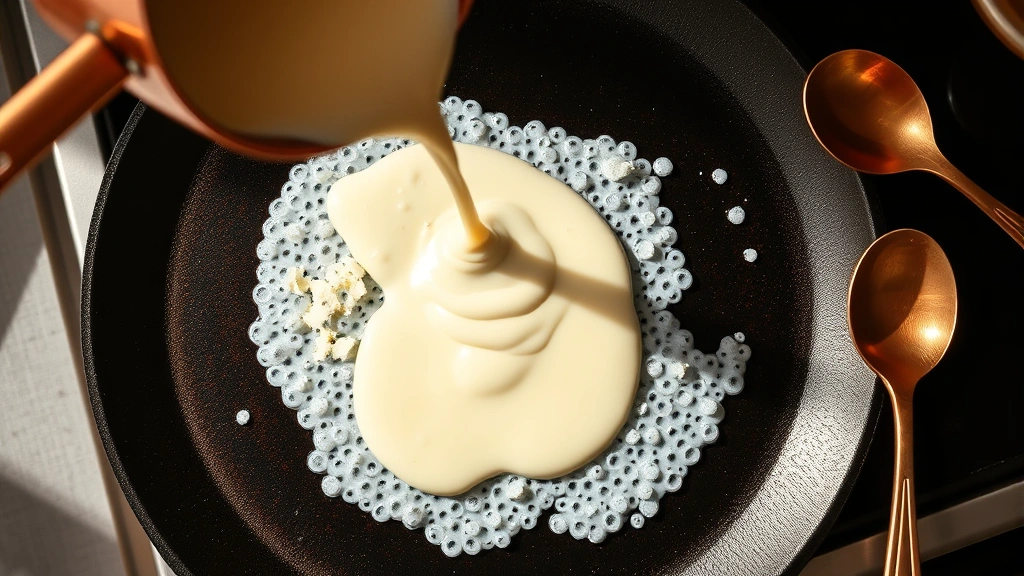
Using a quarter-cup measuring cup or ice cream scoop, pour batter onto the hot surface, spacing pancakes three to four inches apart. These pancakes spread less than traditional varieties, allowing closer spacing. The batter will immediately begin setting around the edges—this is correct. Resist the urge to manipulate the pancakes during this initial cooking phase.
Cook the first side for approximately two to three minutes. You’ll notice bubbles forming across the surface and the edges appearing set while the center remains slightly wet. This visual cue indicates readiness for flipping. Using a thin, flexible spatula, flip gently in one confident motion. Hesitant or multiple flipping attempts damage the delicate structure.
Cook the second side for approximately one and one-half to two minutes until golden brown. This side cooks faster because the pan is fully preheated and the batter is already partially cooked. The pancakes should feel firm to gentle pressure and bounce back when lightly pressed. Avoid pressing down on pancakes during cooking—this compresses air pockets and creates dense results.
Remove finished pancakes to a warm plate and cover loosely with foil to retain heat while cooking remaining batches. If stacking pancakes, place parchment paper between layers to prevent sticking. Properly cooked cottage cheese pancakes should be golden brown with slightly crispy edges and a tender, fluffy interior.
Temperature control is essential throughout cooking. If pancakes brown too quickly on the outside while remaining raw inside, reduce heat to medium-low. Conversely, if they cook too slowly without browning, increase heat slightly. Every stove behaves differently, so adjustment is normal and expected. The Science of Pancakes explains these temperature dynamics in detail.
For batch cooking, keep finished pancakes warm in a 200-degree oven rather than stacking on the stovetop. This maintains quality while you complete cooking. Pancakes held in a warm oven for ten to fifteen minutes remain fluffy and fresh, whereas those sitting on a plate cool and become dense.
Topping Ideas and Serving Suggestions
The beauty of cottage cheese pancakes is their compatibility with virtually any topping. Fresh berries—blueberries, strawberries, raspberries, and blackberries—provide brightness, tartness, and nutritional balance. Warm berries in a saucepan with a touch of honey and lemon juice to create a simple compote that elevates presentation and flavor.
Greek yogurt serves as an excellent topping providing additional protein and creaminess. A dollop of quality Greek yogurt on warm pancakes creates a luxurious mouthfeel reminiscent of European-style breakfasts. Combine Greek yogurt with a drizzle of honey and a sprinkle of granola for textural contrast.
Maple syrup remains the classic choice, though pure varieties taste significantly better than imitation products. Warm syrup before serving—this enhances flavor and prevents the shock of cold liquid on warm pancakes. Some cooks infuse maple syrup with cinnamon or vanilla for additional depth.
Nut butters add richness and protein. Almond butter, peanut butter, or cashew butter spread across warm pancakes provide satisfying umami notes. Drizzle with a touch of honey to balance nutty flavors. This combination creates a breakfast that truly satisfies.
For savory presentations, top pancakes with sautéed mushrooms, fresh herbs, and a fried egg. Cottage cheese pancakes pair surprisingly well with savory elements, offering an elegant brunch option. Finish with microgreens and a light drizzle of truffle oil for restaurant-quality presentation.
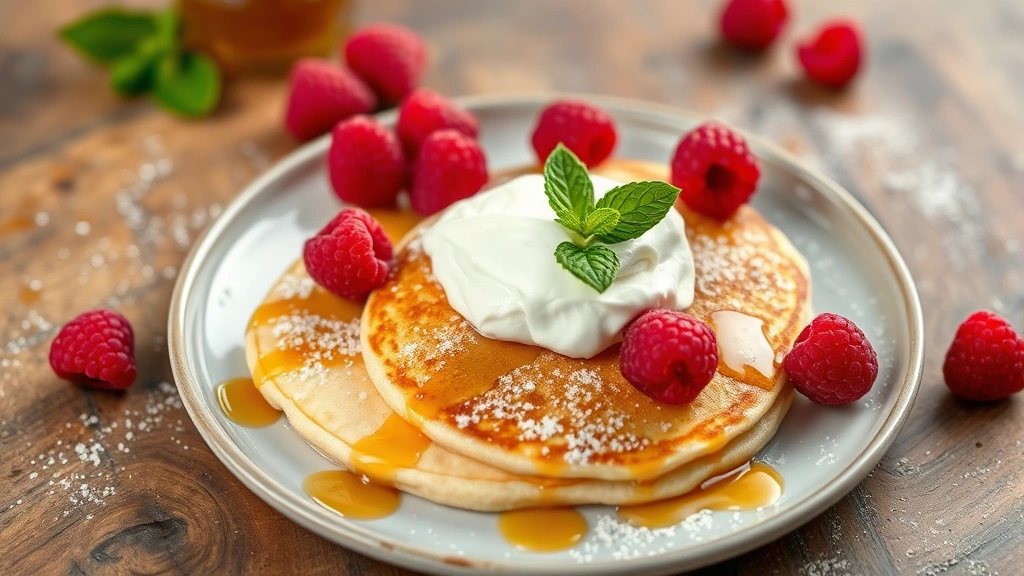
Cinnamon and powdered sugar create simple elegance. Dust warm pancakes with powdered sugar and sprinkle cinnamon, then serve with whipped cream and fresh fruit. This approach requires minimal preparation while delivering impressive visual appeal.
Chocolate lovers can melt dark chocolate and drizzle across pancakes, finishing with raspberries and a touch of whipped cream. This transforms cottage cheese pancakes into an indulgent dessert-like breakfast suitable for special occasions.
Fresh lemon juice and zest brighten cottage cheese pancakes beautifully. Serve with a dollop of crème fraîche and a sprinkle of powdered sugar for French-inspired elegance. This approach highlights the subtle tanginess of cottage cheese while providing sophisticated flavor complexity.
Storage and Make-Ahead Tips
Cottage cheese pancakes store remarkably well, making them ideal for meal preparation. Allow cooled pancakes to rest on a wire rack until completely room temperature before storing. This prevents condensation that creates soggy texture.
Stack cooled pancakes with parchment paper between each layer, then place in an airtight container. Properly stored pancakes keep refrigerated for three to four days. Reheat in a 350-degree oven for five minutes until warmed through, or use a toaster on low setting for quick reheating.
Freezing extends storage to three months. Lay cooled pancakes on a baking sheet in single layers and freeze for two hours. Once frozen solid, transfer to freezer bags, removing excess air. Reheat frozen pancakes in a 350-degree oven for eight to ten minutes, or use a toaster for quick individual servings.
You can prepare the dry ingredient mixture the evening before cooking, storing it in an airtight container. Keep wet ingredients separate and combine only when ready to cook. This streamlines morning preparation while ensuring maximum freshness.
Some cooks prepare the complete batter and refrigerate for up to twelve hours. The baking powder will lose some potency, so consider adding an additional half-teaspoon when cooking batter that’s been refrigerated overnight. Mix gently before cooking to redistribute ingredients.
Cottage cheese pancakes are excellent for batch cooking and freezing, making them perfect for busy weeks. Prepare a double batch on Sunday, freeze individual portions, and enjoy quick, protein-packed breakfasts throughout the week. This approach supports consistent healthy eating without daily cooking effort. For additional make-ahead breakfast inspiration, explore our easy dinner recipes for beginners which include breakfast options.
FAQ
Can I make cottage cheese pancakes without a blender?
Yes, though results are slightly less fluffy. Use a fork or whisk to break down cottage cheese as finely as possible, then whisk together with eggs and flavorings. The mixture won’t be perfectly smooth, but pancakes will still taste delicious. A food processor works equally well as a blender if that’s what you have available.
Why are my cottage cheese pancakes coming out dense?
Overmixing is the most common cause. Fold gently until barely combined—small flour streaks are acceptable. Additionally, ensure your baking powder is fresh (it loses potency after six months), and don’t skip the five-minute resting period before cooking. Using cold ingredients rather than room temperature can also result in density.
Can I add mix-ins like chocolate chips or berries?
Absolutely. Fold berries or chocolate chips into the batter after combining wet and dry ingredients. Use no more than half a cup of mix-ins to avoid disrupting structure. Fresh berries work better than frozen, which release excess moisture during cooking. For chocolate chips, use mini varieties that distribute more evenly.
Are cottage cheese pancakes truly higher in protein?
Yes. A typical serving of four pancakes contains approximately 15-20 grams of protein, compared to 5-8 grams in traditional pancakes. This makes them substantially more nutritious and satisfying. The protein comes primarily from cottage cheese and eggs, both complete protein sources containing all essential amino acids.
Can I use Greek yogurt instead of cottage cheese?
You can substitute up to half the cottage cheese with Greek yogurt for tangier flavor and slightly different texture. However, Greek yogurt is thinner than cottage cheese, so you may need to reduce other liquid ingredients or add slightly more flour. Pure cottage cheese produces the most reliable results.
What’s the best way to reheat frozen pancakes?
Oven reheating at 350 degrees for eight to ten minutes produces the best results, maintaining fluffiness better than other methods. Alternatively, use a toaster on low setting for individual pancakes, checking frequently to avoid overdrying. Microwave reheating is fastest but can produce rubbery texture.
How do I prevent pancakes from spreading too much?
Ensure your griddle is properly preheated and your batter is at room temperature. Don’t thin the batter excessively—it should be thicker than crepe batter but thinner than traditional pancake batter. If pancakes still spread too much, fold in slightly more flour (one tablespoon at a time) to your batter.
Can cottage cheese pancakes be made vegan?
Traditional cottage cheese isn’t vegan, but you can substitute with silken tofu or cashew cream blended until smooth. Use four tablespoons of ground flaxseed mixed with six tablespoons of water as an egg replacement. Results differ from traditional versions, but vegan cottage cheese pancakes are absolutely possible with these substitutions.
Why does my batter seem too thin?
This is normal! Cottage cheese pancake batter is naturally thinner than traditional recipes because it contains less flour and gets moisture from cottage cheese and eggs. If you’ve blended the cottage cheese properly and combined ingredients correctly, your batter is likely perfect. Trust the recipe—the thin consistency produces fluffy pancakes.
Can I add protein powder to cottage cheese pancakes?
Yes, though carefully. Add no more than two tablespoons of vanilla-flavored protein powder to avoid dense pancakes. Reduce flour by one tablespoon for each tablespoon of protein powder added to maintain proper batter consistency. Unflavored varieties work better than chocolate or fruit flavors, which can overpower subtle cottage cheese taste.


