Celery Juice Recipe: Nutritionist Approved Guide to Making Fresh Juice at Home
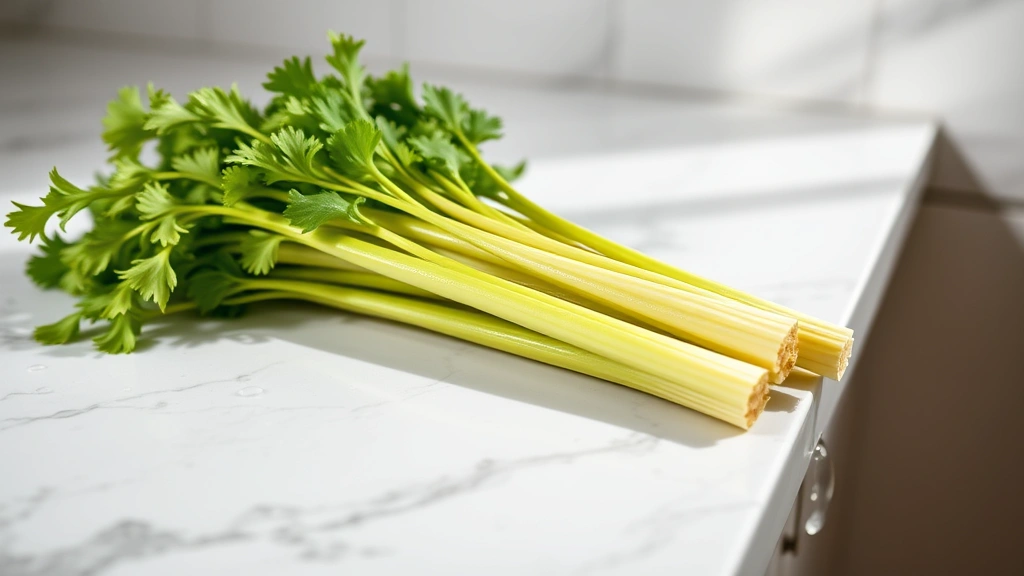
Celery juice has become a wellness sensation, and for good reason. This pale green elixir is packed with essential minerals, vitamins, and phytonutrients that support digestion, reduce inflammation, and boost overall health. Unlike trendy juice cleanses that promise miraculous results, celery juice backed by nutritional science offers real, measurable benefits when incorporated into a balanced diet. The beauty of making celery juice at home is that you control the quality of ingredients and can customize it to suit your taste preferences and nutritional goals.
Whether you’re a health-conscious cook looking to expand your easy dinner recipes repertoire or someone beginning a wellness journey, learning to make fresh celery juice is simpler than you might think. This guide walks you through everything from selecting the best celery to troubleshooting common extraction issues, ensuring you get the maximum nutritional benefit from every glass.
Why Make Celery Juice at Home
Commercial celery juice can cost anywhere from five to eight dollars per bottle, and quality varies dramatically depending on the brand and processing methods used. When you make celery juice at home, you eliminate middlemen and ensure absolute freshness. Store-bought versions often contain added sugars, preservatives, or undergo heat pasteurization that destroys heat-sensitive nutrients like vitamin C and certain enzymes.
Making celery juice yourself also allows you to source organic celery directly from farmers markets or trusted suppliers, significantly reducing pesticide exposure. Celery ranks among the “Dirty Dozen” produce items with the highest pesticide residues, making organic selection particularly important for this recipe. Home preparation takes approximately ten minutes once you have your equipment ready, making it more practical than many people realize.
The nutritional profile of fresh celery juice includes sodium, potassium, magnesium, calcium, and silicon—minerals that support bone health, nerve function, and cellular hydration. Additionally, celery contains compounds like 3-n-butylphthalide (3nB) and luteolin, which research suggests may help reduce blood pressure and inflammation. When you prepare it fresh, these beneficial compounds remain intact and bioavailable for your body to absorb effectively.
Ingredients and Equipment Needed
Ingredients:
- 1 large bunch of fresh organic celery (approximately 16 stalks)
- Filtered water (optional, for dilution)
- Fresh lemon juice (optional, for flavor enhancement)
The primary ingredient is celery itself—specifically, the stalks rather than celery root or celery seed. One large bunch typically yields 16 ounces of juice, which is the standard serving size recommended by nutritionists. Choose celery with bright green color, firm stalks, and no browning or soft spots. If purchasing from a supermarket, select bunches stored in the coldest section of the produce department.
Equipment Required:
- Cold-press juicer or masticating juicer (preferred for maximum nutrient extraction)
- Centrifugal juicer (acceptable alternative, though less efficient)
- Fine mesh strainer or nut milk bag (for additional filtration)
- Sharp cutting board and knife
- Glass storage bottles or mason jars
- Measuring cup
The type of juicer you choose significantly impacts juice quality and yield. Cold-press and masticating juicers operate at lower speeds, generating minimal heat and oxidation, which preserves enzymes and nutrients. These models can cost between two hundred and eight hundred dollars but represent a worthwhile investment if you plan regular juice consumption. Centrifugal juicers are budget-friendly and faster but produce slightly less juice and create more foam due to high-speed spinning that introduces air.
If you don’t own a juicer, a high-powered blender like a Vitamix can work as a temporary solution, though you’ll need to strain the resulting mixture through a fine mesh strainer or nut milk bag to achieve the smooth juice consistency. This method requires more effort but produces acceptable results for occasional celery juice preparation.
Step-by-Step Celery Juice Recipe
Preparation Phase:
- Rinse your celery bunch thoroughly under cool running water, rubbing each stalk to remove any dirt or debris. This step is crucial even for organic celery, as produce can accumulate dust during storage and transport.
- Separate individual celery stalks from the bunch and discard the base. Remove any yellowed or damaged outer stalks—these can impart bitter flavors to your juice.
- Cut celery stalks into three-inch segments using a sharp knife. Smaller pieces feed more easily through juicer chutes and require less manual pushing, reducing strain on your machine.
- Pat the cut celery dry with a clean kitchen towel. Excess surface moisture doesn’t affect juice quality but can slightly dilute the final product.
Juicing Process:
- Plug in your juicer and allow it to reach full operational speed before feeding celery pieces. This ensures consistent extraction and prevents jamming.
- Feed celery pieces slowly and steadily through the juicer chute, using the provided pusher rather than your hands. Most juicers are designed to extract maximum liquid when pieces feed gradually rather than in large batches.
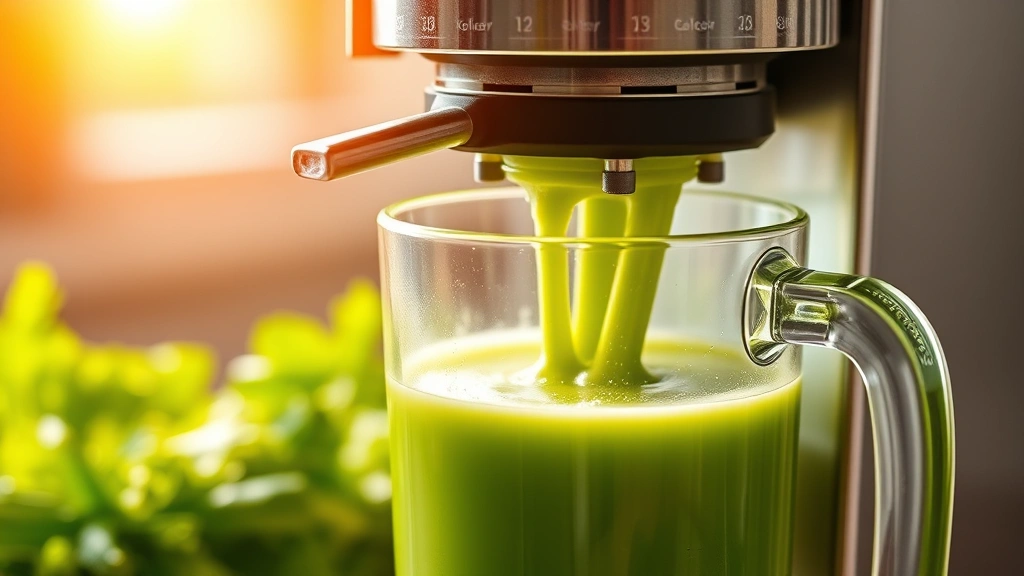
- Continue feeding celery until your entire bunch has been processed. The entire extraction process typically takes five to seven minutes for one bunch.
- Collect the fresh juice in a glass container. Notice the vibrant green color and fresh aroma—indicators of optimal nutrient retention.
Finishing Steps:
- If your juice contains significant foam or pulp, pour it through a fine mesh strainer lined with cheesecloth or a dedicated nut milk bag. This creates an exceptionally smooth texture, though the pulp contains valuable fiber.
- If desired, add one tablespoon of fresh lemon juice to enhance flavor and add vitamin C. Lemon also helps preserve the juice and improve mineral absorption.
- Divide into serving glasses immediately and consume within fifteen minutes for maximum nutritional benefit. If preparing ahead, store in airtight glass containers in your refrigerator.
Yield: One large celery bunch produces approximately 16 ounces of fresh juice—the ideal single serving or two smaller servings for those preferring diluted versions.
Nutritional Benefits Explained
Celery juice’s health reputation stems from its impressive nutrient density relative to caloric content. A 16-ounce serving contains merely 95 calories while delivering substantial amounts of essential vitamins and minerals. According to nutritional databases, fresh celery juice provides approximately 650 milligrams of potassium, a mineral critical for heart health and blood pressure regulation.
The sodium content in celery juice—approximately 190 milligrams per serving—differs significantly from table salt (sodium chloride). Celery’s sodium is organic sodium, bound to other compounds and recognized by your body as a beneficial mineral rather than a harmful salt. This distinction is crucial for understanding why celery juice can actually support healthy sodium balance rather than contribute to hypertension.
Research published by the National Center for Complementary and Integrative Health highlights celery’s anti-inflammatory properties, particularly through compounds like luteolin and apigenin. These flavonoids may help reduce systemic inflammation linked to chronic diseases. Additionally, celery contains insoluble fiber, which supports digestive health and promotes beneficial gut bacteria growth—making it an excellent complement to healthy crockpot recipes designed for overall wellness.
The silicon content in celery juice deserves special mention. Silicon supports connective tissue health, bone density, and skin elasticity. Many modern diets lack adequate silicon, making celery juice a practical way to increase intake of this often-overlooked mineral. Regular celery juice consumption may contribute to stronger hair, nails, and bones over time.
Digestive enzymes present in fresh celery juice stimulate stomach acid production, improving nutrient absorption from other foods consumed during the same meal. This is why many nutritionists recommend consuming celery juice first thing in the morning on an empty stomach—allowing it to prepare your digestive system for the day’s food intake without competing with other nutrients.
Storage and Shelf Life Tips
Fresh celery juice begins oxidizing immediately upon extraction, which gradually reduces nutrient content and changes flavor. Ideally, consume your celery juice within fifteen minutes of preparation for maximum potency. However, if you must store it, follow these guidelines to preserve quality as long as possible.
Refrigerator Storage:
- Pour juice into airtight glass containers, filling them to the brim to minimize air exposure. Avoid plastic containers, which can leach chemicals into acidic liquids like fresh juice.
- Store in the coldest section of your refrigerator, typically the back of the bottom shelf, away from the door where temperature fluctuates.
- Consume within 24 hours for optimal nutrient retention. After this window, enzymatic activity and vitamin content decline noticeably.
- If you notice browning at the top of stored juice, this indicates oxidation. While safe to drink, the nutritional profile has diminished.
Freezing Celery Juice:
If you want to prepare juice in batches, freezing extends shelf life to three months. Pour fresh juice into ice cube trays and freeze solid, then transfer cubes to freezer bags. Thaw cubes in your refrigerator when ready to consume. Freezing preserves nutrients better than refrigeration over extended periods, though some enzyme activity is lost during the freezing process.
Many people prepare celery juice five days in advance, storing it in daily glass bottles in the refrigerator. While not ideal, this compromise works for busy individuals committed to consistent celery juice consumption. The nutritional benefit of drinking slightly oxidized celery juice still exceeds the benefit of skipping it entirely due to time constraints.
Flavor Variations and Combinations
While pure celery juice offers maximum benefits, some people find the taste too strong or vegetal. Creating flavor variations makes celery juice more palatable while adding complementary nutrients. These combinations work well with both fresh juice and comfort food recipes designed around whole ingredients.
Green Apple and Celery Juice:
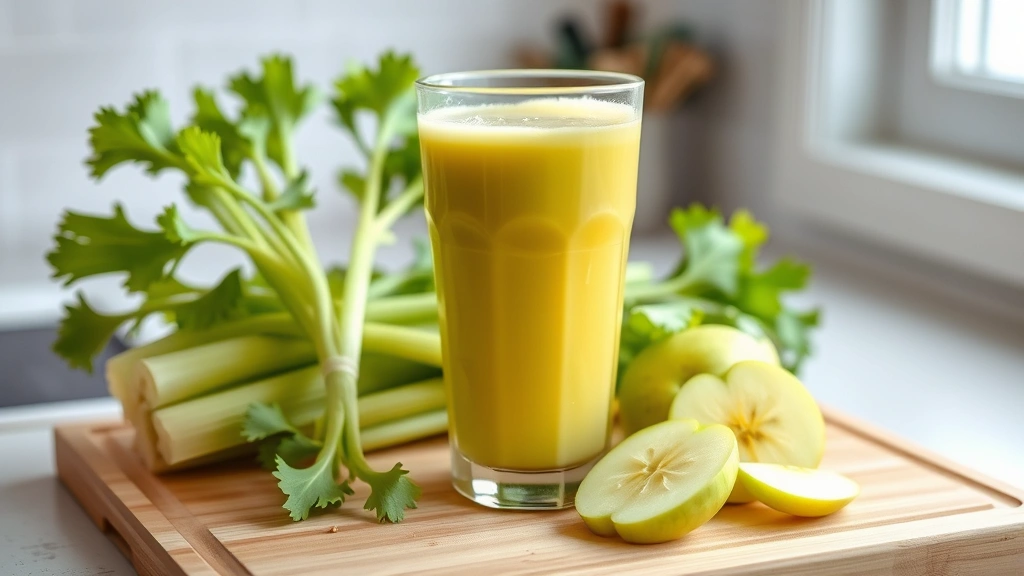
Add one large green apple (Granny Smith variety preferred) to your celery bunch before juicing. The natural sweetness and tartness balance celery’s vegetal notes perfectly. Green apples also contain quercetin, a powerful antioxidant that enhances celery’s anti-inflammatory effects. This combination yields approximately 20 ounces of juice.
Ginger-Celery Juice:
Include a two-inch piece of fresh ginger root with your celery. Ginger adds warming spice and supports digestive health while reducing nausea and inflammation. The combination creates a more complex flavor profile that feels less monotonous when consumed daily. Start with smaller ginger amounts if new to this combination, as ginger’s intensity can easily overwhelm celery’s subtle taste.
Lemon-Celery Juice:
The simplest variation involves adding fresh lemon juice after extraction. One lemon’s worth of juice (approximately two tablespoons) brightens the flavor considerably and adds vitamin C. Lemon also helps preserve the juice and improves mineral absorption in your digestive system. This combination tastes refreshing and supports immune function.
Cucumber-Celery Juice:
Combine one large cucumber with your celery bunch for a more hydrating, lighter juice. Cucumber adds volume, mild flavor, and additional hydration benefits. This variation works particularly well in summer months and for those sensitive to celery’s intensity. The combined juice feels more refreshing than pure celery alone.
Celery-Parsley Juice:
Add one cup of fresh parsley to your celery bunch before juicing. Parsley is extremely nutrient-dense, containing vitamins K, C, and A, plus chlorophyll for detoxification support. The combination creates a deeper green color and more herbaceous flavor. This variation particularly supports bone health and may help preserve herbs nutritional value when consumed fresh.
Common Mistakes to Avoid
Using Non-Organic Celery:
Celery consistently ranks as one of the most pesticide-contaminated produce items. Juicing concentrates any pesticide residues, making organic selection non-negotiable for this recipe. The cost difference between conventional and organic celery is typically minimal—usually fifty cents to one dollar more per bunch—making the upgrade worthwhile for health-conscious preparation.
Drinking on a Full Stomach:
Many nutritionists recommend consuming celery juice on an empty stomach, ideally first thing in the morning. This allows your digestive system to absorb nutrients without competing with other foods. Drinking celery juice after meals may reduce its effectiveness and potentially cause digestive discomfort in sensitive individuals.
Adding Too Much Dilution:
While some people add water to reduce celery’s intensity, excessive dilution significantly reduces nutrient concentration. If celery juice tastes too strong, adjust gradually by adding small amounts of water rather than diluting heavily. Alternatively, try flavor variations like apple or ginger combinations rather than water dilution.
Storing in Plastic Containers:
Acidic fresh juices can leach chemicals from plastic containers into the liquid. Always use glass bottles or mason jars for storage. This simple change preserves juice quality and eliminates potential chemical contamination.
Inconsistent Celery Quality:
Wilted, yellowed, or damaged celery produces lower-quality juice with bitter flavors. Always inspect bunches carefully before purchasing. Fresh celery should have firm, bright green stalks with no soft spots or browning. When in doubt, purchase from farmers markets where you can ask growers about harvest dates and growing practices.
Neglecting Equipment Cleaning:
Juicers require immediate cleaning after use, as residual pulp dries and becomes difficult to remove. Most juicers can be disassembled for thorough cleaning. Dedicate five minutes to cleaning immediately after juicing rather than letting pulp dry on equipment, which can harbor bacteria and reduce machine lifespan.
Expecting Overnight Miracles:
Celery juice supports health when consumed consistently over weeks and months, not days. While some people report immediate energy boosts, most benefits develop gradually as nutrients accumulate in your system. Approach celery juice as a long-term wellness habit rather than a quick fix, similar to how homemade sushi preparation requires practice and consistency to master.
FAQ
How much celery juice should I drink daily?
Nutritionists recommend starting with 8 ounces (half a bunch) daily if new to celery juice, gradually increasing to 16 ounces as your body adjusts. Some people consume up to 32 ounces daily, though this requires two bunches and significant time commitment. Listen to your body and adjust intake based on how you feel. Those with kidney issues or taking blood-thinning medications should consult healthcare providers before regular celery juice consumption.
Can I juice celery leaves?
Yes, celery leaves are entirely safe and contain concentrated nutrients compared to stalks. However, they produce a more bitter flavor and less juice volume. Many juicers handle leaves less efficiently than stalks, requiring more effort to extract. If including leaves, add them gradually and taste-test to find your preferred ratio.
Is celery juice safe during pregnancy?
While celery itself is safe during pregnancy, large quantities of concentrated celery juice may not be advisable without medical consultation. Some sources suggest celery’s compounds could stimulate uterine contractions in high concentrations. Pregnant individuals should consult their healthcare provider before starting any new juice regimen.
What if my celery juice turns brown?
Browning indicates oxidation, which occurs when fresh juice contacts air. While brown celery juice is safe to drink, its nutritional profile has diminished. Consume juice immediately after preparation, and if browning occurs during storage, drink it promptly rather than discarding. The remaining nutrients still provide health benefits.
Can I use a blender instead of a juicer?
Yes, high-powered blenders can process celery, though you’ll need to strain the resulting mixture through cheesecloth or a fine mesh strainer to achieve smooth juice consistency. Blender preparation takes longer and yields slightly less juice than dedicated juicers, but works acceptably for occasional preparation. If planning regular celery juice consumption, investing in a juicer provides superior results and convenience.
Does heating celery juice destroy nutrients?
Yes, heat significantly reduces celery juice’s nutrient content and enzyme activity. Always consume fresh, room-temperature or cold celery juice rather than heated versions. If you prefer warm beverages, drink celery juice at room temperature separately from hot drinks, allowing at least thirty minutes between consumption.
Can children drink celery juice?
Children can safely consume diluted celery juice in small quantities, typically 2-4 ounces mixed with water or other juices. Start with very small amounts to ensure tolerability. Some children find pure celery juice unpalatable, making flavor variations like apple-celery juice more appealing. Always supervise children’s juice consumption and consult pediatricians if your child has underlying health conditions.


