Celery Soup Recipe: Chef’s Favorite Comfort Dish
Celery soup might not be the first dish that comes to mind when you think of comfort food, but this creamy, aromatic classic has graced the tables of fine dining establishments and home kitchens alike for generations. There’s something deeply satisfying about a bowl of silky celery soup—the way it warms you from the inside out, the delicate vegetal notes that become more pronounced with proper technique, and the versatility that allows both minimalist and elaborate preparations. This recipe represents the kind of cooking that separates good home cooks from great ones: mastering simplicity while understanding the science behind flavor development.
Whether you’re looking to expand your celery recipes repertoire or seeking a sophisticated starter for your next dinner party, this chef-approved celery soup delivers restaurant-quality results in your own kitchen. The beauty of this dish lies in its ability to transform humble celery into something elegant and memorable through proper preparation, patient cooking, and thoughtful seasoning.
Why Celery Soup Should Be Your Next Cooking Project
Celery is often relegated to the supporting cast in cooking—a base vegetable for stocks and mirepoix, a crunchy snack for dips. But when celery takes center stage, as it does in this soup, it reveals a sophisticated flavor profile that many home cooks have never experienced. The key to understanding celery’s culinary potential lies in recognizing that raw celery tastes entirely different from properly cooked celery. During the cooking process, celery’s natural sugars caramelize slightly, its cellular structure breaks down to release umami compounds, and its slightly bitter notes mellow into something almost nutty and herbaceous.
This soup represents one of the foundational techniques in classical French cooking, often seen in Michelin-starred restaurants as an elegant first course. The reason professional chefs love celery soup is straightforward: it teaches fundamental cooking principles. You’ll learn how to properly sweat vegetables, build flavor through layering, achieve the perfect consistency through pureeing, and balance richness with acidity. These skills transfer directly to dozens of other soups and sauces in your cooking arsenal.
Making celery soup at home also offers significant cost savings compared to restaurant versions. A single bunch of celery costs just a few dollars and yields enough soup to serve six to eight people as a starter course. Unlike trendy ingredients that come and go, celery is a year-round staple available at every grocery store, making this an accessible recipe you can prepare whenever the craving strikes.
Selecting and Preparing Your Celery
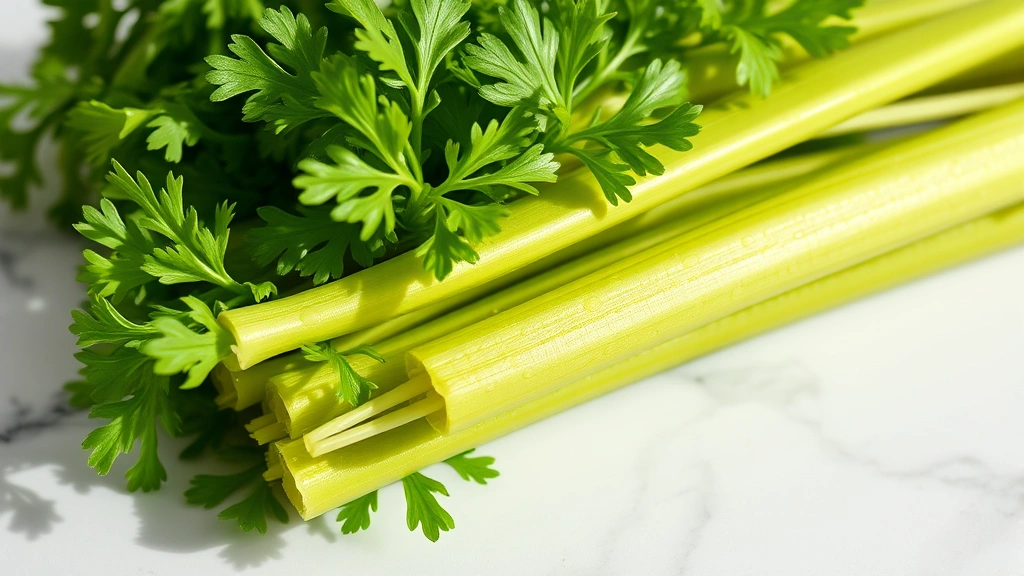
The quality of your finished soup begins with selecting the right celery. Look for bunches with firm, unblemished stalks that snap cleanly when bent—this indicates freshness and optimal water content. Avoid celery with brown spots, soft areas, or excessive yellowing, as these indicate age or improper storage. The leaves should be vibrant green rather than wilted. While you might assume larger bunches are better value, medium-sized bunches often have more tender stalks and milder flavor, which is preferable for soup applications.
Preparation is equally important as selection. Begin by separating the stalks and rinsing them thoroughly under cool running water, rubbing gently to remove any soil trapped between the ribs. Many recipes suggest discarding the outer stalks, but this is wasteful. Instead, reserve the toughest outer stalks for stock-making, and use the more tender inner stalks for your soup. Save the celery leaves—they’re packed with flavor compounds and make an excellent garnish.
For this recipe, you’ll need approximately one large bunch of celery, which yields roughly two pounds of prepared stalks. Cut the stalks into one-inch pieces, which maximizes surface area for the sweating process and ensures even cooking. The uniform size is crucial because it guarantees that all pieces will reach tenderness simultaneously, preventing a mixture of overcooked mush and undercooked chunks in your final puree.
Essential Ingredients and Substitutions
Beyond celery, this soup requires just a handful of quality ingredients. You’ll need unsalted butter (approximately four tablespoons) for sweating the vegetables—unsalted is essential because it gives you complete control over the final sodium level. Yellow onion adds sweetness and depth, while leeks contribute a subtle onion flavor that’s less aggressive than garlic. Potatoes serve a dual purpose: they add body and help create a naturally creamy texture through their starch content, eliminating the need for heavy cream in the traditional preparation.
Stock quality dramatically impacts your final result. Use homemade vegetable or chicken stock whenever possible. Store-bought stock can work, but avoid anything with added sugar or excessive sodium. If you’re making this soup as a vegetarian dish, vegetable stock is ideal. For a richer version, chicken stock adds subtle poultry notes that complement celery beautifully.
Seasoning components include kosher salt, white pepper (preferable to black pepper as it’s less visible in the finished soup), and fresh thyme. A squeeze of lemon juice at the end brightens the flavors and prevents the soup from tasting flat. For serving, consider preparing a simple garnish of crispy celery leaves, a drizzle of good olive oil, or a dollop of crème fraîche.
Substitutions are possible but require understanding flavor principles. If you lack potatoes, use cauliflower for a lighter version, though you’ll sacrifice some of the natural creaminess. Vegetable oil can replace butter, though you’ll lose the rich, slightly nutty flavor butter provides. Some chefs add a splash of dry white wine during the sweating process for added complexity, which is entirely optional but recommended if available.
Step-by-Step Cooking Instructions
Mise en Place Preparation: Before you begin cooking, prepare all ingredients. This practice, called mise en place (everything in its place), is standard in professional kitchens and prevents scrambling mid-recipe. Peel and slice your onion into half-moons. Slice leeks in half lengthwise, rinse thoroughly to remove trapped soil, then slice into half-moons. Peel potatoes and cut into one-inch cubes. Strip celery leaves from stalks and set aside. Cut celery stalks into one-inch pieces. Measure your stock into a pot so it’s ready when needed.
Sweating the Aromatics: Heat butter in a large, heavy-bottomed pot over medium heat. Once foaming subsides, add sliced onions and leeks. The key to proper sweating is medium heat and patience. You want the vegetables to soften and become translucent without browning—this takes approximately eight to ten minutes. Stir occasionally to ensure even cooking. You’ll notice the pot’s contents will seem quite dry at first, but as vegetables release their moisture, they’ll become glossy and tender. This step is crucial because it allows the onions and leeks to release their natural sugars and sulfur compounds, which then mellow into a sweet, savory base for your soup.
Adding Celery and Potatoes: Once your aromatics are properly softened, add the cut celery and potato cubes. Stir well to coat everything in the butter. Continue cooking over medium heat for another five minutes, stirring occasionally. This allows the celery to begin releasing its cellular contents and ensures the potatoes start absorbing the flavorful butter. At this point, you might add a pinch of salt—not for final seasoning, but to help draw moisture from the vegetables through osmosis, which accelerates the cooking process.
Building the Broth: Pour in your prepared stock, ensuring all vegetables are submerged. If you’re not quite covering them, add a splash of water. Increase heat to medium-high and bring to a gentle simmer. Once simmering, reduce heat to maintain a gentle, steady simmer. You’re looking for occasional bubbles breaking the surface, not a rolling boil. Add two or three sprigs of fresh thyme. Simmer for twenty to twenty-five minutes, until celery and potatoes are completely tender and easily pierced with a fork. Overcooked vegetables actually improve this soup because they release more flavor compounds and create a smoother puree.
Pureeing: Remove from heat and let cool for five minutes—this prevents splashing and burns. Using an immersion blender, carefully puree the soup until completely smooth. If you prefer a textured soup, puree only three-quarters of the mixture and leave some chunks. For a restaurant-quality texture, strain the pureed soup through a fine-mesh sieve, pressing gently on solids to extract all flavorful liquid. This step removes any remaining vegetable fiber and creates an impossibly smooth, silky texture.
Final Seasoning: Taste your soup and adjust seasoning with kosher salt and white pepper. Add the juice of half a lemon, which brightens the celery flavor and prevents the soup from tasting one-dimensional. If your soup tastes too concentrated or thick, thin with additional stock or water, one-quarter cup at a time, until reaching your preferred consistency.
Flavor Variations and Creative Additions
While the classic preparation is beautiful in its simplicity, celery soup welcomes creative interpretation. For a Celery and Roasted Garlic version, roast two whole garlic heads until completely soft, squeeze the cloves into the soup before pureeing. Roasted garlic’s sweetness complements celery’s subtle bitterness perfectly. For Celery and Celeriac Soup, replace half the potatoes with peeled celeriac (celery root), which intensifies the celery flavor while adding earthiness.
A Celery Soup with Crispy Pancetta transforms this vegetarian soup into something more substantial. Cook diced pancetta until crispy, drain on paper towels, and use the rendered fat to sauté your aromatics instead of butter. Garnish each bowl with the crispy pancetta pieces and a drizzle of the pancetta fat. Consider serving alongside green goddess dressing as a complementary flavor component.
For a Celery Soup with Roasted Shallots and Thyme, roast halved shallots with olive oil and thyme until caramelized, then add to your finished soup. The roasting process concentrates shallot flavors into something deeply savory and complex. If you enjoy creamy soups, stir in heavy cream or crème fraîche at the end—use about one-quarter cup per quart of soup. Some chefs add a tablespoon of Dijon mustard, which adds subtle tang and helps emulsify the cream.
For a completely different direction, try Chilled Celery Soup, which is spectacular during warm months. Prepare the soup exactly as described, cool completely, then chill for at least four hours. Serve in chilled bowls with a dollop of sour cream and fresh dill. This preparation works beautifully as a palate cleanser before heavier courses.
Plating and Serving Suggestions
Presentation elevates this humble soup into something restaurant-worthy. Serve in warmed bowls—place bowls in a low oven for five minutes before serving to ensure the soup stays hot longer. Ladle soup into bowls carefully to avoid splashing on the rim. A professional presentation includes three elements: the soup itself, a textural component, and a flavor accent.
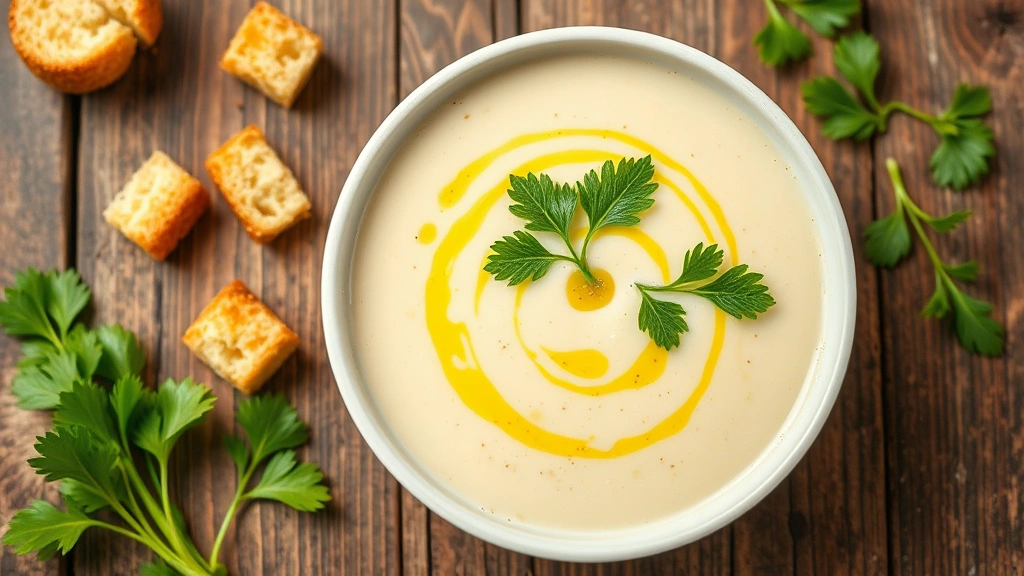
For texture, consider crispy celery leaves toasted in the oven with a touch of olive oil and salt until they’re papery and crunchy. Alternatively, make croutons from quality bread, toss with olive oil and thyme, and toast until golden. These add a pleasant contrast to the soup’s silky texture.
For flavor accents, a drizzle of good-quality olive oil adds richness and visual appeal. Fresh celery leaves add herbaceous brightness. A small dollop of crème fraîche or sour cream provides tang and richness. Some chefs add a few drops of celery seed oil, which intensifies celery flavor in an unexpected way. For a protein-forward presentation, top with shredded chicken for a more substantial first course.
This soup pairs beautifully with crusty bread for dipping. Consider serving alongside Mediterranean salad as a light meal, or before a protein-based main course. If serving as a first course at a dinner party, one cup per person is appropriate, which allows room for subsequent courses.
Storage and Make-Ahead Tips
Celery soup is excellent for make-ahead cooking, which is why it’s beloved by meal planners and busy cooks. The soup keeps refrigerated in an airtight container for four to five days. The flavors actually improve slightly as the soup sits, as aromatics continue infusing into the broth. To reheat, transfer to a pot and warm gently over medium heat, stirring occasionally. Never boil refrigerated soup, as this can break down the emulsion and cause separation.
For longer storage, freeze the soup in individual portions using ice cube trays or freezer bags. The soup freezes beautifully for up to three months. When freezing in bags, lay flat to save space, and label with the date. To thaw, transfer to the refrigerator overnight, then reheat gently. If you’ve added cream or crème fraîche, do this after reheating rather than before freezing, as dairy products can separate during the freeze-thaw cycle.
For meal prep, you can prepare the soup through the pureeing stage, then store the base in the refrigerator. On serving day, gently reheat and finish with lemon juice and seasoning adjustments. This approach ensures the soup tastes freshly made while significantly reducing active cooking time when you’re ready to serve.
If preparing for a dinner party, make the soup the day before, refrigerate overnight, and reheat gently while you prepare other dishes. This approach reduces day-of stress and actually improves flavor through extra infusion time. Prepare garnishes separately and add just before serving for maximum visual appeal and textural contrast.
FAQ
Can I make celery soup without potatoes?
Yes, though potatoes provide natural creaminess through their starch content. Without them, your soup will be thinner and less rich. Alternatives include cauliflower (for a lighter version), white beans (for more body), or simply using additional stock and accepting a brothier result. Some cooks add a splash of heavy cream at the end to compensate for the lost starch.
Why does my celery soup taste bitter?
Bitterness typically indicates overcooking or using older celery. Celery’s bitter compounds intensify with prolonged heat. Additionally, if you’ve included celery leaves in the cooking liquid rather than using them only for garnish, they can add excessive bitterness. Use tender inner stalks rather than tough outer stalks, and limit cooking time to the recommended twenty to twenty-five minutes. A squeeze of lemon juice also helps mask bitterness through acidity.
Is this recipe naturally gluten-free?
Yes, this celery soup recipe contains no gluten ingredients. However, if serving to someone with celiac disease, ensure your stock is certified gluten-free, as some commercial broths contain hidden gluten. Homemade stock is always a safe choice. If serving with bread, provide gluten-free options for those who need them.
Can I use celery root instead of celery stalks?
Celery root (celeriac) creates a different soup with earthier, less delicate flavors. You can use it as a partial replacement—perhaps fifty percent celery root and fifty percent celery stalks—for added depth. Using only celery root creates a soup that tastes more like a root vegetable puree than classic celery soup. If you enjoy that flavor profile, absolutely try it, but understand it’s a significant departure from the traditional preparation.
How do I prevent my soup from separating?
Separation typically occurs when cream or dairy is added to soup that’s too hot or when reheating causes temperature fluctuations. If adding cream, add it to soup that’s cooled slightly, or temper the cream by slowly whisking small amounts of hot soup into the cream before adding it back to the pot. Reheat gently over medium-low heat rather than high heat. If separation does occur, whisk vigorously or use an immersion blender to re-emulsify.
What’s the best way to serve this soup at a dinner party?
Prepare the soup completely the day before and refrigerate. On serving day, reheat gently in a pot. Just before serving, adjust seasoning and add lemon juice. Prepare all garnishes in advance—toasted croutons, crispy celery leaves, and any other toppings can be made hours ahead and kept in airtight containers. Warm bowls in a low oven, ladle soup carefully, and add garnishes just before presenting to each guest. This approach ensures hot soup in warm bowls with fresh, crispy garnishes.


