Cherry Bounce Recipe: A Beloved Family Tradition Worth Reviving
Cherry bounce is a delightful colonial-era beverage that has graced American tables for centuries, representing far more than just a simple drink—it’s a tangible connection to our culinary heritage. This traditional cordial combines fresh cherries with spirits and spices to create a sophisticated, fruity libation that once appeared at every proper household gathering. The beauty of this cherry bounce recipe lies in its simplicity and the remarkable depth of flavor that emerges from minimal ingredients and patient aging.
What makes cherry bounce particularly special is how it embodies the resourcefulness of early American cooks who transformed seasonal fruit harvests into preserved beverages that could last through winter months. Whether you’re interested in historical cooking methods, looking to establish your own family traditions, or simply seeking a unique homemade liqueur to gift or enjoy, understanding how to make cherry bounce opens a window into authentic culinary history. This guide will walk you through every step of creating this elegant drink, from selecting the perfect cherries to bottling your finished product.
What Is Cherry Bounce?
Cherry bounce is a traditional fruit cordial that originated in colonial America, created by steeping fresh cherries in spirits—typically brandy, whiskey, or rum—along with complementary spices and sweeteners. The result is a ruby-red or deep crimson liqueur with a complex flavor profile that balances tartness, natural sweetness, and warming spice notes. Unlike modern commercial liqueurs that rely on artificial flavorings and stabilizers, authentic cherry bounce derives its character entirely from whole ingredients and time.
The drink occupies a unique place in the spirits world—it’s neither purely a liqueur nor a simple cordial, but rather a sophisticated hybrid that works beautifully as an after-dinner drink, a cocktail component, or even a cooking ingredient. The alcohol content typically ranges from 20-30% ABV, making it stronger than wine but more approachable than straight spirits. This moderate strength, combined with the natural fruit sugars and spices, creates a beverage that’s both warming and refined.
Understanding what makes cherry bounce distinct requires appreciating how colonial cooks maximized their seasonal harvests. When cherries ripened in early summer, families would preserve them in various forms—jams, dried fruits, and fermented beverages like this one. The process wasn’t complicated by modern standards, yet it produced results that rival contemporary craft liqueurs in complexity and appeal.
History and Cultural Significance
Cherry bounce emerged during the 17th and 18th centuries when British settlers brought their tradition of fruit cordials to the American colonies. These beverages served practical purposes beyond mere pleasure—they were preservation methods, medicinal tonics, and status symbols that demonstrated a family’s ability to maintain luxury goods throughout the year. Cookbooks from this era, including those of notable colonial cooks, frequently featured cherry bounce recipes alongside other preserved fruits and cordials.
The drink became particularly popular in Virginia and the Carolinas, where cherry trees flourished and where wealthy plantation families maintained elaborate household recipe collections. Thomas Jefferson, himself an accomplished gardener and food enthusiast, documented interest in fruit cordials similar to cherry bounce. These beverages appeared at formal dinners, were offered to distinguished guests, and were sometimes included in dowries as valuable household staples.
What’s remarkable about cherry bounce is how it represents a form of culinary knowledge that was primarily transmitted through family lines rather than published sources. Mothers taught daughters the technique, adjusting recipes based on local cherry varieties, available spirits, and personal taste preferences. This oral tradition meant that each family’s version developed unique characteristics, creating a beverage that was simultaneously traditional and distinctly personal.
Today, reviving this cherry bounce recipe connects us to that heritage while demonstrating principles of food preservation and flavor development that remain relevant. It’s an excellent project for those interested in food waste reduction tips, as it transforms seasonal fruit abundance into a shelf-stable product with remarkable longevity.
Ingredients and Selection
The foundation of exceptional cherry bounce begins with thoughtful ingredient selection. You’ll need just five basic components, though the quality of each directly impacts your final product:
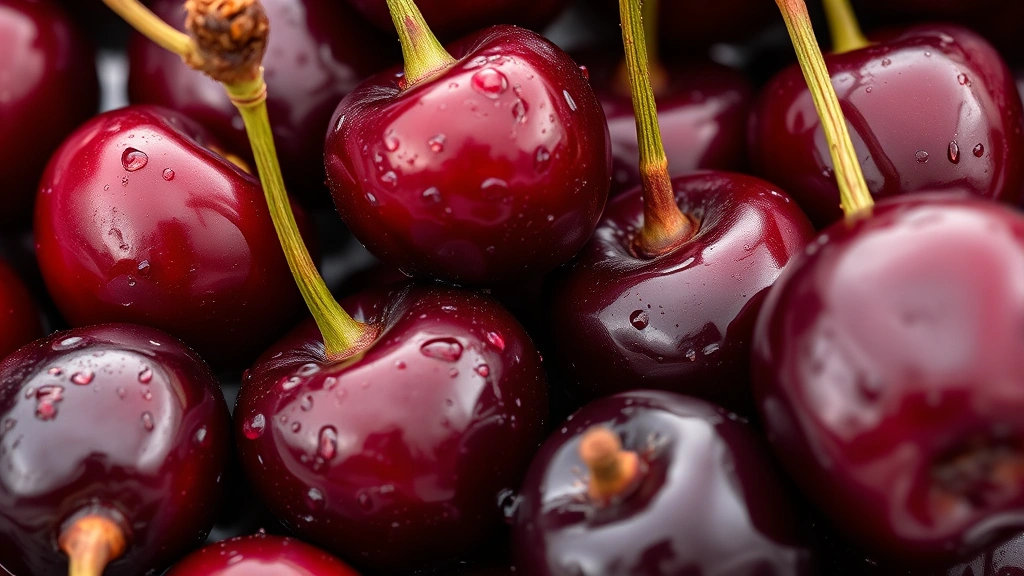
- Fresh Cherries: Use firm, ripe cherries with deep color and no soft spots. Sour or tart cherries (like Montmorency or Morello varieties) provide superior flavor complexity compared to sweet cherries, though a combination works beautifully. Plan for approximately 2-3 pounds of fresh cherries for a standard batch.
- Spirits: The original recipes called for brandy or whiskey, though rum and vodka are equally valid. Choose a spirit you’d be happy drinking on its own, as lower-quality spirits will negatively impact the final result. Aim for 80-100 proof spirits.
- Sugar: Granulated white sugar is traditional, though you can experiment with alternatives. The sugar serves to extract cherry juices and balance acidity—plan for approximately 1-2 cups depending on cherry tartness and your sweetness preference.
- Spices: Whole spices provide superior flavor compared to ground varieties. Traditional additions include cinnamon sticks, whole cloves, nutmeg, and sometimes allspice berries. These should be fresh and fragrant.
- Optional Ingredients: Some recipes include a small amount of almond extract or blanched almonds for additional depth, while others add ginger, black pepper, or even a pinch of vanilla.
Selecting your cherries deserves particular attention. Visit farmers markets or pick-your-own orchards if possible, as commercially shipped cherries often lack the intense flavor needed for this project. The cherry variety significantly influences final flavor—sour varieties yield more complex, balanced results, while sweet cherries produce a fruitier, less nuanced product. Many experienced cooks recommend using a combination of both varieties when available.
Water quality, while often overlooked, matters more than many realize. If your tap water is heavily chlorinated, consider using filtered water, as this prevents off-flavors from developing during the extended steeping period. The spirits you select should reflect your personal taste—brandy creates an elegant, refined character, while bourbon adds vanilla and oak notes that complement cherry beautifully.
Step-by-Step Preparation
Step 1: Prepare Your Cherries
Begin by rinsing your cherries thoroughly under cool running water and patting them completely dry with clean kitchen towels. This moisture removal is crucial, as excess water dilutes the final product and can promote unwanted fermentation. Using a cherry pitter, remove the pits from each cherry, working over a bowl to catch any juice. Some traditional recipes leave pits intact, claiming they contribute almond-like notes, but pitting eliminates concerns about cyanogenic compounds and makes the final product more pleasant to consume.
Don’t discard the cherry juice that accumulates during pitting—this liquid gold contains concentrated flavor and should be reserved and added to your steeping jar. If you lack a cherry pitter, a small knife works adequately, though the process takes longer.
Step 2: Select Your Container
Choose a clean glass jar with a tight-fitting lid—a one-quart or one-gallon mason jar works perfectly. Avoid metal containers, as the acidic cherry mixture can react with certain metals and create off-flavors. The jar should be completely clean and, ideally, sterilized by running it through a hot dishwasher or boiling it for 10 minutes.
Step 3: Layer Your Ingredients
This is where the magic begins. Add your prepared cherries to the jar, then sprinkle sugar over them in layers, alternating between cherries and sugar. This layering technique encourages osmotic extraction—the sugar draws moisture and flavor compounds from the cherry tissue. Add your whole spices at this point, distributing them throughout the layers rather than concentrating them in one area.
Step 4: Add Your Spirit
Pour your chosen spirit over the cherry and sugar mixture until everything is completely submerged. The liquid should cover all solids by at least an inch. Seal your jar tightly and give it a vigorous shake to combine the ingredients thoroughly. This initial mixing helps dissolve the sugar more quickly and ensures even distribution of spices.
Step 5: Initial Steeping
Place your sealed jar in a cool, dark location—a pantry, basement, or cabinet away from direct sunlight works ideally. The darkness is important, as light can fade the beautiful cherry color and potentially degrade flavor compounds. Over the next few days, you’ll notice the sugar dissolving and the liquid darkening as cherry pigments and compounds extract into the spirit.
Shake or gently invert your jar every few days for the first week. This agitation helps distribute the sugar evenly and prevents it from settling into a dense mass at the bottom. You should notice the jar becoming noticeably heavier as the cherry juices extract.
The Aging Process Explained
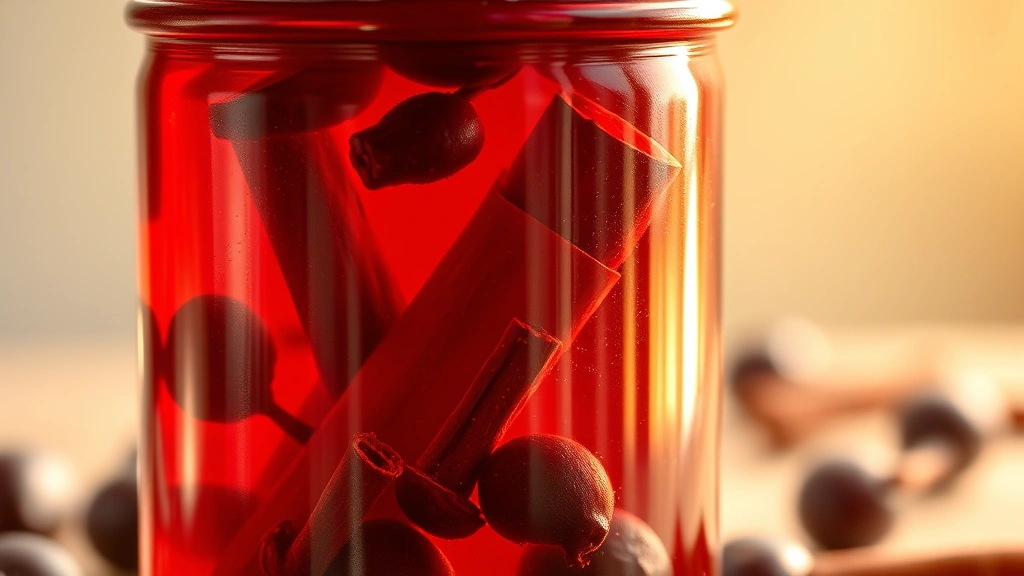
The aging process is where cherry bounce transforms from simple ingredients into a sophisticated beverage. This is not a quick project—proper cherry bounce requires a minimum of 3-4 weeks of steeping, though many experts recommend 2-3 months for optimal flavor development. Some traditional recipes suggest aging for a full year, creating an exceptionally complex final product.
During the first month, remarkable changes occur. The cherries gradually lose their firm structure as the alcohol extracts compounds and the sugar draws out moisture. The liquid deepens from bright red to dark crimson or burgundy, becoming increasingly opaque. The aroma evolving from sharp and fruity to complex and warming indicates proper extraction.
After 4-6 weeks, taste a small sample. The liquid should taste notably sweeter and more flavorful than when you started, with the spices becoming more integrated rather than sharp. If the spice flavors seem overwhelming, you can strain out the spices at this point while allowing the cherries to continue steeping. Conversely, if spice flavor seems insufficient, you can add a cinnamon stick or additional whole cloves and allow further steeping.
For those interested in understanding the science behind this process, resources like culinary technique guides explain how alcohol extracts flavor compounds differently than water alone, creating depth impossible to achieve through simple cooking methods.
Around the 8-12 week mark, most cherry bounce reaches a pleasant balance point where fruit flavor, spice integration, and alcohol character are well-harmonized. Some cooks prefer to continue aging until 6 months or longer, as additional time allows flavors to marry further and rough edges to smooth.
Temperature stability during aging is important. Avoid locations subject to dramatic temperature swings, as these can cause expansion and contraction within your jar, potentially affecting the seal or creating unwanted oxidation. A consistent 55-65°F environment is ideal, though typical room temperature (68-72°F) works adequately.
Variations and Adaptations
While the basic cherry bounce recipe remains consistent, creative cooks have developed numerous variations that honor the traditional method while introducing personal touches:
Spice Profile Variations
Traditional recipes typically include cinnamon, cloves, and nutmeg, but you might experiment with additions like star anise, cardamom pods, or a single dried chili pepper for subtle heat. Some modern adaptations include fresh ginger slices or black peppercorns. The key is using whole spices and restraint—it’s easier to add more flavor than to remove it.
Spirit Combinations
Rather than using a single spirit, some recipes combine brandy with bourbon or add a small amount of rum for complexity. A 70/30 brandy-to-bourbon ratio creates an interesting hybrid character. This technique works similarly to how professional smoker recipes layer flavors—each component contributes distinct characteristics.
Sweetness Adjustments
If you prefer a less sweet final product, reduce the sugar by 25-30% or adjust after straining by adding additional spirit. Conversely, those with sweeter palates can increase sugar or add a tablespoon of honey during aging. Taste your product at various points and adjust future batches based on your preferences.
Cherry Variety Experiments
Using exclusively sour cherries creates a more tart, complex product, while sweet cherry versions are fruitier and rounder. Some cooks create batches using only one variety, then blend them in desired proportions—this allows customization of your final product’s character.
Almond Addition
Several colonial recipes mention adding blanched almonds or almond extract, which creates a subtle nougat-like undertone. If experimenting with this, add just 1-2 tablespoons of blanched sliced almonds or ¼ teaspoon of pure almond extract per quart of liquid.
Serving and Storage Guidelines
Straining and Bottling
Once your cherry bounce has aged to your satisfaction, it’s time to strain and bottle. Line a fine-mesh strainer with several layers of cheesecloth and carefully pour your mixture through it, allowing gravity to do most of the work. Resist the urge to squeeze the cherries, as this introduces sediment and can create a cloudy final product. The strained liquid should be clear and brilliantly colored.
Pour your finished cherry bounce into clean glass bottles with tight-fitting caps. Dark glass bottles are preferable, as they protect the product from light degradation. Label your bottles with the date and batch notes—this creates a record of your experiments and helps you replicate successful versions.
Storage Conditions
Properly made cherry bounce is remarkably shelf-stable. Store bottles in a cool, dark location—a pantry, wine rack, or cellar is ideal. The high alcohol content (typically 20-30% ABV) acts as a natural preservative, preventing spoilage. Most bottles remain in excellent condition for 5-10 years, though the product is typically consumed within 2-3 years of creation.
Once opened, cherry bounce will maintain quality for several months if the bottle is resealed tightly and stored in consistent cool conditions. Some sediment may develop over extended storage, particularly if the product was not filtered extensively—this is harmless and actually indicates minimal processing.
Serving Suggestions
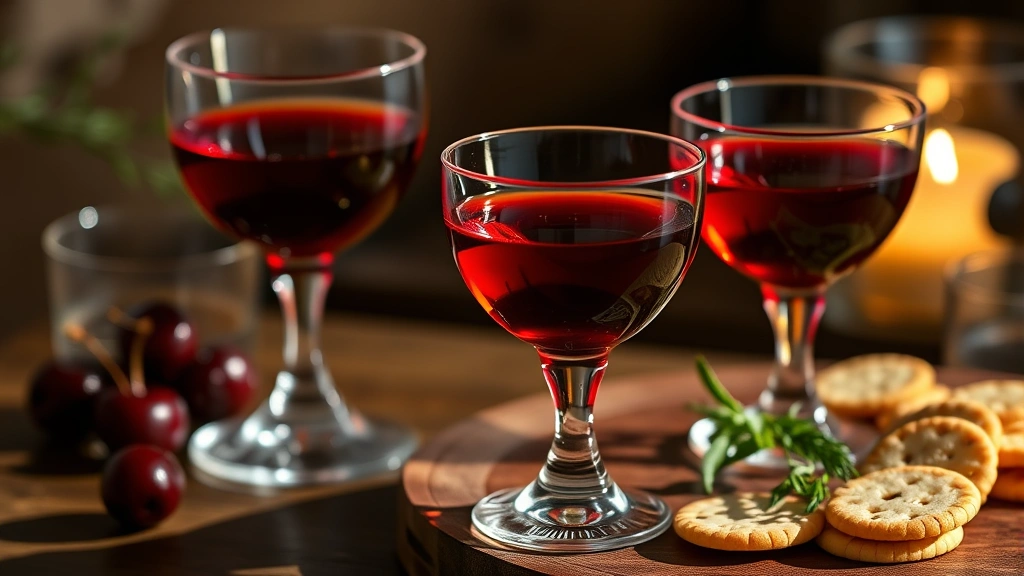
Cherry bounce is remarkably versatile. Serve it as an after-dinner digestif in small glasses, either at room temperature or slightly chilled. It pairs beautifully with cheese courses, chocolate desserts, or soft cookies. Many cocktail enthusiasts use cherry bounce as a modifier in whiskey-based drinks, where its fruity sweetness and spice complexity add dimension.
Some creative cooks incorporate cherry bounce into cooking—a tablespoon or two added to how to grill steak perfectly pan sauces creates an elegant glaze, while a splash enhances chocolate sauces or vanilla ice cream. The possibilities extend to creative cocktails, where cherry bounce serves as a base spirit or complementary modifier.
For those exploring how preserved fruits and cordials extend seasonal ingredients year-round, cherry bounce exemplifies resourceful cooking. This principle applies equally to discard recipes that maximize ingredient usage and high protein recipes for weight loss that emphasize whole ingredients.
Gifting homemade cherry bounce is a particularly meaningful gesture. Package bottles in decorative boxes, add hand-written labels with ingredient information and serving suggestions, and include a note about when you created it. Recipients appreciate receiving a product that required months of care and attention—it’s a gift that demonstrates genuine effort and thoughtfulness.
FAQ
Can I use frozen cherries for cherry bounce?
While fresh cherries are ideal, high-quality frozen cherries work adequately if fresh fruit isn’t available. Thaw them completely and drain any accumulated liquid before proceeding. Frozen cherries have already begun breaking down, so extraction may occur more quickly. Monitor your batch closely and taste regularly, as the aging timeline might compress by 25-30%.
What if my cherry bounce tastes too strong or too sweet?
If the alcohol flavor dominates, allow additional aging time—the harsh alcohol edge typically mellows after 2-3 additional months. For overly sweet batches, you can dilute with additional spirit or, if preferred, with a small amount of water. Adjust gradually and taste frequently. Future batches can be calibrated based on these experiences.
Can I reuse the strained cherries?
The cherries remaining after straining contain significant alcohol and flavor compounds. Many cooks chop these and incorporate them into desserts, chocolate sauces, or even savory dishes. They’re also delicious eaten directly as a cordial-soaked fruit snack. Don’t discard them—they represent valuable flavor investment.
Is cherry bounce safe to consume?
Yes, provided you follow basic food safety practices. The high alcohol content and acidic cherries create an environment where harmful bacteria cannot survive. The primary risk comes from contaminated initial ingredients or non-sterilized containers. Use fresh, quality ingredients and clean equipment, and your cherry bounce will be completely safe.
How do I know when my cherry bounce is ready?
There’s no single indicator—readiness depends on personal preference and aging duration. After 4-6 weeks, taste a small sample. The liquid should taste significantly more complex than when you started, with integrated spice flavors rather than harsh or sharp notes. If you prefer deeper complexity, continue aging. The minimum 3-4 week timeline represents the earliest point where the product tastes notably improved.
What’s the difference between cherry bounce and cherry liqueur?
Cherry bounce is a traditional, home-made cordial created through extended steeping, while commercial cherry liqueurs are typically produced using extraction methods, artificial flavorings, or heating. Authentic cherry bounce contains no additives beyond cherries, sugar, spices, and spirits. The extended aging creates complexity that commercial products often replicate through added ingredients.
Can I make cherry bounce without alcohol?
The alcohol serves both as a flavor extractor and a preservative. A non-alcoholic version would require alternative preservation methods—perhaps vinegar or significantly increased sugar content. However, this would create a different product entirely. For a lower-alcohol version, you could reduce spirit content by 25-30% and age for a longer period, though this reduces shelf stability.
What spirits work best for cherry bounce?
Brandy is traditional and creates an elegant result. Bourbon adds vanilla and oak complexity that complements cherry beautifully. Whiskey provides a slightly spicier character. Rum creates a warmer, slightly tropical undertone. Avoid flavored spirits or those below 80 proof. Choose based on what you enjoy drinking straight—the spirit character will shine through in your final product.


