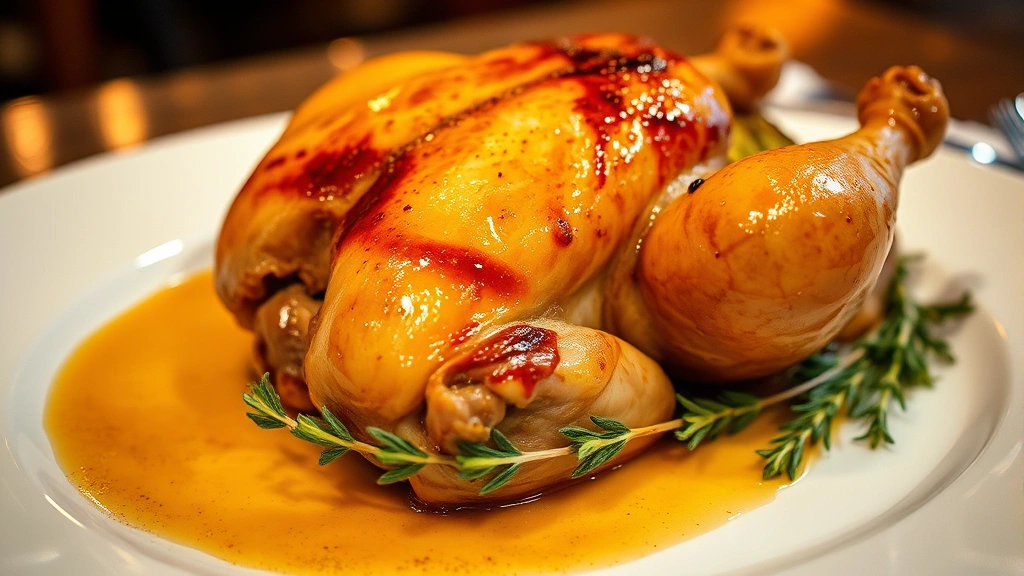
Ultimate Cornish Hen Roast: Tried & True Method
Cornish hens represent one of the most elegant yet approachable poultry options for home cooks seeking restaurant-quality results without excessive complexity. These diminutive birds—typically weighing 1.5 to 2 pounds each—offer individual servings with crispy, golden skin and incredibly moist meat when roasted properly. Unlike their larger chicken counterparts, Cornish hens cook faster and more evenly, making them ideal for weeknight dinners or special occasion entertaining.
The beauty of mastering cornish hen recipes lies in their versatility and the impressive presentation they deliver. Each diner receives their own whole bird, creating an elevated dining experience that feels far more sophisticated than the effort required. Whether you’re preparing a romantic dinner for two or hosting a dinner party, this tried-and-true roasting method ensures consistently perfect results with crackling skin, tender meat, and spectacular table appeal.
Selecting and Preparing Your Cornish Hens
Finding quality Cornish hens begins at your local butcher or grocery store’s meat counter. Look for birds with unblemished skin, no discoloration, and a pleasant aroma—these indicators signal freshness and proper handling. Most Cornish hens weigh between 1.5 and 2.5 pounds; selecting similarly-sized birds ensures even cooking throughout your meal. If purchasing frozen hens, allow 24 hours refrigerator thawing time for every 5 pounds of weight.
Preparation starts with proper patting dry. Remove your hens from packaging and place them on paper towels, then gently pat the exterior and interior cavity completely dry. This crucial step removes surface moisture that prevents proper browning and skin crisping. Don’t rush this process—thoroughly dried birds develop that coveted mahogany-colored, crackling skin that makes roasted poultry irresistible.
Next, inspect the cavity for any remaining giblets or organs. Most butchers remove these, but it’s worth checking. Trim any excess fat hanging from the cavity opening, as this promotes more even cooking. Position your hens breast-side up on your work surface, and gently pull the legs away from the body to check that the thigh joints move freely—this indicates proper thawing and readiness for seasoning.
Essential Seasoning and Flavoring Techniques
The foundation of exceptional roasted Cornish hens relies on building layers of flavor through strategic seasoning. Begin with a simple but powerful approach: kosher salt and freshly ground black pepper applied generously inside and outside each bird. Don’t be timid with seasoning—these small birds need bold flavoring to achieve restaurant-quality taste.
Consider making a compound butter to place beneath the skin for maximum moisture and flavor infusion. Combine softened unsalted butter with minced fresh herbs like thyme, rosemary, and tarragon, plus minced garlic and lemon zest. Gently loosen the skin on each hen’s breast by sliding your fingers between the skin and meat, then distribute the herb butter evenly across the breasts and thighs. This technique keeps meat incredibly moist while infusing subtle aromatic flavors throughout cooking.
Cavity stuffing offers another flavor-building opportunity. Rather than traditional bread stuffing, try loosely packing the cavity with aromatics: halved lemons, fresh herb sprigs, garlic cloves, and onion wedges. These ingredients won’t fully cook inside the bird but will perfume the meat during roasting and create flavorful drippings for gravy. Avoid tightly packing the cavity, as this restricts heat circulation and extends cooking time.
External seasoning pastes work wonderfully too. Combine softened butter, minced garlic, Dijon mustard, and chopped fresh herbs into a thick paste, then massage this mixture evenly over each hen’s exterior. This creates a flavorful crust while the butter promotes browning and keeps skin from drying.
The Perfect Roasting Method
Oven preparation begins 30 minutes before cooking. Preheat your oven to 450°F (232°C)—this high initial temperature jump-starts skin crisping and browning. Position your oven rack in the lower-middle position, ensuring adequate clearance above your roasting pan for air circulation.
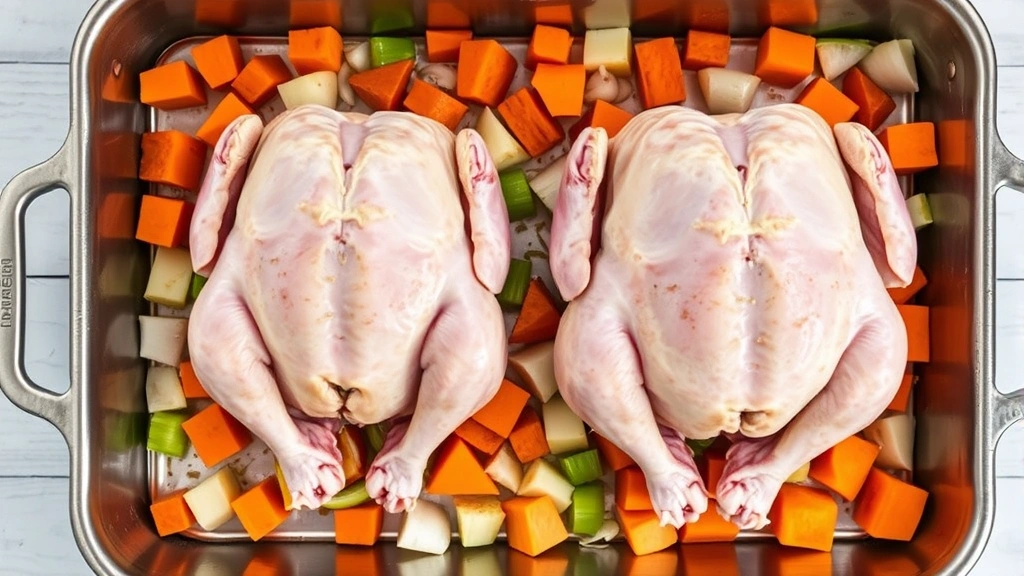
Select an appropriately-sized roasting pan—your hens should fit comfortably without crowding, as proper air circulation ensures even browning. Line the pan bottom with halved onions, celery chunks, and carrot pieces. These vegetable aromatics elevate your pan and allow heat to circulate underneath, plus they’ll create a flavorful base for brown gravy or pan sauce later.
Arrange your seasoned hens breast-side up atop the vegetable bed, spacing them several inches apart. Lightly brush or rub the exterior of each bird with melted butter or neutral oil—this promotes browning and prevents skin from drying. At this point, your hens are ready for the oven’s transformative heat.
Roasting begins at 450°F for the first 15 minutes, allowing the oven’s intense heat to crisp and brown the skin rapidly. After this initial period, reduce oven temperature to 375°F (190°C) and continue roasting until internal temperatures reach safe levels. This two-stage approach creates the ideal combination of crispy exterior and moist, tender interior meat.
Temperature and Timing Guidelines
Cornish hens typically roast for 45 to 55 minutes total, depending on individual bird size and your specific oven’s characteristics. Begin checking internal temperature around the 40-minute mark using an instant-read thermometer. Insert the thermometer into the thickest part of the thigh without touching bone—the target temperature is 165°F (74°C) for food safety.
Some cooks prefer checking the thigh joint, where a sharp knife should produce clear juices with no pink tinge. However, meat thermometers provide definitive certainty and eliminate guesswork. Every oven performs differently, so use timing as a general guide rather than absolute gospel.
Basting enhances browning and keeps meat moist. Every 15 minutes of roasting, carefully remove the pan from the oven and use a basting brush or spoon to distribute pan juices over the birds’ breasts and legs. This repetitive basting builds beautiful color and helps render fat from the skin, promoting crispness.
If your hens brown too quickly before reaching target internal temperature, loosely tent them with aluminum foil to slow exterior browning while interior meat continues cooking. This simple adjustment prevents burnt skin while ensuring fully cooked meat.
Resting and Carving Your Birds
Removing hens from the oven marks a critical juncture—resist the urge to serve immediately. Transfer your roasted birds to a warm serving platter and allow them to rest, tented loosely with foil, for 8 to 10 minutes. This resting period allows muscle fibers to relax and reabsorb juices, resulting in more tender, juicier meat throughout.
During resting time, pour pan drippings into a measuring cup or gravy separator, allowing fat to rise to the surface. Skim off excess fat, reserving some for flavor, then use these pan drippings as the base for a quick pan sauce or gravy. Add a splash of white wine or chicken broth to the roasting pan, scraping up browned bits with a wooden spoon, then simmer until reduced by half for an elegant finishing sauce.
Carving Cornish hens requires minimal effort compared to larger poultry. Each bird serves one person, so simply present whole birds on individual plates, or carve at the table for dramatic presentation. To carve: separate legs by pulling gently away from the body and cutting through the thigh joint; remove wings by cutting through the shoulder joint; finally, slice or serve the breasts whole or halved depending on preference.
Complementary Side Dishes and Sauces
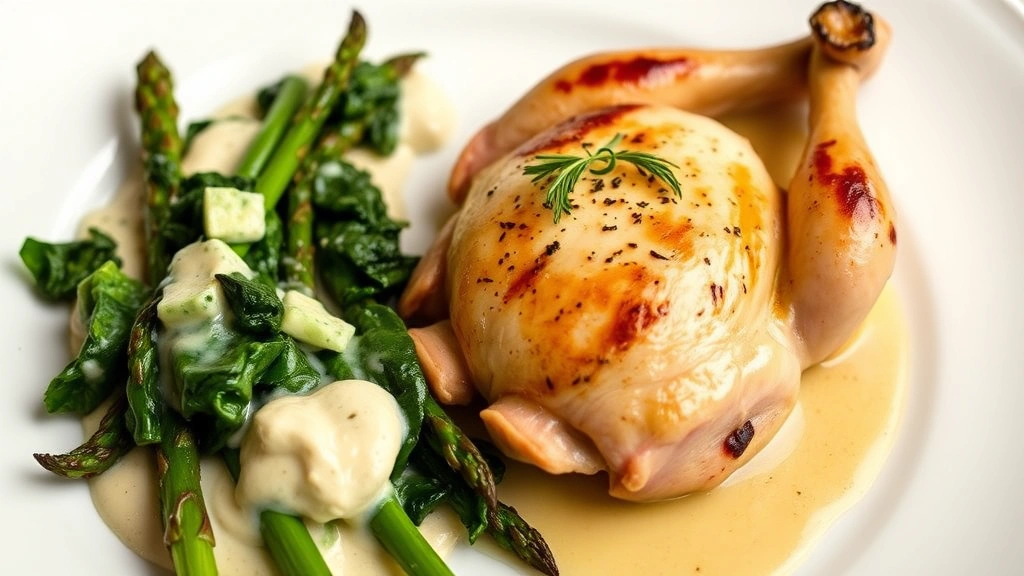
Roasted Cornish hens pair beautifully with elegant side dishes that don’t overshadow the birds themselves. Creamed spinach, roasted asparagus with lemon butter, or glazed root vegetables make sophisticated accompaniments. Consider preparing homemade bread for soaking up pan juices and sauce.
For sauce options, a classic approach involves deglazing the roasting pan with white wine or brandy, then whisking in a touch of cream and Dijon mustard for a silky pan sauce. Alternatively, prepare a simple herb-infused brown gravy by combining pan drippings with chicken broth, a slurry of cornstarch and cold water, and fresh herb sprigs simmered until thickened.
Those seeking complementary wet components might prepare a homemade pasta sauce with roasted tomatoes and basil, though this works better as a separate course. Alternatively, a light mushroom sauce made from sautéed shallots, mushrooms, and dry white wine elevates the presentation without overwhelming delicate poultry flavors.
Vegetable sides should offer textural contrast: pair creamed vegetables with something crispy like grandma-approved dinner recipes featuring roasted root vegetables with crispy edges. Potatoes—whether mashed, roasted, or in a gratin—provide satisfying substance without competing with your beautifully roasted hens.
Troubleshooting Common Issues
Uneven Browning: If one side browns faster than the other, rotate the roasting pan halfway through cooking. Oven hot spots are common, and this simple adjustment ensures balanced color development across all birds.
Skin Not Crisping: Ensure birds are thoroughly dried before roasting, and resist covering with foil unless browning too quickly. Skin requires direct oven heat exposure to crisp properly. If using a convection oven, reduce temperature by 25°F as circulating air accelerates cooking and browning.
Dry Meat: Overcooking causes dry meat faster in small birds than larger chickens. Use an instant-read thermometer religiously—165°F is the target, not 170°F or higher. Remove hens from the oven at precisely the right moment, and allow proper resting time for juice redistribution.
Underdone Thighs: If thighs aren’t reaching temperature while breasts appear done, separate the birds slightly in the pan to improve heat circulation around thighs. Alternatively, increase oven temperature slightly for the final 5-10 minutes of roasting.
Burnt Aromatics: If vegetables in the roasting pan char excessively, reduce initial oven temperature to 425°F and extend cooking time slightly. Alternatively, add vegetables halfway through roasting rather than at the beginning.
Minimize Food Waste: Save all bones, skin, and trimmings for food waste reduction by making homemade poultry stock. Freeze bones in a bag until you’ve accumulated enough for a pot of rich, flavorful broth.
FAQ
How many Cornish hens should I prepare per person?
Plan on one Cornish hen per person for a main course serving. These birds weigh 1.5 to 2.5 pounds each, providing an appropriately-sized portion that feels elegant and individual without excessive quantity.
Can I prepare Cornish hens ahead of time?
Yes! Season and stuff your hens up to 24 hours ahead, covering them loosely with plastic wrap and refrigerating. Remove from refrigeration 30 minutes before roasting to allow the birds to reach closer to room temperature, promoting more even cooking.
What’s the difference between Cornish hens and regular chicken?
Cornish hens are a specific breed of chicken bred for small size, typically weighing 1.5 to 2.5 pounds versus standard chickens at 4 to 6 pounds. They cook faster, offer individual servings, and feature proportionally larger thighs relative to body size, making them ideal for roasting whole.
Can I roast Cornish hens at a lower temperature for longer?
Absolutely. For lower-temperature roasting, set your oven to 350°F (177°C) and roast for 60 to 75 minutes, checking temperature frequently. Skip the initial high-temperature blast, though this produces less crispy skin. The two-stage method provides superior results with both crispness and moisture.
How do I store leftover roasted Cornish hen?
Remove meat from bones and store in airtight containers for up to 4 days refrigerated. Freeze bones for stock, and freeze leftover meat for up to 3 months. Reheat gently in a 325°F oven with a splash of broth to restore moisture.
What herbs work best for Cornish hen seasoning?
Thyme, rosemary, tarragon, and sage pair beautifully with poultry. Fresh herbs provide superior flavor to dried, though dried herbs work in a pinch—use one-third the quantity. Lemon zest brightens flavors, and garlic adds savory depth.
Should Cornish hens be trussed before roasting?
Trussing (tying legs and wings) isn’t essential for small hens, though it creates a more compact presentation. If trussing, use kitchen twine to tie legs together and tuck wing tips under the body. This promotes even cooking and more attractive plating.
Can I make Cornish hen recipes with a rotisserie method?
Yes! Rotisserie cooking produces exceptionally juicy results. Prepare your hens identically but secure them on a rotisserie spit, cooking at 375°F for 35 to 45 minutes until reaching 165°F internal temperature. Rotating meat ensures even browning without manual basting.


