Gluten-Free Dairy-Free Meals? Nutritionist Approved
Living with gluten and dairy sensitivities doesn’t mean sacrificing flavor, nutrition, or the joy of eating delicious home-cooked meals. Whether you’re managing celiac disease, lactose intolerance, or simply choosing a plant-based lifestyle, creating satisfying gluten-free dairy-free recipes has never been easier or more delicious. The key lies in understanding ingredient substitutions, mastering essential cooking techniques, and building a pantry stocked with versatile staples that deliver both nutrition and taste.
Nutritionists increasingly recognize that well-planned gluten-free dairy-free diets can provide complete nutrition when balanced with whole grains, legumes, healthy fats, and fresh produce. This comprehensive guide walks you through meal planning strategies, proven recipes, and expert tips to transform your kitchen into a haven for inclusive, nutritious cooking.
Understanding Gluten-Free Dairy-Free Nutrition
The challenge of eliminating both gluten and dairy simultaneously requires strategic nutritional planning. Gluten, found in wheat, barley, and rye, can cause digestive distress for those with celiac disease or non-celiac gluten sensitivity. Dairy products provide calcium and vitamin D in traditional diets, so removing them necessitates alternative sources like fortified plant-based milks, leafy greens, tahini, and legumes.
According to the Academy of Nutrition and Dietetics, properly planned gluten-free dairy-free diets support optimal health when they emphasize nutrient-dense whole foods. Focus on incorporating adequate protein through eggs, poultry, fish, legumes, nuts, seeds, and plant-based proteins. Include diverse vegetables and fruits for micronutrients, whole gluten-free grains like quinoa and brown rice for fiber and B vitamins, and healthy fats from avocados, coconut oil, olive oil, and nuts.
Micronutrient concerns often include vitamin B12, iron, calcium, and vitamin D. Plant-based eaters should consume fortified foods or supplements for B12, combine iron-rich foods with vitamin C sources for enhanced absorption, choose calcium-fortified plant milks and leafy greens, and ensure adequate sun exposure or supplementation for vitamin D.
Essential Pantry Staples and Substitutions
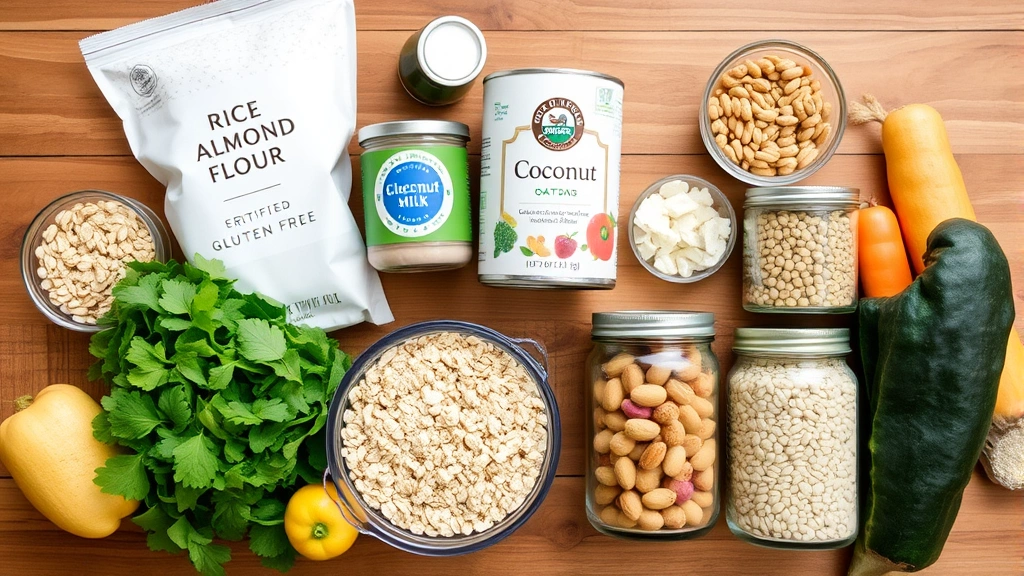
Building a well-stocked pantry transforms meal preparation from stressful to seamless. Keep these gluten-free staples on hand: certified gluten-free oats, quinoa, brown rice, millet, and buckwheat for grain-based meals. For baking, stock rice flour, almond flour, tapioca starch, and xanthan gum to replicate traditional wheat flour’s binding properties.
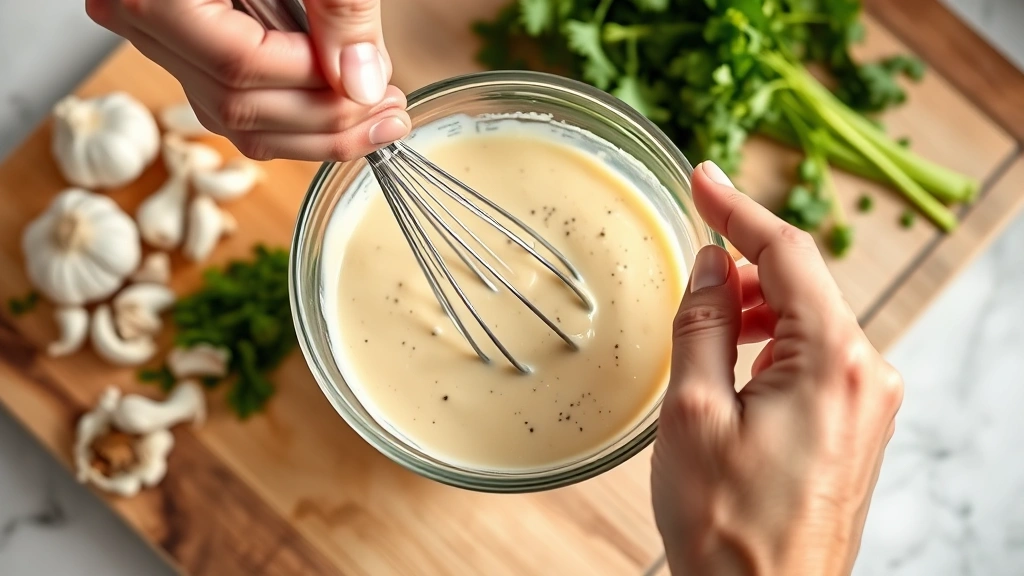
Dairy substitutions deserve special attention. Plant-based milk alternatives include almond, oat, coconut, soy, and hemp varieties. Oat and soy milks provide superior protein content for cooking and baking. For richness, coconut milk works beautifully in curries and sauces. Nutritional yeast adds umami and B vitamins to savory dishes. Cashew cream, made by blending soaked cashews with water, creates luxurious dairy-free sauces rivaling traditional cream.
Stock these protein powerhouses: lentils, chickpeas, black beans, and canned fish. Keep nuts and seeds including almonds, walnuts, sunflower seeds, and pumpkin seeds for snacking and cooking. Healthy oils like extra virgin olive oil, coconut oil, and avocado oil provide essential fats. Pantry staples should include low-sodium vegetable broth, canned tomatoes, coconut milk, and tamari (gluten-free soy sauce).
Fresh ingredients that last include garlic, onions, potatoes, carrots, and celery as your aromatic foundation. Frozen vegetables and fruits offer nutritional equivalence to fresh with extended shelf life. Keep eggs, which provide complete protein and work across meals. For sweetening, use maple syrup, coconut sugar, or dates instead of refined sugar.
Breakfast Ideas to Start Your Day Right
Breakfast sets the tone for stable energy and mental clarity throughout your day. Gluten-free oatmeal serves as a versatile base when topped with sliced banana, almond butter, and maple syrup, or with fresh berries and coconut yogurt. Cook certified gluten-free oats in fortified oat milk with cinnamon and nutmeg for warmth and comfort.
Smoothie bowls offer customizable nutrition. Blend frozen berries with coconut milk and dairy-free yogurt, pour into a bowl, and top with granola, coconut flakes, sliced fruit, and nuts. Breakfast burritos wrapped in gluten-free tortillas with scrambled eggs, sautéed vegetables, avocado, and dairy-free cheese satisfy hunger for hours. Frittatas loaded with vegetables, herbs, and cooked sausage provide protein-rich meals that reheat beautifully for busy mornings.
Try chia seed pudding prepared by mixing chia seeds with coconut milk, vanilla extract, and maple syrup the night before. Breakfast grain bowls combine cooked quinoa or brown rice with roasted vegetables, avocado, nuts, and a tahini dressing. Smoothies blending leafy greens, frozen fruit, plant-based milk, and nut butter deliver nutrients in convenient form. Gluten-free toast topped with mashed avocado, tomato, and nutritional yeast provides satisfying breakfast in minutes.
Lunch and Dinner Meal Solutions
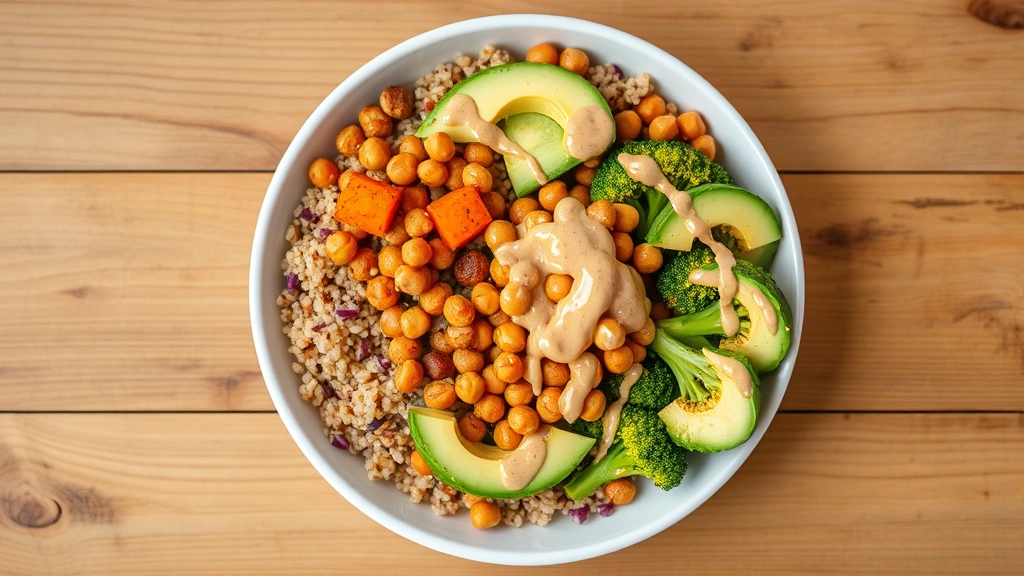
Satisfying lunch and dinner options prevent reliance on processed foods. Buddha bowls combine a whole grain base (quinoa or brown rice), roasted vegetables, legumes, fresh greens, and a flavorful dressing. Sheet pan dinners featuring roasted chicken or fish with seasonal vegetables require minimal cleanup while delivering complete nutrition. Curry dishes using coconut milk create naturally dairy-free creaminess while building complex flavors.
Stir-fries using tamari instead of soy sauce offer quick weeknight solutions. Cook protein (tofu, chicken, shrimp, or beef) with mixed vegetables, garlic, ginger, and a sauce of tamari, rice vinegar, and sesame oil served over rice or noodles. Pasta dishes using gluten-free pasta with marinara sauce, olive oil and garlic, or creamy cashew-based sauces satisfy cravings while maintaining dietary restrictions.
Soup options range from simple vegetable broths to hearty lentil and bean varieties. Prepare large batches for weekly lunches. Tacos using corn tortillas with seasoned meat or beans, fresh salsa, avocado, and lettuce offer handheld convenience. Grain salads combining cooked quinoa with roasted vegetables, fresh herbs, and vinaigrette dressing keep well for meal prep.
Consider trying our banana bread muffin recipe adapted for gluten-free flour blends. For protein-rich dinners, explore plant-based options like chickpea curries or lentil bolognese using our strawberry sauce recipe techniques adapted for tomato-based sauces.
Desserts and Sweet Treats
Eliminating gluten and dairy from desserts requires understanding how these ingredients function. Gluten provides structure; dairy adds richness and moisture. Successful gluten-free baking uses flour blends containing rice flour, almond flour, and tapioca starch with xanthan gum as binder. Recipes requiring precise ratios work best with tested formulas rather than simple substitutions.
Brownies and chocolate cakes thrive with gluten-free flour blends and dairy-free milk plus oil replacing butter. Cookies benefit from almond flour’s moisture-retention properties. Try our lemon cheesecake recipe reimagined with cashew cream and coconut milk bases for dairy-free decadence. Fruit-based desserts like our blueberry syrup recipe drizzled over coconut yogurt provide naturally gluten-free sweetness.
Naturally gluten-free desserts include flourless chocolate cakes, fruit crisps with almond flour topping, and how to make fruit preserves for serving alongside dairy-free ice cream. Puddings made with cornstarch and coconut milk satisfy chocolate cravings. Energy balls combining dates, nuts, and cocoa powder require no baking. Frozen fruit-based sorbets and nice cream (frozen banana blended until creamy) offer refreshing options.
For special occasions, explore fresas con crema recipe variations using coconut whipped cream instead of dairy cream. Meringue cookies rely only on eggs and sugar, making them naturally compliant. Flourless nut-based cakes deliver impressive presentations for entertaining.
Meal Planning and Shopping Strategies
Successful gluten-free dairy-free eating begins with intentional planning. Start by choosing 2-3 breakfast options, 2-3 lunch options, and 3-4 dinner options for the week. Build shopping lists organized by store section: produce, protein, pantry, and frozen items. This systematic approach prevents impulse purchases and ensures balanced nutrition.
Create a master recipe collection of favorite meals, noting ingredients and prep time. Batch cooking on weekends—preparing grains, roasting vegetables, cooking proteins—streamlines weeknight assembly. Label and freeze portions for grab-and-go convenience. Invest in quality storage containers for meal prep success.
Read all labels carefully, as hidden gluten lurks in soy sauce, worcestershire sauce, and some broths. Cross-contamination prevention matters for those with celiac disease; maintain separate cutting boards and utensils from gluten-containing foods. When dining out, communicate clearly about restrictions; many restaurants accommodate dietary needs when asked directly.
Build relationships with specialty grocers and online retailers offering gluten-free certified products and diverse plant-based options. Join online communities sharing recipes and tips. Follow food blogs dedicated to inclusive cooking for inspiration and tested recipes. Connect with a registered dietitian for personalized guidance, particularly when managing medical conditions.
Budget-friendly strategies include buying seasonal produce, purchasing legumes and grains in bulk, choosing store-brand gluten-free products, and minimizing processed specialty foods. Whole foods consistently cost less than their processed alternatives while delivering superior nutrition. Cooking from scratch maximizes both budget and nutritional control.
Consider consulting the Celiac Disease Foundation for comprehensive resources on living gluten-free. Explore nutrition.gov for evidence-based dietary guidelines. Reference Forks Over Knives for plant-based cooking inspiration. Discover Serious Eats for detailed cooking technique explanations and recipe development science.
FAQ
Are gluten-free dairy-free diets nutritionally complete?
Yes, when properly planned with attention to protein, calcium, vitamin D, vitamin B12, and iron. Include diverse whole foods, fortified products, and consider supplementation as needed. Working with a registered dietitian ensures nutritional adequacy.
What’s the best dairy substitute for cooking and baking?
It depends on application. Oat milk works well for general cooking and baking due to neutral flavor and protein content. Coconut milk provides richness for curries and desserts. For creamy sauces, cashew cream offers superior texture. For drinking, choose based on personal preference and nutritional fortification.
How do I prevent cross-contamination with gluten?
Maintain separate cutting boards, utensils, toasters, and cooking surfaces. Wash hands thoroughly after handling gluten-containing foods. Use dedicated colanders and strainers. When cooking for multiple people, prepare gluten-free meals first using clean equipment.
Can I eat oats on a gluten-free diet?
Oats are naturally gluten-free but often contaminated during growing, harvesting, or processing. Choose certified gluten-free oats to ensure safety. Most people with celiac disease tolerate certified gluten-free oats well.
What proteins work best for gluten-free dairy-free cooking?
Eggs, poultry, fish, legumes (lentils, chickpeas, beans), tofu, tempeh, nuts, and seeds all provide complete or complementary proteins. Combine plant-based proteins with grains for complete amino acid profiles.
How do I make creamy sauces without dairy?
Cashew cream, coconut milk, blended silken tofu, or plant-based milk thickened with cornstarch or arrowroot powder create satisfying creaminess. Nutritional yeast adds umami depth. Cooking down sauces concentrates flavors naturally.
Are gluten-free products automatically healthy?
No. Many gluten-free processed foods contain added sugars, unhealthy fats, and sodium while lacking fiber and nutrients. Emphasize whole foods—vegetables, fruits, legumes, and whole grains—rather than specialty processed alternatives.


