
Best Hominy Soup Ever? Grandma’s Secret Recipe
There’s something magical about a steaming bowl of hominy soup that transports you straight to grandmother’s kitchen. This beloved comfort food has been passed down through generations, each family adding their own treasured touches. My grandmother’s version isn’t just any hominy soup—it’s a carefully guarded recipe that combines tender hominy kernels, rich broth, and a symphony of spices that make every spoonful memorable.
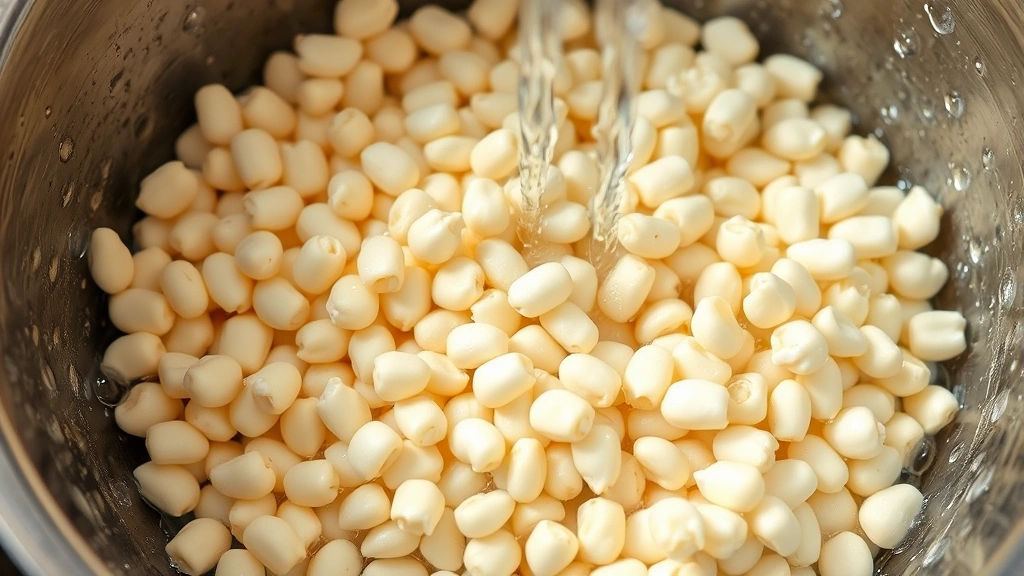
Hominy, the star ingredient in this classic dish, is corn that has been treated with an alkali process, creating larger, fluffier kernels with a distinctive mild flavor. Unlike regular corn, hominy has a unique texture and nutritional profile that makes it ideal for soups. When combined with the right ingredients and cooking techniques, hominy transforms into something truly extraordinary. This recipe has earned countless compliments at family gatherings, and now I’m thrilled to share grandmother’s secrets with you.
What makes this hominy soup stand out is the careful balance of flavors and the quality of each component. The broth is built from scratch, the seasonings are perfectly calibrated, and the cooking method ensures every ingredient reaches its full potential. Whether you’re a seasoned cook or just beginning your culinary journey, this recipe is surprisingly accessible and forgiving.
What Makes This Hominy Soup Special
Grandmother’s hominy soup stands apart because it respects both tradition and technique. The foundation is a rich, deeply flavored broth that simmers for hours, extracting maximum flavor from every ingredient. Unlike quick-cooking soups, this recipe understands that the best flavors develop slowly and deliberately.
The secret lies in several key elements. First, we use quality hominy—preferably white or yellow varieties that have been properly processed. Second, the broth base combines chicken or pork stock with aromatics like onions, garlic, and celery, creating a flavor foundation that’s both complex and approachable. Third, the spice profile balances cumin, oregano, and subtle heat without overwhelming the palate.
This soup represents more than just ingredients combined in a pot. It’s comfort in a bowl, a connection to heritage, and a reminder that the best meals often come from simple, quality components treated with care. The hominy kernels absorb the broth’s flavor while maintaining their distinctive tender texture, creating a soup that’s hearty enough for a main course yet light enough for a starter.

Ingredients You’ll Need
Before diving into the cooking process, gather all your ingredients. This recipe serves 8-10 people and can be easily doubled for larger gatherings.
- 2 cans (25 oz each) white or yellow hominy, drained and rinsed
- 2 pounds pork shoulder or chicken thighs, cut into bite-sized pieces
- 8 cups chicken or pork broth, preferably homemade
- 1 large yellow onion, diced
- 6 cloves garlic, minced
- 3 celery stalks, chopped
- 2 teaspoons ground cumin
- 1 teaspoon dried oregano
- ½ teaspoon cayenne pepper (adjust to taste)
- 2 bay leaves
- Salt and black pepper to taste
- 2 tablespoons olive oil
- Fresh cilantro for garnish
- Lime wedges for serving
Quality ingredients make all the difference. If you can access fresh hominy from a farmer’s market, even better—though canned hominy works beautifully when properly rinsed. The broth is particularly important; if you’re making homemade broth, you’ll notice a significant flavor upgrade compared to store-bought versions.
Step-by-Step Cooking Instructions
Step 1: Prepare Your Protein
Begin by cutting your pork shoulder or chicken into bite-sized pieces, roughly one to one-and-a-half inches. Uniform sizing ensures even cooking. Pat the meat dry with paper towels—this helps achieve better browning. Season lightly with salt and pepper.
Step 2: Brown the Meat
Heat olive oil in a large Dutch oven or heavy-bottomed pot over medium-high heat. Working in batches, brown the meat on all sides, approximately 3-4 minutes per batch. Don’t overcrowd the pot, as this prevents proper browning. Transfer browned meat to a clean plate. This step builds flavor through the Maillard reaction, creating depth that quick-cooking methods can’t achieve.
Step 3: Build the Aromatic Base
Reduce heat to medium. Add diced onion, chopped celery, and minced garlic to the same pot, scraping up any browned bits stuck to the bottom. These flavorful bits, called fond, are liquid gold for soup. Sauté for 5-7 minutes until vegetables soften and become fragrant.
Step 4: Add Spices
Sprinkle cumin, oregano, and cayenne pepper over the vegetables. Stir constantly for about one minute, allowing the spices to bloom and release their essential oils. This technique, known as blooming spices, intensifies their flavor profile significantly.
Step 5: Combine and Simmer
Return the browned meat to the pot. Pour in the broth and add bay leaves. Bring to a boil, then reduce heat to low and simmer uncovered for 45 minutes to one hour, until the meat is very tender. Skim any foam that rises to the surface during the first 10 minutes of cooking.
Step 6: Add Hominy
After the meat is tender, add the drained and rinsed hominy. Stir well to distribute evenly throughout the pot. Continue simmering for another 15-20 minutes, allowing the hominy to absorb the soup’s flavors. The soup is ready when the hominy is heated through and the flavors have melded beautifully.
Step 7: Season and Adjust
Taste the soup carefully. Adjust salt, pepper, and spices as needed. Remember that flavors intensify as the soup cools, so err on the side of slight under-seasoning. Remove bay leaves before serving.
Pro Tips from Grandma
Grandmother always emphasized that cooking is as much about intuition as it is about following instructions. Here are her most treasured tips for perfect hominy soup every time.
Tip 1: Never Rush the Broth
The longer your broth simmers, the more flavorful your soup becomes. While the recipe calls for specific times, don’t hesitate to extend simmering if you have the time. Some of grandmother’s best batches simmered for nearly two hours. The additional time allows collagen from the meat to break down into gelatin, creating a silkier, more luxurious mouthfeel.
Tip 2: Rinse Your Hominy Thoroughly
This step seems minor but makes a significant difference. Canned hominy is packed in a starchy liquid that can make your soup cloudy and affect the texture. Running it under cold water removes this coating, resulting in a clearer, more refined soup.
Tip 3: Use Fresh Aromatics
Grandmother never used pre-minced garlic from a jar. Fresh garlic, onions, and celery provide vibrant flavors that dried or pre-prepared versions simply cannot match. The extra minute spent chopping is absolutely worth the flavor upgrade.
Tip 4: Consider Your Broth Source
If you have access to homemade broth, use it. However, if you’re using store-bought, choose low-sodium varieties so you maintain control over the salt content. High-sodium broths can make it nearly impossible to season properly.
Tip 5: Let It Rest
After cooking, allow the soup to rest for 10 minutes before serving. This brief pause allows flavors to settle and distribute evenly. It also makes the soup easier to serve and helps the hominy reach its ideal texture.
Tip 6: Garnish Generously
Fresh cilantro, a squeeze of lime, or a dollop of sour cream transforms the eating experience. Garnishes add brightness and textural contrast to the rich, comforting soup. Don’t skip this step—it’s where the final magic happens.
Tip 7: Make It Ahead
This soup actually improves with time. Prepare it a day ahead, refrigerate overnight, and reheat gently before serving. The flavors deepen and meld beautifully. This makes it perfect for meal planning or entertaining.
Serving and Storage
Hominy soup is wonderfully versatile in how you serve it. For a traditional presentation, ladle into bowls and garnish with fresh cilantro, lime wedges, and perhaps some crispy tortilla strips. Serve alongside warm cornbread or crusty bread for soaking up every drop of broth.
For a more casual gathering, set up a toppings bar where guests can customize their bowls. Offer diced onions, jalapeños, cheese, avocado, and various garnishes. This interactive approach makes the meal more engaging and allows everyone to tailor their soup to personal preferences.
Proper storage ensures you can enjoy this soup throughout the week. In an airtight container, hominy soup keeps refrigerated for 4-5 days. The flavors actually continue developing during storage. To reheat, warm gently on the stovetop over medium heat, stirring occasionally. Avoid high heat, which can cause the broth to separate.
Freezing is also an excellent option. Ladle cooled soup into freezer-safe containers, leaving about an inch of headspace for expansion. Frozen hominy soup maintains excellent quality for up to three months. Thaw overnight in the refrigerator before reheating.
One note: if you’re freezing and planning to store for extended periods, slightly undercook the hominy. It will soften further during freezing and reheating, and you want to avoid mushy kernels.
Variations and Adaptations
While grandmother’s recipe is perfect as-is, hominy soup welcomes creative adaptations. Here are some variations worth exploring.
Vegetarian Version
Omit the meat and use vegetable broth instead. Add extra vegetables like diced bell peppers, carrots, and zucchini. Include beans—black beans or pinto beans add protein and heartiness. The soup becomes lighter but still deeply satisfying. You might also try making a vegetable soup using similar techniques and aromatics.
Creamy Hominy Soup
For a luxurious variation, stir in heavy cream or Mexican crema during the last few minutes of cooking. Add a handful of shredded cheese—Oaxaca, Chihuahua, or even sharp cheddar works beautifully. This version is richer and more indulgent. If you enjoy cheese-forward soups, explore our cheddar cheese sauce recipe for additional inspiration.
Pozole Rojo Style
Add dried red chiles—guajillo, ancho, or New Mexico chiles—for a deeper, more complex flavor. Soak the chiles, blend them into a paste, and stir into the soup. This creates the traditional pozole rojo, a Mexican classic that’s slightly spicier and more vibrant than the basic version.
Seafood Variation
Replace the pork or chicken with shrimp, fish, or a combination. Add these proteins toward the end of cooking—just 5-7 minutes before serving—to prevent overcooking. This lighter version is perfect for seafood lovers and offers a fresh twist on the traditional recipe.
Smoky Bacon Addition
Cook several strips of bacon until crispy, crumble, and add to the soup along with a tablespoon of bacon fat for cooking the aromatics. This adds smokiness and depth that complements the hominy beautifully. Garnish each bowl with additional bacon crumbles.
Slow Cooker Method
Adapt this recipe for slow cooking by browning the meat in a skillet first, then transferring everything to a slow cooker with the broth and aromatics. Cook on low for 6-8 hours. Add the hominy during the last 30 minutes. This hands-off method is perfect for busy weekdays.
FAQ
Can I use frozen hominy instead of canned?
Absolutely. Frozen hominy works beautifully in this recipe. There’s no need to thaw it beforehand; simply add it directly to the pot during the final cooking stage. Some cooks prefer frozen hominy because it has a slightly firmer texture compared to canned varieties.
What if I can’t find hominy at my local grocery store?
Most grocery stores carry canned hominy in the Mexican or international foods section. If your store doesn’t stock it, specialty markets, online retailers, and Latin American markets are excellent resources. You can also order it online for convenient delivery. Don’t attempt to substitute corn—the alkaline processing that creates hominy is essential to the recipe’s success.
Is this soup spicy?
The base recipe is mildly spiced. The half teaspoon of cayenne pepper provides gentle heat without overwhelming the palate. If you prefer more spice, increase the cayenne or add fresh jalapeños. For a milder version, reduce or omit the cayenne entirely.
Can I make this soup in a pressure cooker or Instant Pot?
Yes, though the flavor development is somewhat different. Brown the meat using the sauté function, then add broth and aromatics. Cook on high pressure for 20 minutes, then natural release for 10 minutes. Add hominy and cook for an additional 5 minutes on high pressure. The result is delicious but lacks the depth that long, slow simmering provides.
How do I know when the meat is tender enough?
The meat should shred easily when pierced with a fork. If it still resists after the recommended cooking time, continue simmering. Tougher cuts like pork shoulder benefit from longer cooking times. Patience here yields superior results.
What’s the best way to reheat leftover soup?
Gentle reheating preserves the soup’s quality. Transfer to a pot and warm over medium heat, stirring occasionally. If the soup seems too thick after refrigeration, add a splash of broth or water. Avoid boiling, which can cause the broth to break and the hominy to become mushy.
Can I double this recipe?
Definitely. Simply double all ingredients and use a larger pot. The cooking time remains approximately the same, though you may need an extra 10-15 minutes for the larger volume to reach proper temperature and flavor development. This makes it perfect for meal prep or entertaining.
What are good side dishes to serve with hominy soup?
Cornbread, warm flour tortillas, or crusty bread are traditional accompaniments. A simple green salad provides textural contrast. Consider making a refreshing salad on the side for a complete meal. The soup is hearty enough to be a complete meal on its own, though sides enhance the experience.
Is this recipe authentic to any particular cuisine?
This recipe draws inspiration from Mexican pozole and traditional American comfort food soups. While not strictly authentic to any single cuisine, it respects the techniques and flavor profiles of both traditions. Hominy has deep roots in Mesoamerican cooking, making this soup a beautiful fusion of culinary heritages.


