Low Carb Chicken Recipes? Dietitian Approved
Finding satisfying meals that fit your low-carb lifestyle doesn’t mean sacrificing flavor or variety. Chicken stands as one of the most versatile proteins available, making it the perfect foundation for hundreds of delicious low-carb dishes. Whether you’re following a ketogenic diet, managing blood sugar levels, or simply looking to reduce your carbohydrate intake, chicken recipes offer flexibility, nutrition, and incredible taste without the guilt.
As a lean protein source, chicken provides essential amino acids, B vitamins, and minerals while remaining naturally low in carbohydrates. The key to creating memorable low-carb chicken meals lies in understanding how to build flavor through cooking techniques, complementary ingredients, and creative seasoning combinations. This comprehensive guide walks you through proven strategies, tested recipes, and professional tips that dietitians recommend for sustainable, enjoyable low-carb eating.
Let’s explore how to transform simple chicken into restaurant-quality meals that support your health goals while keeping you satisfied and excited about mealtime.
Why Chicken Dominates Low Carb Cooking
Chicken has become the cornerstone of low-carb meal planning for excellent reasons. A 3.5-ounce serving of skinless chicken breast contains approximately zero grams of carbohydrates while delivering around 26 grams of protein. This macronutrient profile makes chicken ideal for maintaining ketosis, stabilizing blood sugar, and supporting muscle maintenance during weight loss.
Beyond the numbers, chicken offers unmatched versatility. Different cuts provide varying fat contents—from lean breast meat to richly flavored thighs—allowing you to choose based on your specific nutritional needs and taste preferences. Fried chicken fries recipes demonstrate how creative preparation transforms familiar proteins into exciting variations. The bird’s neutral flavor profile makes it an ideal canvas for bold spices, aromatic herbs, and rich sauces that define low-carb cuisine.
Chicken also accommodates every cooking skill level and kitchen setup. Whether you have access to professional equipment or basic home appliances, you can prepare exceptional chicken dishes. This accessibility makes sustainable low-carb eating achievable for everyone, regardless of culinary experience.
Essential Cooking Methods for Tender Results
Mastering cooking techniques ensures your chicken reaches perfect doneness every time. Different methods suit different cuts and occasions, giving you flexibility in your meal preparation routine.
Pan-Searing for Crispy Exteriors
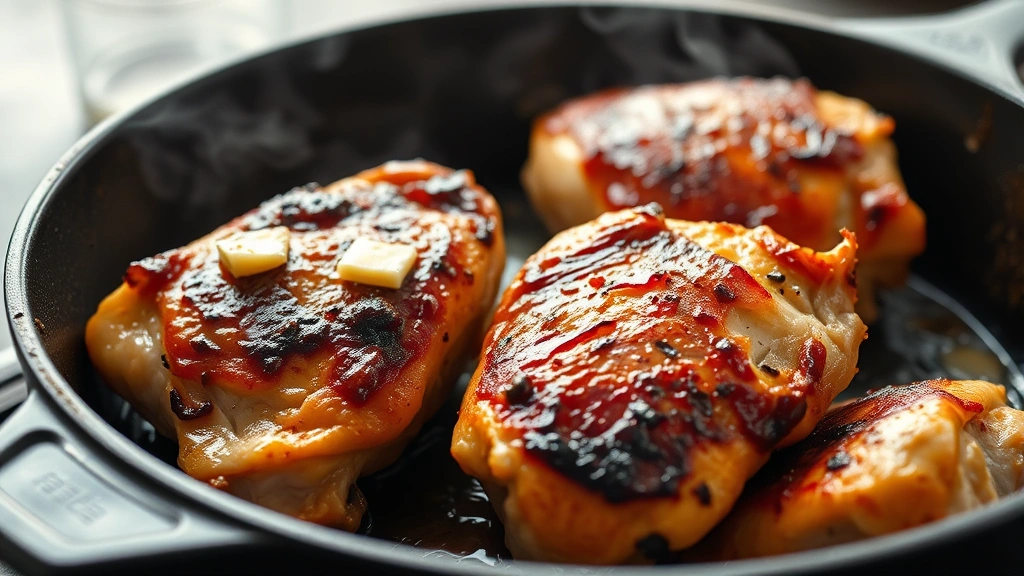
Pan-searing creates a flavorful crust while keeping interiors moist. Heat a skillet over medium-high heat, add a small amount of butter or avocado oil, and place room-temperature chicken pieces skin-side down. Resist the urge to move the chicken—let it sit for 6-8 minutes to develop color. Flip and cook the other side for 4-5 minutes. This method works beautifully for chicken breasts, thighs, and drumsticks. The Maillard reaction that creates that appetizing brown exterior also develops complex flavors that enhance your finished dish.
Slow Cooking for Maximum Tenderness
Slow cookers excel at transforming tougher cuts into fall-apart tender meat. Place chicken thighs or breasts in your slow cooker with low-carb vegetables, broth, and seasonings. Cook on low for 6-8 hours or high for 3-4 hours. This hands-off method suits busy schedules and batch cooking. The extended cooking time breaks down collagen in the meat, resulting in incredibly tender, juicy chicken perfect for shredding into salads, lettuce wraps, or cauliflower rice bowls.
Baking for Consistent Results
Oven baking provides reliable, hands-off cooking. Preheat your oven to 375°F, season chicken pieces generously, and place them on a lined baking sheet. Bake for 20-30 minutes depending on thickness, until internal temperature reaches 165°F at the thickest point. Baking suits batch cooking and meal prep perfectly, allowing you to prepare multiple servings simultaneously.
Grilling for Smoky Depth
Grilling imparts distinctive smoky flavor while maintaining moisture when done correctly. Oil your grill grates well to prevent sticking. Cook chicken over medium heat, not directly over flames. Bone-in, skin-on chicken thighs handle grilling beautifully, though breasts work too if you avoid excessive heat. Grilled chicken develops a flavorful crust while the interior remains juicy.
Flavor-Building Techniques Without Carbs
Creating deeply flavorful low-carb chicken dishes requires understanding how to build taste layers without relying on sugar, breading, or starchy thickeners.
Dry Rub Mastery
Dry rubs coat chicken with concentrated flavors that intensify during cooking. Combine spices like smoked paprika, garlic powder, onion powder, cumin, and cayenne pepper. Apply generously to chicken pieces and let them sit for 15-30 minutes before cooking. This resting period allows flavors to penetrate the meat. Dry rubs create exceptional flavor without adding carbohydrates or calories.
Marinating for Depth
Marinades tenderize chicken while infusing flavor. Combine acid (lemon juice, vinegar, or unsweetened vinegar-based sauces), oil, and seasonings. Marinate chicken for 2-8 hours in the refrigerator. The acid denatures proteins, creating tender, flavorful results. Avoid sugar-based marinades; instead, use mustard, hot sauce, or tempura batter recipe inspiration for creative coating ideas adapted to low-carb formats.
Sauce Development
Low-carb sauces rely on fat, acid, and seasonings rather than starch. Butter-based sauces with garlic, herbs, and lemon juice create restaurant-quality results. Cream sauces using heavy cream, cream cheese, or sour cream provide richness. Tomato-based sauces work beautifully if you monitor portions carefully. Always check labels on store-bought sauces for hidden carbohydrates.
Herb and Spice Combinations
Fresh and dried herbs transform simple chicken into distinctive dishes. Italian seasoning (oregano, basil, thyme) suits Mediterranean preparations. Cajun spice blends create bold, exciting flavors. Asian-inspired combinations using ginger, garlic, and soy sauce deliver umami-rich results. Herbs contain virtually no carbohydrates while adding tremendous flavor complexity.
Top Low Carb Chicken Recipes
Garlic Butter Chicken Thighs
Bone-in, skin-on chicken thighs deliver superior flavor and moisture compared to breasts. Season thighs with salt, pepper, and garlic powder. Pan-sear skin-side down until golden, flip, and add minced garlic and butter to the pan. Continue cooking until the internal temperature reaches 165°F. The rendered fat and butter create a luxurious sauce. Serve with roasted low-carb vegetables like Brussels sprouts or asparagus.
Creamy Tuscan Chicken
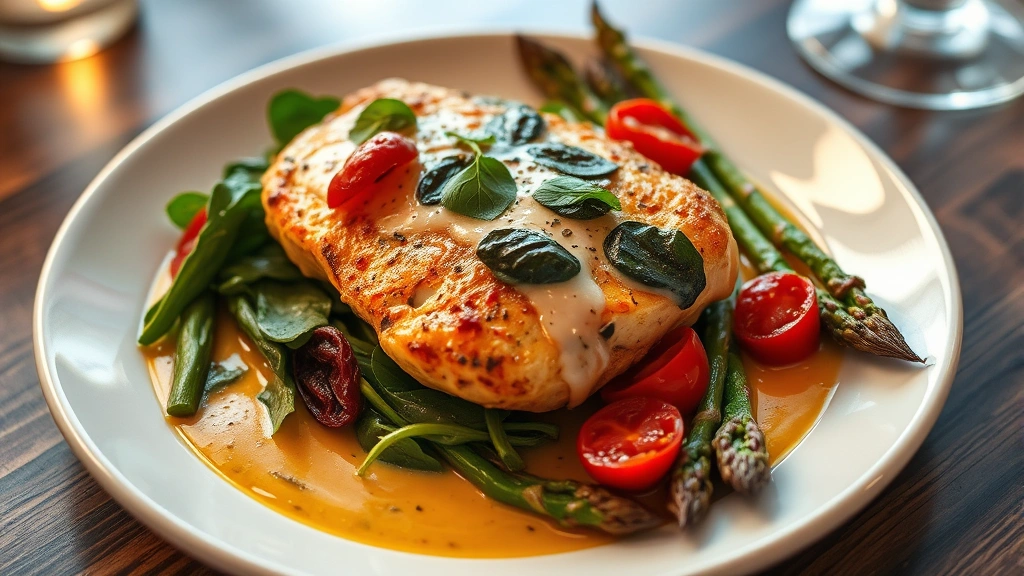
This restaurant-inspired dish combines chicken breasts with sun-dried tomatoes, spinach, and cream. Sear chicken breasts until golden, remove temporarily, sauté garlic and sun-dried tomatoes in the same pan, add heavy cream and chicken broth, return chicken to the pan, and simmer until cooked through. The result is elegant, satisfying, and naturally low-carb. Serve over cauliflower rice or zucchini noodles for a complete meal.
Spicy Lime Cilantro Chicken
Combine lime juice, cilantro, jalapeño, garlic, and olive oil to create a vibrant marinade. Marinate chicken breasts or thighs for 4-6 hours. Grill or pan-sear until cooked through. This bright, fresh preparation suits warm weather entertaining and pairs perfectly with cauliflower rice or a simple salad.
Buffalo Chicken Lettuce Wraps
Slow-cook chicken breasts or thighs with buffalo sauce (hot sauce and butter combined), then shred the meat. Serve in lettuce leaves with ranch dressing, blue cheese crumbles, and celery. This playful take on buffalo wings delivers bold flavor without bread or high carbohydrate counts.
Lemon Herb Roasted Chicken
Nothing beats a whole roasted chicken for batch cooking and versatility. Stuff the cavity with lemon halves and fresh herbs (rosemary, thyme, sage). Rub the exterior with butter, garlic, and herbs. Roast at 425°F for approximately 1.5 hours until the skin crisps and juices run clear. Shred the meat for multiple meals throughout the week.
Asian Sesame Chicken Stir-Fry
Cut chicken breasts into bite-sized pieces and stir-fry with low-carb vegetables like broccoli, bell peppers, and snap peas. Use a sauce combining sesame oil, soy sauce, garlic, and ginger. The quick cooking method preserves texture while building complex flavors. Serve over cauliflower rice for an authentic Asian-inspired low-carb experience.
Chicken Piccata
Pound chicken breasts thin, dredge lightly in almond flour mixed with Italian seasoning, pan-fry in butter, then create a sauce from lemon juice, capers, and chicken broth. This elegant preparation delivers bright, sophisticated flavor that impresses dinner guests while maintaining your carbohydrate goals.
Smart Sides and Accompaniments
The right sides transform chicken from good to exceptional. Low-carb vegetables provide nutrients, fiber, and textural variety.
Cauliflower-Based Sides
Cauliflower rice, cauliflower mash, and roasted cauliflower steaks replace traditional starchy sides. These versatile vegetables absorb flavors beautifully and contain minimal carbohydrates. Roast with olive oil and garlic for simple elegance, or blend with cream and cheese for comfort-food appeal.
Green Vegetable Preparations
Asparagus, green beans, and broccoli provide satisfying texture and important nutrients. Sauté with garlic and butter, roast until crispy-edged, or steam with lemon juice. These preparations maintain nutritional integrity while adding visual appeal to your plate.
Creamy Vegetable Sides
Zucchini noodles tossed with butter and herbs, creamed spinach, or sautéed mushrooms in cream sauce provide rich, satisfying accompaniments. These sides complement chicken beautifully while adding fat-soluble vitamins and keeping carbohydrate counts minimal.
Salad Options
Fresh salads with quality olive oil vinaigrettes provide light, refreshing contrast to rich chicken preparations. Build salads with leafy greens, cucumber, avocado, and full-fat dressing. White chicken chili recipe inspiration shows how chicken works in various preparations, though traditional recipes require modification for low-carb compatibility.
Meal Prep Strategies for Success
Batch Cooking Basics
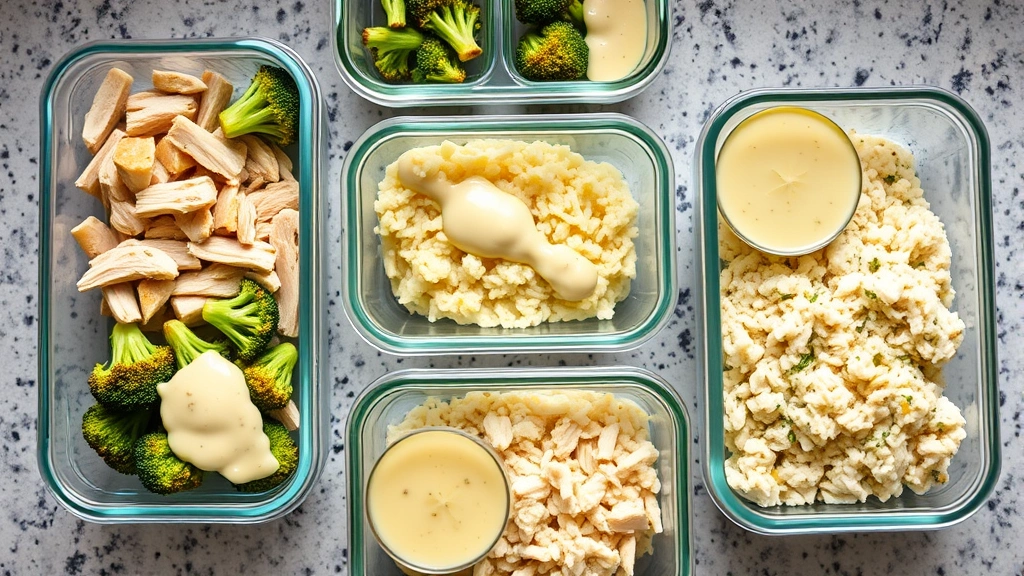
Dedicate one cooking session weekly to preparing multiple chicken dishes. Roast several whole chickens, pan-sear chicken breasts, and slow-cook thighs. Portion cooked chicken into containers and refrigerate for up to four days. This foundation allows quick meal assembly throughout the week.
Freezing and Storage
Cooked chicken freezes beautifully for up to three months. Portion into meal-sized quantities, wrap tightly, and label with dates. Thaw overnight in the refrigerator before reheating. Raw chicken also freezes well; thaw completely before cooking for even doneness.
Sauce Preparation
Prepare versatile sauces in advance. Store butter-based sauces, cream reductions, and marinades in glass containers. These components combine with precooked chicken for quick, satisfying meals. Having multiple sauce options prevents meal fatigue and maintains dietary adherence.
Vegetable Prep
Chop low-carb vegetables in advance, storing them in airtight containers. Pre-roasted vegetables save significant cooking time during busy weekdays. This preparation transforms quick chicken and vegetable combinations from complicated to simple.
Strategic Planning
Plan meals around your schedule. Simple pan-seared chicken suits busy weeknights, while slow-cooker recipes work perfectly for hectic days. Grilled chicken and elaborate preparations suit relaxed weekends. This flexible approach prevents burnout and maintains consistency.
For additional inspiration on low-carb accompaniments, explore quick and easy pasta recipes adapted with zucchini noodles or shirataki noodles instead of traditional pasta. The crispy rice recipe concept translates beautifully to cauliflower rice preparations when modified for low-carb requirements. Consider resources like Eat This Much for personalized meal planning, Love and Lemons for fresh vegetable preparation inspiration, or Serious Eats Low Carb Section for scientific cooking guidance.
Nutritional Tracking
Use apps like MyFitnessPal to track macronutrients and ensure meals align with your specific goals. Most low-carb chicken recipes contain minimal carbohydrates, but sauces and marinades occasionally contain hidden sugars. Tracking ensures transparency and helps identify recipes needing modification.
Professional resources like Academy of Nutrition and Dietetics provide evidence-based guidance for sustainable low-carb eating. Consulting registered dietitian nutritionists helps personalize recommendations based on your unique health circumstances, medications, and objectives.
FAQ
How long does cooked chicken last in the refrigerator?
Properly stored cooked chicken remains safe for three to four days in the refrigerator at 40°F or below. Store in airtight containers to prevent bacterial contamination and odor absorption. Freeze for longer storage up to three months.
Can I use frozen chicken directly in recipes?
Cooking frozen chicken takes approximately 50% longer than thawed chicken. For even cooking and food safety, thaw chicken overnight in the refrigerator before cooking. This ensures proper internal temperature throughout the meat.
What’s the most tender chicken cut for low-carb cooking?
Bone-in, skin-on chicken thighs offer superior tenderness and flavor compared to breasts. The higher fat content and collagen in thighs create juicy results even with longer cooking times. Breasts work well too but require careful attention to prevent drying.
How do I know when chicken reaches proper doneness?
Use a meat thermometer to verify internal temperature reaches 165°F at the thickest point. This ensures food safety while preventing overcooking. Visual cues like color changes can be misleading; thermometers provide accuracy.
Are there low-carb chicken recipes suitable for entertaining?
Absolutely. Creamy Tuscan chicken, chicken piccata, and herb-roasted chicken impress dinner guests while maintaining low-carb compatibility. These elegant preparations demonstrate that healthy eating doesn’t sacrifice sophistication or flavor.
What’s the best oil for cooking chicken?
Butter, avocado oil, and ghee work excellently for chicken preparation. These options have higher smoke points than olive oil and add complementary flavors. Olive oil suits lower-heat applications and marinades.
Can I meal prep low-carb chicken for the entire week?
Yes. Batch cook multiple chicken preparations and store in portioned containers. Combine with pre-prepped vegetables and sauces for quick assembly. Most preparations maintain quality for three to four days refrigerated.


