Best Meatloaf Sauce Recipe: Grandma’s Secret Revealed
There’s something magical about a slice of homemade meatloaf glazed with the perfect sauce. It’s the kind of comfort food that brings families to the dinner table, and it all comes down to one crucial element: the meatloaf sauce. My grandmother guarded her recipe like a treasure, and after years of coaxing, she finally shared her secret. This isn’t just any meatloaf sauce—it’s a carefully balanced blend of sweet, tangy, and savory flavors that transforms simple ground meat into an unforgettable meal.
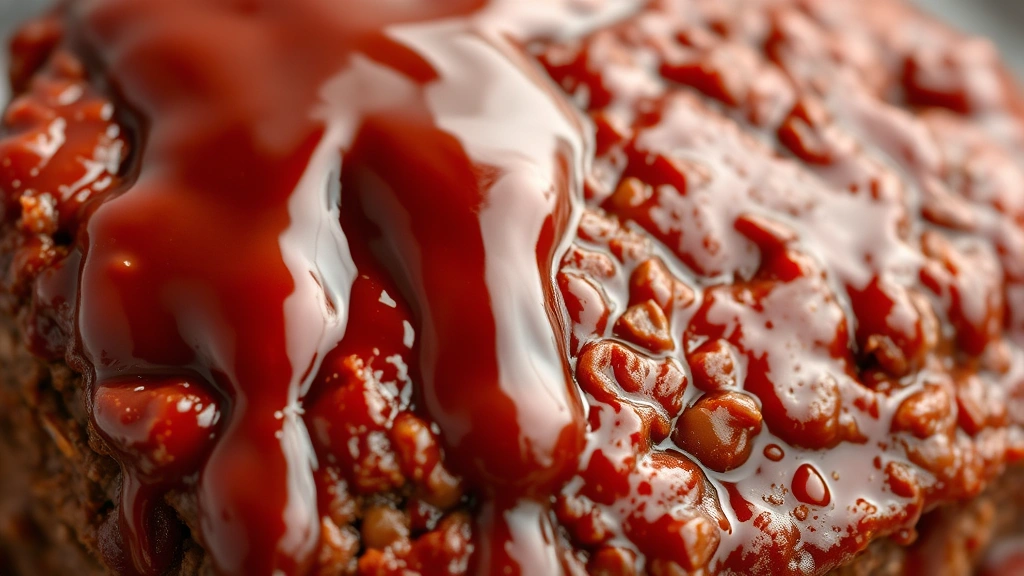
The difference between an ordinary meatloaf and an extraordinary one lies in the sauce. While some home cooks rely on ketchup alone, the best meatloaf sauce recipe incorporates multiple layers of flavor that develop during baking. The sauce caramelizes on top while penetrating the meat, creating a glossy exterior and moist interior that keeps everyone asking for seconds.
Understanding the Perfect Meatloaf Sauce
A great meatloaf sauce recipe needs to achieve several things simultaneously. First, it must adhere to the surface of the meat without sliding off during baking. Second, it should develop a slight crust or glaze that adds textural interest. Third, it needs enough acidity to cut through the richness of the meat while providing sweetness that caramelizes. Finally, the sauce should complement rather than overpower the beef itself.
The foundation of most excellent meatloaf sauces starts with ketchup, but here’s where grandma’s wisdom comes in: she never used ketchup alone. The base requires a balance of acid (vinegar), sweetness (brown sugar or molasses), and umami (Worcestershire sauce). These three components work together to create depth of flavor that simple ketchup cannot achieve.
Understanding the science behind the sauce helps you adjust it to your preferences. The acidity in vinegar and ketchup helps break down the proteins in the meat while adding brightness. Brown sugar provides caramelization during cooking, creating those beautiful brown edges. Worcestershire sauce contributes complexity through fermented flavors that professional chefs rely on when building savory dishes.
When you apply sauce to meatloaf during baking, it undergoes the Maillard reaction—a chemical process where proteins and sugars combine at high heat to create new flavors and browning. This is why a meatloaf sauce recipe must contain some sugar; without it, you won’t achieve that signature glaze.
Grandma’s Secret Ingredient Formula
After much persistence, my grandmother revealed her exact proportions for what she calls her “foolproof” meatloaf sauce recipe. She emphasized that the measurements are flexible, but the ratios matter:
- 1 cup ketchup – The base that everyone knows
- ¼ cup apple cider vinegar – Adds tang and brightness
- ¼ cup packed brown sugar – Provides sweetness and caramelization
- 2 tablespoons Worcestershire sauce – Brings umami depth
- 1 tablespoon mustard powder – The secret ingredient for complexity
- 1 teaspoon garlic powder – Enhances savory notes
- ½ teaspoon black pepper – Adds subtle heat
- ¼ teaspoon cayenne pepper – Optional, for those who like heat
The mustard powder is what elevates this from a standard meatloaf sauce recipe to something truly special. Unlike prepared mustard, mustard powder provides a clean, sharp flavor without adding extra moisture. It enhances the other spices and adds a subtle complexity that guests often can’t quite identify but definitely notice.
Grandma also shared that she sometimes adds 1 tablespoon of molasses instead of using all brown sugar. Molasses contributes a deeper, almost smoky sweetness that pairs beautifully with beef. If you’re feeling adventurous, try replacing half the brown sugar with molasses for a more sophisticated flavor profile.
Another secret she revealed: a pinch of smoked paprika (about ¼ teaspoon) can add subtle smokiness that makes people think you spent hours preparing the sauce. This technique works especially well if you’re planning to serve meatloaf alongside smoker recipes at your next gathering.
Step-by-Step Preparation Guide
Making the perfect meatloaf sauce recipe is straightforward when you follow these steps carefully:
- Gather your ingredients in one location. Having everything ready (called mise en place in professional kitchens) prevents mistakes and ensures consistent results.
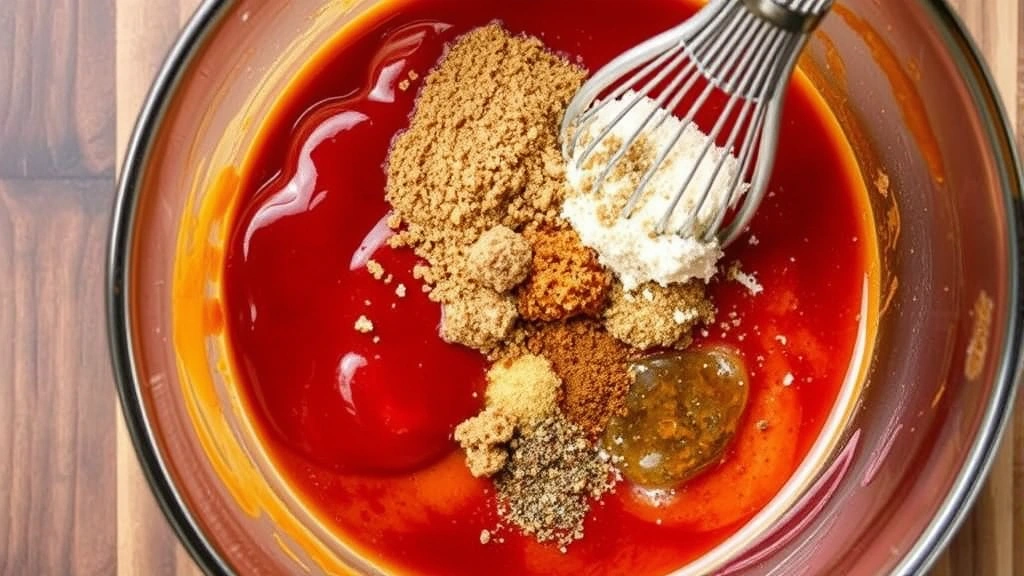
- Whisk together the wet ingredients first: ketchup, apple cider vinegar, and Worcestershire sauce. Mix thoroughly until completely combined. This prevents lumps from forming when you add the dry ingredients.
- Add the brown sugar next, stirring constantly until the sugar dissolves completely. The mixture should look glossy and slightly thick.
- Sift in all dry ingredients (mustard powder, garlic powder, black pepper, and cayenne if using). Sifting prevents lumps and ensures even distribution of flavors.
- Whisk vigorously for about one minute. The sauce should be smooth, pourable, and uniform in color.
- Taste and adjust before using. Too sweet? Add more vinegar. Too tangy? Add a bit more brown sugar. This is where your personal preferences come into play.
Pro tip: Make your meatloaf sauce recipe at least 30 minutes before you need it. Letting the flavors meld produces a more cohesive sauce. You can prepare it the night before and store it in an airtight container in the refrigerator.
When you’re ready to use the sauce, give it a good stir. If it’s become too thick during storage, whisk in a teaspoon of water at a time until you reach the desired consistency. The sauce should be thick enough to coat the back of a spoon but thin enough to brush onto the meatloaf easily.
Variations and Flavor Profiles
While grandma’s original meatloaf sauce recipe is perfection in its simplicity, there’s room for creativity. Understanding the base formula allows you to develop variations that match your taste preferences or dietary needs.
Spicy Meatloaf Sauce: If your family enjoys heat, increase the cayenne to ½ teaspoon and add 1 teaspoon of hot sauce (like Frank’s RedHot). This creates a sauce that builds heat gradually without overpowering other flavors. This variation pairs wonderfully with the bold flavors found in buffalo chicken dip recipe preparations.
Maple-Bourbon Variation: Replace ¼ cup of ketchup with pure maple syrup and add 1 tablespoon of bourbon whiskey. This creates a sophisticated sauce that’s especially good with meatloaf made from a mixture of beef and pork. The bourbon adds depth without making the sauce taste alcoholic (the alcohol cooks off during baking).
Asian-Inspired Version: Substitute Worcestershire sauce with 1 tablespoon of soy sauce and add 1 teaspoon of fresh ginger (minced) and ½ teaspoon of sesame oil. This variation is inspired by techniques used in chicken pad thai recipe preparations. The result is an umami-rich sauce with subtle Asian undertones.
Honey Mustard Glaze: Replace brown sugar with ¼ cup of honey and increase mustard powder to 1½ teaspoons. Add ½ teaspoon of dry mustard for extra punch. This creates a lighter, more refined sauce that’s less heavy than the traditional version.
Pineapple-Teriyaki Fusion: Add ¼ cup of pineapple juice and 1 tablespoon of teriyaki sauce to the base recipe. This creates a sweet and savory sauce with tropical notes. The pineapple juice adds natural sweetness and acidity while the teriyaki contributes salty depth.
When experimenting with variations, remember that the total liquid should remain roughly the same. If you add wet ingredients, reduce the ketchup or vinegar proportionally. This maintains the sauce’s proper consistency for glazing.
Baking Tips for Maximum Flavor
Having a perfect meatloaf sauce recipe is only half the battle. How you apply it during baking significantly impacts the final result. Here’s how professional cooks ensure maximum flavor development:
The Three-Application Method: Instead of dumping all sauce on at once, apply it in three stages. First, brush ⅓ of the sauce onto the raw meatloaf before baking. This allows the flavors to penetrate the meat from the beginning. After 20 minutes of baking, apply another ⅓. In the final 10 minutes, apply the remaining ⅓. This creates layers of flavor and a beautiful glaze.
Line Your Pan Properly: Use aluminum foil or parchment paper to line your baking pan. This prevents the sauce from sticking and burning on the bottom. Some cooks prefer elevating the meatloaf on a wire rack inside the pan, allowing heat to circulate underneath while the sauce pools slightly around the edges.
Temperature Control: Bake your meatloaf at 350°F rather than higher temperatures. This slower cooking allows the sauce to caramelize gradually without burning. The internal temperature should reach 160°F for food safety, but the slower baking ensures the sauce develops proper color and flavor.
Resting Period: After removing the meatloaf from the oven, let it rest for 5 minutes before slicing. This allows the meatloaf sauce recipe’s flavors to set and the meat to reabsorb juices, resulting in moister slices. The sauce also thickens slightly during this rest, creating a better glaze.
Broiler Finish: For an extra-glossy finish, turn the broiler on high for the last 2-3 minutes of baking. Watch carefully to prevent burning. This technique caramelizes the sauce’s surface, creating a thin crust that adds textural interest.
Some cooks prefer making meatloaf in a loaf pan rather than shaping it freeform. The advantage is that the sauce pools in the pan, creating a glaze that you can spoon over each slice when serving. The disadvantage is that the sauce doesn’t coat the sides as evenly. Experiment with both methods to see which you prefer.
Pairing Suggestions
The perfect meatloaf sauce recipe deserves complementary side dishes. Here are proven pairings that home cooks and restaurants use:
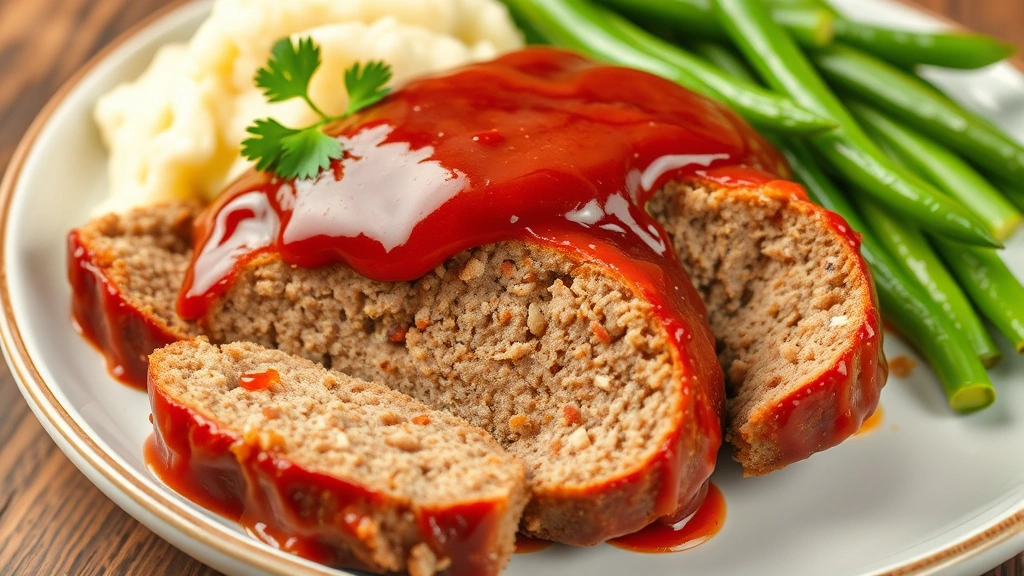
Classic Combinations: Mashed potatoes are the traditional choice because their neutral, creamy texture balances the sauce’s acidity and sweetness. Buttered egg noodles work similarly, allowing the sauce to coat each noodle. Green bean casserole adds textural contrast, while roasted root vegetables contribute earthiness that complements the meat’s richness.
Lighter Options: If you’re looking for food waste reduction tips for vegetable scraps, roasted vegetables like Brussels sprouts, carrots, and parsnips are excellent choices. The meatloaf sauce’s sweetness pairs beautifully with caramelized vegetables.
Bread Accompaniments: Serve with crusty bread to soak up extra sauce. Cornbread offers a slightly sweet complement that echoes the sauce’s sweetness without being redundant. Texas toast provides substance without competing for flavor.
Breakfast Applications: Leftover meatloaf makes an excellent breakfast protein. Check out best breakfast food recipes for creative ways to use cold meatloaf slices with eggs and toast.
Beverage Pairings: The sauce’s sweetness and acidity pair well with slightly sweet beverages. Apple cider, ginger ale, or a light iced tea work beautifully. For wine pairings, choose something with moderate acidity like Pinot Noir or a dry Riesling.
The sauce’s complexity means it pairs well with simple side dishes. When your meatloaf sauce recipe is the star, keep everything else relatively straightforward so flavors don’t compete.
FAQ
Can I make meatloaf sauce without ketchup?
Yes, though it changes the flavor profile significantly. You can use tomato paste (diluted with water), barbecue sauce, or chili sauce as the base. The result will be different from traditional meatloaf sauce recipe, but still delicious. Tomato paste creates a deeper, less sweet version, while barbecue sauce produces a smokier result.
How far in advance can I prepare the sauce?
Prepare meatloaf sauce recipe up to 3 days ahead. Store it in an airtight container in the refrigerator. The flavors actually improve after sitting overnight as the ingredients meld. Stir well before using, and add a bit of water if the sauce has become too thick.
What if my sauce is too runny?
Whisk in 1 teaspoon of cornstarch mixed with 1 teaspoon of cold water. Heat the sauce gently while stirring until it thickens. Alternatively, let the sauce sit uncovered in the refrigerator for a few hours; it will thicken as it cools. Never add flour directly to the sauce as it will create lumps.
Can I use this meatloaf sauce recipe for other dishes?
Absolutely. This sauce works wonderfully on baked chicken, pork chops, and even vegetables. You can use it as a dipping sauce for meatballs or as a glaze for ham. The versatility of this formula makes it worth keeping on hand.
Is there a substitute for Worcestershire sauce?
If you don’t have Worcestershire sauce, use soy sauce (1 tablespoon instead of 2 tablespoons) or fish sauce (1 teaspoon instead of 2 tablespoons). Both provide umami depth, though the flavor will be slightly different. Some people use a combination of soy sauce and vinegar for a similar effect.
Why does my meatloaf sauce recipe burn easily?
Sugar in the sauce caramelizes at high heat, which can turn to burning quickly. Always bake at 350°F or lower. If your oven runs hot, place a sheet of foil loosely over the meatloaf during the first 30 minutes of baking to prevent the sauce from browning too quickly.
Can I freeze meatloaf sauce?
Yes, freeze prepared meatloaf sauce recipe in ice cube trays for individual portions, or in a freezer-safe container for larger amounts. Properly frozen sauce lasts up to 3 months. Thaw in the refrigerator before using, and whisk well to recombine any separated ingredients.
What’s the best way to reheat leftover meatloaf with sauce?
Wrap the meatloaf in foil and warm at 350°F for about 15 minutes until heated through. This prevents the sauce from drying out. Alternatively, slice the meatloaf and warm it in a skillet with a bit of sauce over medium-low heat. Never microwave meatloaf with sauce, as it can become rubbery.
Can I use honey instead of brown sugar?
Yes, use ⅓ cup of honey instead of ¼ cup brown sugar. Honey is sweeter than brown sugar, so use slightly less. The sauce will be slightly more liquid, which is fine—it will thicken during baking. Honey creates a more caramelized glaze than brown sugar.
How do I prevent my meatloaf from drying out despite the sauce?
Use a mixture of ground beef and ground pork (60% beef, 40% pork) for more moisture. Include breadcrumbs soaked in milk in your meatloaf mixture. Don’t overmix the meat—handle it gently to avoid creating a dense, dry loaf. The sauce helps retain moisture, but proper meatloaf preparation is equally important.


