Homemade Oatmeal Cream Pies: Grandma’s Secret Recipe
There’s something truly magical about biting into a homemade oatmeal cream pie—that perfect balance of chewy oatmeal cookie exterior and creamy vanilla filling that melts on your tongue. These nostalgic treats transport us back to simpler times, reminiscent of the packaged versions many of us grew up enjoying, yet infinitely superior because they’re made with love and quality ingredients in your own kitchen. This grandma’s secret recipe has been passed down through generations, perfected over countless batches, and now it’s your turn to master this beloved classic.
What makes homemade oatmeal cream pies so special is the control you have over every ingredient. You can adjust the sweetness, enhance the vanilla flavor, and ensure your filling has that luxurious silky texture that store-bought versions simply cannot match. Whether you’re baking for a special occasion, planning a dessert spread, or just craving that comforting treat from childhood, this comprehensive guide will walk you through every step of the process. The beauty of this recipe lies in its simplicity—with just pantry staples and a bit of patience, you’ll create bakery-quality results that will impress family and friends.
Essential Ingredients for Perfect Oatmeal Cream Pies
Before you begin, gather all your ingredients—this mise en place approach ensures smooth baking without interruptions. For the oatmeal cookies, you’ll need two cups of all-purpose flour, one teaspoon of baking soda, one teaspoon of ground cinnamon, half a teaspoon of salt, one cup (two sticks) of softened unsalted butter, one cup of packed brown sugar, half a cup of granulated white sugar, two large eggs, one teaspoon of pure vanilla extract, and three cups of old-fashioned rolled oats. The combination of brown and white sugars creates depth of flavor—the brown sugar contributes molasses notes while white sugar provides structure.
For the luscious cream filling, prepare one cup of unsalted butter (softened to room temperature), two cups of powdered sugar, one tablespoon of pure vanilla extract, one-quarter teaspoon of salt, and two to three tablespoons of heavy cream or whole milk. Some bakers swear by adding a pinch of meringue powder to stabilize the filling, though it’s entirely optional. The cream filling is where you can really make these pies shine—using quality vanilla extract and fresh butter makes an enormous difference in the final product. Consider sourcing Madagascar or Tahitian vanilla extract from specialty food retailers for an even more sophisticated flavor profile.
Preparing the Oatmeal Cookie Dough
Begin by preheating your oven to 350 degrees Fahrenheit. In a medium bowl, whisk together the flour, baking soda, cinnamon, and salt. Set this dry mixture aside—proper sifting prevents lumps and ensures even distribution of leavening agents throughout your dough. In a large mixing bowl, cream together the softened butter with both sugars using an electric mixer on medium speed. This process typically takes three to four minutes and is crucial for incorporating air into the dough, which contributes to the cookies’ texture.
Once the butter and sugar mixture is light and fluffy, add the eggs one at a time, beating well after each addition. This gradual incorporation helps create an emulsion that results in tender cookies. Pour in the vanilla extract and mix until fully combined. Now, gently fold in the dry ingredients using a spatula or wooden spoon—overmixing at this stage can lead to tough cookies. Finally, stir in the rolled oats until evenly distributed. The dough should be thick and somewhat stiff, holding together when pressed but not sticky. If your dough seems too wet, refrigerate it for thirty minutes before scooping.
Baking Technique for Ideal Cookie Texture
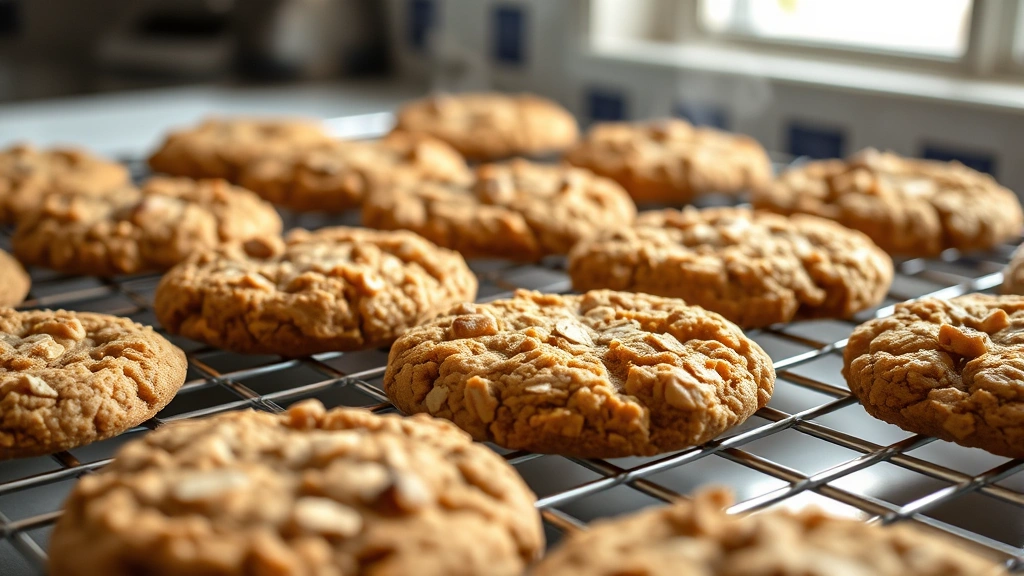
The secret to achieving that perfect chewy-yet-structured cookie texture lies in precise baking. Use a cookie scoop or tablespoon to portion the dough into uniform pieces about one and a half inches in diameter. Space them two inches apart on parchment-lined baking sheets—this allows for even heat circulation and prevents the cookies from spreading into one another. For the best results, bake for ten to twelve minutes, until the edges are lightly golden but the centers still appear slightly underdone. This is critical: remove the cookies when they seem just barely done, as they’ll continue cooking on the hot baking sheet after removal from the oven.
Let the cookies cool on the baking sheet for five minutes before transferring them to a wire rack. This brief resting period allows them to set enough to move without breaking while still maintaining their slightly soft interior. For consistent results, use an oven thermometer to verify your oven’s actual temperature—many ovens run hotter or cooler than their display indicates. If you’re familiar with how to make homemade bread, you understand the importance of oven calibration, which applies equally to cookies. Once completely cooled, you should have about thirty-six cookies, which will make eighteen sandwich cookies.
Creating the Signature Cream Filling
The cream filling is what elevates these treats from simple cookies to gourmet desserts. Place the softened butter in a clean mixing bowl and beat it on medium-high speed for two minutes until it’s pale and creamy. Gradually add the powdered sugar, one-half cup at a time, beating well after each addition. This gradual incorporation prevents lumps and ensures a smooth, lump-free filling. Once all the powdered sugar is incorporated, add the vanilla extract and salt, mixing thoroughly.
Now comes the texture adjustment: add one tablespoon of heavy cream and beat on medium speed for one minute. The filling should be spreadable but not runny—thick enough to hold its shape between cookies but soft enough to spread easily. If it’s too stiff, add another tablespoon of cream and beat again. If it seems too soft, add a bit more powdered sugar. This filling technique is similar to the principles you’d use when making homemade sauces, where consistency is everything. The filling can be made up to two days in advance and refrigerated in an airtight container, though it should be brought to room temperature and re-beaten briefly before assembly for best spreading consistency.
For a more sophisticated flavor, consider infusing your filling with complementary tastes. A quarter teaspoon of almond extract adds subtle complexity, while a pinch of cardamom brings warmth and elegance. Some bakers add one-eighth teaspoon of maple extract for a deeper, more nuanced sweetness. Experiment with small batches to find your signature variation.
Assembly and Storage Tips
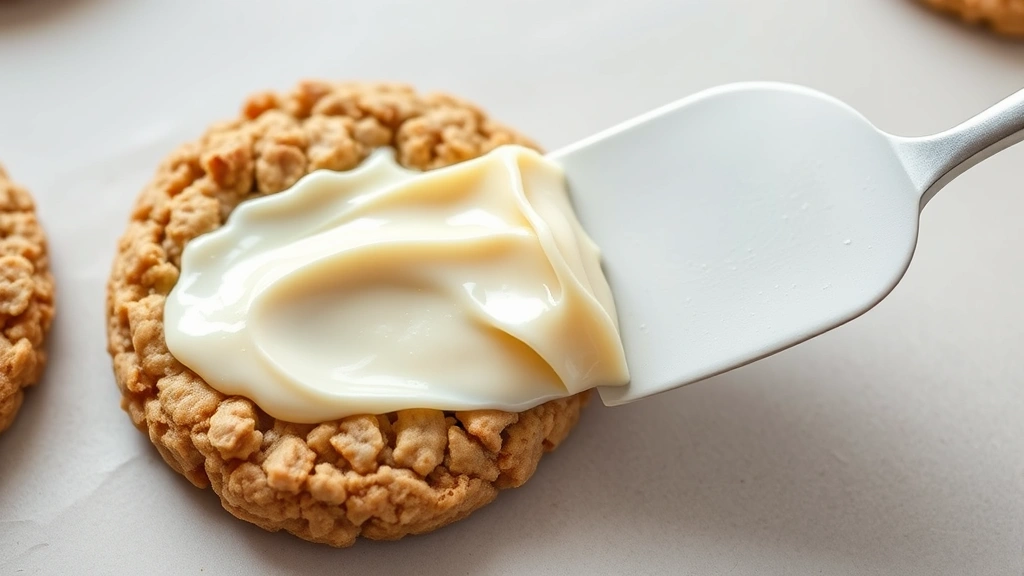
Once your cookies have cooled completely and your filling is prepared, assembly is straightforward but requires care. Turn half of your cookies flat-side up on a clean work surface. Spoon approximately one tablespoon of filling onto each cookie, spreading it evenly with a small offset spatula or the back of a spoon, leaving a quarter-inch border around the edges. This prevents filling from squishing out when you press the sandwich together.
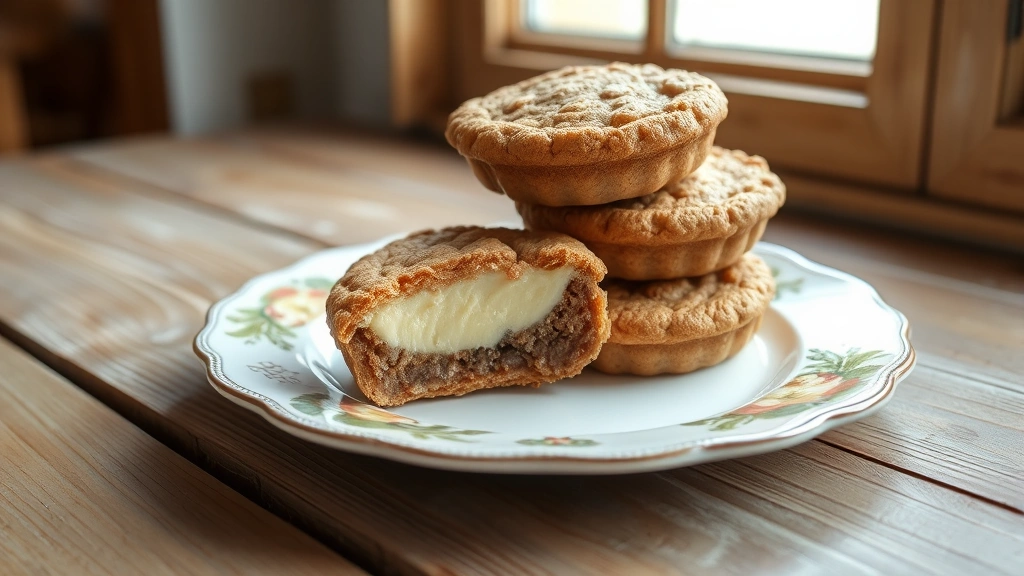
Gently place a second cookie, flat-side down, on top of the filling, pressing lightly until the filling just reaches the edges. Don’t press too hard, or you’ll squeeze out the filling and create an uneven sandwich. If you’re assembling multiple pies at once, work in batches to prevent the filling from drying out. The assembled pies can be enjoyed immediately, though they actually taste even better after sitting for a few hours as the flavors meld together.
For storage, place the assembled oatmeal cream pies in an airtight container with parchment paper between layers to prevent sticking. They’ll keep at room temperature for up to four days, though they’re best consumed within two days for optimal texture. If you need to store them longer, refrigerate them for up to one week, or freeze them for up to three months. To freeze, arrange the assembled pies on a baking sheet, freeze until solid (about two hours), then transfer to a freezer bag or airtight container. Thaw at room temperature for about thirty minutes before serving.
Creative Flavor Variations
Once you’ve mastered the classic recipe, explore these exciting variations. For Cinnamon Roll Oatmeal Cream Pies, add an extra half teaspoon of cinnamon to the cookie dough and infuse the filling with one-quarter teaspoon of vanilla and a pinch of brown sugar. For Maple Pecan Oatmeal Cream Pies, fold half a cup of finely chopped toasted pecans into the cookie dough and add one-quarter teaspoon of maple extract to the filling. For Apple Spice Oatmeal Cream Pies, add one-quarter teaspoon of nutmeg and one-eighth teaspoon of ground cloves to the dough, and swirl a tablespoon of apple butter into each dollop of filling.
For Chocolate-Filled Oatmeal Cream Pies, prepare a chocolate ganache filling by combining one-half cup of heavy cream heated until steaming with four ounces of chopped high-quality dark chocolate. Stir until smooth, cool to room temperature, then use as your filling. For Honey Oatmeal Cream Pies, replace the vanilla extract with honey and add one-quarter teaspoon of vanilla extract instead. The best breakfast food recipes often incorporate oats in creative ways, and these variations show how versatile this base recipe truly is.
Troubleshooting Common Issues
If your cookies spread too much during baking, your butter was likely too warm or your oven temperature too high. Ensure your butter is softened but still cool to the touch, and verify your oven temperature with an oven thermometer. If your cookies turn out too cakey rather than chewy, you may have overbaked them. Reduce baking time by one to two minutes and remove them when the edges are just golden. If your filling is too grainy, your powdered sugar wasn’t sifted before mixing or you added it too quickly without proper beating between additions.
If the cookies are too hard after cooling, they were baked too long. Remember that slight underbaking is better than overbaking—the cookies continue cooking on the hot pan. If your filling won’t hold between the cookies, it’s too soft; add more powdered sugar one tablespoon at a time until it reaches the proper consistency. If the filling separates or becomes greasy, your butter was too warm. Always use butter that’s cool to the touch but soft enough to blend easily. If you’re experiencing temperature-related issues in your kitchen, similar to challenges you might face when using a pressure cooker, remember that environmental factors significantly impact baking.
FAQ
Can I make oatmeal cream pie dough ahead of time?
Absolutely! Prepare the cookie dough, wrap it tightly in plastic wrap, and refrigerate for up to three days or freeze for up to three months. Thaw frozen dough in the refrigerator overnight before baking. You can also prepare unbaked cookie portions on a baking sheet, freeze them solid, then transfer to a freezer bag and bake directly from frozen, adding one to two minutes to the baking time.
What type of oats should I use?
Old-fashioned rolled oats are ideal for this recipe as they provide the best texture and appearance. Quick oats will work but create a denser, less visually appealing cookie. Steel-cut oats are too coarse and won’t incorporate properly. Avoid instant oatmeal, which breaks down and creates a mushy texture.
Can I use salted butter instead of unsalted?
While unsalted butter is recommended for better control over salt content, you can use salted butter if that’s what you have. Simply reduce the added salt to one-quarter teaspoon in the dough and omit the salt in the filling. Keep in mind that salt levels in butter vary by brand.
How do I make the filling less sweet?
Reduce the powdered sugar to one and a half cups and increase the butter to one and one-quarter cups. Alternatively, use a combination of powdered sugar and finely ground almond flour or coconut flour in a 2:1 ratio to add texture while reducing sweetness.
Can these pies be made gluten-free?
Yes! Replace the all-purpose flour with a high-quality gluten-free flour blend that includes xanthan gum, using the same amount. You may need to add one additional tablespoon of liquid if the dough seems too dry, as gluten-free flours absorb moisture differently.
What’s the best way to package these as gifts?
Layer the assembled pies in an airtight container with parchment paper between each layer. Place the container in a decorative box with tissue paper. They’ll stay fresh for up to four days at room temperature. Include a label noting the ingredients for those with allergies, and suggest consuming within two days for optimal freshness.
Can I use margarine instead of butter?
Butter is strongly recommended for superior flavor and texture. Margarine contains more water and can result in greasier, less flavorful cookies and filling. If you must use margarine due to dietary restrictions, choose a high-quality brand and expect slightly different results.
How many calories are in each oatmeal cream pie?
Each assembled pie contains approximately 180-200 calories, depending on exact portion sizes and filling amounts. The recipe yields about eighteen assembled pies, so nutritional information varies based on how much filling you use per sandwich.
Mastering this grandma’s secret oatmeal cream pie recipe opens the door to countless homemade treats that surpass anything store-bought. With practice, you’ll develop an intuition for the perfect dough consistency and filling texture. These pies are perfect for lunch boxes, afternoon snacks, dessert platters, or special gifts. The combination of comforting oatmeal cookies and silky cream filling creates a treat that appeals to all ages and occasions. Share your creations with loved ones and watch their faces light up as they taste the difference homemade makes.


