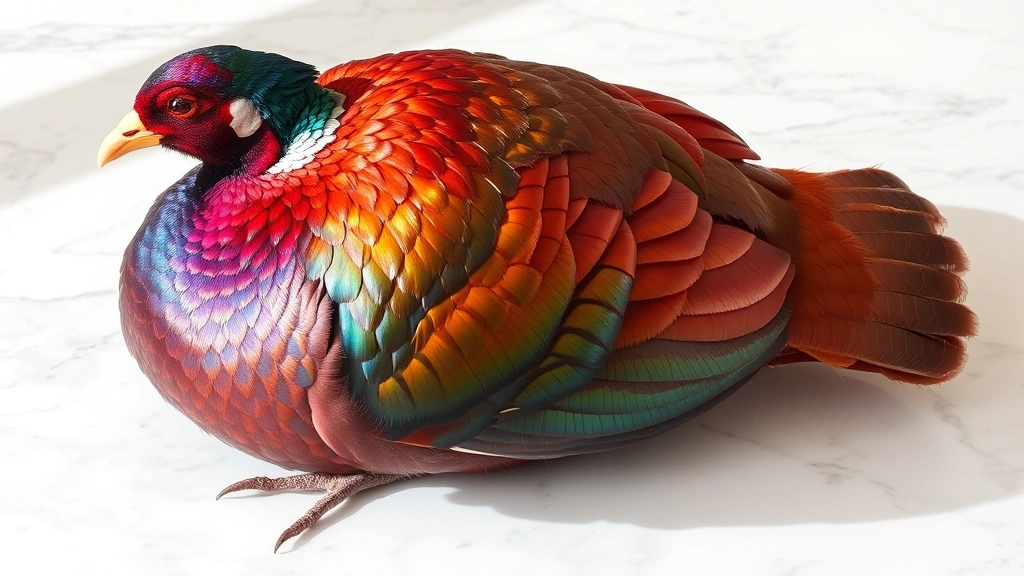
Pheasant Stew Recipe: Chef-Approved Method for Game Bird Perfection
Pheasant stew represents one of the most elegant yet approachable ways to prepare game birds at home. Unlike chicken, pheasant offers a richer, more complex flavor profile that transforms an ordinary stew into a restaurant-quality dish. This chef-approved method breaks down the intimidation factor surrounding game meat preparation, delivering tender, flavorful results that will impress even the most discerning dinner guests.
The beauty of pheasant stew lies in its versatility and the way slow cooking mellows the game’s stronger notes while intensifying its natural depth. Whether you’re using wild pheasant from a hunting expedition or farm-raised birds from specialty butchers, this comprehensive guide walks you through every step with professional techniques that guarantee success. The combination of aromatic vegetables, rich broth, and perfectly rendered pheasant meat creates comfort food that feels simultaneously rustic and refined.
This recipe has been tested in professional kitchens and home environments alike, proving that achieving chef-level results doesn’t require fancy equipment—just proper technique, quality ingredients, and patience. The slow-cooking process allows the pheasant’s subtle gaminess to meld beautifully with herbs and vegetables, creating layers of flavor that develop throughout the cooking process.
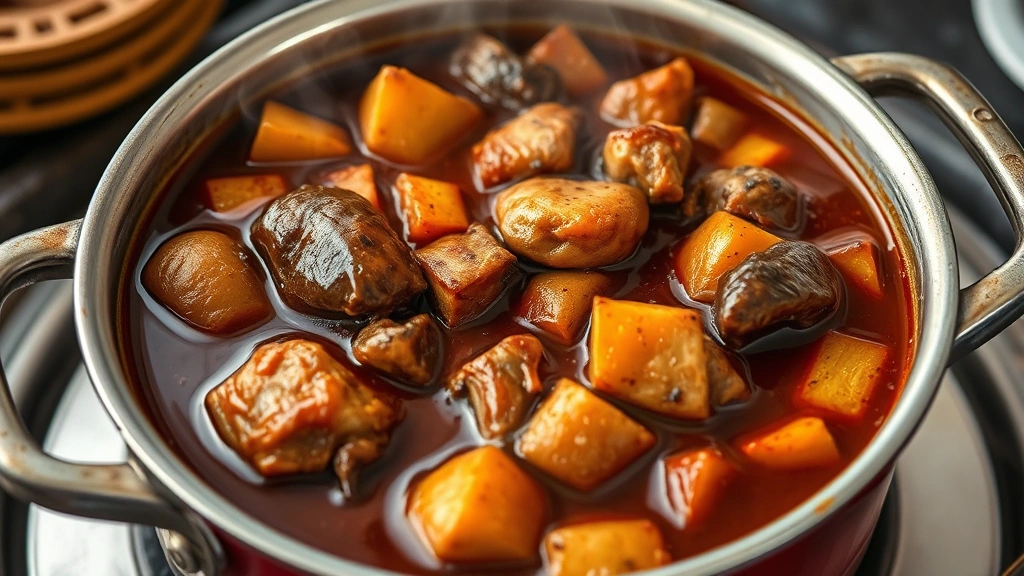
Selecting and Preparing Your Pheasant
Choosing quality pheasant is the foundation of exceptional stew. When shopping for pheasant, look for birds with unblemished skin and a pleasant smell—any off-odors indicate age or improper storage. Farm-raised pheasant tends to be milder than wild varieties, making it ideal for those new to game meats. A whole pheasant typically weighs 1.5 to 2.5 pounds, providing adequate meat for a satisfying stew serving four to six people.
If your butcher hasn’t already done so, ask them to break down the pheasant into parts: breasts, thighs, and drumsticks. This preparation step matters significantly because different parts cook at different rates. Thighs and drumsticks, which contain more connective tissue, benefit from the extended cooking time in stew, becoming incredibly tender and flavorful. Breasts can be added later in the cooking process to prevent them from becoming dry and stringy.
Before cooking, pat the pheasant pieces completely dry with paper towels. This crucial step enables proper browning during the searing stage, which creates fond—those flavorful browned bits on the pan bottom that form the flavor foundation of your stew. Moisture prevents browning, so don’t skip this step. Season the dried pieces generously with kosher salt and freshly cracked black pepper, allowing the seasoning to penetrate the meat for at least thirty minutes before cooking.
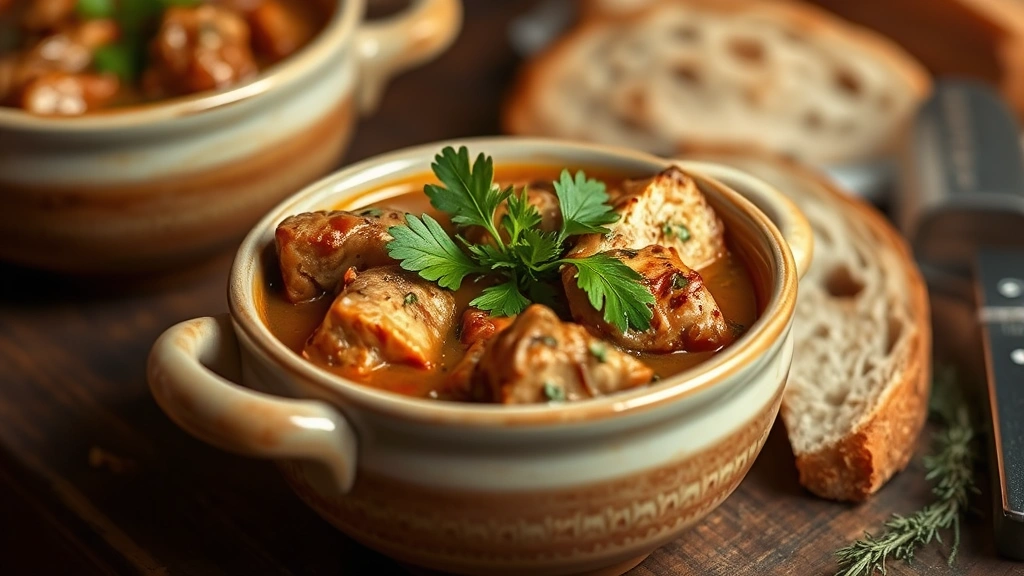
Complete Ingredients Guide
For the stew base:
- 2 whole pheasants (3 to 4 pounds total), cut into serving pieces
- 3 tablespoons olive oil or butter
- 2 medium yellow onions, diced into half-inch pieces
- 4 medium carrots, cut into one-inch rounds
- 3 celery stalks, sliced into half-inch pieces
- 6 cloves garlic, minced
- 2 cups mushrooms, quartered (cremini or portobello work beautifully)
- 4 cups beef bone broth or quality game stock
- 1 cup dry red wine (a Burgundy or Pinot Noir works wonderfully)
- 2 tablespoons tomato paste
- 2 bay leaves
- 4 sprigs fresh thyme (or 1 teaspoon dried)
- 2 sprigs fresh rosemary (or 1 teaspoon dried)
- 1 teaspoon juniper berries, crushed (optional but recommended)
- Kosher salt and freshly cracked black pepper to taste
- 2 tablespoons cornstarch mixed with 3 tablespoons water (if thickening is desired)
For finishing:
- 2 tablespoons fresh parsley, chopped
- 1 tablespoon fresh thyme leaves
- Zest of one lemon
The ingredient quality directly impacts your final result. Use homemade or high-quality bone broth rather than store-bought stock when possible, as it provides superior body and mouthfeel. For preserved herbs, ensure they’re fresh enough to smell aromatic—old, dusty dried herbs diminish the stew’s complexity.
Step-by-Step Preparation
Stage One: Mise en Place
Professional chefs emphasize mise en place—having all ingredients prepped and organized before cooking begins. This prevents scrambling mid-recipe and ensures nothing burns while you’re chopping. Dice your onions into uniform half-inch pieces, which cook evenly and won’t become mushy. Cut carrots into one-inch rounds; this size holds up beautifully during extended cooking without dissolving into the broth. Slice celery into half-inch pieces. Mince garlic finely so it distributes throughout the stew, creating background flavor rather than distinct garlic chunks.
Quarter your mushrooms rather than slicing them. Quartering creates surface area for browning while maintaining structural integrity during cooking. Combine all your dried herbs with the bay leaves in a small bowl. This preparation ensures you won’t forget herbs mid-cooking and prevents them from scattering throughout your workspace.
Stage Two: Searing the Pheasant
Heat your largest heavy-bottomed pot or Dutch oven over medium-high heat until it’s quite hot—you should feel significant heat radiating when you hold your hand six inches above it. Add oil or butter, allowing it to shimmer but not smoke. Working in batches to avoid crowding the pan, place pheasant pieces skin-side down first. Allow them to sear undisturbed for four to five minutes, developing a deep golden-brown crust. This browning creates complex flavors through the Maillard reaction, where amino acids and sugars interact under heat.
Flip each piece and sear the other side for three to four minutes. You’re not cooking the pheasant through; you’re simply creating that flavorful crust. Transfer seared pieces to a clean plate. Don’t worry if some skin sticks—that’s normal and desirable. The bits that remain in the pan contribute to the fond you’ll use to build your sauce.
Stage Three: Building the Aromatic Base
Reduce heat to medium. Add diced onions to the same pot, scraping the bottom with a wooden spoon to incorporate all the fond. Cook onions for five to seven minutes, stirring occasionally, until they become translucent and begin to caramelize slightly. Add carrot pieces and celery, cooking for another three minutes to soften slightly. The vegetables should still have some resistance; you’re not trying to cook them through.
Add minced garlic and cook for exactly one minute—garlic burns quickly and becomes bitter if overdone. Stir constantly during this minute to prevent burning. Add tomato paste and cook for two minutes, stirring frequently. This caramelizes the tomato paste, deepening its flavor and eliminating any sharp acidity.
The Cooking Process
Stage Four: Deglazing and Building the Broth
Pour in your red wine, using a wooden spoon to scrape up all remaining fond from the pot bottom. The wine’s acidity helps dissolve these flavorful browned bits, incorporating them into your liquid. Allow the wine to simmer for three to four minutes, reducing by approximately half. This reduction concentrates the wine’s flavor and cooks off harsh alcohol notes.
Add your beef bone broth, bay leaves, thyme, rosemary, and crushed juniper berries if using. Return the pheasant pieces to the pot, nestling them among the vegetables. The liquid should come about three-quarters of the way up the meat; add water if needed. Bring everything to a gentle simmer—not a rolling boil, which toughens meat and causes excessive evaporation.
Once simmering, reduce heat to low, cover partially with the lid, and allow the stew to cook gently for one hour and fifteen minutes. The low, slow heat allows collagen in the pheasant to break down into gelatin, creating a silky mouthfeel while the meat becomes incredibly tender. Check occasionally that the simmer remains gentle—you should see just occasional bubbles breaking the surface.
Stage Five: Adding Mushrooms and Final Cooking
After one hour and fifteen minutes, add quartered mushrooms and additional salt and pepper to taste. Continue cooking for another thirty minutes. The mushrooms will release their moisture, creating umami depth that enhances the pheasant’s natural flavors. The longer cooking time allows all flavors to meld and develop complexity.
Stage Six: Adjusting Consistency and Seasoning
Taste your stew carefully. Does it need salt? Add it gradually, tasting between additions—salt is easier to add than remove. Do you want more herbaceous notes? Add fresh thyme. If your stew seems thin and brothy rather than thick and rich, create a slurry by mixing cornstarch with cold water in a small bowl, whisking until smooth, then stirring it into the simmering stew. The starch thickens the liquid while maintaining its silky texture. Simmer for two minutes after adding the slurry to allow the thickening to fully develop.
For final flavor brightness, add the lemon zest and chopped fresh parsley just before serving. These fresh elements provide contrast to the deep, developed flavors of the long-cooked stew, creating a more complex and satisfying dish.
Serving and Variation Ideas
Traditional pheasant stew pairs beautifully with crusty bread, egg noodles, or creamy mashed potatoes. The starch provides a vehicle for the rich broth while adding textural contrast. Serve in shallow bowls that showcase the meat and vegetables, with a generous ladle of broth and a sprinkle of fresh parsley as garnish.
For variation, consider these chef-approved modifications:
- Root Vegetable Version: Replace some carrots with parsnips, turnips, or rutabaga for earthy sweetness and textural variety
- Wine Variation: Use white wine instead of red for a lighter, more delicate stew that highlights the pheasant’s subtle flavors
- Spiced Version: Add a pinch of cinnamon, clove, and nutmeg for warming spice notes that complement game beautifully
- Cider Variation: Substitute half the broth with apple cider for subtle sweetness that balances the gaminess
- Slow Cooker Adaptation: After searing the pheasant and sautéing aromatics, transfer everything to a slow cooker and cook on low for six to eight hours
If you enjoy immune-boosting ingredients, consider incorporating fire cider or elderberry syrup as finishing touches for additional wellness benefits alongside the stew’s rich, nourishing qualities.
Storage and Make-Ahead Tips
Pheasant stew actually improves with time as flavors continue developing and melding. Store cooled stew in airtight containers in the refrigerator for up to four days, or freeze for up to three months. The freezing process doesn’t harm the stew’s quality; in fact, many chefs recommend making stew a day ahead, refrigerating overnight, and reheating gently before serving.
To reheat, thaw frozen stew in the refrigerator overnight, then warm gently over medium-low heat on the stovetop, stirring occasionally. Add a splash of broth or water if the stew has thickened excessively during storage. Never reheat at high temperatures, which can toughen the meat and cause the broth to break.
For meal prep, portion cooled stew into individual containers, leaving a half-inch of space at the top for expansion during freezing. Label containers with the date and contents. This preparation allows quick reheating for weeknight dinners or emergency meals when cooking time is limited.
FAQ
Can I use store-bought pheasant instead of wild pheasant?
Absolutely. Farm-raised pheasant from specialty butchers or online retailers works beautifully in this recipe. It’s typically milder and more tender than wild pheasant, making it ideal for home cooks. The cooking method remains identical regardless of the pheasant’s origin.
What if I can’t find pheasant?
This stew method works wonderfully with other game birds like guinea fowl, partridge, or quail. You can also substitute with chicken, though the flavor profile will be milder, or use venison stew meat for a different but equally delicious result. Adjust cooking time based on the meat’s size and tenderness.
Should I remove the skin before cooking?
No. The skin renders during cooking, providing fat for browning and contributing to the stew’s richness. Leave it on during searing and cooking; it will have softened considerably and won’t detract from your final dish.
Can I make this stew without wine?
Yes. Simply increase the broth by one cup and add an additional tablespoon of tomato paste for complexity. A splash of vinegar or lemon juice at the end brightens the flavor, compensating for the wine’s acidity.
How do I know when the pheasant is done?
The pheasant is done when the meat falls easily from the bone and registers 165°F on an instant-read thermometer inserted into the thickest part without touching bone. This typically occurs after one hour and forty-five minutes of simmering.
What’s the difference between this method and slow cooker preparation?
Stovetop cooking allows better control over temperature and browning stages, developing more complex flavors. Slow cookers are more convenient for busy schedules but skip the searing step. For optimal flavor, sear on the stovetop first, then transfer to a slow cooker if desired.
Can I prepare this recipe ahead?
Yes. Prepare through the searing stage, cool quickly in an ice bath, refrigerate overnight, and continue cooking the next day. Flavors actually develop and improve with this method, as the pheasant absorbs the broth’s flavors while resting.


